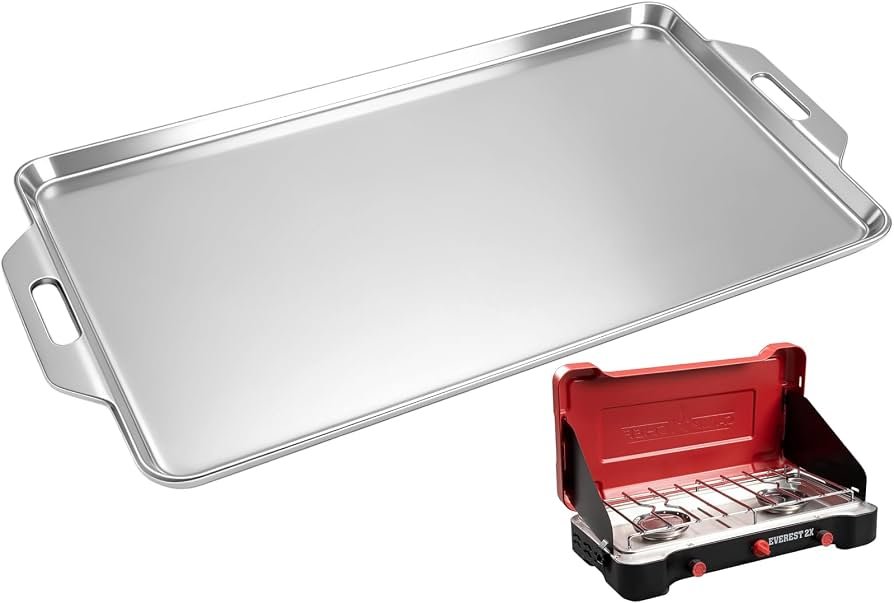
How to Use a Camp Stove Griddle Top for Outdoor Cooking
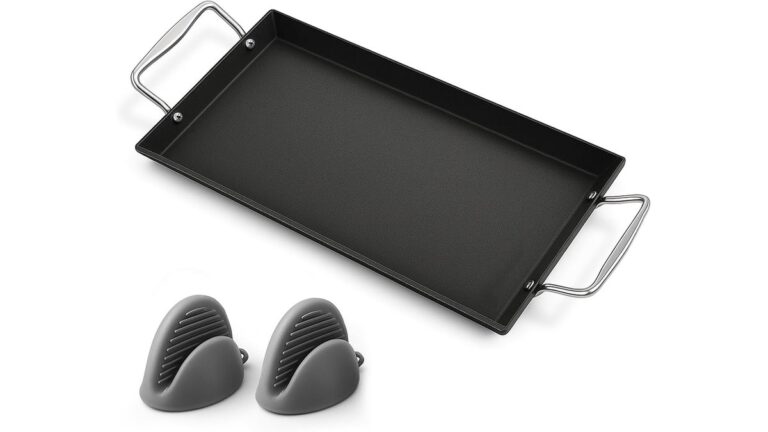
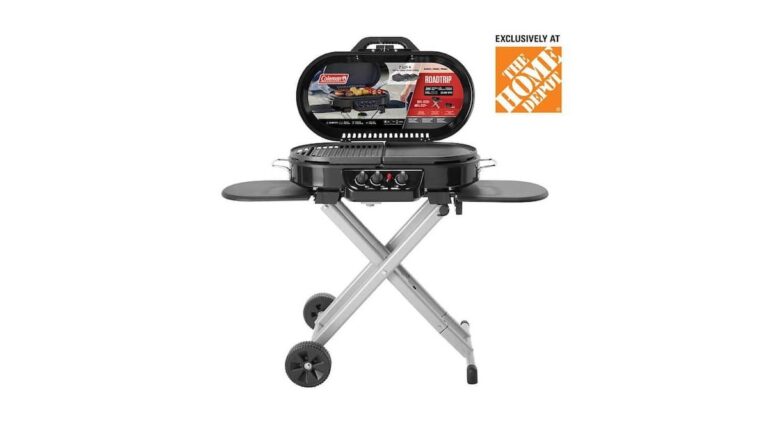
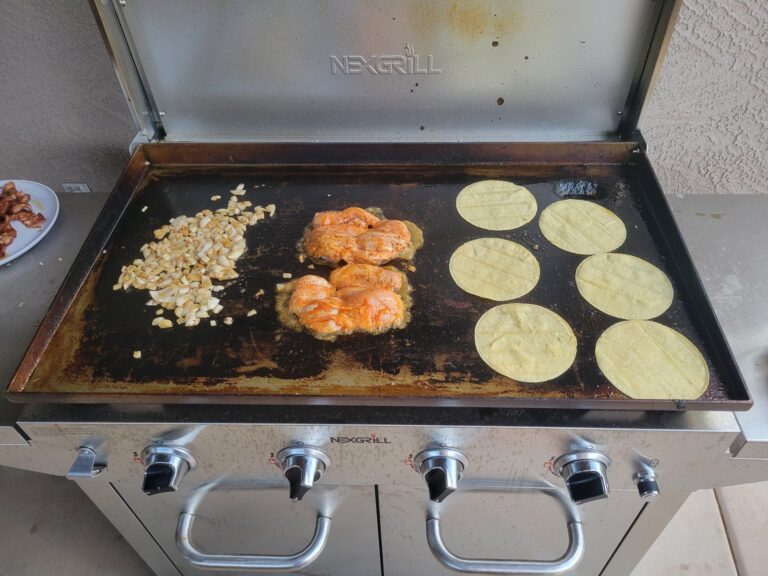
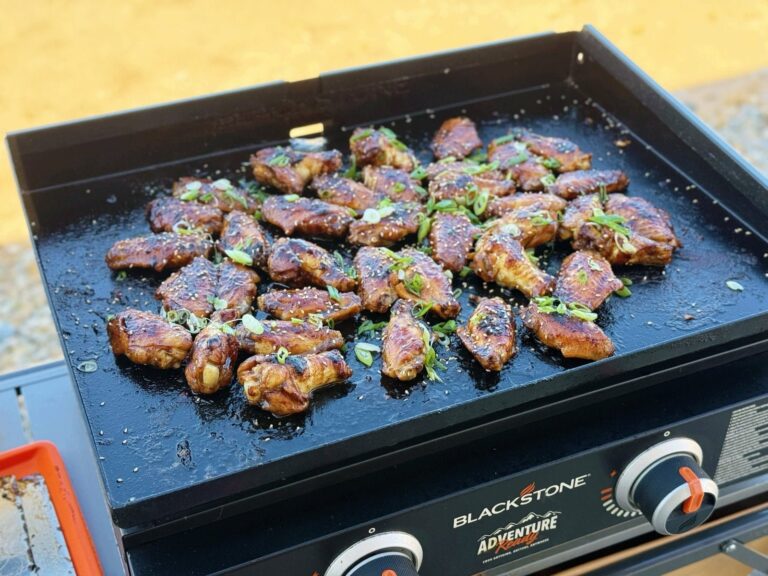
A camp stove griddle top is a flat or ribbed metal plate that allows you to cook pancakes, eggs, and meats over an open flame burner. You’ll find these plates made from cast iron, aluminum, or stainless steel, and they typically measure between 10 and 20 inches to fit most portable two-burner stoves.
How to Choose the Right Material for Your Griddle
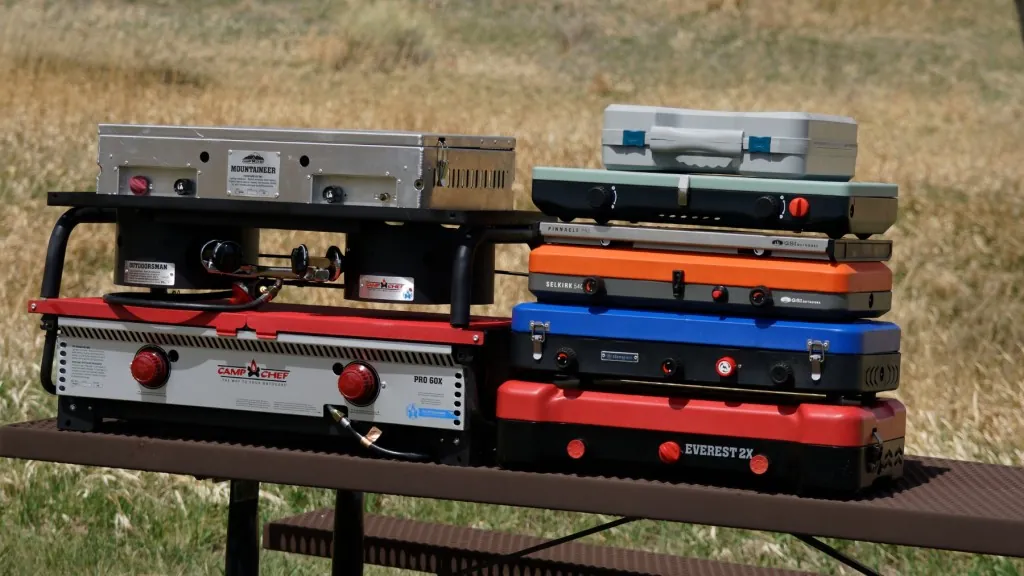
Selecting the right metal for your outdoor cooking setup determines how evenly your food cooks and how much work you’ll need to do to keep it clean. Cast iron provides excellent heat retention, which is ideal for searing steaks, but it requires regular seasoning to prevent rust.
Aluminum is much lighter and heats up quickly, making it a better choice if you’re worried about carrying extra weight. Stainless steel is the easiest to clean because it resists corrosion, though it doesn’t hold heat as well as the other options.
| Material | Heat Retention | Weight | Maintenance Level |
|---|---|---|---|
| Cast Iron | Very High | Heavy | High |
| Aluminum | Low | Light | Low |
| Stainless Steel | Medium | Moderate | Low |
If you plan to cook for a large group, choose a heavy-duty cast iron model because it maintains a steady temperature even when you add cold ingredients. If you prioritize portability for hiking or quick trips, opt for a thinner aluminum plate that won’t weigh down your pack.
How to Use a Griddle Safely on Your Stove
Using a heavy metal plate over a gas burner requires extra care to prevent the stove from overheating or the griddle from sliding. Follow these steps to ensure you’re cooking safely:
- Center the griddle directly over the burner flames to ensure even heat distribution across the entire cooking surface.
- Preheat on low for at least 5 minutes before increasing the heat, as rapid temperature spikes can warp thinner metal plates.
- Check the stability of your stove’s grate to confirm it can support the weight of the metal plate and your food.
- Use long utensils to keep your hands away from the hot surface and the open flames near the edges.
- Monitor the fuel levels closely, as covering two burners with a single large plate can trap heat around the gas canisters.
Tip: Always use a heat-resistant glove or a proper handle tool when moving the plate, as the entire surface will remain dangerously hot for several minutes after you turn off the burners.
When Is It Safe to Use a Griddle?
It’s safe to use these plates on most portable gas stoves, but you must avoid using them on stoves that have small, enclosed burner areas. Many modern portable stoves have safety shut-off sensors that trigger if the internal temperature gets too high.
Placing a large, flat metal plate over the entire top of the stove can trap heat and activate these sensors, shutting off your gas flow. If your griddle extends more than an inch past the burner grate on any side, it’s likely too large for the unit. This overhang traps radiant heat directly against the stove’s fuel canister or internal valves.
If your stove has a recessed burner design or a plastic housing near the flames, avoid using large griddles entirely to prevent melting the structural parts. When the burner head sits lower than the stove’s frame, the heat has nowhere to vent. This creates a thermal loop that can warp the metal or ignite the plastic casing, leading to permanent equipment failure.
Common Mistakes to Avoid
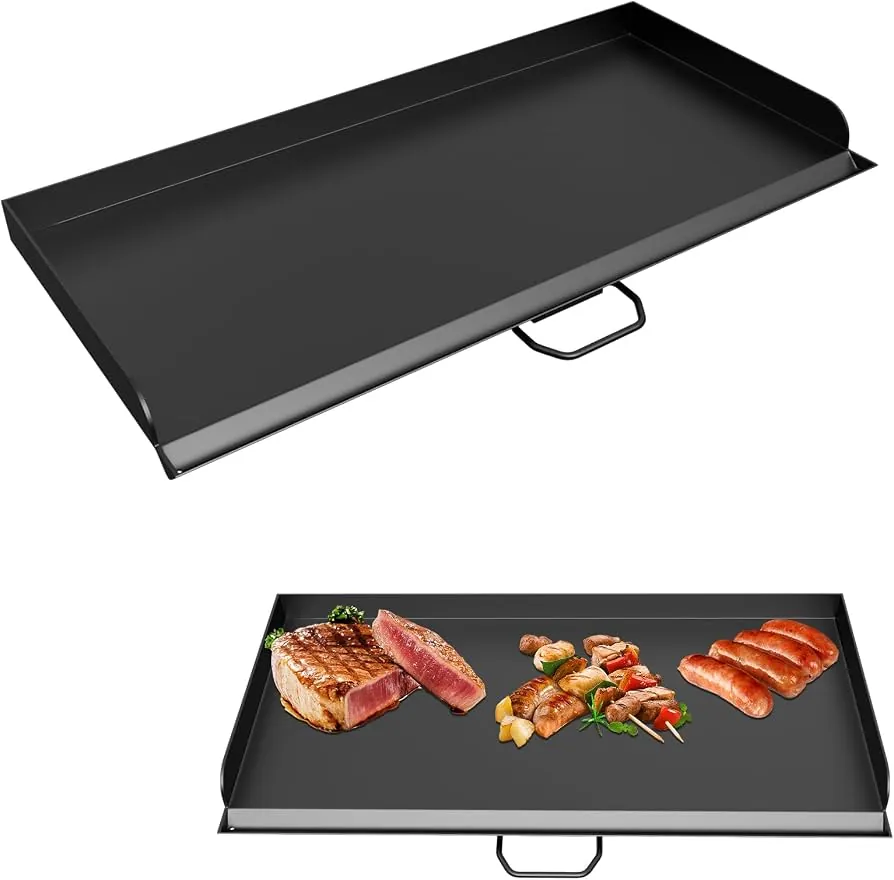
The most common mistake people make is using too much heat, which often leads to burnt food and warped metal. Because these plates are thin, they transfer heat much faster than a heavy kitchen pan. Start your burner on the lowest setting and only increase it if you aren’t getting the browning you need.
Another frequent error is ignoring the seasoning process for cast iron models. If you don’t apply a thin layer of oil before and after each use, the surface will stick and eventually develop rust spots that are difficult to remove in a camp setting. Don’t use metal scrapers on non-stick or thin aluminum surfaces, as these will ruin the coating and lead to food sticking permanently.
Frequently Asked Questions
Can I use a home kitchen griddle on a camp stove?
You can, but only if the size fits properly and the bottom is flat enough to remain stable on the stove’s grates. Ensure the griddle doesn’t cover the gas control knobs or the fuel canister compartment, as trapped heat can cause a serious fire hazard.
How do I clean a griddle while camping?
Wipe the surface with a paper towel while it’s still warm to remove excess grease and food bits. Once cool, use a small amount of water and a stiff brush, but avoid harsh detergents if the plate is made of cast iron to protect the seasoning.
Does a larger griddle cook food faster?
No, a larger surface area usually requires more heat to keep the temperature consistent across the whole plate. If your stove doesn’t have enough power to heat the entire surface, you’ll end up with cold spots in the corners and uneven cooking results.
Conclusion
Before your next trip, set your griddle on your stove at home to confirm it sits level and doesn’t block any ventilation ports. If the plate feels unstable or wobbles, choose a different accessory that fits your specific burner grate design.
{“@context”:”https://schema.org”,”@type”:”FAQPage”,”mainEntity”:[{“@type”:”Question”,”name”:”Can I use a home kitchen griddle on a camp stove?”,”acceptedAnswer”:{“@type”:”Answer”,”text”:”You can, but only if the size fits properly and the bottom is flat enough to remain stable on the stove’s grates. Ensure the griddle doesn’t cover the gas control knobs or the fuel canister compartment, as trapped heat can cause a serious fire hazard.”}},{“@type”:”Question”,”name”:”How do I clean a griddle while camping?”,”acceptedAnswer”:{“@type”:”Answer”,”text”:”Wipe the surface with a paper towel while it’s still warm to remove excess grease and food bits. Once cool, use a small amount of water and a stiff brush, but avoid harsh detergents if the plate is made of cast iron to protect the seasoning.”}},{“@type”:”Question”,”name”:”Does a larger griddle cook food faster?”,”acceptedAnswer”:{“@type”:”Answer”,”text”:”No, a larger surface area usually requires more heat to keep the temperature consistent across the whole plate. If your stove doesn’t have enough power to heat the entire surface, you’ll end up with cold spots in the corners and uneven cooking results.”}}]}
I am an outdoor enthusiast and gear researcher passionate about camping, hiking, backpacking, and outdoor adventures. I enjoy testing gear, comparing products, and sharing practical advice to help readers make informed decisions. At BestOutsideGear, I create honest gear reviews, buying guides, and outdoor tips to help adventurers choose the right equipment with confidence.