How to Cook Griddle Foil Packet Meals for Easy Outdoor Dining
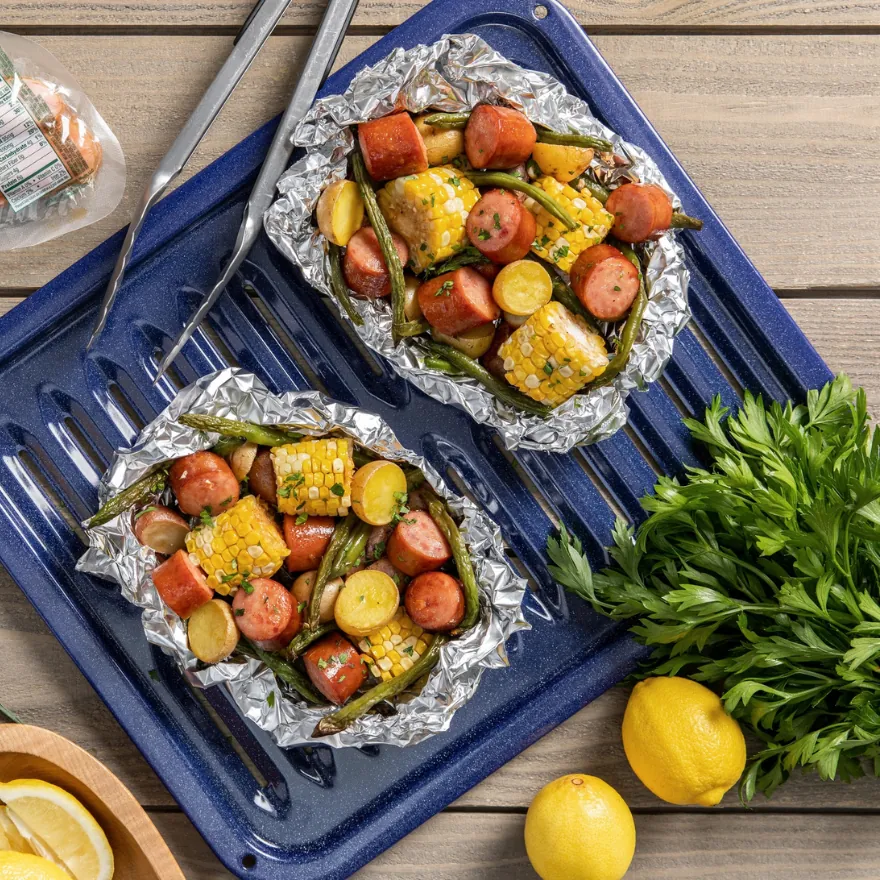
Cooking griddle foil packet meals takes between 15 and 25 minutes over medium-high heat, depending on the thickness of your ingredients. You create these by wrapping meat, vegetables, and seasonings in heavy-duty aluminum foil, which traps steam to cook everything together evenly without you needing to scrub the griddle surface afterward.
How to Assemble Griddle Foil Packet Meals
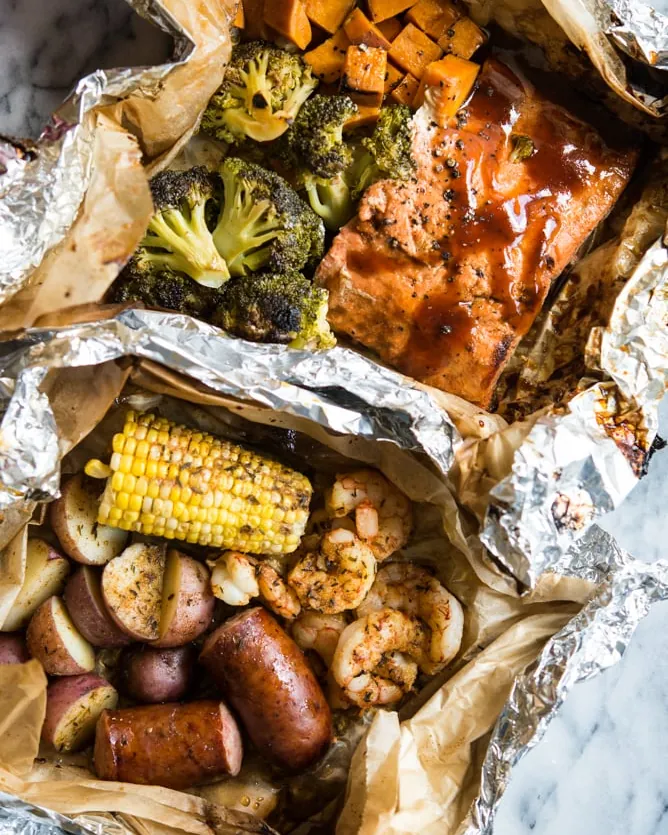
To make these meals, focus on cutting ingredients into uniform sizes so they finish cooking at the same time. Aim for half-inch cubes for dense vegetables like potatoes or carrots. If your pieces vary in size, the smaller bits will turn to mush before the larger ones soften.
Don’t crowd the packets. You need enough space for steam to circulate effectively around the food. If you pack the foil too tightly, the center will remain raw while the edges burn.
- Slice your ingredients: Cut proteins like chicken or sausage into bite-sized pieces.
- Add fat and seasoning: Place ingredients in the center of a large piece of heavy-duty foil. Drizzle with oil or butter and add spices. Use one tablespoon of fat per packet to prevent sticking and carry flavor.
- Seal the edges: Fold the long sides of the foil together, then crimp the ends tightly. If you see a tear in the foil, discard it and start over; a leak ruins the steaming process.
- Preheat the griddle: Set your surface to 375°F.
- Cook the packets: Place the sealed foil on the hot surface for 15 to 25 minutes. Flip them once halfway through.
- Check for doneness: Open one packet to ensure the meat is cooked and vegetables are tender.
Start with half the seasoning you think you need. Flavors concentrate significantly when trapped inside the sealed foil. If you’re using fresh herbs, add them after cooking to maintain their brightness. If the packet feels light or dry when you lift it, add two tablespoons of water or broth before sealing to create the necessary steam.
Essential Cooking Times and Temperature Guide
The time required for your meal depends on the density of the items inside. Proteins like fish or shrimp cook much faster than dense root vegetables or thick cuts of chicken. Always ensure that any poultry or meat you include reaches a safe internal temperature to prevent foodborne illness, as recommended by the USDA Food Safety and Inspection Service.
Use a digital instant-read thermometer to verify doneness. Aim for 165°F for poultry, 160°F for ground meats, and 145°F for whole cuts of beef or pork. If you’re cooking a mix, cut your potatoes into one-inch cubes to ensure they finish at the same time as your proteins.
A common mistake is overcrowding the pan, which causes ingredients to steam rather than sear. If the pan looks crowded, cook in two smaller batches to ensure even heat distribution. If you notice the edges of your vegetables charring before the centers are tender, lower the heat to medium to allow the centers to cook through.
| Ingredient Type | Estimated Cook Time | Heat Level |
|---|---|---|
| Shrimp and Fish | 8–12 minutes | Medium-High |
| Thin Chicken Strips | 15–18 minutes | Medium-High |
| Sausage and Peppers | 15–20 minutes | Medium-High |
| Potato and Vegetable Mix | 20–25 minutes | Medium-High |
Common Mistakes That Ruin Your Meal
One of the most frequent errors is using standard-weight foil, which often tears when you flip the packets on the griddle surface. Always choose heavy-duty foil to avoid leaks that cause juices to run out and burn onto the metal. If your foil rips, the steam will escape, which may cause the food to dry out or cook unevenly.
Another mistake is adding too much liquid or sauce. While a little oil or butter helps, too much liquid makes the food soggy rather than steaming it properly. If you want a charred flavor, don’t use foil at all; these meals are designed specifically for steaming. Additionally, never open the packets too early to peek. Every time you break the seal, you lose the steam pressure that’s doing the actual work.
If you find that your potatoes are hard while your protein is finished, you have likely cut the vegetables too large. Aim for uniform pieces no larger than one inch to ensure everything finishes at the same time.
Consistency is the primary factor in success here. It’s also worth noting that if your griddle has hot spots, you must move the packets around every few minutes. If you hear a violent sizzling sound, the packet is likely sitting directly over a burner; move it to a cooler zone immediately to prevent burning the contents.
Related guides
- How to Use Camping Pans for Outdoor Cooking Success
- Benefits of Camping Pots for Outdoor Cooking Success
- How to Use Camping Pots: Essential Tips for Outdoor Cooking Success
Frequently Asked Questions
Can I prepare these packets ahead of time?
Yes, you can assemble the packets up to 24 hours in advance and store them in the refrigerator. Keep them on a tray to prevent leaks, and don’t add acidic ingredients like lemon juice until right before cooking to keep the food texture firm.
Is it safe to cook these on a campfire grill?
You can safely cook these over a campfire, but the heat is much harder to control than on a gas or electric griddle. Place the packets on a rack above the coals rather than directly in the flames to prevent the foil from melting or burning the food.
Do I need to spray the inside of the foil?
It helps to lightly grease the inside of the foil with oil or butter before adding your food. This prevents the ingredients from sticking to the metal, which makes it much easier to transfer the meal onto a plate once you open the packet.
Conclusion
Choose your ingredients based on how quickly they cook to ensure everything in your packet finishes at the same time. Start by testing a simple combination like sausage and bell peppers before moving on to thicker cuts of meat or denser vegetables that require more time on the griddle.
{“@context”:”https://schema.org”,”@type”:”FAQPage”,”mainEntity”:[{“@type”:”Question”,”name”:”Can I prepare these packets ahead of time?”,”acceptedAnswer”:{“@type”:”Answer”,”text”:”Yes, you can assemble the packets up to 24 hours in advance and store them in the refrigerator. Keep them on a tray to prevent leaks, and don’t add acidic ingredients like lemon juice until right before cooking to keep the food texture firm.”}},{“@type”:”Question”,”name”:”Is it safe to cook these on a campfire grill?”,”acceptedAnswer”:{“@type”:”Answer”,”text”:”You can safely cook these over a campfire, but the heat is much harder to control than on a gas or electric griddle. Place the packets on a rack above the coals rather than directly in the flames to prevent the foil from melting or burning the food.”}},{“@type”:”Question”,”name”:”Do I need to spray the inside of the foil?”,”acceptedAnswer”:{“@type”:”Answer”,”text”:”It helps to lightly grease the inside of the foil with oil or butter before adding your food. This prevents the ingredients from sticking to the metal, which makes it much easier to transfer the meal onto a plate once you open the packet.”}}]}
I am an outdoor enthusiast and gear researcher passionate about camping, hiking, backpacking, and outdoor adventures. I enjoy testing gear, comparing products, and sharing practical advice to help readers make informed decisions. At BestOutsideGear, I create honest gear reviews, buying guides, and outdoor tips to help adventurers choose the right equipment with confidence.