Grill Top Griddle Insert: How to Use and Maintain Your Plate
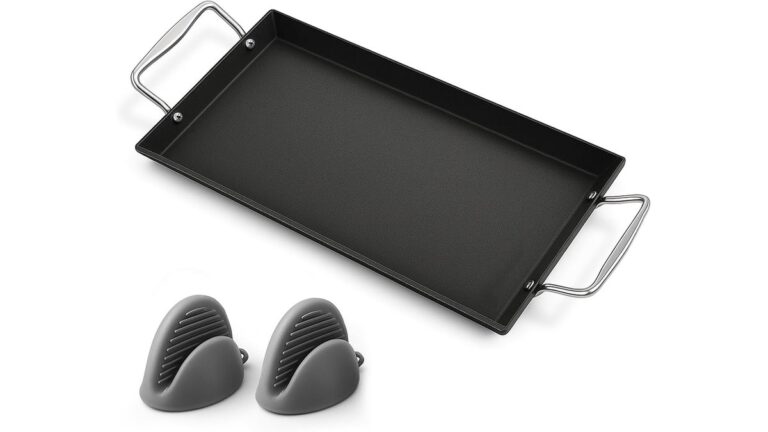
A grill top griddle insert is a heavy-duty flat metal plate that sits directly on your existing barbecue grates to provide a solid cooking surface for eggs, pancakes, or smash burgers. Most models are made from thick rolled steel or cast iron and require you to preheat the metal for 10 to 15 minutes before adding any food.
How to use a griddle insert safely

To get the best results, treat the metal surface like a cast-iron skillet. The most important step is ensuring the insert is stable on your grill grates so it doesn’t slide or tip while you’re flipping food.
Clear the grates of heavy debris or large food particles to ensure the insert sits perfectly flat. If the plate wobbles when you press the corners, shift it until it rests securely on the structural bars of the grate.
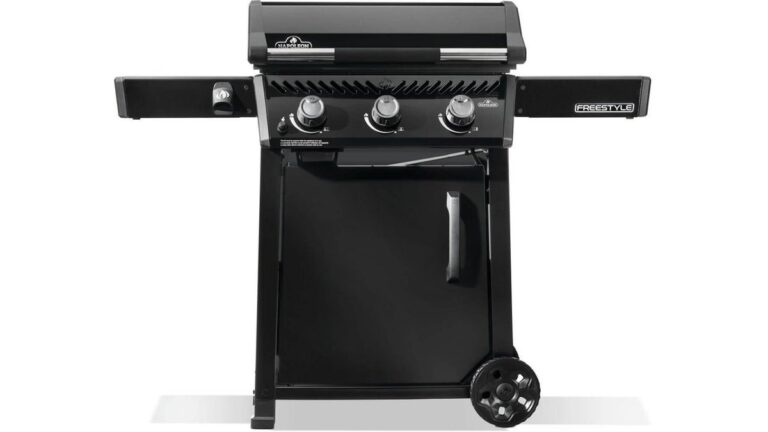
Position the insert centered over your burners, making sure it doesn’t overhang the edges of the firebox. Overhanging causes uneven heating, which can lead to warping or bowing of the steel.
Preheat slowly. Turn your burners to medium-low and let the metal heat up for 10 minutes. High heat applied too quickly warps thinner steel plates, turning your flat surface into a bowl that pools oil in the center.
Apply oil once the griddle is hot. Use a high-smoke-point oil like avocado or grapeseed. If you see the oil smoking immediately, your surface is too hot; pull the heat back to avoid a bitter, burnt flavor.
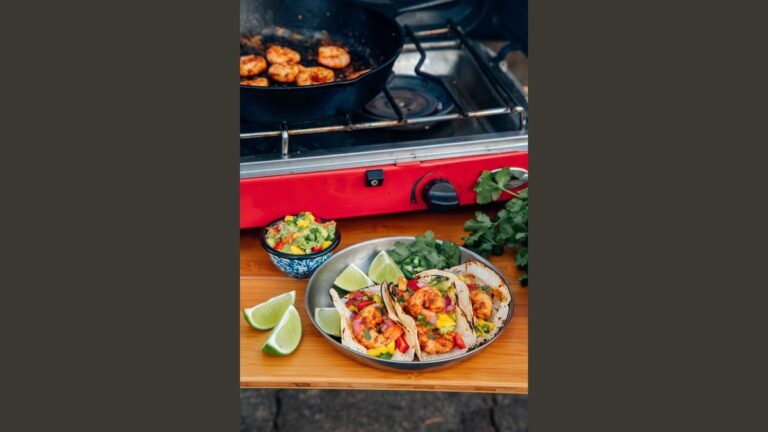
Cook your food as you would on a stovetop, adjusting the burners if you notice uneven browning. If you’re cooking lean proteins like chicken breast, use slightly more oil to compensate for the lack of fat.
Clean while warm. Scrape off residue while the metal is still hot using a metal spatula. Avoid cold water or ice, as thermal shock can crack or warp the metal instantly.
Use a laser thermometer to check that your surface temperature is between 350°F and 400°F before dropping your first batch of food.
Comparing griddle materials
The material you choose changes how you manage heat and maintenance. Steel is generally lighter and heats faster, while cast iron retains heat for longer but requires more careful seasoning to stop rust.
| Material | Heat Speed | Maintenance | Best For |
|---|---|---|---|
| Rolled Steel | Fast | Medium | Smash burgers, stir-fry |
| Cast Iron | Slow | High | Pancakes, searing meats |
| Stainless Steel | Moderate | Low | Delicate fish, vegetables |
If you prioritize a reactive surface that responds instantly to dial adjustments, choose rolled steel.
Conversely, avoid cast iron if you lack the time for oil-based upkeep. Neglecting to coat the surface after every use leads to pitting, which ruins the non-stick finish. If your griddle shows orange flakes, scrub them with steel wool and re-season the surface. Use stainless steel for acidic ingredients like tomatoes or lemon-marinated chicken, as these will strip the seasoning off iron or carbon steel surfaces.
Common mistakes and how to fix them

If you’re noticing that your food is sticking or burning, you’re likely dealing with improper heat control or a lack of seasoning. Most users assume that more heat is better, but this often leads to scorched oil and uneven cooking across the surface.
Why does my food stick to the surface?
If your food sticks, the griddle isn’t seasoned well enough or you aren’t using enough oil. Even pre-seasoned inserts benefit from an extra layer of oil wiped on and heated until it smokes before each use to build a non-stick barrier.
Can I leave the insert on the grill permanently?
You shouldn’t leave an insert on your grill if you live in a humid area or if your grill isn’t fully covered. Moisture will cause rust to form on the underside, which can eventually transfer to your main grill components and cause damage to your burners or igniters.
Is it safe to use high heat for searing?
Using maximum heat can warp your insert, especially if it’s made of thinner gauge steel.
Related guides
Frequently Asked Questions
Do I need to season my new griddle insert?
Yes, you must season it unless the manufacturer states it comes with a factory-applied non-stick coating. Rub a thin layer of cooking oil over the entire surface, heat it until it smokes, and let it cool completely to create a protective, non-stick layer.
How do I store the insert during winter?
Clean the surface thoroughly, dry it completely, and apply a generous coat of oil to prevent rust. Store the insert in a dry, indoor location like a garage or shed rather than leaving it out under a grill cover where condensation can accumulate.
Can I use a metal spatula on the surface?
You can use a metal spatula on steel or cast iron, but avoid using sharp metal scrapers that could gouge the seasoned surface. Using a flat-edged metal spatula is actually preferred for scraping away burnt bits and keeping your cooking surface smooth for the next use.
Conclusion
Check your grill’s dimensions carefully before buying an insert to ensure you leave at least an inch of space on all sides for proper airflow. Once you have the right size, focus on building your seasoning layer over the first few uses rather than aiming for perfect results immediately.
{“@context”:”https://schema.org”,”@type”:”FAQPage”,”mainEntity”:[{“@type”:”Question”,”name”:”Do I need to season my new griddle insert?”,”acceptedAnswer”:{“@type”:”Answer”,”text”:”Yes, you must season it unless the manufacturer states it comes with a factory-applied non-stick coating. Rub a thin layer of cooking oil over the entire surface, heat it until it smokes, and let it cool completely to create a protective, non-stick layer.”}},{“@type”:”Question”,”name”:”How do I store the insert during winter?”,”acceptedAnswer”:{“@type”:”Answer”,”text”:”Clean the surface thoroughly, dry it completely, and apply a generous coat of oil to prevent rust. Store the insert in a dry, indoor location like a garage or shed rather than leaving it out under a grill cover where condensation can accumulate.”}},{“@type”:”Question”,”name”:”Can I use a metal spatula on the surface?”,”acceptedAnswer”:{“@type”:”Answer”,”text”:”You can use a metal spatula on steel or cast iron, but avoid using sharp metal scrapers that could gouge the seasoned surface. Using a flat-edged metal spatula is actually preferred for scraping away burnt bits and keeping your cooking surface smooth for the next use.”}}]}
I am an outdoor enthusiast and gear researcher passionate about camping, hiking, backpacking, and outdoor adventures. I enjoy testing gear, comparing products, and sharing practical advice to help readers make informed decisions. At BestOutsideGear, I create honest gear reviews, buying guides, and outdoor tips to help adventurers choose the right equipment with confidence.