Camping Griddle Meal Prep: A Simple Guide to Prepping Food
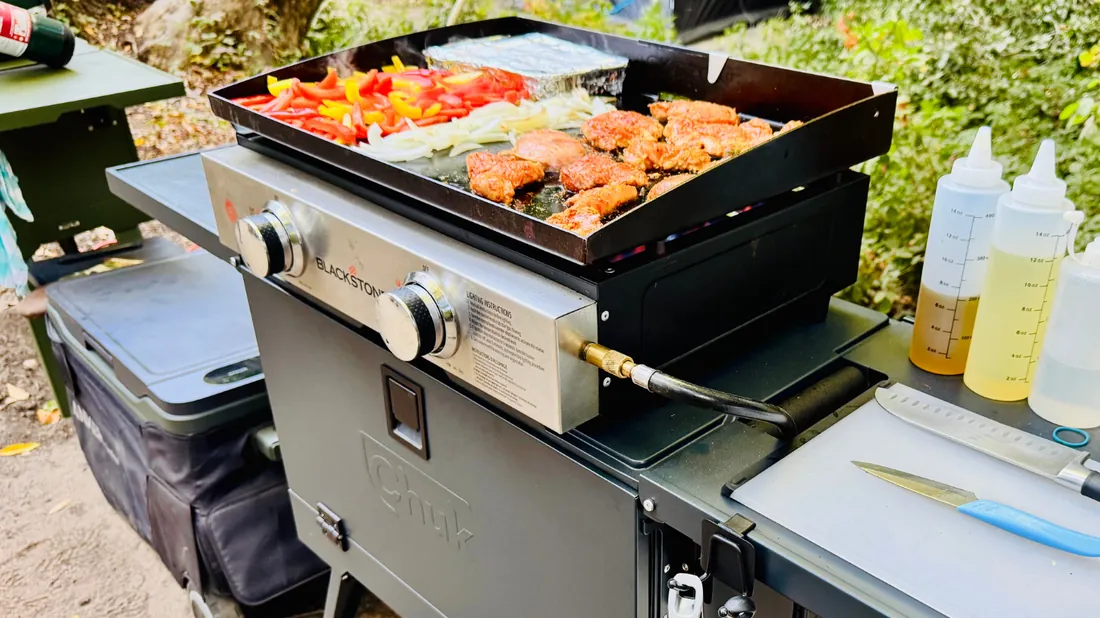
To manage camping griddle meal prep effectively, you should cook and portion your proteins and vegetables at home, cooling them to below 40°F before packing them in an insulated cooler. You’ll save significant time at the campsite by having your ingredients pre-chopped, seasoned, and vacuum-sealed or stored in airtight, leak-proof containers.
How to Prepare Your Meals for the Griddle

The key to successful outdoor cooking is minimizing the work you do once you arrive at your site. By doing the heavy lifting in your home kitchen, you ensure that you spend more time relaxing and less time cleaning up grease or chopping vegetables on a picnic table.
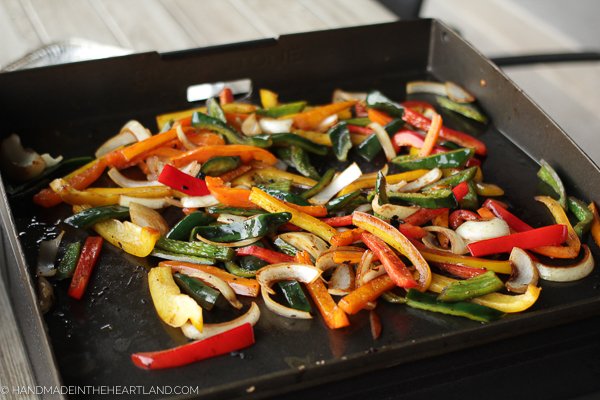
Wash and chop all fresh produce, such as onions, peppers, and zucchini, before you leave home to avoid carrying extra scraps. If you’re prepping delicate greens, store them in a hard-sided container to prevent bruising during transit.
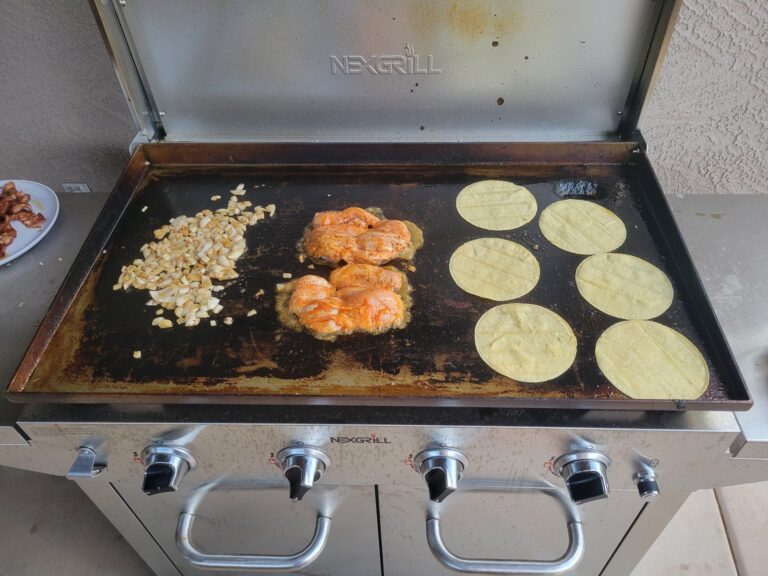
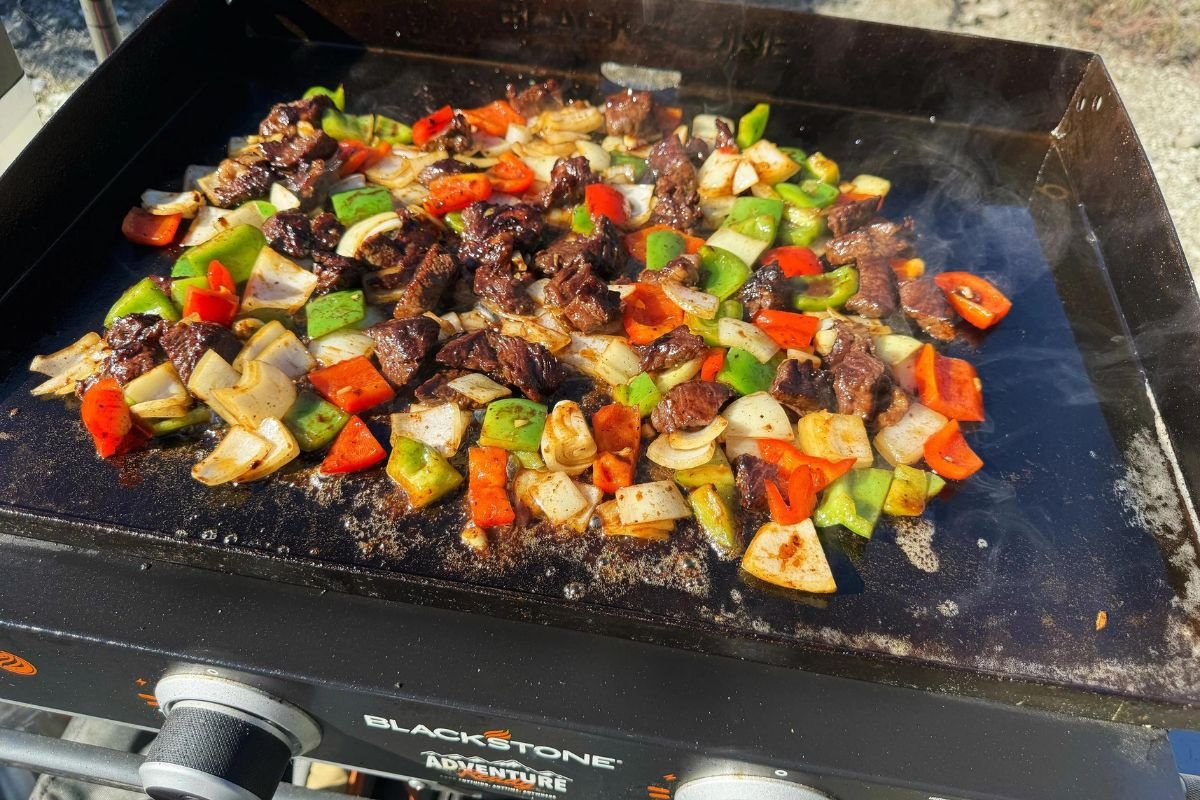
Pre-cook dense proteins like chicken or thick-cut sausages if you want to speed up the griddle process. Thin-sliced steak should be marinated and cooked fresh to maintain texture, as prolonged marination can alter the meat’s texture.
Portion your ingredients into clear, labeled bags or containers so you can grab exactly what you need for a single meal. If you’re cooking for a crowd, keep your dry seasonings in a single shaker bottle to save space.
Mix your sauces or dry spice blends in small, reusable jars to reduce the number of bottles you need to pack. If your recipe calls for oil, measure it into a leak-proof squeeze bottle to prevent spills in your cooler.
Keep everything cold by using block ice instead of cubes. Block ice melts significantly slower, which keeps your perishables at a food-safe temperature for up to 48 hours.
Pack your ingredients in the order you plan to cook them. Place the items for your final dinner at the very bottom of the cooler to keep them chilled longest.
Essential Food Safety Guidelines
When you move food from your home refrigerator to a campsite, the primary risk is bacterial growth during the transition. You must maintain a cold chain from the moment you pack your cooler until you move the food onto the hot griddle. According to FoodSafety.gov food storage guidelines, you should keep raw meat, poultry, and seafood in sealed containers to prevent juices from cross-contaminating other items in your cooler.
| Food Category | Prep Method | Storage Duration |
|---|---|---|
| Pre-cooked meat | Vacuum seal or airtight bag | 2 days |
| Chopped vegetables | Airtight container | 3 days |
| Raw marinated steak | Leak-proof bag | 24 hours |
| Pre-mixed sauces | Small glass or plastic jar | 1 week |
Pack your cooler using the “bottom-up” rule: place frozen water jugs at the base, followed by raw proteins, then produce and perishables at the top. This prevents raw meat juices from dripping onto ready-to-eat items if a seal fails.
If your cooler temperature rises above 40°F for more than two hours, discard all perishable contents immediately. A common mistake is opening the lid too frequently to check items, which rapidly depletes your ice supply. Instead, organize your food by mealtime in separate, labeled bags to minimize time spent with the lid open. If you’re camping in temperatures exceeding 85°F, assume your ice will melt twice as fast and pack double the cooling capacity.
Common Mistakes That Ruin Prep
One frequent mistake is over-packing the cooler, which prevents air from circulating and keeps the temperature above the 40°F safety limit. If the cooler is stuffed to the brim, the ice can’t keep the center items cold enough to stop spoilage. Aim to fill only 75 percent of the cooler’s capacity with food, leaving the remaining space for ice blocks.
Another common error is failing to dry your pre-chopped vegetables thoroughly. If you wash them and pack them while wet, they will turn into mush long before you reach your destination. Always use paper towels to remove excess moisture before bagging your greens.
Don’t ignore the weight of your prepped meals. If you’re hiking to a remote site, heavy glass jars and thick plastic containers add unnecessary strain. Switch to lightweight, reusable silicone bags for your camping griddle meal prep to save space and reduce the weight of your pack significantly. If the container feels like a burden before you even leave the driveway, you’ll inevitably leave it behind or regret carrying it once you hit the trail.
Frequently Asked Questions
Can I freeze my prepped meals before heading out?
Yes, freezing your pre-cooked proteins and marinated meats acts as extra ice in your cooler. It helps keep the rest of your items cold for longer, and the food will thaw naturally as you travel, making it ready to hit the griddle exactly when you need it.
How do I handle leftovers safely at the campsite?
You should discard any leftovers that have been sitting out for more than two hours, or one hour if the air temperature is above 90°F. Never try to save perishable food that has been sitting in the heat, as the risk of foodborne illness is far too high.
Should I pre-season my meat before leaving home?
Yes, pre-seasoning your meat is an excellent way to save time and ensure the flavors have time to penetrate the protein. Just be aware that salt can draw moisture out of meat over time, so keep your salt-heavy rubs in a separate small container if you prefer a specific texture.
Conclusion
Start by testing your favorite recipes at home to see how they hold up after sitting in a cooler for 24 hours. Once you identify which ingredients stay fresh and which ones wilt, you can refine your menu to focus on sturdy vegetables and pre-marinated proteins for your next trip.
{“@context”:”https://schema.org”,”@type”:”FAQPage”,”mainEntity”:[{“@type”:”Question”,”name”:”Can I freeze my prepped meals before heading out?”,”acceptedAnswer”:{“@type”:”Answer”,”text”:”Yes, freezing your pre-cooked proteins and marinated meats acts as extra ice in your cooler. It helps keep the rest of your items cold for longer, and the food will thaw naturally as you travel, making it ready to hit the griddle exactly when you need it.”}},{“@type”:”Question”,”name”:”How do I handle leftovers safely at the campsite?”,”acceptedAnswer”:{“@type”:”Answer”,”text”:”You should discard any leftovers that have been sitting out for more than two hours, or one hour if the air temperature is above 90°F. Never try to save perishable food that has been sitting in the heat, as the risk of foodborne illness is far too high.”}},{“@type”:”Question”,”name”:”Should I pre-season my meat before leaving home?”,”acceptedAnswer”:{“@type”:”Answer”,”text”:”Yes, pre-seasoning your meat is an excellent way to save time and ensure the flavors have time to penetrate the protein. Just be aware that salt can draw moisture out of meat over time, so keep your salt-heavy rubs in a separate small container if you prefer a specific texture.”}}]}
I am an outdoor enthusiast and gear researcher passionate about camping, hiking, backpacking, and outdoor adventures. I enjoy testing gear, comparing products, and sharing practical advice to help readers make informed decisions. At BestOutsideGear, I create honest gear reviews, buying guides, and outdoor tips to help adventurers choose the right equipment with confidence.