Portable Griddle vs Portable Grill: Which One Is Right for You
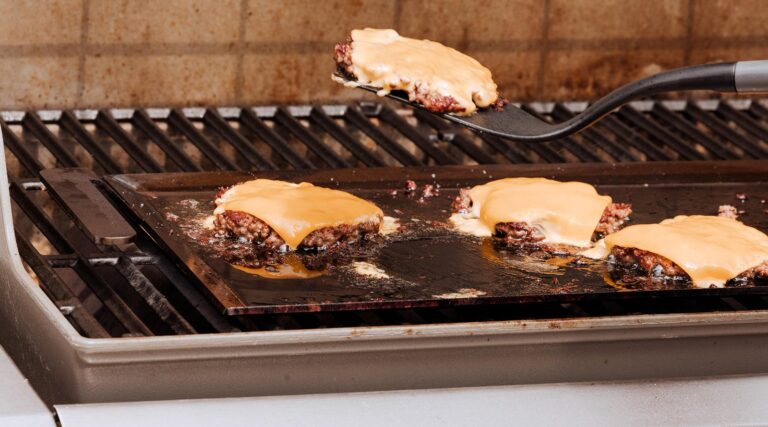
Choosing between a portable griddle and a portable grill depends on whether you want a flat, solid cooking surface for eggs and pancakes or an open grate for searing meat with flame-kissed flavor. A griddle works best for versatile, small-cut foods, while a grill provides the high-heat char and fat drainage necessary for traditional burgers, steaks, and charred vegetables.
Choosing Between a Portable Griddle and Grill
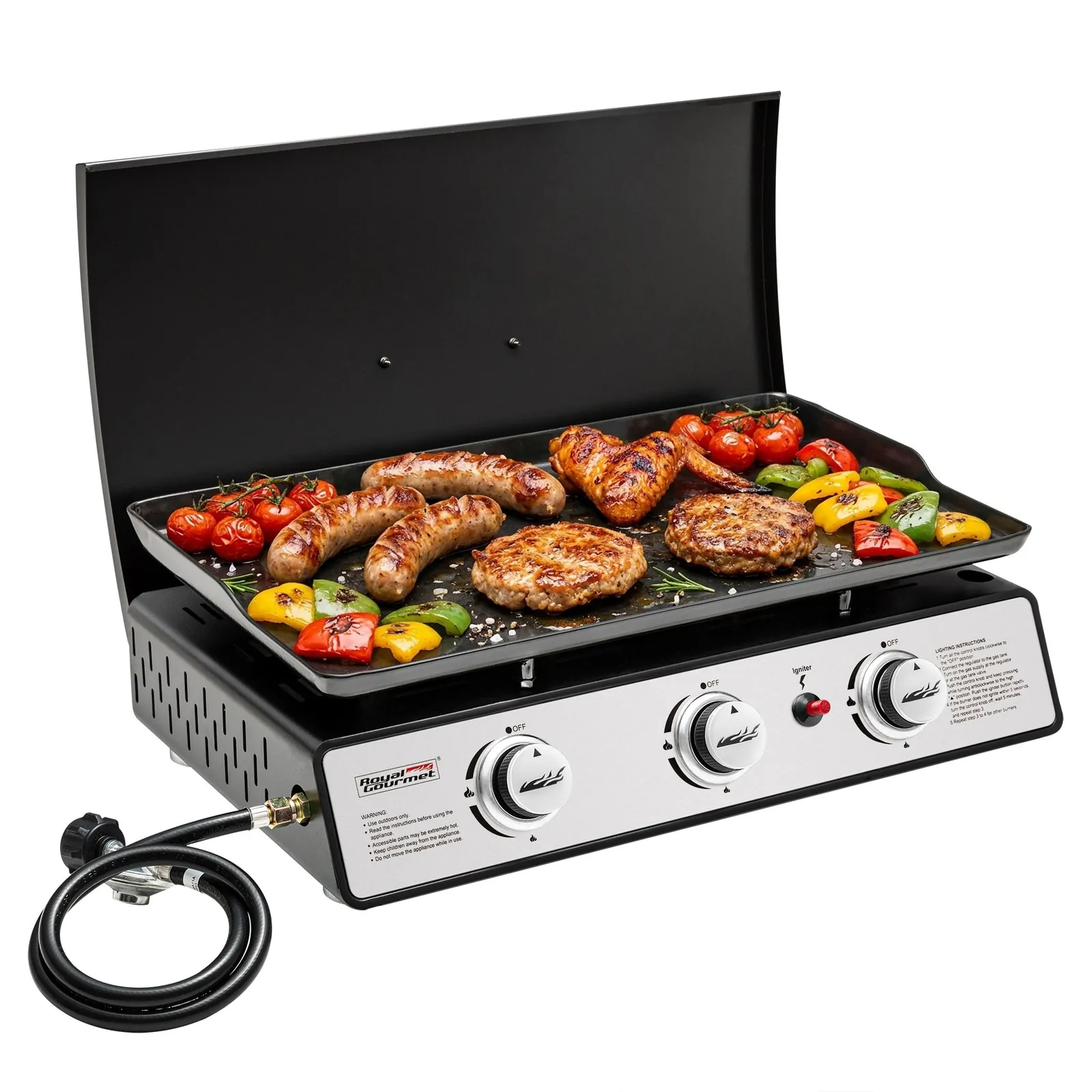
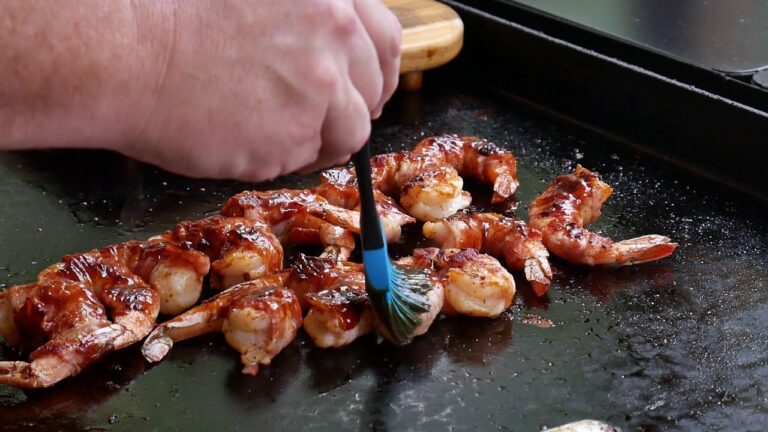
Selecting the right tool depends on your primary cooking style. If you enjoy breakfast outdoors or need to cook foods that would fall through standard grates, a flat surface is your best bet. If you prefer the smoky profile and grill marks that come from direct contact with flames, you’ll want a traditional grate.
| Feature | Portable Griddle | Portable Grill |
|---|---|---|
| Surface | Solid, flat steel plate | Open metal grates |
| Best For | Eggs, stir-fry, pancakes | Steaks, burgers, hot dogs |
| Fat Handling | Traps grease for flavor | Drains fat into heat source |
| Cleanup | Scrape and wipe surface | Scrub individual grate bars |
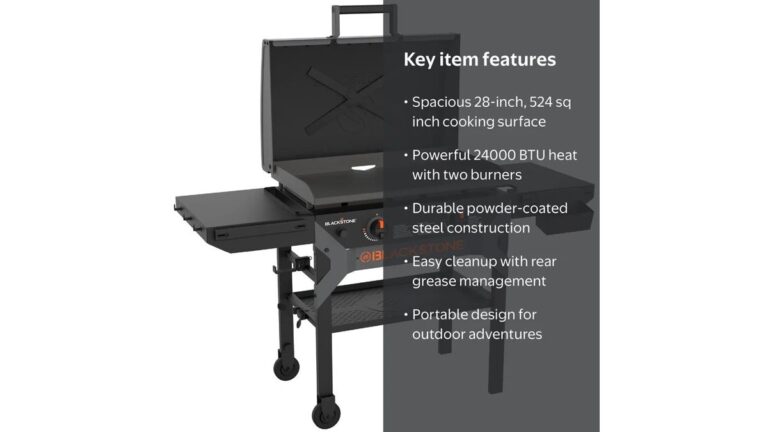
If you cook primarily for a crowd, choose a griddle with at least 300 square inches of surface area. This allows you to maintain a hot zone for searing and a cooler zone for resting finished items simultaneously.
Most buyers mistake the grill’s versatility for universal utility. If you primarily cook vegetables or thin-sliced proteins, a grill forces you to buy expensive grill mats or cast-iron pans, which insulate the food from the very fire you purchased the unit to access.
If you prioritize high-heat searing, choose a grill; the open design allows for direct flame contact with the food. If you prioritize consistency, choose a griddle. Its thermal mass acts as a heat battery, minimizing the temperature drops that occur when you add cold, raw ingredients to the surface. When in doubt, look at your pantry. If your favorite meals involve chopped ingredients or liquids, the griddle is the only logical choice.
Is It Safe to Use These Indoors?
You must never use either device inside your home, garage, or any enclosed space. These units produce dangerous levels of carbon monoxide that accumulate rapidly in stagnant air. Because this gas is odorless and colorless, you won’t detect a leak until physical symptoms like dizziness or nausea begin. By then, the concentration is often high enough to cause loss of consciousness.
Always position your cooking unit at least 10 feet away from building walls, overhangs, or dry vegetation. A common mistake is moving the unit under a porch or carport during light rain. This traps heat and fumes against your structure, creating a severe fire risk and forcing exhaust back into your living space through windows or vents.
If you’re unsure about your ventilation, apply the “open-air” rule: if there’s a ceiling or wall within 10 feet of the unit, it isn’t safe. Even if you believe a garage is sufficiently ventilated because the door is partially raised, air circulation is rarely enough to clear the exhaust. Always prioritize placement in an open yard or on a clear, uncovered patio.
How to Maintain Your Cooking Surface
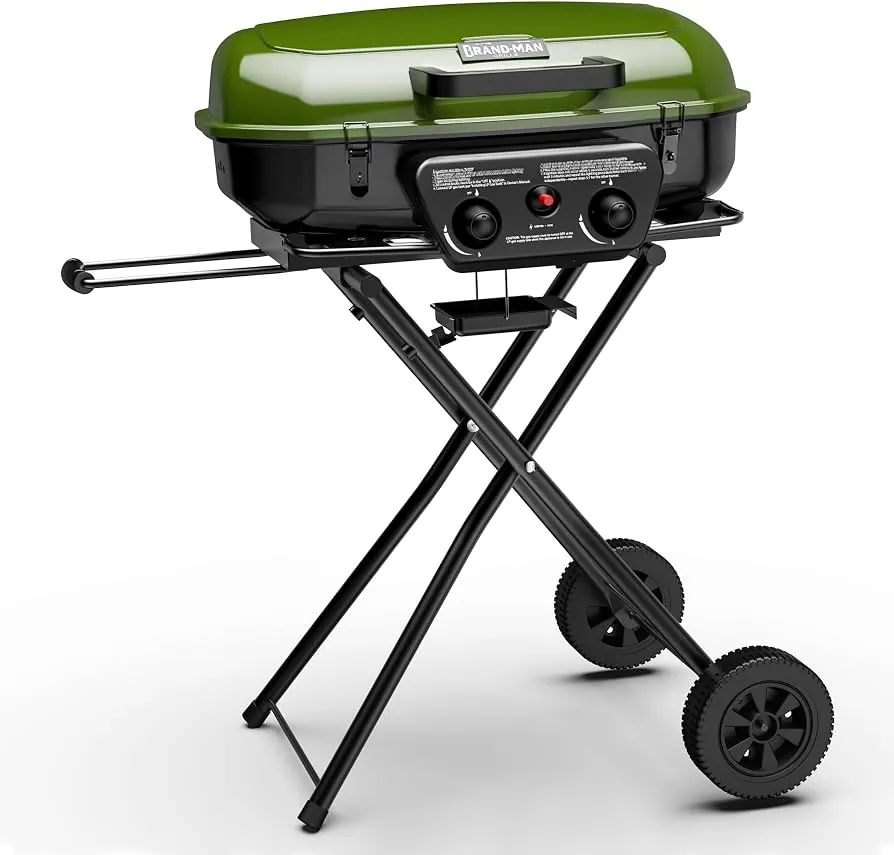
Proper care prevents rust and keeps your food from sticking to the metal. If you own a cast iron or rolled steel griddle, you’ll need to maintain a thin layer of oil, often called seasoning, to create a natural non-stick barrier. Grills require less seasoning but demand regular scrubbing to remove carbon buildup from the grate bars.
Scrape the surface while it’s still warm to remove food bits before they harden into a crust. A stiff stainless steel brush works best for heavy-duty grates, while a wooden scraper protects seasoned cast iron.
Use a high-smoke-point oil like grapeseed or canola to coat the metal after every use. Apply only a teaspoon of oil and buff it until the surface looks dry; leaving excess oil creates a sticky, gummy residue that attracts dust.
Inspect your fuel lines and regulators for signs of wear or cracking before every single cookout. If you smell gas or notice a yellow, flickering flame, shut the valve immediately. A yellow flame indicates incomplete combustion, which leaves soot on your food and signals a blocked venturi tube.
Keep your unit under a waterproof cover in a dry area to stop moisture from causing surface rust. If you live within five miles of the coast, the salt air will accelerate oxidation; in these climates, apply a light coat of oil even when the unit is stored.
If you notice deep pitting or structural cracks in your metal, stop using the unit. Persistent rust that remains after a thorough cleaning suggests the metal has degraded too far for safe food contact.
Related guides
Frequently Asked Questions
Can I convert a grill into a griddle?
Yes, you can place a flat-top metal insert directly onto your existing grill grates to mimic a griddle surface. This is a common solution for people who want the flexibility of both methods without buying two separate appliances for their outdoor kitchen setup.
Does a griddle use more fuel than a grill?
Generally, a griddle requires more fuel because the large, solid metal plate takes longer to reach an even temperature across its entire surface. A grill heats up faster since the flame directly contacts the food and the grates, leading to lower overall fuel consumption per meal.
How do I know if the metal is seasoned enough?
The surface should look dark, smooth, and slightly shiny, rather than dull or grey. If food sticks to the surface during cooking or if the metal starts to show patches of orange rust, you need to clean it thoroughly and apply another thin layer of oil.
Conclusion
Decide based on your most frequent meal choice rather than occasional needs. If you prioritize breakfast foods and stir-fries, invest in a quality griddle; if you crave classic char and smoky sear marks, stick with a traditional grill. Ensure you have adequate storage space for the unit you choose to keep it protected from the elements.
{“@context”:”https://schema.org”,”@type”:”FAQPage”,”mainEntity”:[{“@type”:”Question”,”name”:”Can I convert a grill into a griddle?”,”acceptedAnswer”:{“@type”:”Answer”,”text”:”Yes, you can place a flat-top metal insert directly onto your existing grill grates to mimic a griddle surface. This is a common solution for people who want the flexibility of both methods without buying two separate appliances for their outdoor kitchen setup.”}},{“@type”:”Question”,”name”:”Does a griddle use more fuel than a grill?”,”acceptedAnswer”:{“@type”:”Answer”,”text”:”Generally, a griddle requires more fuel because the large, solid metal plate takes longer to reach an even temperature across its entire surface. A grill heats up faster since the flame directly contacts the food and the grates, leading to lower overall fuel consumption per meal.”}},{“@type”:”Question”,”name”:”How do I know if the metal is seasoned enough?”,”acceptedAnswer”:{“@type”:”Answer”,”text”:”The surface should look dark, smooth, and slightly shiny, rather than dull or grey. If food sticks to the surface during cooking or if the metal starts to show patches of orange rust, you need to clean it thoroughly and apply another thin layer of oil.”}}]}
I am an outdoor enthusiast and gear researcher passionate about camping, hiking, backpacking, and outdoor adventures. I enjoy testing gear, comparing products, and sharing practical advice to help readers make informed decisions. At BestOutsideGear, I create honest gear reviews, buying guides, and outdoor tips to help adventurers choose the right equipment with confidence.