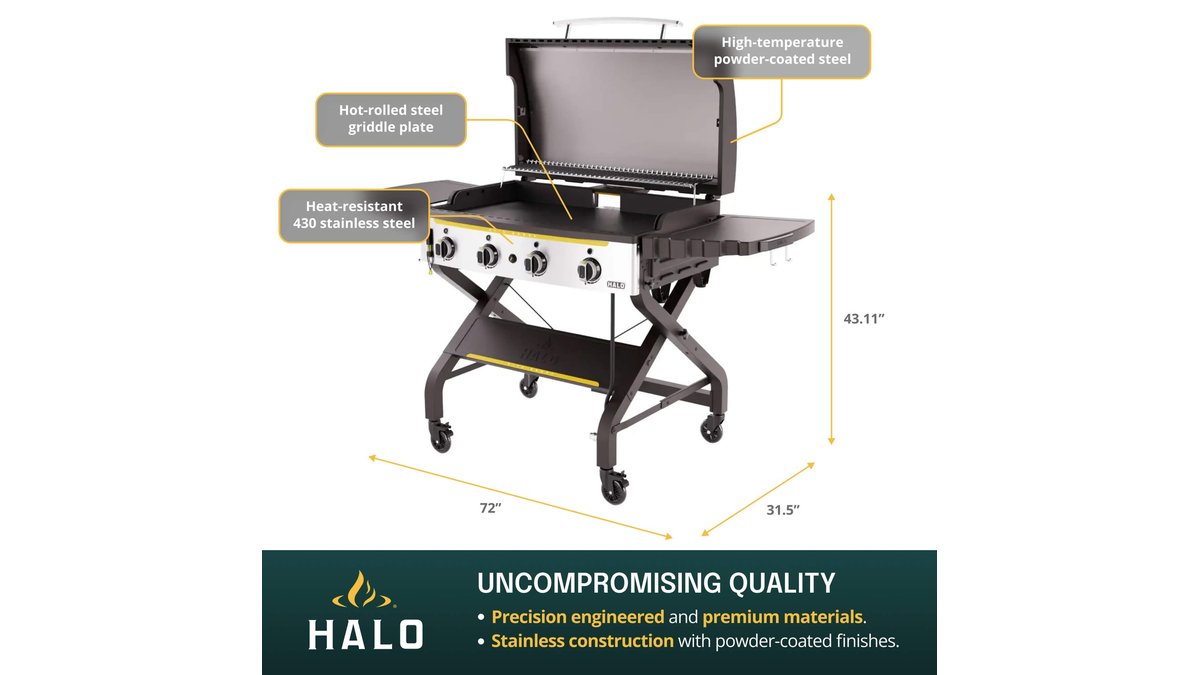
Cold Rolled Steel vs Stainless Griddle: Which One to Choose
Choosing between a cold rolled steel and stainless steel griddle depends on whether you prioritize natural non-stick performance or low-maintenance cleaning. While cold rolled steel is the choice for seasoned, high-heat cooking and professional-style searing, stainless steel provides a reactive-free surface that resists rust and withstands acidic ingredients without requiring a special coating.
How cold rolled steel and stainless steel differ
The primary difference lies in how these metals interact with food and heat. Cold rolled steel behaves like cast iron; it develops a dark, slick patina over time that prevents sticking. You must build and maintain this layer of carbonized oil to keep the surface effective. If you cook dishes with heavy fats or perform frequent high-heat searing, this material will reward your efforts with a superior, natural release.
Stainless steel, by contrast, is a passive material. It doesn’t require seasoning and is highly resistant to rust, though it can still corrode if exposed to harsh chemicals or high concentrations of salt. However, it lacks the natural non-stick qualities of carbonized oil.
Food is more likely to stick if you don’t use enough oil or if you fail to manage the heat properly. It’s the better choice if you frequently cook acidic foods like tomato sauces or lemon-based glazes that would strip the seasoning off a steel surface.
| Feature | Cold Rolled Steel | Stainless Steel |
|---|---|---|
| Seasoning | Required | Not required |
| Rust Risk | High (if not oiled) | None |
| Acid Resistance | Poor | Excellent |
| Cleaning | Gentle/Dry | Heavy-duty/Wet |
| Initial Cost | Lower | Higher |
How to Maintain Each Surface Properly
The way you clean your cooking surface determines its longevity. For cold rolled steel, you should avoid harsh detergents and soaking. After each use, scrape the surface while it’s still warm to remove charred bits. Wipe it clean with a paper towel and apply a very thin layer of high-smoke-point oil before storing it to prevent oxidation. If rust spots appear, you’ll need to scrub them away and re-season the entire surface.
Stainless steel allows for a much simpler routine. You can scrub it with abrasive pads and use soap or degreasers to remove every trace of residue. Because the metal doesn’t react with water or cleaning agents, you don’t need to worry about the surface finish degrading. When you cook, ensure the pan is preheated before adding oil, as this helps create a temporary thermal barrier that minimizes sticking on the smooth metal surface.
Tip: Always use a laser-guided infrared thermometer to check your surface temperature, as both materials distribute heat differently depending on their thickness and the burner type.
Is It Safe to Use Both Types at High Heat?
Both materials are perfectly safe for high-heat cooking, but they react to temperature changes in distinct ways. Cold rolled steel is incredibly durable and won’t warp under intense, direct flames, which is why it’s a staple in commercial kitchens.
Stainless steel can sometimes warp if it’s thin or if it experiences extreme thermal shock, such as dumping ice water onto a blazing hot surface. If your pan has a thick, multi-ply core, it will resist this distortion far better than a single-ply sheet.
Food equipment materials must be corrosion-resistant and non-toxic to ensure safe preparation standards. Stainless steel naturally meets these requirements without additional coatings, making it the standard for environments where sanitation is the top priority.
Carbon steel is equally food-safe, provided you maintain the seasoning layer to prevent metal leaching or rust contamination. If you notice the seasoning flaking into your food, strip the pan and re-season it immediately. Cooking acidic ingredients like tomatoes or wine on poorly seasoned carbon steel will strip the metal and leave a metallic taste in your dish.
How to Choose the Right Tool for Your Kitchen
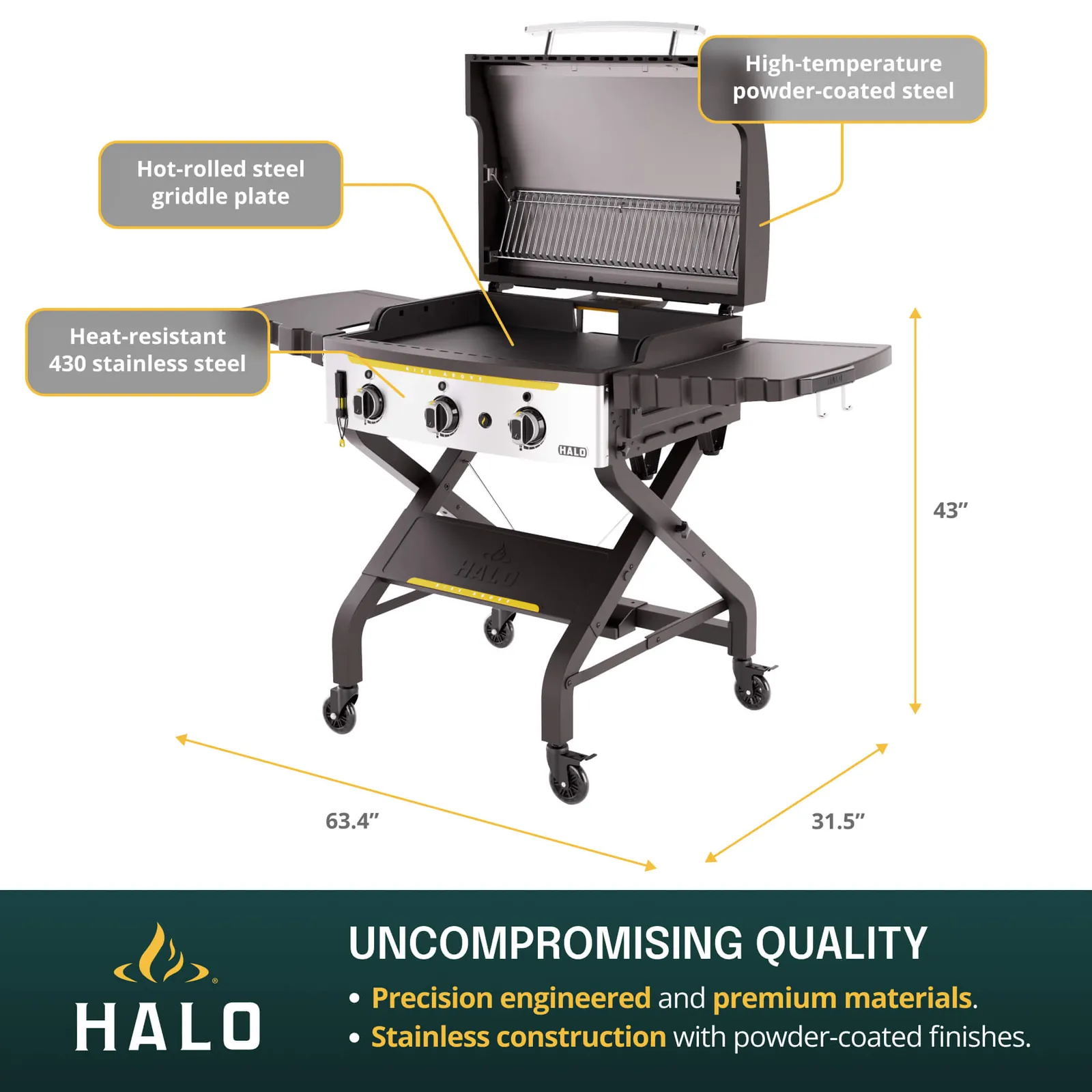
You should choose a cold-rolled steel griddle if you enjoy the process of maintaining your gear and want the best possible sear for steaks, burgers, or pancakes. It’s an investment in a surface that gets better the more you use it.
If you cook with tomatoes, lemon juice, or vinegar, avoid this material. Acidic ingredients strip away the polymerized oil layer, leaving your food with a metallic taste and your pan prone to rust. If you see grey streaks appearing on your food, you have stripped the seasoning and must start the process over.
Select a stainless steel griddle if you value convenience and versatility above all else. It’s the superior choice for a busy home cook who wants to switch between different types of cuisines without worrying about seasoning maintenance or flavor transfer.
While you’ll pay more upfront, the time you save on cleaning and the assurance regarding rust make it a reliable workhorse. If your priority is a low-maintenance surface that survives harsh scrubbing, stainless steel is a logical path, though you should verify if your specific pan is dishwasher safe. Choose this if you cook for a large family and need to pivot quickly between dinner and breakfast.
Related guides
Frequently Asked Questions
Can I use metal utensils on these griddles?
Yes, you can use metal spatulas on both surfaces without damaging the metal itself. However, be careful with cold rolled steel, as sharp edges might accidentally scrape away the thin, protective seasoning layer you have worked to build up.
Will a cold rolled steel griddle rust if I live in a humid climate?
Yes, it will rust very quickly if it isn’t kept dry and protected by a thin layer of oil. If you live in a damp area, store the griddle in a dry place and check it regularly for signs of orange oxidation.
Does stainless steel heat up as fast as cold rolled steel?
No, stainless steel typically has lower thermal conductivity than carbon steel, causing it to heat more slowly. Many manufacturers bond an aluminum or copper core into the center of the stainless steel to improve heat distribution.
Conclusion
Ultimately, your decision comes down to how much time you want to spend on upkeep. If you don’t mind building up a seasoned layer, go for steel; otherwise, choose stainless for a worry-free experience. Pick the one that fits your cooking style best, and you’ll be ready to start grilling tonight.
{“@context”:”https://schema.org”,”@type”:”FAQPage”,”mainEntity”:[{“@type”:”Question”,”name”:”Can I use metal utensils on these griddles?”,”acceptedAnswer”:{“@type”:”Answer”,”text”:”Yes, you can use metal spatulas on both surfaces without damaging the metal itself. However, be careful with cold rolled steel, as sharp edges might accidentally scrape away the thin, protective seasoning layer you have worked to build up.”}},{“@type”:”Question”,”name”:”Will a cold rolled steel griddle rust if I live in a humid climate?”,”acceptedAnswer”:{“@type”:”Answer”,”text”:”Yes, it will rust very quickly if it isn’t kept dry and protected by a thin layer of oil. If you live in a damp area, store the griddle in a dry place and check it regularly for signs of orange oxidation.”}},{“@type”:”Question”,”name”:”Does stainless steel heat up as fast as cold rolled steel?”,”acceptedAnswer”:{“@type”:”Answer”,”text”:”No, stainless steel typically has lower thermal conductivity than carbon steel, causing it to heat more slowly. Many manufacturers bond an aluminum or copper core into the center of the stainless steel to improve heat distribution.”}}]}
I am an outdoor enthusiast and gear researcher passionate about camping, hiking, backpacking, and outdoor adventures. I enjoy testing gear, comparing products, and sharing practical advice to help readers make informed decisions. At BestOutsideGear, I create honest gear reviews, buying guides, and outdoor tips to help adventurers choose the right equipment with confidence.