How to Use a Campfire Griddle for Better Outdoor Cooking
A heavy-duty metal plate, often called a campfire griddle, provides a flat surface for cooking outdoors by distributing heat evenly across an open flame. You’ll find these tools are usually made of cast iron or carbon steel, allowing you to fry eggs, sear steaks, or toast bread directly over your fire pit or gas burner.
How to use a campfire griddle

Cooking on a metal sheet requires careful heat management because fire intensity fluctuates more than a kitchen stove. You’ll get the best results by creating two distinct zones: a hot side for searing and a cooler side for slow cooking or keeping food warm.
- Season the surface: Wipe a thin layer of vegetable oil over the metal and heat it until it smokes, which creates a natural non-stick coating.
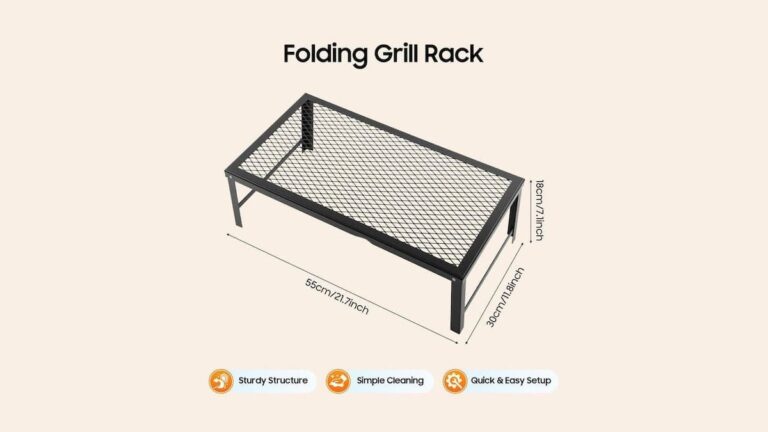
- Level your support: Place your metal sheet on a stable grate or stones so it sits flat, preventing oil and grease from pooling on one side.
- Preheat slowly: Build a medium fire and let the metal warm up for 10 minutes before adding any food to ensure even cooking temperatures across the entire width.
- Manage the flame: Keep your fire to glowing coals rather than large, licking flames, as direct high heat can cause thin metal to warp or burn your food quickly.
- Clean while warm: Use a flat scraper to remove food bits immediately after cooking, then wipe the surface with a dry cloth while it’s still warm.
Comparing common metal types
Choosing the right material depends on how much weight you want to carry and how much maintenance you’re willing to do. Cast iron holds heat longer, while carbon steel responds faster to changes in temperature.
| Material | Weight | Heat Retention | Best Use |
|---|---|---|---|
| Cast Iron | Heavy | High | Long, slow searing |
| Carbon Steel | Moderate | Medium | Fast, high-heat frying |
| Aluminum | Light | Low | Boiling or light warming |
If you’re searing a thick steak, choose cast iron to ensure the surface temperature doesn’t drop when the meat hits the pan. Use carbon steel for delicate items like eggs where you need to adjust heat instantly to prevent burning.
Avoid aluminum for acidic ingredients like tomato sauce, as the metal can leach into your food and alter the flavor. If your pan develops a metallic taste, you’re likely using the wrong alloy for that dish. Always prioritize carbon steel for daily high-heat cooking to save your wrists from the strain of heavy cast iron.
How to avoid common cooking mistakes
The most frequent error is placing cold food onto a surface that hasn’t reached an even temperature yet. This causes sticking and uneven browning. If you notice your food is burning in the center but raw on the edges, your fire is likely too concentrated in one spot. Move your coals toward the perimeter of the cooking area to widen the heat zone.
Another mistake involves using metal utensils on a seasoned surface. While cast iron is durable, vigorous scraping can strip away the protective layer you’ve built up. Use a wooden spatula or a heat-resistant silicone tool to keep the surface smooth and prevent rust.
Always store your gear in a dry place, as moisture is the primary enemy of bare iron, according to FoodSafety.gov. If you see orange spots, scrub them away with steel wool and re-season the metal before your next trip.
Is it safe to leave a metal sheet on the fire?
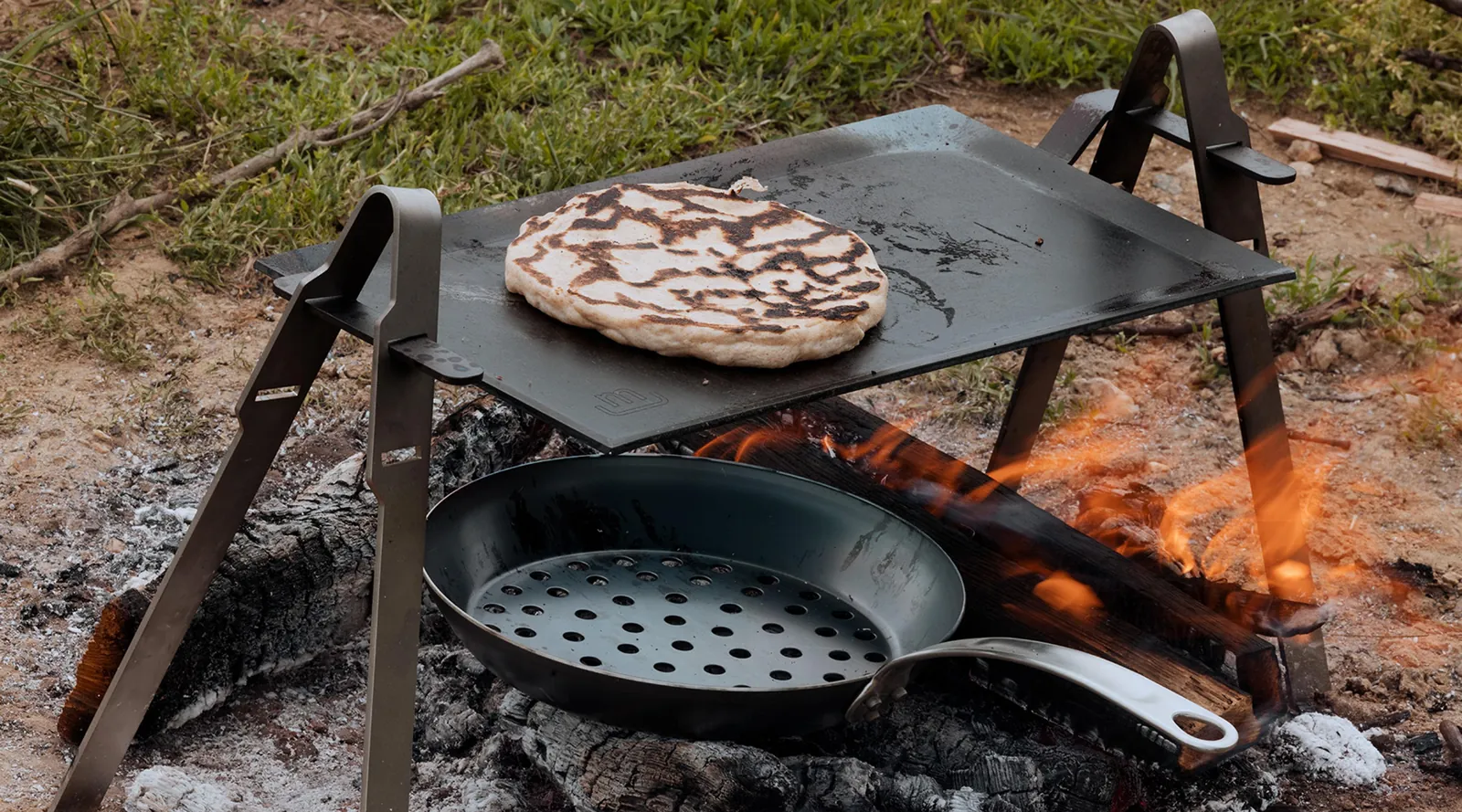
It’s generally safe to leave metal over an open fire as long as the material is thick enough to handle high temperatures without melting or collapsing. Use steel at least 1/8-inch thick; anything thinner will warp under intense heat, causing your food to slide directly into the flames.
You should never leave a cooking surface unattended, as grease buildup can ignite if the fire flares up unexpectedly. If the metal starts to smoke or smell like burning chemicals, remove it immediately. This often indicates a factory-applied coating or galvanized finish that releases toxic fumes when heated.
Ensure your support structure is sturdy enough to hold the weight of the metal and your food. A tipping plate can cause severe burns or start an uncontrolled fire. Always test the stability of your rocks or logs before adding weight.
Related guides
- Master Outdoor Cooking Guide Using Camping Pans
- Benefits of Camping Pans | Essential Tips for Outdoor Cooking
- How to Cook Anywhere With Camping Pans While Travel
Frequently Asked Questions
Do I need to wash my cooking plate with soap?
You don’t need soap, and using it often can strip the seasoning layer you’ve worked to build. A simple scrape and a hot water rinse are enough to clean the surface after each use, followed by a light coat of oil to prevent rust.
Can I use a regular kitchen pan instead?
You shouldn’t use standard kitchen pans because they often feature handles with plastic or rubber coatings that will melt over a campfire. Stick to solid metal tools that are designed to handle direct flame exposure without any synthetic parts.
What should I do if the surface starts to rust?
Rust happens when moisture sits on the metal, but it isn’t permanent. Scrub the rust off with a scouring pad until you reach bare metal, wash it with water, dry it thoroughly over the fire, and apply a fresh, thin coat of oil.
Conclusion
Before your next trip, practice heating your metal surface on a home stove to learn how it reacts to different flame settings. This experience helps you judge the right amount of wood or charcoal needed to reach the perfect cooking temperature without burning your meal.
{“@context”:”https://schema.org”,”@type”:”FAQPage”,”mainEntity”:[{“@type”:”Question”,”name”:”Do I need to wash my cooking plate with soap?”,”acceptedAnswer”:{“@type”:”Answer”,”text”:”You don’t need soap, and using it often can strip the seasoning layer you’ve worked to build. A simple scrape and a hot water rinse are enough to clean the surface after each use, followed by a light coat of oil to prevent rust.”}},{“@type”:”Question”,”name”:”Can I use a regular kitchen pan instead?”,”acceptedAnswer”:{“@type”:”Answer”,”text”:”You shouldn’t use standard kitchen pans because they often feature handles with plastic or rubber coatings that will melt over a campfire. Stick to solid metal tools that are designed to handle direct flame exposure without any synthetic parts.”}},{“@type”:”Question”,”name”:”What should I do if the surface starts to rust?”,”acceptedAnswer”:{“@type”:”Answer”,”text”:”Rust happens when moisture sits on the metal, but it isn’t permanent. Scrub the rust off with a scouring pad until you reach bare metal, wash it with water, dry it thoroughly over the fire, and apply a fresh, thin coat of oil.”}}]}
I am an outdoor enthusiast and gear researcher passionate about camping, hiking, backpacking, and outdoor adventures. I enjoy testing gear, comparing products, and sharing practical advice to help readers make informed decisions. At BestOutsideGear, I create honest gear reviews, buying guides, and outdoor tips to help adventurers choose the right equipment with confidence.