Pit Boss vs Blackstone Tabletop Griddle: Which One Is Best
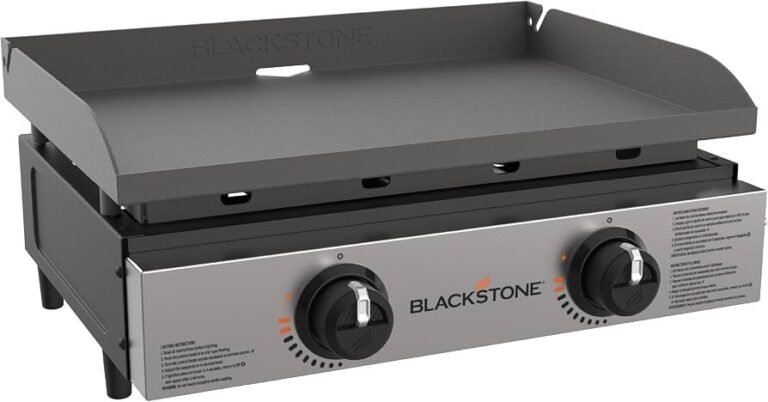
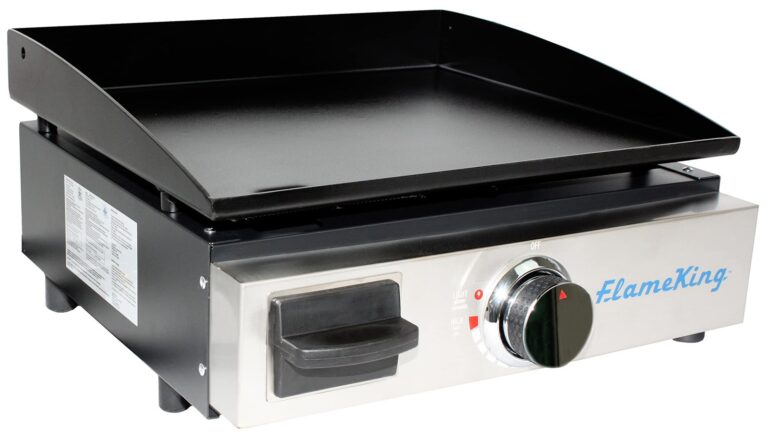
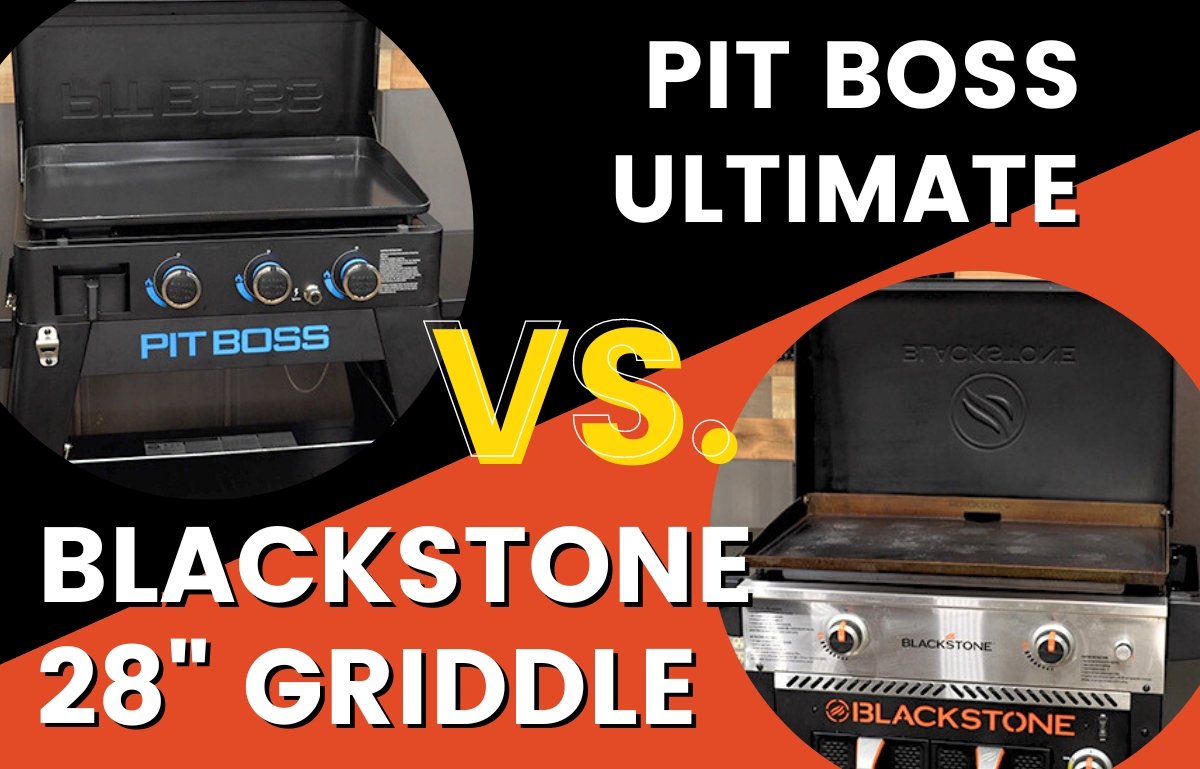
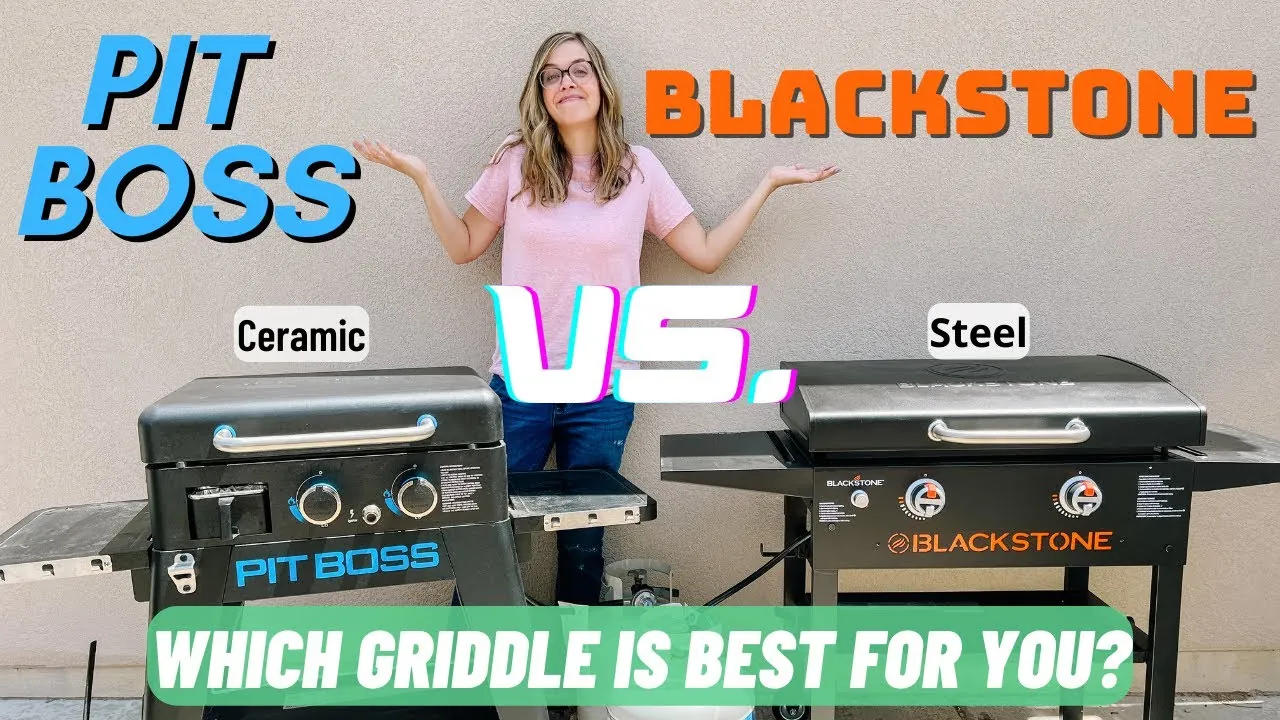
Choosing between a pit boss and a blackstone tabletop griddle depends on whether you value heavy-duty construction or lightweight portability. Both brands offer reliable heating and even cooking surfaces, but Blackstone generally provides a wider range of sizes and accessories, while Pit Boss often includes more robust cast-iron components and integrated grease management features that simplify cleanup.
Choosing between Pit Boss and Blackstone griddles

Selecting the right unit requires looking at how you plan to use it. If you’re camping or moving your gear frequently, you’ll want a model that’s easy to lift and fits into a standard vehicle trunk. If you’re keeping it on a patio, you might prefer a heavier build that stays put during high winds or heavy use.
- Check the cooking area: Measure your available counter or table space before buying to ensure the unit fits safely.
- Evaluate the material: Decide if you prefer rolled steel, which requires regular seasoning, or pre-seasoned options that are ready to use immediately.
- Assess the ignition: Look for models with a simple push-button start to avoid dealing with manual lighting tools in windy conditions.
- Consider the fuel: Ensure you have access to the correct propane tank size, as some tabletop models use small canisters while others require adapters for large tanks.
Tip: Always place your griddle on a level, non-combustible surface to ensure the grease drains correctly into the collection tray.
Comparing Key Features and Specifications
When looking at these two brands, the differences often come down to how the heat is distributed and how the grease is handled. The following table highlights the primary differences you should consider before making a purchase.
| Feature | Blackstone Tabletop | Pit Boss Tabletop |
|---|---|---|
| Material | Cold-rolled steel | Cast iron or steel |
| Grease System | Rear or side drain | Front or rear reservoir |
| Heat Control | Independent zones | Single or dual control |
| Weight | 15–35 lbs | 20–45 lbs |
| Portability | High | Medium |
Choose the rear-drain system if you cook high-fat meats like bacon, as it prevents grease buildup on the cooking surface. Front-reservoir models are easier to clean mid-cook but often require a wider footprint on your table.
If you prioritize searing, select cast iron for its superior heat retention. Steel surfaces heat faster, making them ideal for quick breakfast scrambles or stir-fries. Beginners often mistake weight for quality, but a heavier unit is only an advantage if you never plan to move it from your patio. If you travel, stick to the lighter steel models to save your back.
Is It Safe to Use These Units on Wooden Tables?
It’s generally not safe to place a tabletop griddle directly on a wooden surface without a heat-resistant barrier. These appliances generate intense heat at the base, which can scorch, warp, or ignite wood over time. You should always use a non-combustible mat or a dedicated metal stand designed for high-temperature cooking appliances.
If you’re unsure whether your unit requires a barrier, perform the “hand test” after ten minutes of preheating. If the table surface directly beneath the unit feels hot to the touch, you must use a non-combustible, heat-rated stand or a dedicated heat-shielding platform. Never rely on the built-in feet alone. Many users mistake short rubber feet for sufficient insulation, but these often conduct heat directly into the wood grain.
Plastic or composite surfaces pose an even greater risk, as they can soften or melt at temperatures as low as 200 degrees Fahrenheit. Always check your manual for specific clearance requirements. If the manufacturer suggests a minimum of four inches of airflow, don’t attempt to bypass this by placing the unit on a thin tray. A failure to follow these clearances often voids your warranty and creates a genuine fire hazard.
Common Mistakes That Ruin Your Griddle
Many users struggle because they don’t prepare the surface properly before their first cook. If you skip the seasoning process, food will stick, and the metal may begin to rust when exposed to moisture. You should apply a thin layer of high-smoke-point oil and heat it until it smokes, repeating this process at least three times to build a durable, non-stick layer.
Another mistake is using harsh cleaners or abrasive scrubbers on the cooking surface. These tools can strip away your hard-earned seasoning layer and expose the raw metal to the air. Instead, use a simple scraper to remove food bits while the unit is still warm, and wipe it down with a damp cloth once it has completely cooled.
You may use a small amount of mild dish soap if necessary to clean the surface, provided you rinse it thoroughly and re-oil the metal immediately after drying.
Frequently Asked Questions
Can I use these griddles indoors?
No, you should never use a propane-fueled griddle inside your home, garage, or any enclosed space. These appliances produce carbon monoxide, which is a colorless and odorless gas that can reach dangerous levels very quickly in areas without proper outdoor ventilation.
How do I prevent the surface from rusting?
You prevent rust by keeping the metal surface coated with a thin layer of oil after every use. Once you finish cooking and cleaning, wipe the entire surface with a light coat of cooking oil and store the unit in a dry, covered area to protect it from humidity.
Are the parts interchangeable between brands?
No, most parts like grease trays, heat shields, and regulators are specific to the manufacturer and model. You should only purchase replacement parts that are explicitly listed as compatible with your exact model number to ensure a safe and proper fit for your machine.
Conclusion
Before you commit to a model, verify your local fuel regulations if you plan to use it in public parks or campgrounds. Stick to a simple model if you’re a beginner to avoid complex maintenance, and always prioritize a stable, non-combustible surface for your cooking area to ensure safety.
{“@context”:”https://schema.org”,”@type”:”FAQPage”,”mainEntity”:[{“@type”:”Question”,”name”:”Can I use these griddles indoors?”,”acceptedAnswer”:{“@type”:”Answer”,”text”:”No, you should never use a propane-fueled griddle inside your home, garage, or any enclosed space. These appliances produce carbon monoxide , which is a colorless and odorless gas that can reach dangerous levels very quickly in areas without proper outdoor ventilation.”}},{“@type”:”Question”,”name”:”How do I prevent the surface from rusting?”,”acceptedAnswer”:{“@type”:”Answer”,”text”:”You prevent rust by keeping the metal surface coated with a thin layer of oil after every use. Once you finish cooking and cleaning, wipe the entire surface with a light coat of cooking oil and store the unit in a dry, covered area to protect it from humidity.”}},{“@type”:”Question”,”name”:”Are the parts interchangeable between brands?”,”acceptedAnswer”:{“@type”:”Answer”,”text”:”No, most parts like grease trays, heat shields, and regulators are specific to the manufacturer and model. You should only purchase replacement parts that are explicitly listed as compatible with your exact model number to ensure a safe and proper fit for your machine.”}}]}
I am an outdoor enthusiast and gear researcher passionate about camping, hiking, backpacking, and outdoor adventures. I enjoy testing gear, comparing products, and sharing practical advice to help readers make informed decisions. At BestOutsideGear, I create honest gear reviews, buying guides, and outdoor tips to help adventurers choose the right equipment with confidence.