Tabletop Griddle vs Freestanding Griddle: Which One to Choose
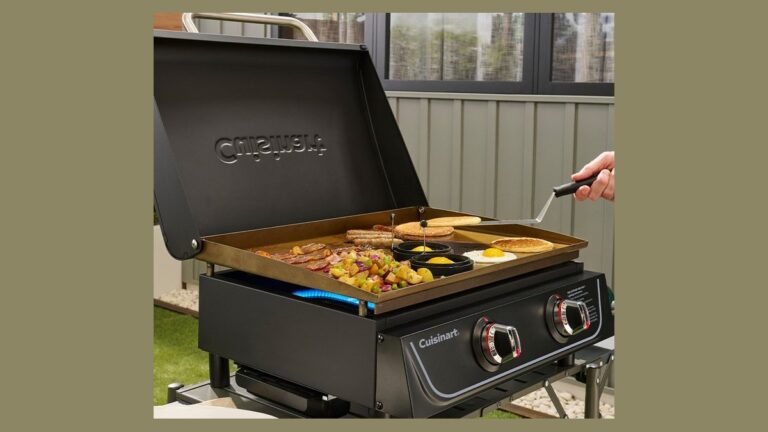
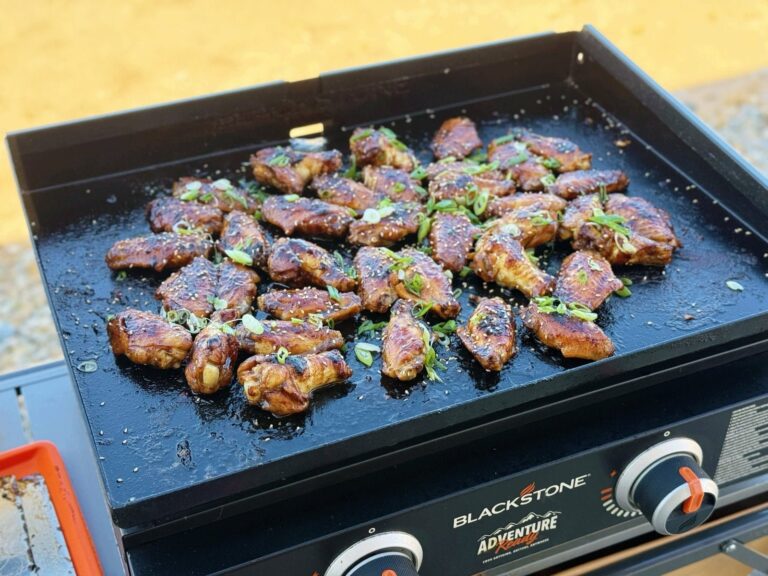
A tabletop griddle is a compact, portable cooking surface that sits on existing counters, while a freestanding griddle is a heavy-duty, floor-standing unit with its own legs or a dedicated cabinet base. You’ll choose a tabletop model if you have limited space or need mobility, whereas a freestanding unit provides the stability and power required for high-volume, professional-style cooking.
Choosing between a tabletop or freestanding griddle

The primary difference lies in your kitchen footprint and the amount of food you need to cook at once. Tabletop units are ideal for home kitchens, small apartments, or outdoor patios because they don’t require permanent installation. In contrast, freestanding models occupy a fixed spot on your floor, often featuring built-in grease management systems and higher heat output that suits large families or frequent hosting.
The tall profile of a floor unit often interferes with overhead storage or low-hanging lighting fixtures.
If you cook for more than six people at once, the tabletop unit will likely frustrate you. You’ll run out of surface area quickly, forcing you to cook in batches that leave the first portions cold. In this case, the larger surface of a freestanding unit is mandatory for efficiency.
If you plan to store the unit after every use, stick to the tabletop version. Freestanding units often weigh over 150 pounds, making them permanent fixtures once assembled. Attempting to move a heavy unit frequently can damage both your floor and the griddle’s internal gas lines.
| Feature | Tabletop Griddle | Freestanding Griddle |
|---|---|---|
| Installation | Plug-and-play | Requires floor space |
| Portability | High | None |
| Storage | Fits in cabinets | Fixed location |
| Power Output | Moderate | High |
Before purchasing a large freestanding unit, ensure your floor can support the weight and that you have adequate ventilation. These high-heat appliances generate significant smoke and grease vapors that will stain indoor ceilings if not properly exhausted.
When Is It Safe to Use Each Type?
Safety depends on the surface beneath the unit and the available clearance around the heat source. Tabletop griddles must sit on a heat-resistant, level surface like a stainless steel table or a stone countertop. You shouldn’t place them on wooden or plastic tables, as the heat radiating downward can warp or ignite the material over long periods.
If your workspace lacks stone or metal, place a flame-retardant silicone mat or a dedicated heat-shielding board under the unit. This simple barrier prevents thermal transfer that often ruins laminate or wood finishes after just thirty minutes of high-heat operation.
Freestanding griddles usually include heat shields or legs that keep the hot components far from the floor, but they still require a non-flammable area. Maintain a clearance of at least twelve inches from any wall or partition to allow for proper airflow. If the unit is positioned too close to a wall, heat builds up rapidly and can trigger internal thermal cutoffs or melt nearby electrical housing.
Keep both types away from curtains, paper towels, and other flammable kitchen items. Always check that the cord length for electric models is sufficient to reach an outlet without creating a tripping hazard. If you must use an extension cord, ensure it’s rated for the griddle’s specific wattage to prevent dangerous voltage drops.
Common Mistakes That Ruin Your Cooking

Many people underestimate the importance of the power source and the recovery time of the cooking plate. A common mistake is buying a high-capacity griddle for a standard residential outlet, which might trip your breaker if the appliance draws more power than the circuit provides. Always check the wattage on the manufacturer’s label against your kitchen’s electrical capacity. If your griddle exceeds 1,800 watts, it likely requires a dedicated 20-amp circuit to function without constant interruptions.
Another error involves ignoring the weight of the cooking surface. Cast iron or thick steel plates take longer to heat up, but they hold temperature better than thin, lightweight aluminum. If you’re cooking for a crowd, a plate with low thermal mass will lose heat quickly when you drop cold food onto it, leading to steamed rather than seared ingredients. Ensure your chosen model has enough thermal mass to maintain a steady temperature during continuous use.
If you’re searing proteins, prioritize a plate at least 3/8-inch thick. Thinner surfaces are fine for pancakes or eggs, but they fail when tasked with high-heat tasks.
Related guides
- Pole Vs Frame Wedding Tents: Which Is Best for Your Big Day?
- Cot Vs Air Mattress Camping: Which Is Best for Outdoor Comfort?
Frequently Asked Questions
Can I convert a tabletop griddle into a freestanding one?
No, you shouldn’t attempt to modify a tabletop unit by mounting it on makeshift legs or unstable structures. These units are designed to disperse heat downward into a sturdy, heat-resistant surface, and altering their base can block airflow or increase the risk of the unit tipping over during use.
Do these griddles require a professional range hood?
Most home-use tabletop griddles don’t require a commercial hood, but you must use them in a well-ventilated area to prevent smoke buildup. Freestanding models often produce more grease and smoke, so if you’re installing one in a permanent kitchen, you’ll need a ventilation system that matches the appliance’s total heat output.
Is one type easier to clean than the other?
Tabletop models are generally easier to move to a sink for deep cleaning, while freestanding units often feature integrated grease troughs and drainage drawers that make daily maintenance simpler. If you choose a freestanding unit, ensure you have enough clearance around the sides to reach the grease trap and wipe down the exterior panels effectively.
Conclusion
Measure your available floor and counter space before making a decision, as the physical footprint of the unit dictates your entire kitchen layout. If you intend to cook for large groups frequently, prioritize the stability and heat retention of a freestanding model over the convenience of a portable one.
{“@context”:”https://schema.org”,”@type”:”FAQPage”,”mainEntity”:[{“@type”:”Question”,”name”:”Can I convert a tabletop griddle into a freestanding one?”,”acceptedAnswer”:{“@type”:”Answer”,”text”:”No, you shouldn’t attempt to modify a tabletop unit by mounting it on makeshift legs or unstable structures. These units are designed to disperse heat downward into a sturdy, heat-resistant surface, and altering their base can block airflow or increase the risk of the unit tipping over during use.”}},{“@type”:”Question”,”name”:”Do these griddles require a professional range hood?”,”acceptedAnswer”:{“@type”:”Answer”,”text”:”Most home-use tabletop griddles don’t require a commercial hood, but you must use them in a well-ventilated area to prevent smoke buildup. Freestanding models often produce more grease and smoke, so if you’re installing one in a permanent kitchen, you’ll need a ventilation system that matches the appliance’s total heat output.”}},{“@type”:”Question”,”name”:”Is one type easier to clean than the other?”,”acceptedAnswer”:{“@type”:”Answer”,”text”:”Tabletop models are generally easier to move to a sink for deep cleaning, while freestanding units often feature integrated grease troughs and drainage drawers that make daily maintenance simpler. If you choose a freestanding unit, ensure you have enough clearance around the sides to reach the grease trap and wipe down the exterior panels effectively.”}}]}
I am an outdoor enthusiast and gear researcher passionate about camping, hiking, backpacking, and outdoor adventures. I enjoy testing gear, comparing products, and sharing practical advice to help readers make informed decisions. At BestOutsideGear, I create honest gear reviews, buying guides, and outdoor tips to help adventurers choose the right equipment with confidence.