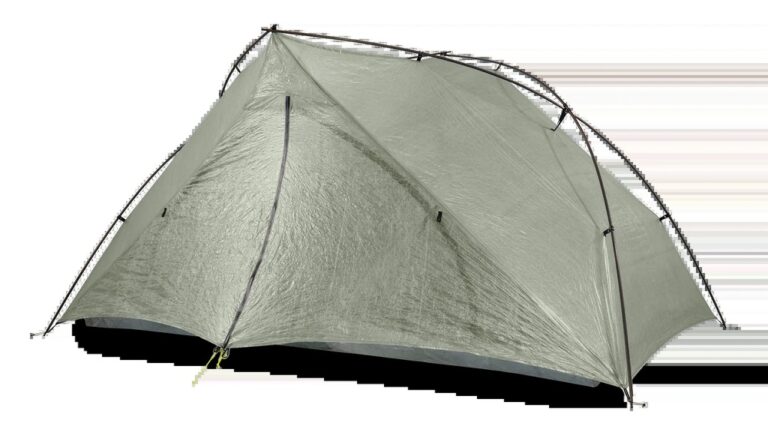
Maintenance Tips for Tent Stakes: Essential Tricks for Durability
When you’re out camping, the last thing you want is your tent stakes failing and your shelter collapsing. Taking a few simple steps to maintain your tent stakes can save you from that frustrating and sometimes dangerous situation.
You might not think much about these small but essential tools, but keeping them clean, rust-free, and in good condition ensures your tent stays secure no matter where you pitch it. You’ll discover easy and practical maintenance tips that will extend the life of your tent stakes and make your next outdoor adventure safer and more enjoyable.
Ready to protect your gear and your comfort? Let’s dive in!
Credit: www.ebay.com
Choosing Tent Stakes
Choosing the right tent stakes is essential for a safe and stable camping experience. Proper stakes keep your tent secure during wind and rain. Not every stake fits all conditions. Understanding different types, materials, and terrain matches helps you pick the best option for your trip.
Types Of Stakes
There are several common tent stake types. Wire stakes are lightweight and good for soft soil. Plastic stakes suit snow or sand but are less durable. Nail stakes offer strong hold in hard or rocky ground. Screw stakes provide excellent grip in loose dirt. Each type serves a specific purpose and terrain.
Material Considerations
Stakes come in materials like aluminum, steel, and plastic. Aluminum stakes are light and resist rust. Steel stakes are very strong but heavier. Plastic stakes are cheap and light but can break easily. Choose materials based on weight needs and weather conditions. Rust resistance matters for wet environments.
Matching Stakes To Terrain
Different grounds require different stakes. Soft soil needs longer, wider stakes for better hold. Rocky soil calls for shorter, thicker stakes to avoid bending. Sand or snow requires specialized stakes like sand stakes or snow pegs. Matching stakes to terrain ensures your tent stays firmly in place.
Proper Installation
Proper installation of tent stakes ensures your tent stays secure in different weather conditions. Correctly placed stakes provide firm anchoring and prevent the tent from shifting or collapsing. Paying attention to how you install each stake can improve the tent’s stability and prolong the stakes’ life.
Correct Angle And Depth
Drive tent stakes at a 45-degree angle away from the tent. This angle offers the best resistance against pulling forces. Insert stakes deep enough so most of the length is underground. A shallow stake can easily loosen and come out. Proper depth improves grip in soft or hard soil.
Using Tools For Driving Stakes
Use a mallet or hammer to push stakes into the ground. Avoid using rocks or heavy objects that can damage stakes. Tools help insert stakes quickly and firmly without bending them. Tap stakes gently at first, then harder as they go deeper. This technique prevents breaking or bending.
Avoiding Common Mistakes
Do not drive stakes straight down. Stakes placed vertically hold less firmly and can pull out easily. Avoid placing stakes too shallow or at a weak angle. Do not hit stakes too hard or with uneven force. Mistakes like these reduce the tent’s security and can damage stakes.
Cleaning Tent Stakes
Keeping tent stakes clean improves their performance and lifespan. Dirt and rust reduce their grip and can cause damage. Regular cleaning helps stakes hold firm in the ground. It also prevents corrosion that weakens metal stakes. A simple cleaning routine keeps your stakes ready for every trip.
Removing Dirt And Debris
Use a stiff brush to remove dirt and mud from stakes. Scrub each stake thoroughly, especially around the pointed end. For stubborn dirt, soak stakes in warm water for a few minutes. Wipe off loosened dirt with a cloth. Make sure no soil remains on the stakes before drying.
Treating Rust And Corrosion
Rust can form on metal stakes after exposure to moisture. Light rust can be scrubbed away with a wire brush or steel wool. For heavier corrosion, apply a rust remover and let it sit as directed. Rinse stakes well after treatment and dry completely. Prevent rust by storing stakes in a dry place.
Recommended Cleaning Solutions
Mild soap mixed with warm water works well for general cleaning. Avoid harsh chemicals that damage stake coatings. White vinegar is a natural option to remove light rust. For tough grime, a paste of baking soda and water helps scrub away dirt. Always rinse stakes thoroughly after using any cleaning solution.
Credit: www.bushwalking101.org
Storage Tips
Proper storage of tent stakes ensures they last through many camping trips. Keeping stakes clean and organized prevents damage and saves time. Storing them correctly also protects them from rust and bending.
Follow these simple storage tips to maintain your tent stakes in good condition.
Drying Before Storage
Always dry tent stakes fully before storing them. Moisture causes rust and weakens metal stakes. Wipe off dirt and mud with a cloth. Let them air dry in a sunny spot. Avoid storing stakes while damp or wet.
Organizing Stakes For Travel
Keep stakes organized in a dedicated bag or container. Group stakes by size or type to find them quickly. Use a pouch with compartments or a small toolbox. Avoid tossing stakes loosely in your gear. This prevents loss and makes packing easier.
Protecting From Damage
Store stakes in a way that prevents bending or scratching. Wrap sharp or pointed ends with cloth or foam. Avoid placing heavy items on top of stakes. Check stakes for damage before each trip. Replace any bent or broken stakes for safety.
Maintenance Tricks
Maintaining tent stakes is essential for camping safety and convenience. Small care steps extend their life and keep them effective. Simple tricks help avoid stake damage and improve performance.
Regular maintenance prevents stakes from bending, rusting, or breaking. It also saves money by reducing replacements. Follow these maintenance tricks to keep your tent stakes in top shape.
Straightening Bent Stakes
Bent stakes lose their grip and can damage your tent setup. Use a sturdy surface and a hammer or mallet to gently straighten them. Tap carefully to avoid cracking the metal. Check the stake’s shape before each use to catch bends early.
Checking For Wear And Tear
Inspect stakes for cracks, rust, or loose ends. Rust weakens the metal and reduces holding power. Replace stakes showing significant damage to ensure safety. Clean stakes after use to spot any wear faster and maintain their strength.
Applying Protective Coatings
Protective coatings prevent rust and corrosion on metal stakes. Apply a thin layer of clear spray paint or rust-resistant oil after cleaning. Let the coating dry completely before storage. This simple step keeps stakes durable and ready for your next trip.
Extending Stake Lifespan
Extending the lifespan of your tent stakes saves money and ensures safety. Proper care keeps stakes strong and reliable for many camping trips. Simple maintenance steps prevent rust, bending, and breakage. Follow these tips to make your stakes last longer.
Regular Inspections
Check your stakes before and after every use. Look for signs of rust, cracks, or bending. Clean dirt and debris from the stakes. Use a wire brush to remove rust spots. Early detection of damage helps avoid stake failure during camping.
Replacing Damaged Stakes
Do not use stakes that are bent or cracked. Weak stakes can break under pressure and cause accidents. Replace any stake with visible damage immediately. Keep spare stakes in your gear for quick swaps. Using strong stakes improves tent stability and safety.
Adapting To Different Weather Conditions
Choose stake materials based on the weather and soil type. Aluminum stakes work well in dry, soft soil. Steel stakes hold better in rocky or hard ground. Store stakes dry to prevent rust after wet weather. Adjust your stakes to match changing camping conditions.

Credit: www.ebay.com
Frequently Asked Questions
How To Clean Tent Stakes?
Scrub tent stakes with a brush to remove dirt. Use soapy water or a mild cleaner. Rinse thoroughly and dry completely before storage.
How To Correctly Use Tent Stakes?
Drive tent stakes at a 45-degree angle away from the tent for strong hold. Use a mallet or rock to tap them in fully. Place stakes in firm soil, avoiding loose or rocky ground. Secure all guy lines tightly to prevent movement.
Check stakes regularly during use.
What Does The Bible Say About Tent Pegs?
The Bible uses tent pegs as symbols of stability, security, and divine purpose. Jael’s tent peg shows God’s deliverance. Tent pegs also represent growth and a firm foundation in faith.
How To Clean Rusty Tent Pegs?
Scrub rusty tent pegs with steel wool or a wire brush. Apply vinegar or lemon juice to dissolve rust. Rinse and dry thoroughly to prevent further corrosion.
Conclusion
Proper care keeps tent stakes strong and reliable for camping. Clean stakes after each trip to remove dirt and rust. Store them in a dry place to prevent damage and corrosion. Check stakes before use to ensure they hold well in different soils.
Replace bent or broken stakes to maintain tent stability. Following these simple steps improves safety and extends stake life. Enjoy your outdoor adventures with sturdy, well-maintained tent stakes every time.

I am an outdoor enthusiast and gear researcher passionate about camping, hiking, backpacking, and outdoor adventures. I enjoy testing gear, comparing products, and sharing practical advice to help readers make informed decisions. At BestOutsideGear, I create honest gear reviews, buying guides, and outdoor tips to help adventurers choose the right equipment with confidence.