Why Tent Camping is Better Than RV | Benefits Explained
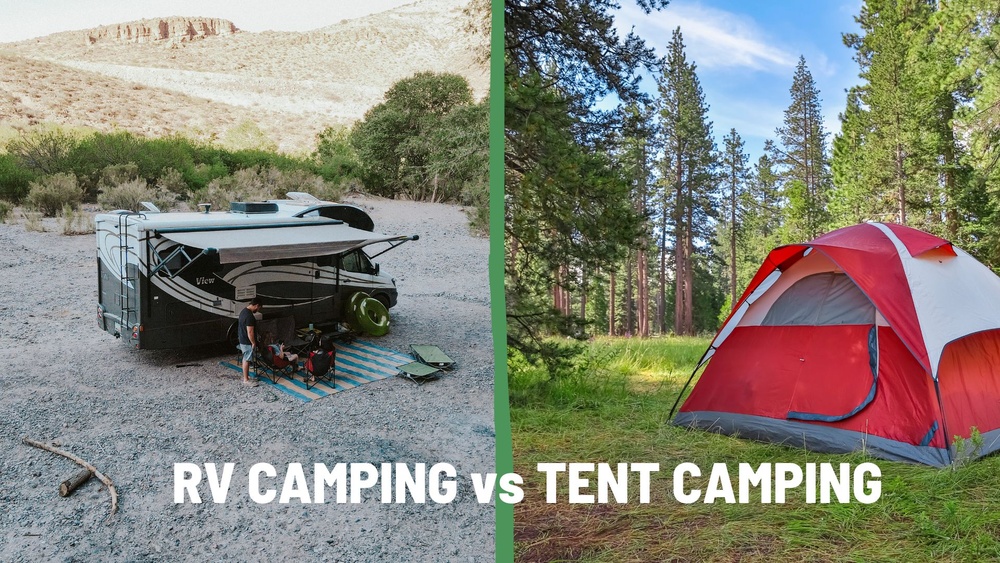
Tent camping and RV camping both offer ways to enjoy the outdoors, but there’s something special about sleeping under canvas. Many people debate which is best. If you’re searching for a true nature experience, tent camping wins in many areas.
Let’s break down why tent camping is better than RV camping, looking at cost, connection to nature, flexibility, simplicity, and even the impact on the environment. This article gives you clear reasons, practical examples, and some data so you can decide with confidence.
The Real Connection To Nature
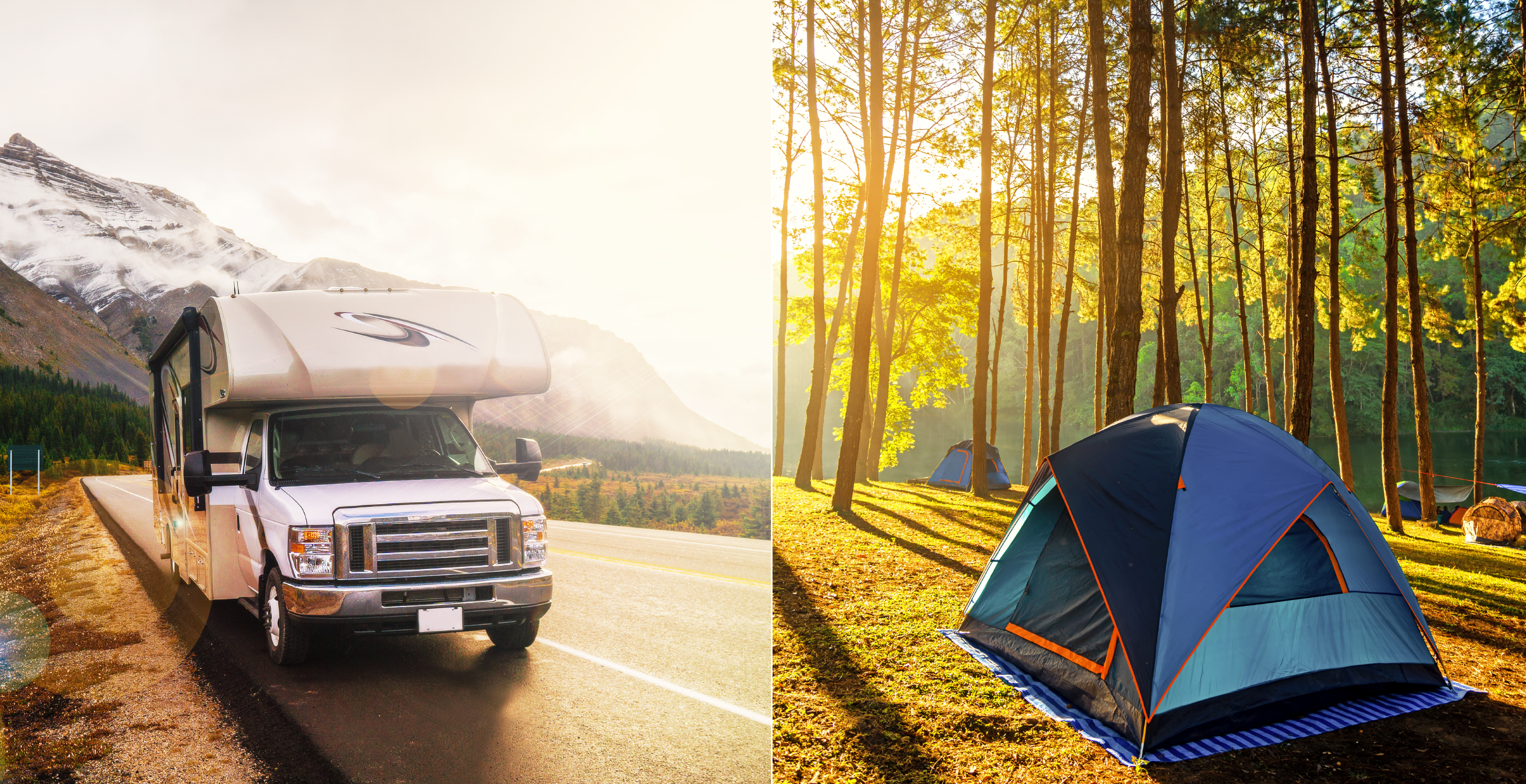
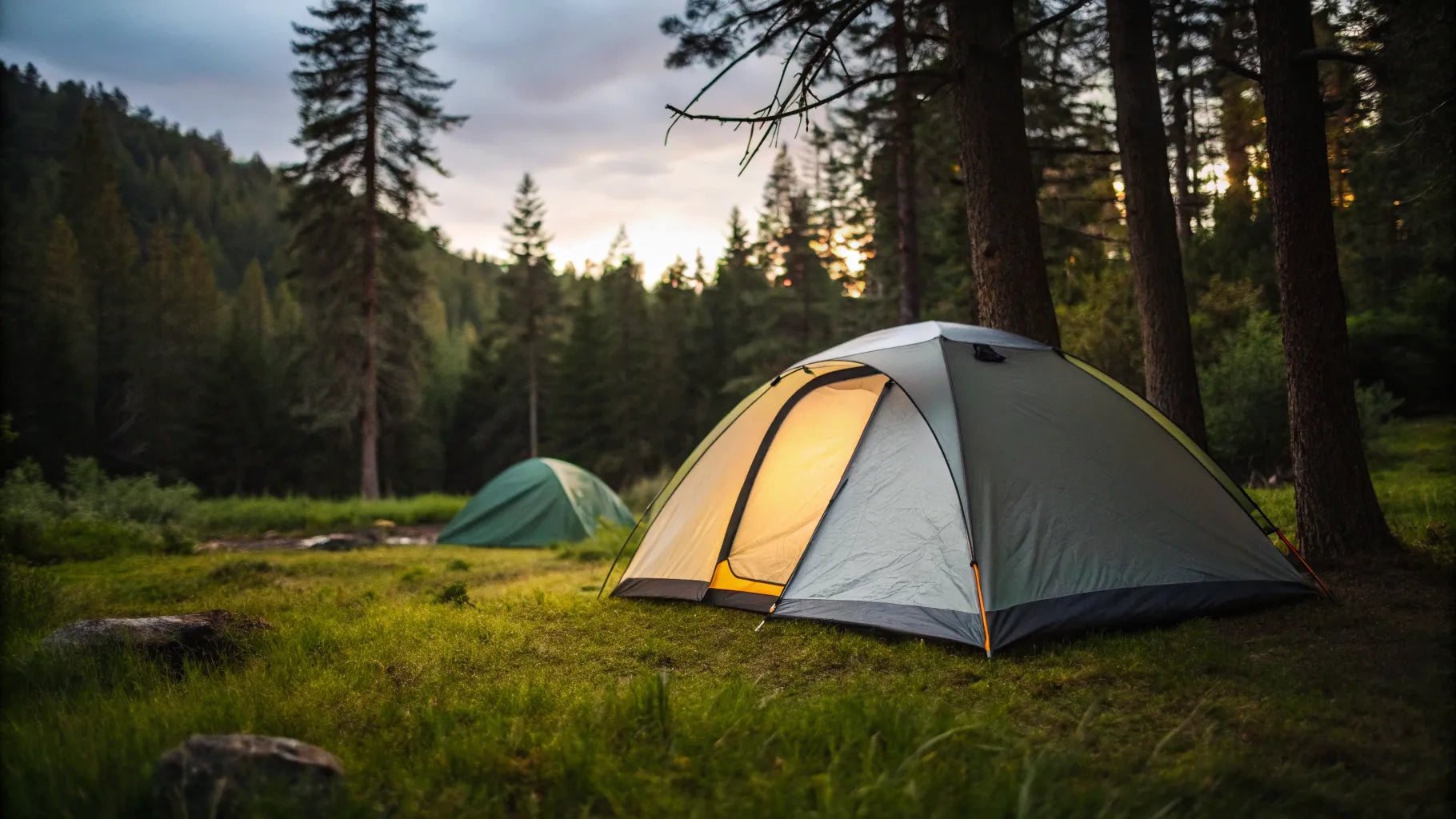
Tent camping offers a closer connection to nature. When you sleep in a tent, you hear the wind, the animals, and the rain. You wake up with the sunrise and smell the fresh air. RVs, on the other hand, create a barrier. Thick walls, insulation, and even air conditioning keep you separated from the outdoors.
Consider a family camping at Yosemite. In a tent, they hear deer walking nearby, birds singing at dawn, and feel the temperature change. In an RV, those sounds and sensations are blocked. This direct experience makes tent camping feel more authentic.
Many campers say their favorite moments are sitting quietly outside their tent, watching stars. RVs often park near bright lights or crowded sites, making it harder to enjoy the night sky. Tent camping lets you choose quieter spots and even hike further into the wilderness.
Non-obvious insight: Tent campers often notice more wildlife and subtle changes in the environment because they spend more time outside. RV owners may miss these moments as they stay indoors.
Cost: Tent Camping Is More Affordable
Camping should be simple, not expensive. Tent camping costs much less than RV camping in several ways:
- Equipment price: A good tent can cost $100-$300, while a new RV ranges from $20,000 to $100,000 or more.
- Maintenance: RVs need regular checks, repairs, and insurance. Tents just need cleaning and storage.
- Campground fees: Tent sites are usually $10-$30 per night. RV sites often cost $40-$80, sometimes more for hookups.
Here’s a clear comparison:
| Expense Type | Tent Camping | RV Camping |
|---|---|---|
| Initial Investment | $100–$500 | $20,000–$100,000+ |
| Annual Maintenance | $20–$50 | $1,000–$2,500 |
| Nightly Site Fee | $10–$30 | $40–$80 |
| Insurance | None | $500–$1,500/year |
Non-obvious insight: Tent campers can try different locations and styles (like backpacking or car camping) without big financial risk. RV owners face high costs even if they only camp a few weekends per year.
Credit: www.wideopenspaces.com
Flexibility And Freedom
Tent camping gives you more freedom to go where you want. RVs are large and require wide roads, parking lots, and designated campsites. Many national parks and remote areas don’t allow RVs, or have size limits.
With a tent, you can hike into the backcountry, camp on a mountain, or stay beside a lake. You’re not limited by roads or parking. Even in established campgrounds, tent sites are often more private and scenic.
Here’s how tent camping compares with RV camping for flexibility:
| Feature | Tent Camping | RV Camping |
|---|---|---|
| Access to Remote Areas | Easy | Difficult or Not Allowed |
| Set Up Time | 15–30 minutes | 45–90 minutes |
| Site Selection | Wide variety | Limited by size and hookups |
| Parking Requirements | Not needed | Large space required |
Non-obvious insight: Tent campers can change plans quickly if weather or conditions change. RVs are harder to move or adjust, especially in busy campgrounds.
Simplicity And Minimalism
Tent camping encourages a simple lifestyle. You pack only what you need—sleeping bag, stove, food, water—and leave unnecessary items at home. This makes packing and planning easier. RVs, with their kitchens, beds, entertainment, and storage, often lead to overpacking and stress.
Tent campers learn to do more with less. Cooking over a fire, using a basic stove, and sleeping on a mat teaches resourcefulness. Many people find this experience refreshing, especially if they’re tired of city life.
Tent camping also makes group trips easier. Friends can share equipment, divide tasks, and create a sense of teamwork. In RVs, people often stay inside, leading to less social interaction.
Environmental Impact
Tent camping usually has a smaller environmental footprint. RVs use gasoline or diesel, which pollutes the air. They require electrical hookups, septic systems, and often disturb the ground with heavy tires.
Tents are light and can be set up almost anywhere without damaging the land. Many tent campers follow Leave No Trace principles, making sure they don’t harm plants or animals. This is important in sensitive areas like deserts, forests, and mountains.
A 2019 report from the National Park Service showed that RVs contributed to more carbon emissions than tent campers. Tent camping makes it easier to respect nature and reduce your impact.
Non-obvious insight: Tent campers can camp farther from busy areas, reducing crowding and pressure on popular sites. RVs often concentrate in a few places, leading to overuse and damage.
Health Benefits
Tent camping offers unique health benefits. Sleeping in a tent helps you adjust to natural light and sleep cycles. Research from the University of Colorado Boulder found that campers who slept outdoors for one weekend reset their internal clocks and slept better.
You also get more physical activity. Setting up a tent, hiking, carrying gear, and cooking outside all burn calories. RV camping can be more sedentary, with less movement and more time spent sitting indoors.
Fresh air, sunlight, and the sounds of nature lower stress. Tent campers report feeling more relaxed after their trips compared to RV users.
Learning And Adventure
Tent camping teaches practical skills. You learn to set up shelter, build a fire, plan meals, and handle weather changes. These skills build confidence and independence.
Tent camping also brings more adventure. Rainstorms, wildlife, and challenges make each trip memorable. RVs remove many risks and surprises, making the experience feel more like home.
Many families use tent camping as a way to teach kids about nature, survival, and teamwork. This is harder in an RV, where comfort and convenience can overshadow learning.
Social Experience
Tent camping creates a stronger social bond. Sitting around a campfire, sharing stories, and cooking together makes people feel connected. RVs often separate people into their own spaces.
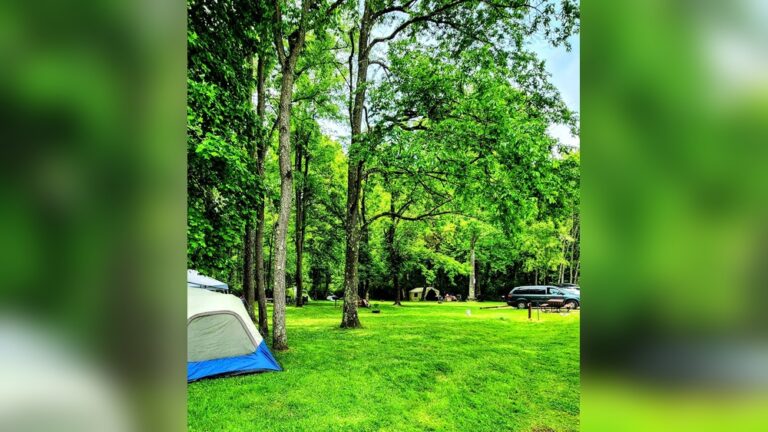
Tent campers are more likely to meet others, help with setup, and share resources. Many friendships start in tent campgrounds, where people feel part of a community.
Credit: www.diamondlurecampground.com
Weather And Challenge
Some people worry about weather when tent camping. But facing rain, cold, or heat can be part of the adventure. You learn how to adapt, plan, and stay safe. This builds resilience.
RVs offer protection, but they also limit the feeling of accomplishment. Tent campers often feel proud after handling tough conditions. This makes the experience more rewarding.
Comparison: Tent Camping Vs Rv Camping
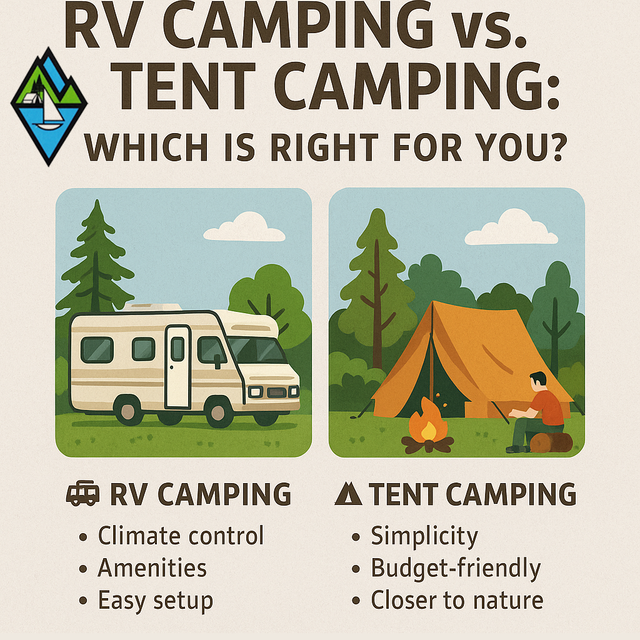
Let’s look at the main points side by side:
| Aspect | Tent Camping | RV Camping |
|---|---|---|
| Nature Experience | Direct and immersive | Indirect, insulated |
| Cost | Low | High |
| Flexibility | High | Low |
| Environmental Impact | Minimal | Significant |
| Learning Value | Strong | Weak |
| Health Benefits | More activity | Less activity |
| Social Experience | More bonding | Less bonding |
| Setup Difficulty | Moderate | Easy |
Common Misconceptions
Many people think tent camping is uncomfortable, unsafe, or only for experts. This isn’t true. Modern tents are easy to set up, waterproof, and warm. Sleeping pads and bags make nights comfortable. Beginners can start with simple gear and improve over time.
Some believe you need to be “tough” to tent camp. In reality, anyone can learn the basics. Online resources, local camping groups, and park rangers offer help.
A popular myth is that tent camping is less safe. In most campgrounds, tent sites are secure. Wildlife is rarely a problem if you store food properly.
Getting Started With Tent Camping
If you’re new to tent camping, start small. Try a weekend in a local park or campground. Borrow gear from friends or rent from outdoor stores. Make a checklist:
- Tent (with rain fly)
- Sleeping bag and pad
- Simple stove or grill
- Food and water
- Headlamp or flashlight
- First-aid kit
- Weather-appropriate clothing
Check the weather and pack for the conditions. Arrive early to set up your site. Ask campground staff for advice if you’re unsure.
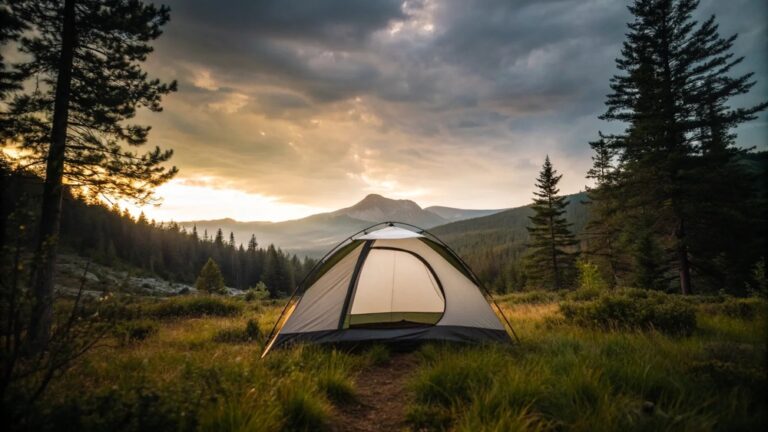
Take time to explore, relax, and enjoy the scenery. Don’t worry about doing everything perfectly. Each trip teaches you something new.
For more tips on tent camping, visit REI Expert Advice.
Credit: www.battlbox.com
Why Tent Camping Wins
Tent camping isn’t just about saving money or seeing nature. It offers freedom, adventure, and a chance to reconnect with what matters. RVs may provide comfort, but they take away many of the experiences that make camping special.
When you choose a tent, you gain flexibility, learn valuable skills, and enjoy a deeper connection to the outdoors. You become part of the landscape, not just a visitor. For most people, this leads to lasting memories and a stronger bond with nature.
Next time you plan a trip, consider leaving the RV behind. Grab a tent, pack light, and discover why tent camping is better than RV camping. You might find that the simple approach brings the biggest rewards.

I am an outdoor enthusiast and gear researcher passionate about camping, hiking, backpacking, and outdoor adventures. I enjoy testing gear, comparing products, and sharing practical advice to help readers make informed decisions. At BestOutsideGear, I create honest gear reviews, buying guides, and outdoor tips to help adventurers choose the right equipment with confidence.