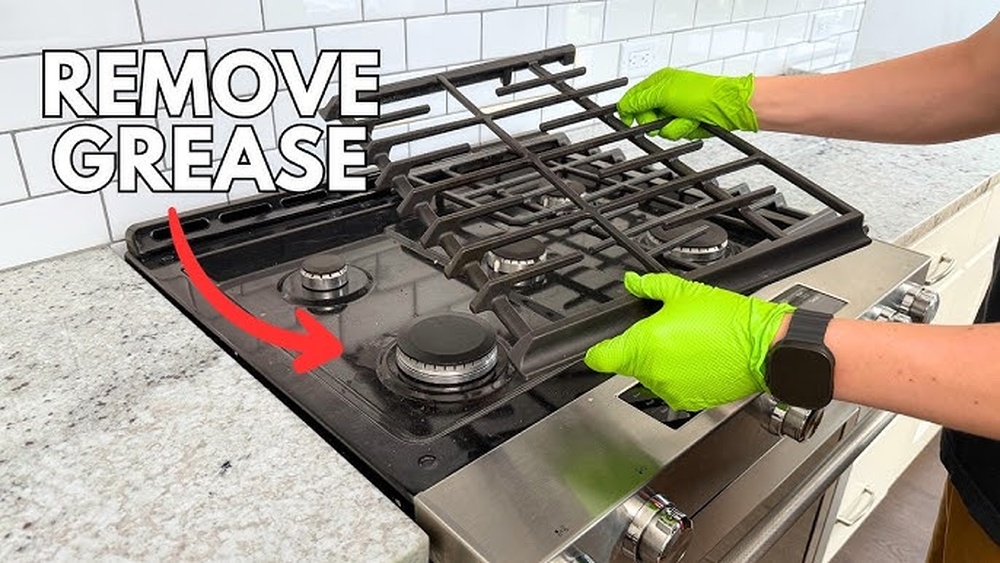
Best Ways to Clean Multi-Fuel Stove: Expert Tips for Sparkling Results
If you own a multi-fuel stove, you know how important it is to keep it clean for safety, efficiency, and a cozy home atmosphere. But cleaning your stove can sometimes feel like a chore, especially when you’re unsure of the best methods to use.
What if you could easily keep your stove looking great and working perfectly without spending hours on it? You’ll discover simple, effective ways to clean every part of your multi-fuel stove. Whether it’s removing stubborn soot, cleaning the glass, or tackling ash buildup, these tips will save you time and effort.
Keep reading to learn how to make your stove shine and perform at its best all year round.
Credit: www.youtube.com
Cleaning Tools And Supplies
Keeping a multi-fuel stove clean requires the right tools and supplies. Proper equipment makes the job easier and protects your stove. Choose brushes, cloths, and cleaners designed for stove care. Use tools that remove ash and dirt without damaging surfaces. Quality supplies help maintain your stove’s efficiency and appearance.
Essential Brushes And Cloths
Soft cloths gently wipe down the stove’s exterior. Microfiber cloths work well to capture dust and soot. Use a stiff wire brush for cleaning the grate and firebox. A small sweeping brush helps remove ash from tight spots. Avoid abrasive brushes on painted surfaces to prevent scratches.
Vacuum And Ash Removal Tools
A vacuum designed for ash removal clears cold ashes safely. Regular vacuums can clog or catch fire from hot ash. Use an ash shovel to scoop out large debris. Ash removal tools reduce buildup that blocks airflow. Clean ash regularly to keep your stove burning efficiently.
Specialized Cleaners And Polishes
Use stove-specific cleaners to remove soot and creosote. These cleaners dissolve tough residues without harming metal or glass. Stove glass polish restores clarity and removes stains. Avoid household chemicals that can damage stove finishes. Follow product instructions for best results and safety.
Preparing The Stove For Cleaning
Preparing your multi-fuel stove for cleaning is an important first step. Proper preparation ensures safety and makes cleaning easier. It helps you avoid damage to the stove and keeps the process efficient. Follow these steps to get your stove ready for a thorough clean.
Ensuring The Stove Is Cool
Always wait until the stove is completely cool. Hot stoves can cause burns or other injuries. Cooling down also prevents warping or damage to stove parts. Give your stove several hours to cool before starting any cleaning.
Removing Ash And Debris
Start by removing all ash and loose debris inside the stove. Use a small shovel or ash vacuum for this task. Clearing ash helps prevent blockages and improves airflow. Make sure to empty the ash pan if your stove has one.
Disassembling Removable Parts
Take off any removable parts like the grate, baffle plate, and firebricks. This allows better access for cleaning. Handle parts gently to avoid breaking or bending. Keep parts organized so you can easily reassemble the stove later.
Cleaning The Stove Interior
Cleaning the interior of your multi-fuel stove keeps it working efficiently. Dirt and soot build up inside and block airflow. This reduces heat and can cause damage over time.
Regular cleaning helps your stove last longer. It also keeps your home safe by reducing smoke and harmful gases. Focus on removing soot, ash, and stubborn stains inside the stove.
Brushing Away Soot And Residue
Use a stiff brush to remove loose soot from the stove walls. Brush gently to avoid scratching the metal surface. Pay attention to corners and hard-to-reach spots. Removing this layer of residue lets the stove breathe better.
Handling Stubborn Stains
Stains from creosote and tar need extra care. Use a wire brush or steel wool to scrub these areas. Avoid using harsh chemicals that can damage the stove finish. A damp cloth can help wipe away loosened dirt after scrubbing.
Vacuuming For Deep Clean
A vacuum with a hose attachment removes ash and debris deeply. Make sure the stove is cool before vacuuming. Use a vacuum designed for ash to avoid damage. This step clears out fine particles that brushing misses.
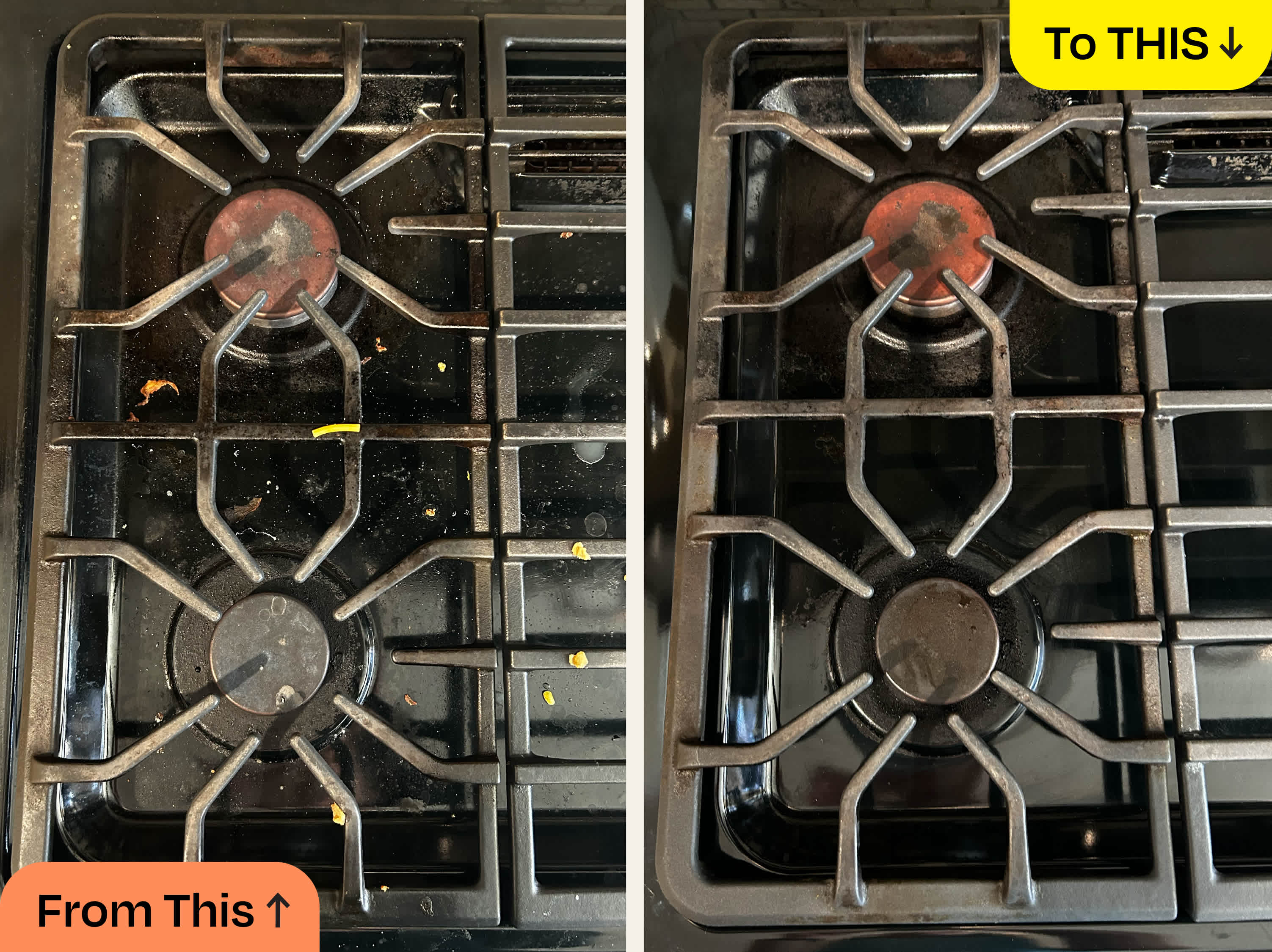
Credit: www.thekitchn.com
Cleaning The Stove Glass
Cleaning the stove glass is a key step in maintaining a multi-fuel stove. Clear glass lets you enjoy the warm, flickering flames. Dirt and smoke stains can build up quickly, reducing visibility. Regular cleaning keeps the stove looking neat and working well. Follow simple tips to clean the glass safely and effectively.
Choosing The Right Glass Cleaner
Select a cleaner made specifically for stove glass. Avoid harsh chemicals that can damage the surface. Mild cleaners or special stove glass sprays work best. Some people use vinegar or a mix of water and baking soda. Test any cleaner on a small spot first. Use a soft cloth or paper towel to apply the cleaner gently.
Removing Smoke Stains
Smoke stains can be tough to remove. Use a damp cloth with a bit of stove glass cleaner. Rub the stains in small circles for better results. For stubborn marks, a razor blade held at an angle can scrape the glass carefully. Always be gentle to avoid cracks. Clean the glass after each use to stop stains from building up.
Avoiding Scratches And Damage
Never use abrasive pads or rough cloths on the glass. These can cause scratches that worsen over time. Avoid sudden temperature changes when cleaning hot glass. Let the stove cool completely before wiping it down. Handle the glass door with care to prevent cracks. Regular gentle cleaning extends the life of the stove glass.
Maintaining The Stove Exterior
Maintaining the exterior of your multi-fuel stove keeps it looking good and working well. Dirt, dust, and grime can build up on metal surfaces and dull the stove’s finish. Regular cleaning stops corrosion and extends the stove’s life. Simple care routines make a big difference.
Wiping Down Metal Surfaces
Use a soft, damp cloth to wipe the stove’s metal parts. Avoid abrasive sponges that can scratch the surface. Clean the stove after it cools down to prevent damage. Light cleaning removes dust and light dirt easily. This helps the metal shine and stay smooth.
Dealing With Streaks And Dust
Streaks can appear if you use too much water or the wrong cloth. Use a microfiber cloth for wiping to reduce streaks. Dry the surface with a clean, dry cloth after wiping. Dust the stove regularly to stop buildup. Clean surfaces reflect light better and look newer.
Using Metal Restorers
Metal restorers help remove stains and restore shine. Choose a restorer suitable for your stove’s metal type. Apply a small amount with a soft cloth and rub gently. Follow the product instructions carefully to avoid damage. Restorers keep the stove looking fresh and protect it from rust.
Routine Maintenance Tips
Routine maintenance keeps your multi-fuel stove running safely and efficiently. Regular care prevents buildup and damage. It also extends the stove’s life. Follow these simple tips to maintain your stove well.
Frequency Of Cleaning
Clean the stove’s inside after every use. Remove ashes and leftover fuel to avoid blockages. At least once a week, do a deep clean. This prevents soot and creosote buildup. Clean glass panels monthly to keep clear views.
Checking Seals And Gaskets
Inspect seals around doors and glass regularly. Look for cracks or hardening that reduce efficiency. Replace damaged gaskets to keep the stove airtight. Good seals improve heat output and reduce smoke leaks.
Monitoring For Wear And Tear
Check the stove’s parts for signs of wear. Look at hinges, handles, and air vents closely. Fix or replace broken parts quickly. Worn parts can cause safety risks and reduce performance. Keep a maintenance log to track repairs and checks.
Troubleshooting Common Issues
Troubleshooting common issues in a multi-fuel stove keeps it working safely and efficiently. Regular use can lead to clogs, odors, smoke, or foggy glass. Knowing how to fix these problems extends your stove’s life and improves performance. Below are simple steps to handle these common troubles.
Clearing Clogs And Blockages
A clogged stove reduces airflow and causes poor burning. Ash and debris often block air vents and flues. Use a small brush or vacuum designed for ash removal. Clean the grate and firebox regularly. Check the chimney for soot build-up. Clearing these blockages allows smoke to escape and improves stove efficiency.
Addressing Odors And Smoke
Unpleasant odors and smoke signal incomplete burning or poor ventilation. Make sure the stove door seals tightly. Replace worn gaskets if needed. Use dry, seasoned fuel to reduce smoke. Clear ash and creosote from the stove and chimney. Proper airflow and clean parts prevent smoke from entering your room.
Fixing Glass Fogging
Foggy glass blocks the warm glow of your fire. It happens when soot builds on the glass surface. Use a damp cloth with ash or a special stove glass cleaner. Avoid abrasive cleaners that can scratch the glass. Check if the airwash system is working well. A clean airwash keeps the glass clear and bright.

Credit: www.cancooker.com
Safety Measures During Cleaning
Cleaning a multi-fuel stove requires careful attention to safety. The stove contains ash, soot, and residues that can irritate skin and lungs. Following the right safety steps protects you from accidents and health issues. This section covers key safety measures to keep in mind during cleaning.
Wearing Protective Gear
Always wear gloves to protect your hands from sharp edges and hot surfaces. Use a dust mask to avoid breathing in ash and fine particles. Safety goggles shield your eyes from dust and debris. Wear old clothes or a protective apron to keep dirt off your skin.
Proper Disposal Of Ash
Let the ash cool completely before removal. Use a metal container with a tight lid to store the ash. Do not throw ash into plastic or paper bins as it can cause fires. Dispose of ash safely away from flammable materials and buildings. You can also use cooled ash in compost or as a soil additive.
Avoiding Hazardous Chemicals
Do not use harsh chemicals or bleach on your stove. These can damage the stove’s surface and release toxic fumes. Use natural or stove-approved cleaners instead. Always read product labels to ensure safety for your stove type. Keep cleaning products out of reach of children and pets.
Frequently Asked Questions
How Often Should I Clean My Multi-fuel Stove?
Cleaning your stove after every use keeps it efficient and safe. A deep clean is best once a month. Regular care prevents ash buildup and blockages.
What Tools Are Needed To Clean A Multi-fuel Stove?
A small brush, ash shovel, wire brush, and vacuum work best. Use a soft cloth for wiping the stove’s surface. These tools help remove ash and stubborn stains easily.
How Do I Clean The Glass On A Multi-fuel Stove?
Use a damp cloth with stove glass cleaner or vinegar. Wipe gently to avoid scratching the glass. Clean the glass when it cools down to prevent cracks.
Can I Use Water To Clean The Stove’s Outside?
Yes, a damp cloth with mild soap works well for the exterior. Avoid harsh chemicals to keep the stove’s finish safe. Dry the surface after wiping to prevent streaks.
What Is The Best Way To Remove Ash From The Stove?
Use a small brush and ash shovel to clear out ash. A vacuum can help with fine particles. Removing ash regularly improves stove airflow and performance.
Conclusion
Cleaning your multi-fuel stove keeps it safe and working well. Regular ash removal stops blockages and improves airflow. Use simple tools like brushes and cloths to wipe away dirt. Clean the glass carefully for a clear view of the fire.
Small, steady steps make maintenance easier and more effective. A well-kept stove lasts longer and heats your home better. Keep these easy tips in mind for a clean, cozy stove.

I am an outdoor enthusiast and gear researcher passionate about camping, hiking, backpacking, and outdoor adventures. I enjoy testing gear, comparing products, and sharing practical advice to help readers make informed decisions. At BestOutsideGear, I create honest gear reviews, buying guides, and outdoor tips to help adventurers choose the right equipment with confidence.