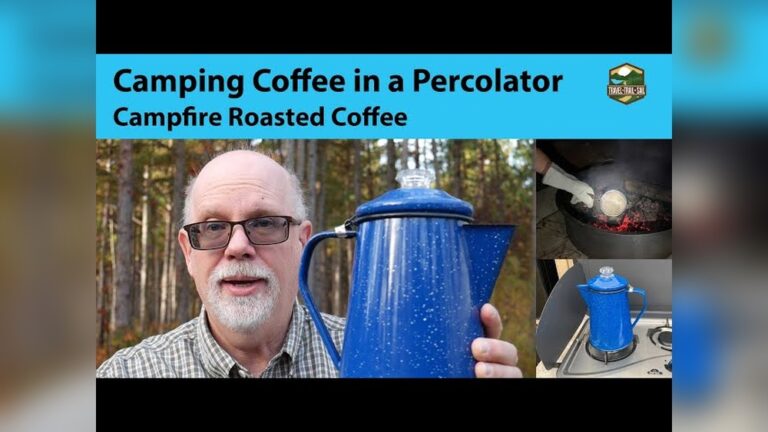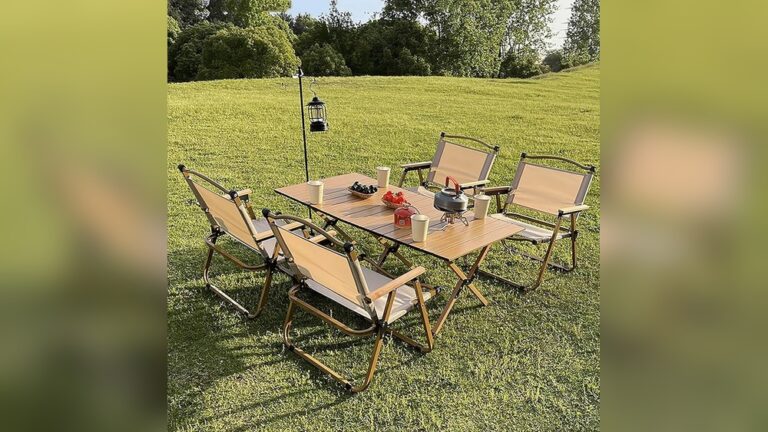
How to Choose Camping Kettle Guide for Perfect Outdoor Brew
Choosing the right camping kettle can make a huge difference on your outdoor trips. Whether you’re brewing your morning coffee or boiling water for a quick meal, your kettle needs to be reliable, easy to use, and fit perfectly with your gear.
But with so many options out there, how do you pick the one that’s just right for you? In this guide, you’ll discover the key factors to consider—like material, size, and heating methods—so you can make the best choice without any guesswork.
Keep reading, and you’ll be ready to enjoy hot drinks and meals on your next adventure with confidence.
Types Of Camping Kettles
Choosing the right camping kettle starts with knowing the types available. Each type suits different needs and camping styles. Understanding these can help you pick the best kettle for your outdoor adventures.
Aluminum Kettles
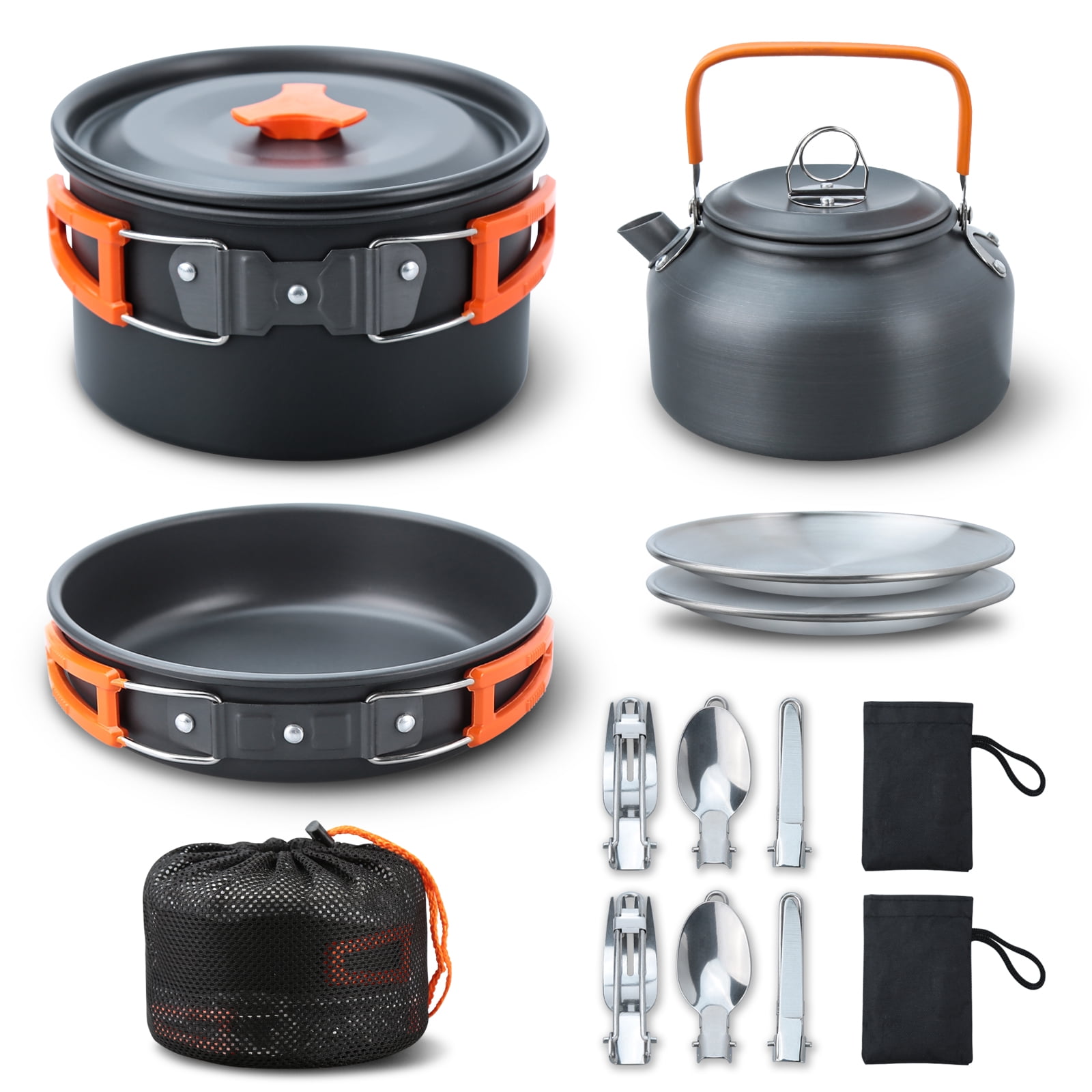
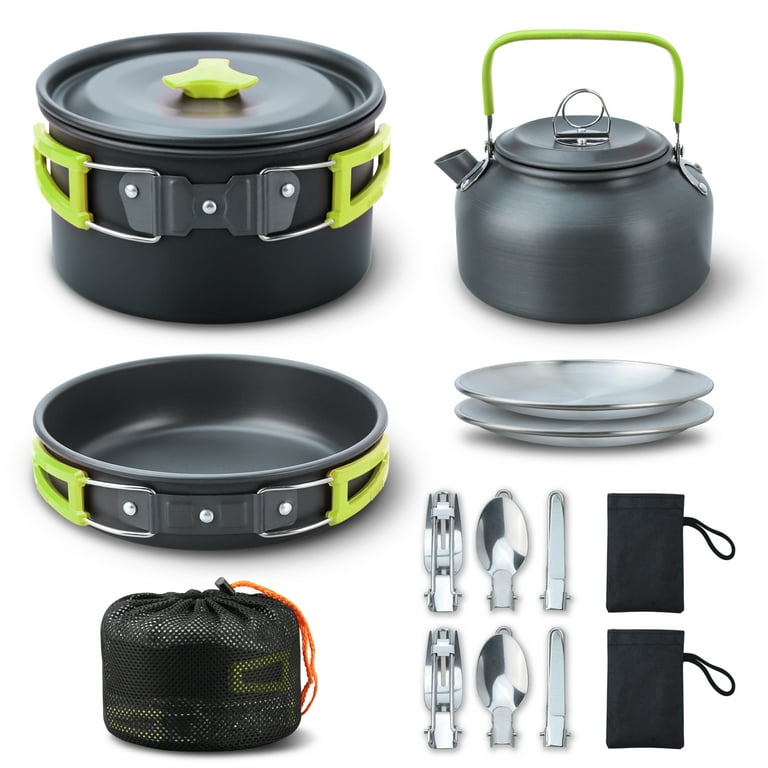
Aluminum kettles are lightweight and heat up quickly. They are easy to carry on long hikes. Aluminum also costs less than other materials. The downside is they can dent easily. They work well for quick boiling and simple use.
Stainless Steel Kettles
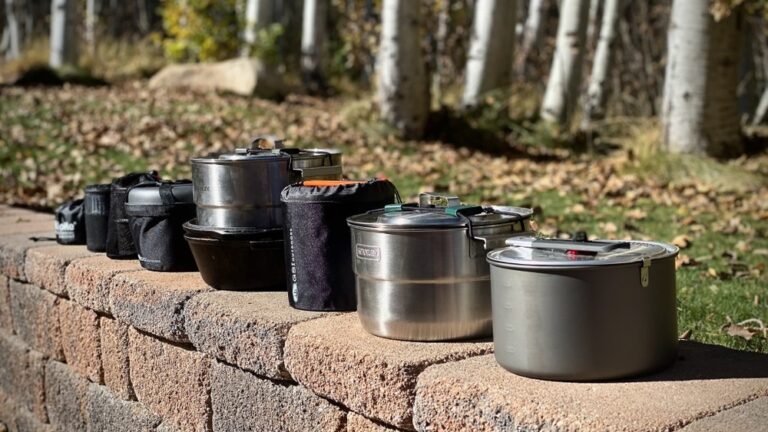
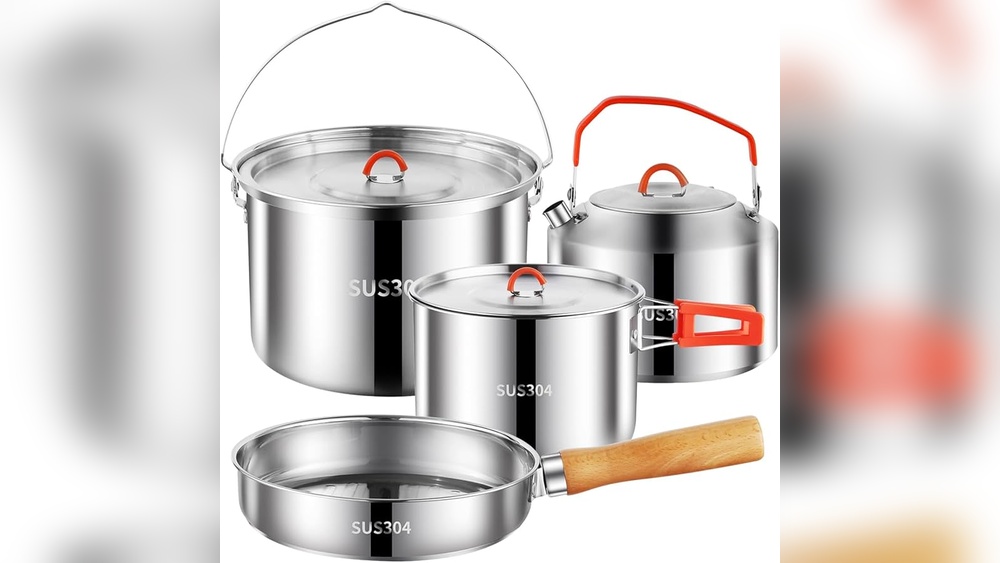
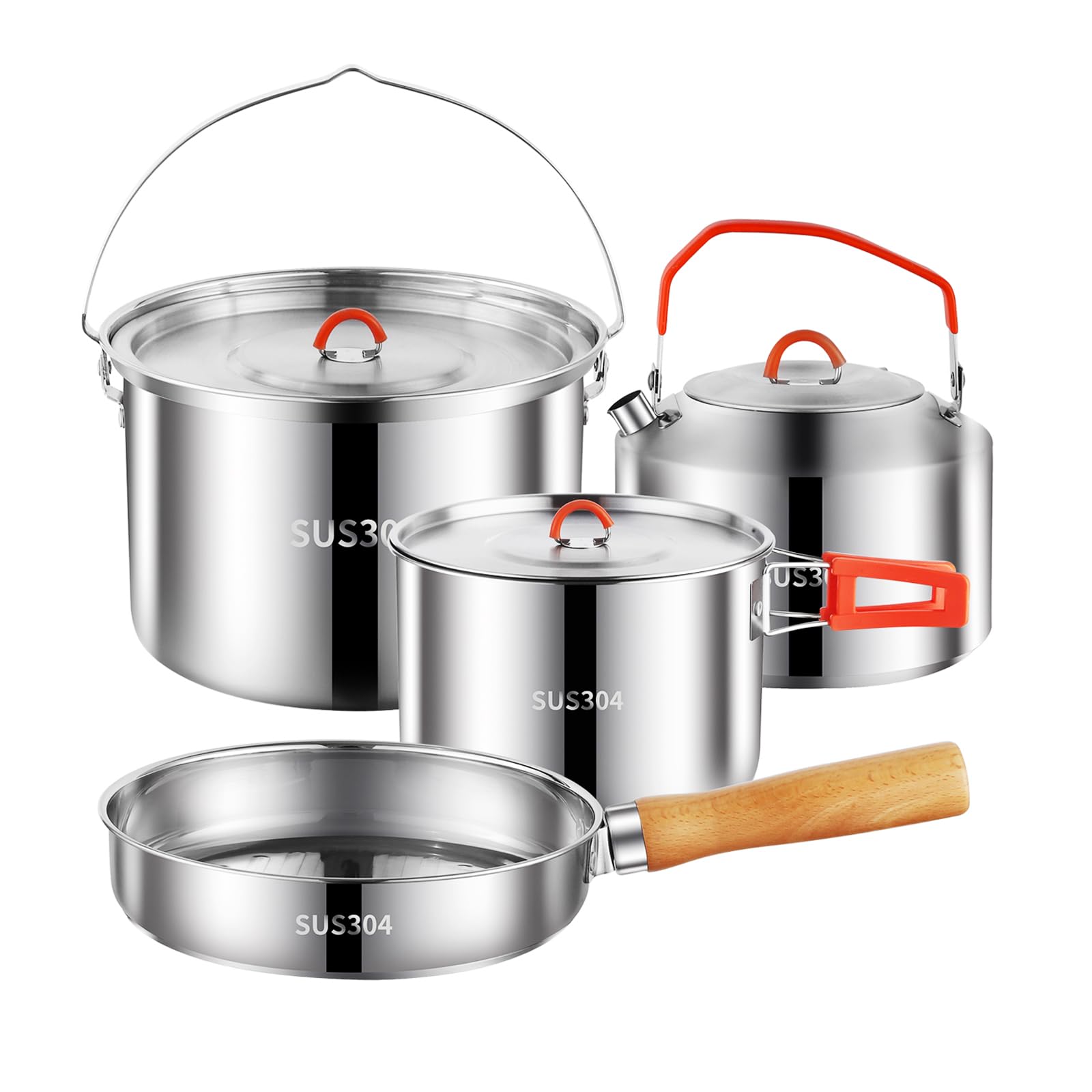
Stainless steel kettles are strong and durable. They resist dents and rust better than aluminum. These kettles take a bit longer to heat. They are heavier but last longer. Perfect for campers who want a tough kettle.
Cast Iron Kettles
Cast iron kettles hold heat for a long time. They are very heavy and best for car camping. These kettles add a rustic feel to your campfire. They need care to avoid rust. Ideal if you want a classic, sturdy kettle.
Electric Kettles
Electric kettles heat water fast and easily. They require a power source like a battery or outlet. These kettles are great for car campers with electricity. They offer convenience but are not for remote hiking trips.
Open Fire Kettles
Open fire kettles are designed to use directly on campfires. They are usually made of steel or cast iron. These kettles can handle high heat and rough use. Great for traditional camping and outdoor cooking. They add a campfire charm to boiling water.
Credit: www.moltocycle.com
Capacity And Size
Choosing the right capacity and size for your camping kettle makes a big difference. It affects how much water you can boil and how easy the kettle is to carry. Picking a kettle that fits your needs helps you enjoy your trip more.
Choosing The Right Volume
Think about how many people will use the kettle. A small kettle holds about 0.5 to 1 liter, good for one or two campers. Larger kettles, 1.5 liters or more, suit groups of three or more. Choose a size that matches your typical group. Avoid buying too big or too small. Too small means boiling water often. Too large adds weight and takes more space.
Balancing Weight And Space
Camping gear should be light and compact. A big kettle can be heavy and bulky. Aluminum kettles weigh less but may dent easily. Stainless steel lasts longer but is heavier. Consider how much room your backpack has. Find a kettle that fits well with other gear. Balance size with weight for easy carrying. A compact kettle saves space and reduces load. This lets you move faster and camp with less hassle.
Material Pros And Cons
Choosing the right material for your camping kettle affects your outdoor cooking experience. Each material offers unique benefits and drawbacks. Understanding these helps pick a kettle that matches your needs. Focus on heat conductivity, durability, weight, and cost to make a smart choice.
Heat Conductivity
Aluminum heats water quickly because it conducts heat well. This means faster boiling times on the campfire. Stainless steel takes longer to heat but keeps water warm longer. Copper kettles also heat fast but are less common for camping. Efficient heat conductivity saves fuel and time outdoors.
Durability And Strength
Stainless steel is strong and resists dents and scratches. It lasts longer in rough conditions. Aluminum is softer and can dent more easily. It may not withstand rough handling as well. Titanium kettles are very durable and resist corrosion but cost more. Durability matters if you camp often or in tough environments.
Weight Considerations
Aluminum kettles are lightweight, making them easy to carry on hikes. Stainless steel kettles are heavier, adding to your backpack weight. Titanium kettles offer the best weight-to-strength ratio but come at a higher price. Choose a weight that fits your travel style and comfort level.
Cost Factors
Aluminum kettles are usually the most affordable option. Stainless steel kettles cost more but offer better durability. Titanium kettles are the most expensive but provide excellent strength and lightness. Balance your budget with your needs for durability and weight.
Heating Methods
Choosing the right heating method for your camping kettle makes a big difference. It affects how fast your water boils and how easy it is to use the kettle. Different heating methods work better in different situations. Understanding these options helps you pick the best kettle for your trips.
Some kettles work well with stove tops. Others can be used over open flames or with electric power. Each heating method has its own benefits and limits. Knowing them helps you enjoy hot drinks or meals anywhere outdoors.
Stove Compatibility
Many camping kettles work with portable camping stoves. These stoves use gas or liquid fuel to boil water quickly. Kettles made for stoves have flat, stable bottoms for good heat contact. They also fit well on stove grates to avoid tipping. This setup is lightweight and easy to carry. It works well for most camping styles.
Electric Heating Options
Electric kettles are good for car camping or places with power access. They plug into outlets or portable power stations. These kettles heat water fast and shut off automatically for safety. They are simple to use but need electricity to work. Electric kettles come in various sizes, so choose one that fits your needs.
Open Flame Usage
Kettles designed for open flames are perfect for campfires. They often have heat-resistant handles and thick walls. These kettles can handle direct flame without damage. Open flame kettles offer a rustic feel and great durability. Use them carefully to avoid burns and make sure the fire is steady.
Safety Features
Safety features are crucial when choosing a camping kettle. They protect you from burns and accidents. A safe kettle makes your camping experience more enjoyable and worry-free.
Automatic Shutoff
An automatic shutoff stops the kettle when water boils. It prevents overheating and dry boiling. This feature saves energy and avoids damage to the kettle. It also lowers the risk of fire or burns.
Heat-resistant Handles
Heat-resistant handles keep your hands safe from burns. They stay cool even when the kettle is hot. Look for handles made of silicone or insulated materials. These handles provide a firm, safe grip on the kettle.
Stable Base Design
A stable base prevents the kettle from tipping over. It keeps the kettle steady on uneven ground. A wide, flat base offers better balance. This design reduces spills and accidents around your campfire.
Credit: www.walmart.com
Portability And Design
Portability and design are key when choosing a camping kettle. A lightweight, well-designed kettle fits easily in your backpack. It saves space and makes carrying simple. The right design also helps with safe and easy use outdoors.
Compact Shapes
Compact shapes take less space in your gear. Round or oval kettles often fit better in backpacks. Some kettles fold or nest inside other items. This feature cuts down bulk and weight. A small size does not mean less capacity. Many compact kettles hold enough water for your needs.
Handle Design
Handles must be sturdy and easy to grip. Look for heat-resistant materials to avoid burns. Folding handles save room and pack flat. Wide handles give better control when pouring. Some handles have a locking feature for safety. Good handle design improves comfort and reduces spills.
Lid Security
A secure lid stops water from spilling during transport. Lids that snap or screw on tightly work best. Some have a locking mechanism for extra safety. A loose lid can cause burns or waste water. Check if the lid is easy to open with one hand. Proper lid security keeps your kettle safe and functional.
Boil Time And Efficiency
Boil time and efficiency are key factors when choosing a camping kettle. A kettle that boils water quickly saves fuel and time. Efficient kettles help you enjoy hot drinks faster and reduce the weight you carry. Understanding how different features affect boil time helps you pick the right kettle for your needs.
Wattage And Power Use
Wattage shows how much power a camping kettle uses. Higher wattage means faster boiling but more battery or power use. Lower wattage saves energy but takes longer to boil water. Choose a wattage that balances speed and power availability on your trip. For electric kettles, 750 to 1000 watts is common and works well for most campers.
Material Impact On Boil Time
The material of the kettle affects how fast it heats water. Aluminum kettles heat quickly because aluminum transfers heat well. Stainless steel kettles take longer but last longer and resist dents. Lightweight aluminum is great for fast boiling and easy carrying. Stainless steel offers durability but adds weight and slows boil time slightly.
Fuel Consumption
Fuel use depends on how long the kettle takes to boil water. A faster boiling kettle uses less fuel overall. Efficiency reduces the amount of gas, wood, or electricity needed. Kettles designed for camping often have features to save fuel, like insulated walls or tight lids. Less fuel means a lighter load and fewer trips to refill fuel supplies.
Credit: www.amazon.com
Maintenance And Care
Proper maintenance and care extend the life of your camping kettle. A well-maintained kettle performs better and stays safe to use. Simple daily habits keep it clean and in good condition for many trips.
Cleaning Tips
Rinse the kettle with warm water after each use. Avoid harsh detergents that can damage the metal. Use a soft sponge to clean the inside and outside. For stubborn stains, mix baking soda with water and scrub gently. Always dry the kettle completely to stop rust or mold growth.
Storage Advice
Store the kettle in a dry place to prevent moisture buildup. Keep the lid off or slightly open to allow air circulation. Avoid placing heavy items on top to protect the kettle’s shape. Use a protective bag or wrap to stop scratches during transport.
Preventing Damage
Do not heat an empty kettle as it can warp or crack. Avoid dropping or banging the kettle on hard surfaces. Use the handle carefully, especially when the kettle is hot. Inspect the kettle regularly for dents or loose parts and fix issues quickly.
Budget And Value
Choosing a camping kettle means balancing budget and value carefully. A good kettle should fit your price range without sacrificing quality. Spending a little more can pay off with better materials and features. Understanding price ranges and what you get for your money helps make a smart choice. Warranty and support also add value beyond the initial cost.
Price Ranges
Camping kettles come in many price points. Basic models start around $15 to $30. These often use lightweight materials like aluminum but may lack extra features. Mid-range kettles cost between $30 and $60. They usually offer better durability and design. High-end kettles go above $60 and include premium materials like stainless steel. They may have added safety features and improved heat retention.
Long-term Investment
A camping kettle is a long-term tool. Cheaper kettles may save money now but might wear out quickly. Investing in a sturdy kettle reduces replacements. Durable kettles resist dents and corrosion. They boil water efficiently and withstand rough outdoor use. Think about how often you camp and your needs. This helps decide if a pricier kettle is worth it.
Warranty And Support
Check if the kettle comes with a warranty. A good warranty covers defects and damages. It shows the manufacturer trusts their product. Support availability matters too. Brands offering customer service can help with issues or replacements. This adds peace of mind and protects your investment. Always read warranty details before buying.
Matching Kettle To Trip Type
Choosing the right camping kettle depends a lot on the type of trip planned. Different trips have different needs. Selecting a kettle that matches your trip type makes your outdoor experience better. It saves space, weight, and time. Here is how to pick the right kettle based on your trip.
Solo Camping
Solo trips require light and compact gear. A small kettle with a capacity of 0.5 to 1 liter works well. It should be easy to carry and quick to boil water. Lightweight aluminum kettles are good choices. They heat fast and do not add much weight to your pack.
Group Outings
When camping with friends or family, choose a larger kettle. A 1.5 to 2.5-liter kettle can serve multiple people easily. Look for kettles with sturdy handles and lids. Stainless steel kettles offer durability and keep water hot longer. Bigger kettles save time by boiling enough water for everyone at once.
Backpacking Vs Car Camping
Backpacking demands gear that is light and small. A compact, lightweight kettle is best. Aluminum or titanium kettles work well for backpackers. Car camping allows heavier and larger kettles. You can choose kettles made of stainless steel or cast iron. These kettles are heavier but more durable and often have better heat retention.
Frequently Asked Questions
What Is The Best Kettle For Camping?
The best camping kettle is lightweight, durable, and heat-efficient. Aluminum suits quick boiling; stainless steel offers strength. Choose a size fitting your group and ensure safety features like sturdy handles. Portability and compatibility with your heat source also matter for an ideal camping kettle.
What Wattage Should A Camping Kettle Be?
A camping kettle typically requires 750 to 2000 watts for efficient boiling. Choose wattage based on power source and boiling speed needs.
Which Is Better Aluminum Or Stainless Steel Camping Kettle?
Aluminum kettles heat faster and weigh less, ideal for lightweight camping. Stainless steel kettles resist dents and last longer but weigh more. Choose based on priority: speed and weight or durability and strength.
What Should I Look For When Buying A Kettle?
Choose a kettle with automatic shutoff, sturdy heat-resistant handles, durable material, suitable capacity, and efficient heating for safety and convenience.
Conclusion
Choosing the right camping kettle makes outdoor cooking easier and safer. Focus on size, material, and heating type. Pick a kettle that fits your backpack and camping style. A sturdy handle and safety features protect you from burns. Remember, lightweight kettles heat faster but may be less durable.
Stainless steel lasts longer but weighs more. Think about how you will use the kettle on your trips. This helps you enjoy hot drinks and meals outdoors with less hassle. Happy camping and enjoy your perfect kettle!

I am an outdoor enthusiast and gear researcher passionate about camping, hiking, backpacking, and outdoor adventures. I enjoy testing gear, comparing products, and sharing practical advice to help readers make informed decisions. At BestOutsideGear, I create honest gear reviews, buying guides, and outdoor tips to help adventurers choose the right equipment with confidence.