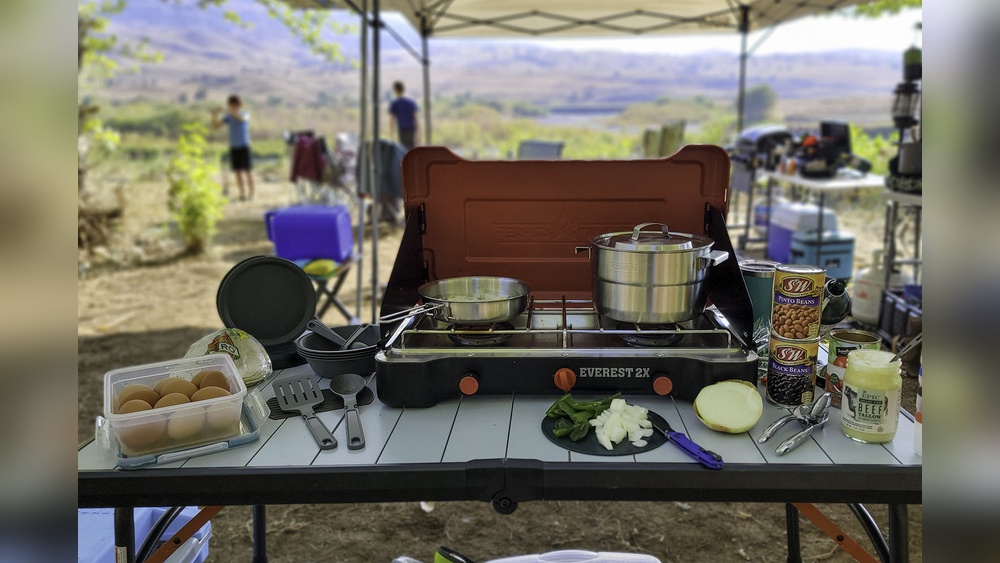
Safety Tips for Camping Pans, Guide for Safe Use
When you’re out camping, your cooking gear becomes your best friend—and your pans are right at the center of it all. But have you ever stopped to think about how to use your camping pans safely?
Whether you’re a seasoned camper or packing up for your first trip, knowing the right safety tips can protect you from burns, accidents, and even ruined meals. In this guide, you’ll discover simple, practical ways to handle, clean, and maintain your camping pans so you can cook with confidence and enjoy every bite without worry.
Ready to make your next outdoor cooking experience safer and smoother? Let’s dive in!
Choosing Safe Camping Pans
Choosing safe camping pans is key for a great outdoor cooking experience. The right pans protect your health and make cooking easier. They should be free from harmful chemicals and strong enough for rough use. This section guides you through selecting pans with safe materials, non-toxic options, and the right balance of durability and weight.
Materials That Matter
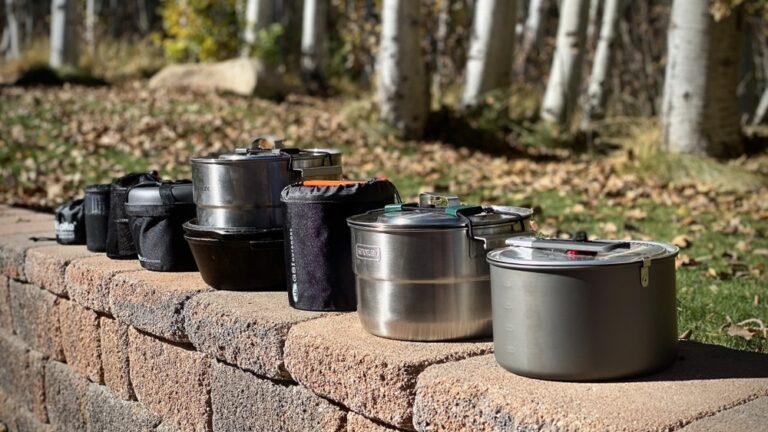
Camping pans come in many materials. Aluminum heats quickly but may react with acidic foods. Stainless steel is strong and rust-resistant but heats slower. Titanium is lightweight, very durable, and does not react with food. Each material affects cooking and safety differently.
Non-toxic Cookware Options
Non-toxic pans avoid harmful chemicals like PFOA and PTFE. Cast iron is natural and safe but heavy. Ceramic-coated pans offer a non-stick surface without toxic chemicals. Titanium pans are chemical-free and safe for all foods. Choosing non-toxic pans keeps your meals healthy and clean.
Durability And Weight Considerations
Camping pans must handle heat and rough conditions. Heavy pans like cast iron last long but add to your pack weight. Lightweight pans like titanium are easy to carry but cost more. Balance durability and weight to suit your trip length and cooking needs.
Preparing Pans For Camping
Preparing your camping pans properly ensures safer cooking and better food taste outdoors. Clean and seasoned pans prevent sticking and rust. This saves time and effort while camping. Follow simple steps to get your pans ready for your next trip.
Seasoning Cast Iron And Non-stick Pans
Seasoning cast iron pans creates a natural non-stick layer. Start by washing the pan with warm water and mild soap. Dry it completely. Rub a thin layer of cooking oil over the entire surface. Place the pan upside down in an oven at 350°F (175°C) for one hour. Let it cool in the oven. This process protects the pan from rust and improves cooking performance.
Non-stick pans also benefit from light seasoning. Wipe the cooking surface with a small amount of oil before the trip. Avoid heavy oils or sprays that can damage the coating. This helps maintain the pan’s non-stick quality and extends its life.
Cleaning Before The Trip
Clean your camping pans thoroughly before packing. Remove all food residues and grease. Use warm water and a soft sponge to avoid scratching. For stubborn stains, soak the pan in warm soapy water for a few minutes.
Dry the pans completely to prevent rust or mold during storage. Check for any damages like cracks or chips. Replace or repair damaged pans to avoid safety risks while cooking outdoors.
Setting Up A Safe Cooking Area
Setting up a safe cooking area is crucial for a fun and accident-free camping experience. Proper preparation helps avoid injuries and prevents fires. Follow simple steps to create a secure space for your camping pans and cooking gear.
Selecting A Stable Surface
Choose a flat, level ground to place your camping pans. Uneven surfaces can cause pots to tip over and spill hot food or liquids. Rocks, dirt, or packed earth work well as stable bases. Avoid soft or loose soil that may shift under weight.
Keeping Away From Flammable Materials
Keep your cooking spot clear of dry leaves, grass, and branches. These materials can easily catch fire from sparks or hot pans. Maintain a safe distance between your fire and any tents or gear. Always have water or a fire extinguisher nearby for emergencies.
Using Existing Fire Rings
Use established fire rings or pits whenever possible. These areas are designed to contain flames and reduce wildfire risks. Building fires inside fire rings keeps your cooking area organized and safer. Always follow park rules about fire usage and maintenance.
Fire Safety With Camping Pans
Fire safety is crucial when using camping pans outdoors. Careless handling of fire can lead to accidents and wildfires. Knowing how to manage fire with camping pans keeps you and nature safe.
Checking Fire Danger Levels
Always check local fire danger levels before lighting a fire. Many areas post daily fire risk updates online or at park entrances. Avoid fires on high-risk days to prevent wildfires. Use fire danger maps to plan your cooking activities safely.
Proper Use Of Fuel Sources
Choose the right fuel for your camping pan stove. Use only approved fuels like propane or butane cartridges. Store fuel away from flames and heat sources. Never refill fuel near open flames. Follow manufacturer instructions to avoid leaks and explosions.
Avoiding Direct Contact With Flames
Keep your camping pan above the flame, not touching it. Flames can damage pan coatings and cause uneven cooking. Use a stable stand or grill to hold your pan. Avoid placing pans directly in campfires or on hot coals. This practice extends pan life and reduces fire hazards.
Safe Cooking Practices
Safe cooking practices are essential for enjoying a camping meal without health risks or accidents. Using camping pans correctly helps prevent burns and foodborne illnesses. Simple habits keep your outdoor cooking safe and pleasant.
Handling Hot Pans Carefully
Always use heat-resistant gloves or pot holders when touching hot pans. Avoid grabbing pans with bare hands to prevent burns. Place hot pans on a stable, heat-safe surface to cool down. Keep children and pets away from the cooking area. Move slowly and steadily when carrying hot pans to avoid spills.
Maintaining Food Temperature
Cook food thoroughly to kill harmful bacteria. Use a food thermometer if possible to check the temperature. Keep hot food above 140°F (60°C) to stay safe. Store cooked food in insulated containers to retain heat. Avoid leaving cooked food out for more than two hours.
Using Separate Utensils For Raw And Cooked Foods
Use different utensils for raw meat and cooked dishes to stop cross-contamination. Clean utensils and pans thoroughly between uses. Wash your hands after handling raw food. Prepare raw and cooked foods on separate surfaces. This practice helps keep your meals safe and healthy.
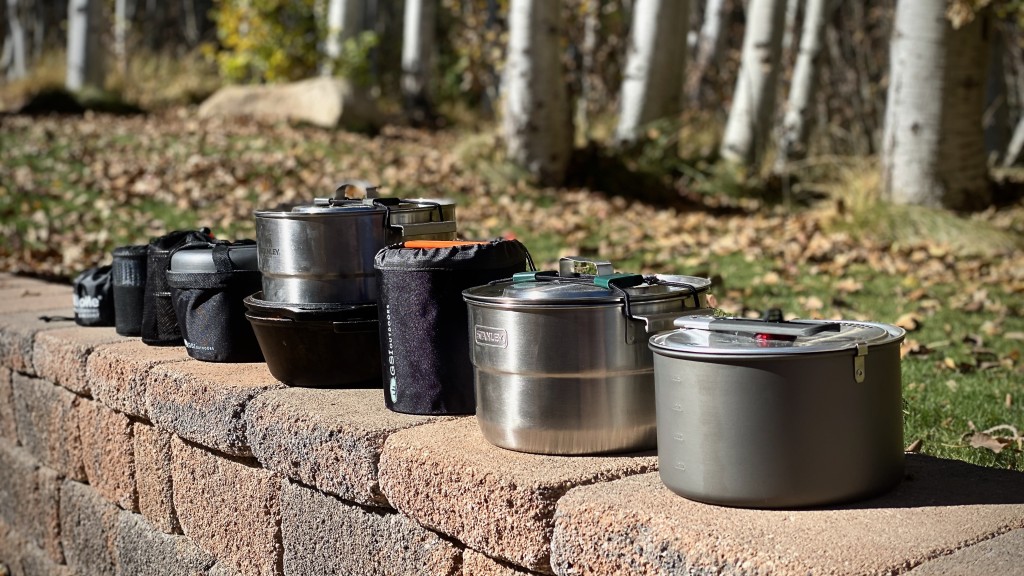
Credit: www.outdoorgearlab.com
Cleaning And Maintenance Outdoors
Cleaning and maintaining camping pans outdoors keeps them safe and ready for use. Dirt, food residue, and grease can build up fast during trips. Proper cleaning prevents harmful bacteria and extends the life of your pans. Outdoor care needs simple steps that respect the environment. Follow these tips to clean well and avoid damage.
Washing Pans Efficiently
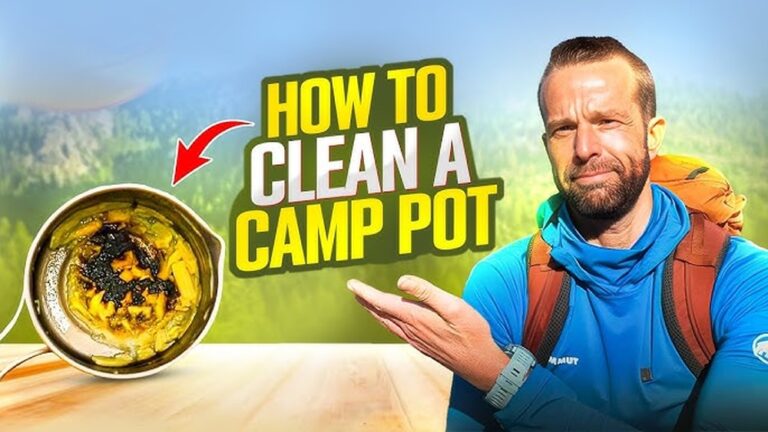
Use hot water to loosen stuck food. Start with the cleanest part of the pan. Scrub gently with a small sponge or cloth. Avoid harsh soaps that may leave residue or harm nature. Rinse pans thoroughly with clean water. Carry biodegradable soap for safe cleaning outdoors. Dry pans completely to prevent rust or mold.
Disposing Of Waste Water Responsibly
Dispose of washing water away from lakes and streams. Use a small hole or natural depression to pour water. This helps avoid polluting water sources. Scatter leftover food bits far from campsites. Carry out all trash and leftover scraps. Protect wildlife and keep camping areas clean for others.
Preventing Damage During Cleaning
Do not use metal scrubbers on non-stick or coated pans. Avoid dropping pans on rocks or hard surfaces. Use gentle cleaning tools to keep coatings intact. Season cast iron pans before and after trips. Store pans in padded bags to prevent scratches. Careful handling ensures pans last many camping seasons.
Storage And Transport Tips
Proper storage and transport of camping pans keep them safe and clean for every trip. Carrying pans carefully prevents dents and scratches. Organizing them well helps quick access and avoids mess. Keeping pans free from dirt and germs protects your health outdoors.
Protecting Pans From Damage
Use cloth or foam padding around pans to prevent scratches. Stack pans with softer items like towels between them. Avoid placing heavy gear on top of pans during transport. Store pans in a hard container or a sturdy bag to shield them from impacts.
Packing For Easy Access
Place pans in a spot where you can reach them fast. Keep lids and handles together to avoid losing parts. Pack pans near your cooking area in the bag. Arrange pans so the cleanest ones stay on top for quick use.
Avoiding Contamination
Clean pans thoroughly before packing to remove food residue. Use separate bags for clean and dirty pans to stop germs from spreading. Store pans away from raw food or chemicals. Cover pans with a clean cloth or lid to keep bugs and dirt out.

Credit: www.amazon.com

Credit: www.amazon.com
Frequently Asked Questions
What Are The 7 C’s Of Camping?
The 7 C’s of camping are: Cutting tools, Clothing, Cover (shelter), Cooking gear, Cleanliness, Comfort items, and Communication devices.
What Are 5 Campfire Safety Tips?
1. Check fire danger levels before starting a campfire. 2. Use existing fire rings or build fires away from flammable materials. 3. Keep water or a fire extinguisher nearby to control the fire. 4. Never leave the campfire unattended. 5.
Fully extinguish the fire before leaving the site.
What Is The 200 Rule For Camping?
The 200 rule for camping means keeping campfires at least 200 feet away from water sources to protect the environment. This distance helps prevent pollution and safeguards wildlife habitats. Always follow this rule to camp responsibly and minimize your impact on nature.
What Is The Best Non Toxic Camping Pans?
The best non-toxic camping pans are made from titanium or stainless steel. They are durable, lightweight, and free from harmful chemicals. Avoid non-stick coatings that release toxins when heated. Choose pans with natural materials for safe, healthy outdoor cooking.
Conclusion
Camping pans need careful handling to keep you safe outdoors. Always place pans on stable surfaces to avoid spills. Use the right fuel and tools to prevent accidents. Clean your pans properly to avoid food contamination. Keep flammable materials away from your cooking area.
Following these simple tips helps ensure a fun and safe camping meal. Enjoy cooking without worry and make your trip memorable. Safety first, then great food and good times around the campfire.

I am an outdoor enthusiast and gear researcher passionate about camping, hiking, backpacking, and outdoor adventures. I enjoy testing gear, comparing products, and sharing practical advice to help readers make informed decisions. At BestOutsideGear, I create honest gear reviews, buying guides, and outdoor tips to help adventurers choose the right equipment with confidence.