Size Guide for Camping Utensils for Perfect Gear Choices
When you’re packing for your camping trip, the size of your utensils can make all the difference between a smooth cooking experience and a frustrating one. Too big, and they weigh you down; too small, and you struggle to prepare your meals comfortably.
You want your camping utensils to fit your cooking style, the number of people in your group, and the space you have available. This size guide for camping utensils will help you choose the perfect tools that match your needs, so you can focus on enjoying your outdoor adventure without worrying about your gear.
Keep reading to discover how to pick the right sizes and make your camp kitchen both efficient and hassle-free.
Choosing Utensil Sizes
Choosing the right size for camping utensils affects your cooking ease and packing. Small utensils save space but may be less comfortable to use. Large utensils offer better handling but take more room in your pack.
Small Vs Large Utensils
Small utensils are lightweight and compact. They fit well in small backpacks and are easy to carry. Large utensils provide more control for stirring and serving food. They suit campfires and bigger cooking pots better. Pick sizes that balance comfort and space.
Portability Considerations
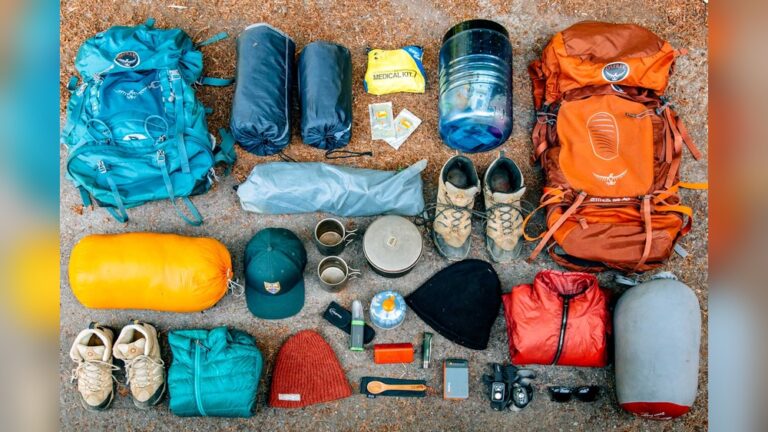
Portability is key for camping gear. Smaller utensils reduce overall pack weight. They often nest inside each other for easy storage. Large utensils may require separate cases or bags. Choose sizes that match your transport method and packing style.
Matching Utensils To Group Size
Group size impacts utensil needs. Small groups can use fewer, smaller utensils. Larger groups need multiple sets or bigger utensils to serve everyone. Consider how many meals and servings you plan to prepare. This helps avoid carrying extra or missing tools.
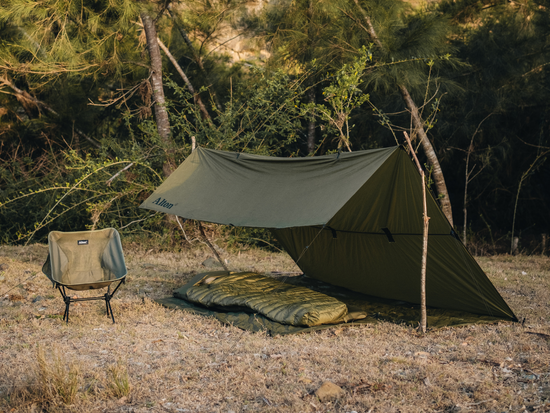
Credit: altongoods.com
Materials And Durability
Choosing the right materials for camping utensils matters a lot. Durability ensures your tools last through many trips. Material type affects weight, strength, and ease of cleaning. Knowing different material options helps you pick utensils that suit your camping style.
Metal Options
Metal utensils are sturdy and long-lasting. Stainless steel resists rust and handles high heat well. Aluminum is lightweight but less strong than steel. Titanium offers the best strength-to-weight ratio but costs more. Metals can withstand rough use and sharp cleaning.
Plastic And Silicone Choices
Plastic utensils are light and affordable. They are less durable and may melt near fire. Silicone is flexible, heat-resistant, and soft on cookware. Both plastic and silicone are easy to pack and clean. Choose BPA-free plastics for safer use.
Weight And Strength Balance
Lightweight utensils reduce pack weight and fatigue. Strong materials prevent bending or breaking during use. Metal is strong but heavier. Silicone and plastic are light but less tough. Find a balance based on trip length and cooking needs.
Essential Utensils To Pack
Packing the right utensils is key for a smooth camping trip. Essential utensils help you cook and eat without hassle. Choosing the right sizes ensures you carry only what you need. It saves space and weight in your backpack. Here is a simple guide to must-have utensils for camping.
Cooking Tools
Start with basic cooking tools like a small pot and pan. Choose sizes that fit your group size. A 1 to 2-quart pot works well for solo or duo camping. Use a pan around 8 to 10 inches for frying or sautéing. A compact spatula and a foldable spoon complete the set. Pick tools made from lightweight, durable materials like titanium or aluminum.
Eating Utensils
Pack a fork, spoon, and knife for each camper. Lightweight and reusable utensils reduce waste and weight. Consider utensils that nest or clip together for easy storage. Avoid bulky or heavy cutlery to keep your pack light. A small plate or bowl helps with meals and snacks. Sizes around 7 to 8 inches work well for eating and serving.
Specialty Items
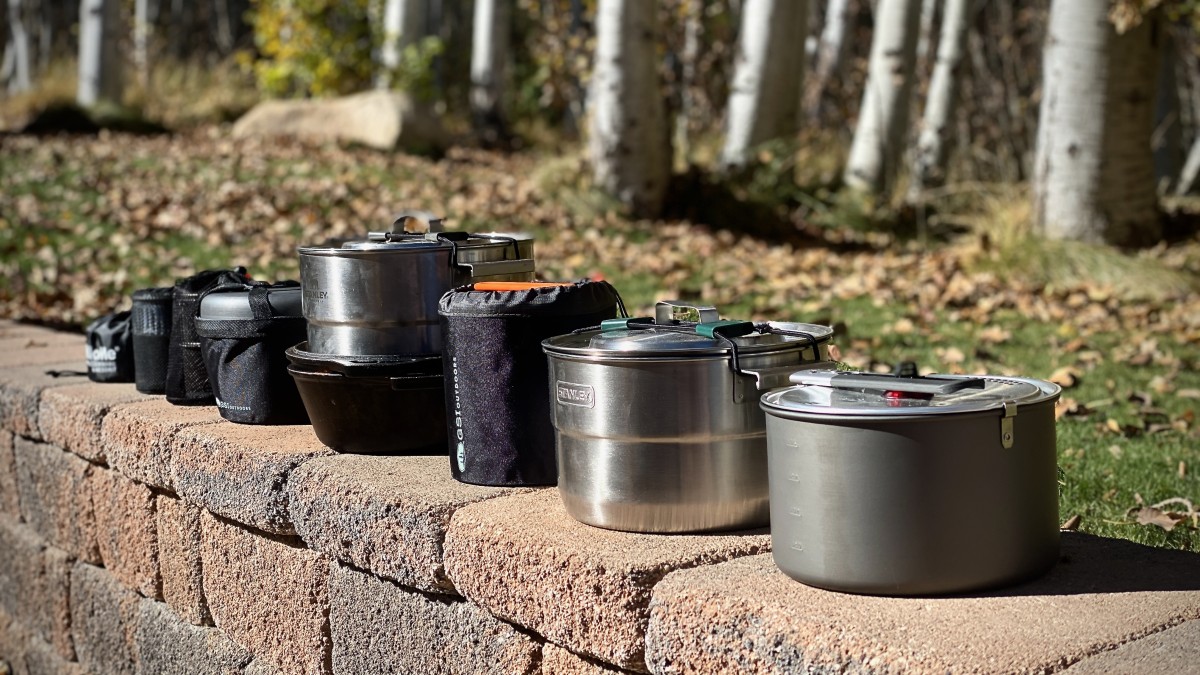
Specialty utensils add convenience and comfort on the trail. A collapsible coffee dripper or small kettle is great for hot drinks. Carry a small cutting board for food prep. A multipurpose tool with a can opener and bottle opener is handy. Packing a lightweight strainer or colander helps with washing foods. Choose items that fold or collapse to save space.
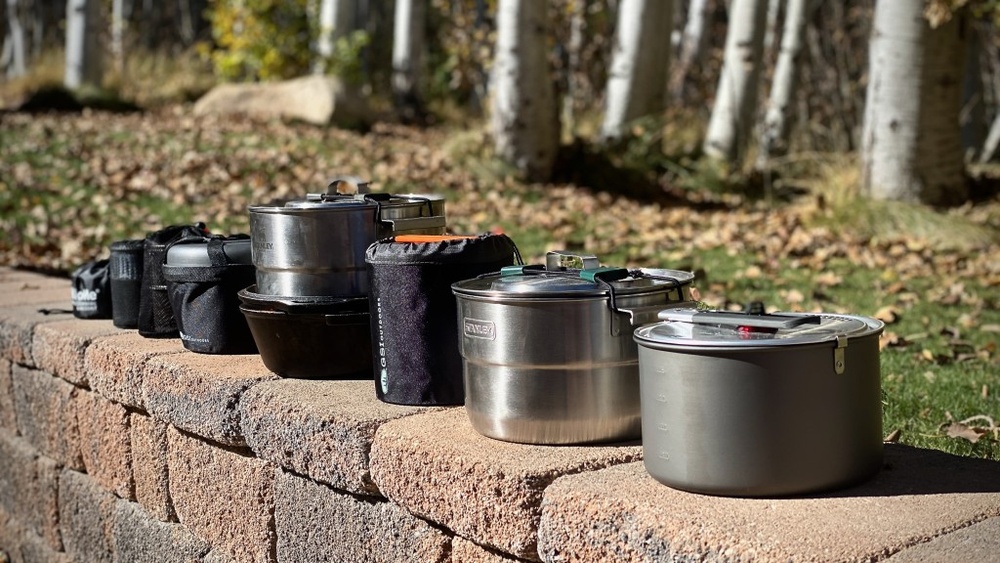
Credit: www.outdoorgearlab.com
Cookware Size Guide
Choosing the right size cookware is key for enjoyable camping meals. The cookware size guide helps campers pick pots and pans that fit their needs. It balances weight, space, and cooking capacity. This guide breaks down pot and pan dimensions, measuring features, and meal capacities.
Understanding these factors makes cooking outdoors easier and more efficient. It avoids carrying too much or too little gear. Campers can cook meals perfectly sized for their group and trip length.
Pot And Pan Dimensions
Pot and pan sizes vary by diameter and depth. Small pots range from 5 to 7 inches wide. Larger pots can reach 9 inches or more. Depth affects how much food or liquid fits inside. Shallow pans are better for frying. Deep pots suit soups and stews. Choose dimensions based on meal types and group size.
Measuring And Marking Features
Many camping pots have measuring marks inside. These marks show volume in cups or liters. They help campers measure water and ingredients easily. This feature saves time and reduces extra tools. Clear markings improve cooking accuracy outdoors. Look for cookware with visible and durable marks.
Capacity For Different Meals
Cookware capacity determines how much food you can cook at once. Small pots hold about 1 to 1.5 liters. They suit solo campers or light meals. Medium pots hold 2 to 3 liters, good for two or three people. Large pots hold 4 liters or more for groups. Match capacity to meal plans and group size for best results.
Packing Tips For Efficiency
Packing camping utensils efficiently saves space and reduces weight. This makes your backpack lighter and your cooking easier. Smart packing helps you find items quickly. It also protects your gear during travel. Use these tips to pack utensils well for your next trip.
Compact Storage Solutions
Choose utensils that nest or stack together. Use small bags or cases to hold sets. Wrap utensils in cloth to prevent noise and scratches. Store items inside pots or cups to save space. Keep similar items together for quick access.
Multi-use Utensils
Pick utensils that serve more than one purpose. Sporks combine spoon and fork in one tool. Folding knives can be both cutting tools and utensils. Multi-use tools reduce the number of items you carry. This saves weight and space in your pack.
Protecting Gear From Damage
Place sharp utensils in covers or sleeves. Avoid loose items that can scratch or break. Use padding like cloth or foam inside bags. Keep utensils dry to prevent rust or mold. Proper care extends the life of your camping tools.

Credit: www.reddit.com
Adjusting For Trip Type
Choosing the right size for camping utensils depends greatly on the type of trip planned. Different trips need different gear sizes for comfort and convenience. Adjusting utensil sizes helps balance between carrying weight and usability.
Consider the trip length, cooking needs, and how you travel. This ensures you carry only what is necessary and avoid extra bulk. Understanding these factors leads to better packing and a more enjoyable camping experience.
Day Trips Vs Extended Camping
Day trips require minimal utensils. A small spoon, fork, and knife usually suffice. Compact items save space and weight. You do not need large pots or extra utensils for short stays.
Extended camping needs more utensils and larger sizes. Pots and pans should be able to cook full meals. Bring extra utensils for different foods. This setup supports varied and multiple meals.
Backpacking Considerations
Backpacking demands lightweight and compact utensils. Every ounce counts when carrying gear on your back. Choose foldable or nesting utensils to save space. Smaller pots with measurement marks help cook efficiently.
Limit utensils to essentials only. Multi-use items reduce the number of pieces to carry. Durability is key to withstand rough use on trails.
Car Camping Flexibility
Car camping allows more freedom in utensil size and quantity. You can carry heavier and bulkier items. Larger pots and extra utensils improve cooking options and comfort.
Bring specialized utensils for different foods. Consider extra tools like spatulas and tongs. Space and weight are less of a concern with a vehicle nearby.
Cleaning And Maintenance
Proper cleaning and maintenance keep your camping utensils safe and ready. Dirt and food residue can cause damage or bad smells. Clean utensils last longer and work better on every trip. Follow simple steps for good care.
Easy-to-clean Materials
Choose utensils made from stainless steel or silicone. These materials resist stains and rust. They clean quickly without leaving residue. Avoid wood if you want easy cleaning, as it absorbs moisture and smells. Lightweight metals dry faster and need less effort.
Cleaning Tools To Bring
Carry a small sponge or scrub brush for washing. Pack biodegradable soap to protect nature. Bring a cloth or towel to dry utensils after cleaning. A collapsible basin helps wash utensils without using much water. These tools keep your kit light and effective.
Storage After Use
Dry utensils completely before packing to stop rust and mold. Use a mesh bag or container for airflow. Avoid tight plastic bags that trap moisture. Store utensils separately from food to keep them clean. Proper storage keeps your gear fresh for the next camp.
Frequently Asked Questions
What Is The 200 Rule For Camping?
The 200 rule for camping means keeping at least 200 feet away from water sources to protect the environment and prevent pollution.
What Is The Most Forgotten Item When Camping?
The most forgotten camping item is extra batteries and chargers. People often overlook insect repellent, first aid kits, and cooking utensils too.
How To Choose Camping Cookware?
Choose lightweight, durable cookware sized for your group. Opt for non-stick, easy-to-clean materials. Prioritize compact, nestable sets for space-saving. Select pots and pans matching your meal plans. Ensure compatibility with your heat source.
What Is The Standard Cooking Utensil Size?
The standard cooking utensil size varies by type but typically ranges from 10 to 14 inches for spoons and spatulas. Pots usually hold 1 to 3 quarts. These sizes suit most cooking tasks and ensure easy handling and storage.
Conclusion
Choosing the right size camping utensils makes cooking easier outdoors. Smaller utensils save space and weight in your bag. Larger tools help when cooking for groups or big meals. Think about how many people you will feed. Also, consider your cooking style and meal plans.
Packing wisely keeps your camp kitchen simple and efficient. This guide helps you pick utensils that fit your needs. Enjoy your outdoor cooking with the right gear at hand.

I am an outdoor enthusiast and gear researcher passionate about camping, hiking, backpacking, and outdoor adventures. I enjoy testing gear, comparing products, and sharing practical advice to help readers make informed decisions. At BestOutsideGear, I create honest gear reviews, buying guides, and outdoor tips to help adventurers choose the right equipment with confidence.