How to Pack With Water Filter for Safe Travel
Packing your water filter the right way can make all the difference on your outdoor adventures. If you want to stay safe, hydrated, and stress-free, knowing exactly how to pack your water filter is key.
Imagine reaching a clean water source quickly without fumbling through your gear or worrying about contamination. In this guide, you’ll discover simple, effective tips to organize and protect your water filter so it’s ready when you need it most. Keep reading to learn how to pack with your water filter like a pro and enjoy every step of your journey with confidence.
Choosing The Right Filter
Choosing the right water filter is key for safe hydration on your trip. A good filter removes harmful particles and bacteria from water. It also fits your travel style and gear. Understanding filter types, what they can remove, and their size helps you pick the best one.
Types Of Water Filters
Several types of water filters exist. Pump filters use a hand pump to push water through a filter. Gravity filters work by hanging a bag of water above the filter. Straw-style filters let you drink directly from the water source. Each type suits different needs and situations.
Filter Capabilities
Filters remove various contaminants. Some stop bacteria and protozoa like Giardia. Others also reduce viruses. Certain filters remove chemicals and heavy metals. Check what your filter can handle. Match this with the water sources you expect to use.
Size And Weight Considerations
Weight matters in packing. Lightweight filters are easier to carry on long trips. Compact filters take less space in your bag. Bigger filters may clean water faster but add bulk. Choose a filter size that fits your travel plans and pack space.
Preparing Your Filter For Travel
Preparing your water filter for travel is essential for safe and easy use. Taking the right steps keeps your filter clean, working well, and ready for any adventure. Proper preparation saves time and prevents damage during your trip.
Cleaning And Maintenance
Start by rinsing your filter with clean water after each use. Remove any dirt or debris stuck in the filter. Use a soft brush or cloth to clean the outside parts. Avoid using soap or chemicals that can harm the filter. Follow the manufacturer’s instructions for deep cleaning.
Drying And Storage Tips
Dry your water filter completely before packing it. Shake out all water from inside the filter. Leave it in a warm, dry place to air dry. Store the filter in a clean, dry bag or container. This prevents mold and bacteria growth during travel.
Preventing Freezing Damage
Water filters can break if frozen. Drain all water from the filter before cold trips. Keep the filter inside your sleeping bag or close to your body at night. Use insulated covers to protect the filter from freezing. Avoid packing the filter in cold, exposed spots.
Packing Techniques
Packing your water filter correctly ensures it stays safe and works well. Proper packing protects the filter from damage and makes your trip easier. Use smart packing techniques to keep the filter clean and ready to use. Organize your gear so the filter is easy to find and use during breaks.
Protecting The Filter In Your Bag
Wrap the water filter in a soft cloth or small pouch. This cushions it from bumps and drops. Place the wrapped filter in the middle of your backpack. Avoid placing heavy items on top to prevent crushing. Keep the filter away from sharp objects that could puncture it. If your filter has fragile parts, pack them separately for extra care.
Using Filter Accessories
Use accessories like hoses, cleaning brushes, and adapters to improve filter use. Store hoses coiled neatly to avoid kinks or damage. Keep brushes clean and dry to prevent mold growth. Carry small parts in a zippered bag to avoid losing them. Check accessories before packing to ensure everything works well. Accessories help maintain the filter and make water collection easier.
Organizing For Easy Access
Pack the filter where you can reach it quickly during stops. Use side pockets or a top compartment for fast access. Group all water-related gear in one section to avoid searching. Label or mark the filter pouch for easy identification. Easy access saves time and keeps your hands free for other tasks. Keep the filter ready to use without unpacking your whole bag.

Credit: www.amazon.com
Using The Filter On The Go
Using a water filter on the go makes staying hydrated easier and safer. Carrying a filter allows you to drink from natural water sources. This section covers how to find safe water, prepare it before filtering, and use your filter efficiently.
Finding Safe Water Sources
Look for clear streams, rivers, or springs. Avoid water near farms or factories. Check for signs of pollution or algae. Collect water upstream from human activity. Choose flowing water over stagnant pools whenever possible.
Prefiltration Methods
Remove large debris before filtering. Use a cloth or bandana to strain dirt and leaves. Let water sit to allow sediment to settle. Pour clear water into the filter to avoid clogging. Prefiltration extends the filter’s life and improves flow.
Efficient Filtering Practices
Use steady pressure to push water through. Avoid forcing water too hard or too fast. Clean the filter regularly according to instructions. Carry extra parts for long trips. Store the filter in a clean, dry place when not in use.
Troubleshooting Common Issues
Troubles with your water filter can disrupt your outdoor plans. Knowing how to fix common problems saves time and stress. This section helps you handle usual issues fast. Keep your water clean and safe on every trip.
Dealing With Clogs
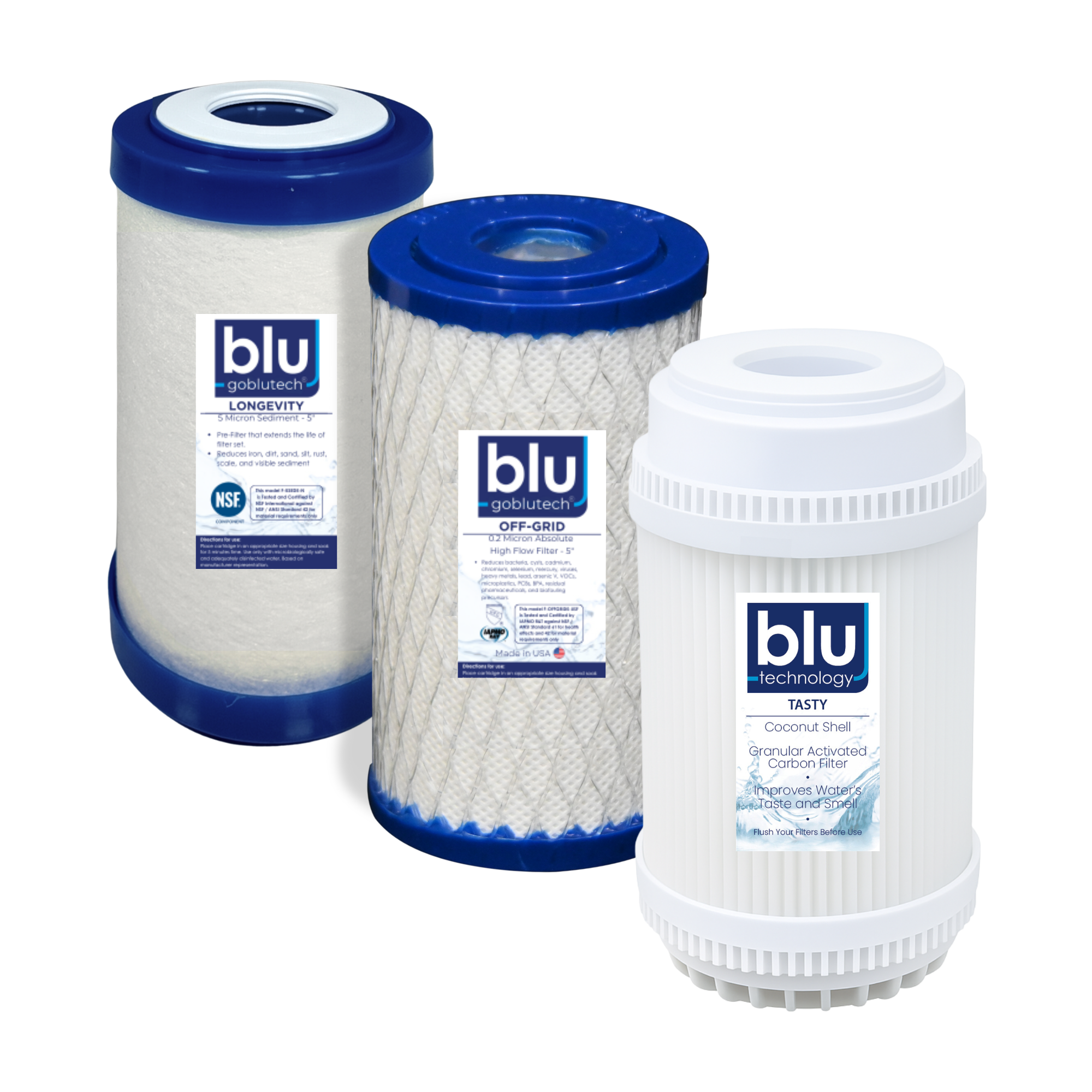
Clogs block water flow and reduce filter performance. To clear a clog, backflush the filter with clean water. Use the syringe or backflush tool that came with your filter. Avoid forcing water through, which can damage the filter. Clean the filter regularly during trips to prevent buildup.
Filter Lifespan And Replacement
Every filter has a limit on how much water it can clean. Check the manufacturer’s guide for lifespan details. Track how much water you filter on your trips. Replace the filter once it reaches its limit to stay safe. Old filters may let harmful particles through.
Handling Unexpected Damage
Filters can crack or break during travel. Inspect your filter before use for any damage. Carry a small repair kit or tape for quick fixes. If the damage is severe, switch to backup purification methods like tablets or boiling. Protect your filter by packing it in a padded case.
Credit: goblutech.com
Additional Tips For Safe Water
Ensuring safe drinking water is vital when packing with a water filter. Using a filter alone might not remove all harmful elements. Follow these extra tips to keep your water clean and healthy. These methods boost your safety and hydration during outdoor trips.
Combining Filtration With Other Treatments
Some water sources carry viruses that filters can miss. Use chemical tablets or UV light after filtering. This double treatment kills viruses and bacteria effectively. Always follow product instructions for best results. This approach adds an extra layer of safety to your water.
Hydration Strategies
Drink regularly to stay hydrated throughout your trip. Carry a reusable water bottle with your filter attached. Filter water before drinking to avoid sickness. Plan your water stops ahead based on your route. This helps keep your energy high and your body functioning well.
Packing Backup Water Supplies
Carry extra water in collapsible containers or bottles. Store some treated water in sealed bottles for emergencies. Backup supplies help during filter failure or dry areas. Always pack more water than you think you need. This simple step ensures you never run out of safe water.
Credit: uswatersystems.com
Frequently Asked Questions
Do Water Filters Remove Giardia?
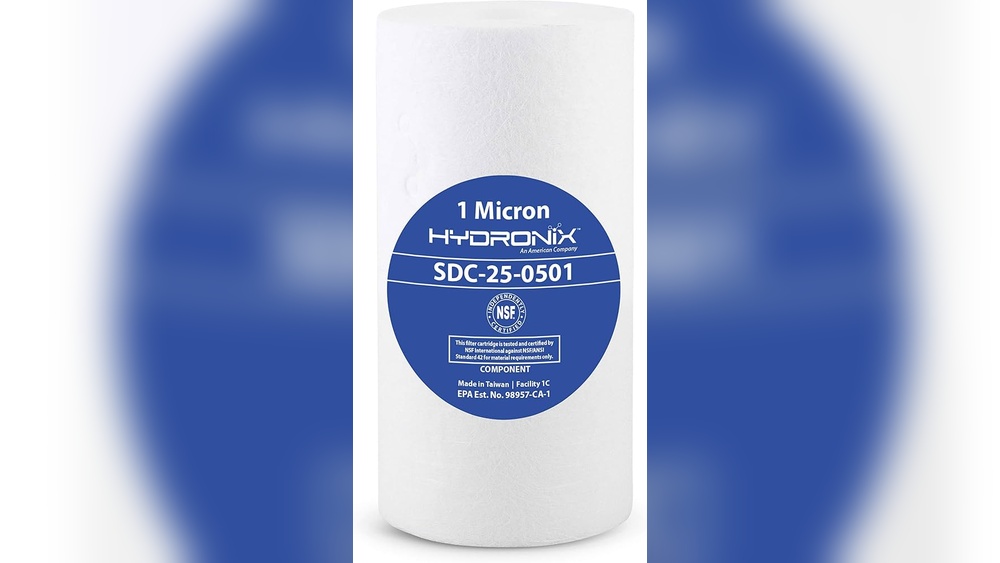
Yes, many water filters effectively remove giardia by filtering out cysts and parasites. Choose filters with pore sizes of 1 micron or smaller for protection.
What Is The Best Water Filter For Arsenic?
The best water filters for arsenic are reverse osmosis and activated alumina filters. They effectively remove arsenic from water.
Do Water Filters Remove Cryptosporidium?
Water filters with pore sizes of 1 micron or smaller effectively remove Cryptosporidium from water. Use filters labeled for protozoa removal.
Does Ro Water Help With Kidney Stones?
RO water reduces minerals like calcium and magnesium, lowering kidney stone risks. It also removes toxins harmful to kidneys, promoting better kidney health.
Conclusion
Packing with a water filter keeps your water safe and fresh on trips. Choose a light, reliable filter that fits your bag easily. Store it where it won’t freeze or get damaged. Clean the filter after use to keep it working well.
Always carry enough water containers for backup. This simple step makes your outdoor adventure healthier and more enjoyable. Stay prepared, stay hydrated, and enjoy your journey with confidence.

I am an outdoor enthusiast and gear researcher passionate about camping, hiking, backpacking, and outdoor adventures. I enjoy testing gear, comparing products, and sharing practical advice to help readers make informed decisions. At BestOutsideGear, I create honest gear reviews, buying guides, and outdoor tips to help adventurers choose the right equipment with confidence.