Maintenance Tips for Camping Coffee Maker: Ultimate Care Guide
You love starting your camping mornings with a fresh cup of coffee, but is your camping coffee maker ready to deliver that perfect brew every time? Keeping your coffee maker clean and well-maintained not only ensures great taste but also extends its life, saving you time and money on replacements.
You’ll discover simple and effective maintenance tips that anyone can follow—even if you’re new to camping gear care. Stick with us, and your camping coffee maker will always be ready to serve up your favorite brew, no matter where your adventures take you.
Choosing The Right Camping Coffee Maker
Camping coffee makers come in several types. Popular ones include French presses, percolators, and pour-over models. Each type brews coffee differently and suits various preferences.
Materials affect durability. Stainless steel is strong and rust-resistant. Aluminum is lightweight but can wear out faster. Plastic models are light but may break easily.
Portability is key for camping gear. Smaller, compact coffee makers save space. Foldable handles and parts make packing easier. Choose one that fits your backpack well.

Credit: aeropress.com
Daily Cleaning Routine
After brewing, empty the coffee grounds and rinse the carafe with warm water. This prevents old coffee flavors from building up. Use a soft cloth or sponge to wipe any spills on the outside and inside of the coffee maker. Pay attention to residue around buttons and edges.
Make sure all parts are completely dry before putting them away. Leaving parts wet can cause mold or rust. Air drying on a clean towel works best. Store the coffee maker in a dry place to keep it ready for the next use.
Deep Cleaning Techniques
Vinegar works well for removing mineral build-up inside your coffee maker. Mix equal parts of vinegar and water, then run the solution through the machine. This process helps to descale the coffee maker and improve taste. After descaling, run plain water through the machine twice to remove any vinegar smell.
Baking soda is great for removing bad odors. Make a paste with baking soda and water, then scrub the inside parts gently. This method neutralizes smells and keeps your coffee maker fresh. Rinse thoroughly afterward to avoid residue.
Use mild detergents or dish soap to clean oily coffee stains. Mix soap with warm water and wipe all surfaces using a soft cloth or sponge. This helps remove oily residue and keeps your coffee maker shiny and clean. Always rinse well to avoid soap taste.
Preventing Mineral Buildup
Using filtered water helps reduce mineral buildup inside your coffee maker. It keeps the machine cleaner and improves the taste of your coffee. Filtered water has fewer minerals like calcium and magnesium that cause scale accumulation. This means less frequent cleaning and longer machine life.
Set a regular descaling schedule to keep your coffee maker in top shape. Descale every 1-3 months depending on how often you use it and water hardness. Use a mix of vinegar and water or a commercial descaler. Run the solution through the machine, then rinse well with clean water.
Look for these signs of scale accumulation: slower brewing, strange noises, or less hot coffee. White or crusty deposits inside the water tank or on heating parts also show buildup. Acting early prevents damage and keeps coffee tasting fresh.
Maintaining Components
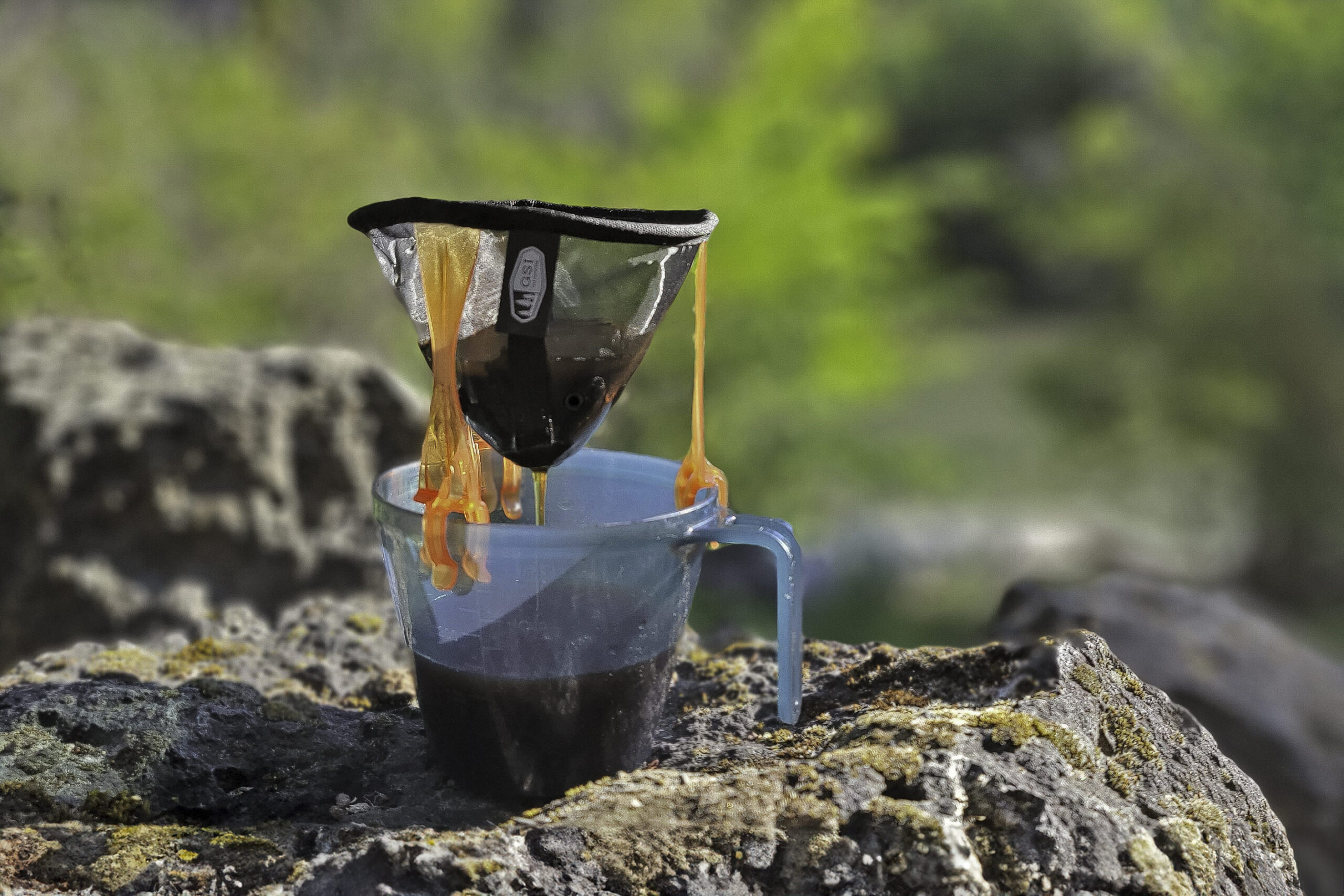
Cleaning filters and mesh screens keeps your coffee fresh and brewing well. Rinse them with warm water after each use. Use a soft brush to remove coffee grounds stuck in the mesh. Avoid harsh scrubbing to prevent damage.
Inspecting seals and gaskets helps stop leaks and keeps pressure steady. Check for cracks or wear regularly. Replace any damaged seals to maintain a good seal and prevent water from escaping.
Lubricating moving parts ensures smooth operation and prevents rust. Use food-safe lubricant on hinges and joints. Wipe away any excess to avoid attracting dirt or coffee residue.

Credit: www.amazon.com
Storage Tips For Longevity
After use, make sure the coffee maker is completely dry. Any moisture left can cause mold or rust. Leave it open in a warm place to dry fully before storing.
Keep the coffee maker away from dust and debris. Use a clean cloth to wipe it before packing. Store it in a sealed bag or container to protect it from dirt.
Pack the coffee maker carefully for travel. Use soft cloth or bubble wrap to avoid damages. Place it in a sturdy box or bag to keep it safe during transport.
Troubleshooting Common Issues
Clogs and blockages can stop water flow in your camping coffee maker. Use a small brush or toothpick to clear the holes. Running clean water mixed with vinegar through the system helps remove buildup. Repeat if needed.
Unpleasant odors often come from old coffee oils or mold. Clean the coffee maker with warm soapy water. Rinse well and let it dry completely before use. For tough smells, use a baking soda paste to scrub the inside.
Leaks and drips usually happen because of loose parts or worn seals. Check the gasket and tighten any loose screws. Replace damaged seals to stop leaks. Always wipe the outside to keep the coffee maker dry and clean.
Credit: www.cleverhiker.com
Frequently Asked Questions
Can You Run Straight Vinegar Through A Coffee Maker To Clean It?
Running straight vinegar through a coffee maker can damage its parts. Use a diluted solution of half vinegar, half water instead. After cleaning, run plain water cycles to remove vinegar taste. This method effectively cleans without harming your machine or affecting coffee flavor.
How To Clean A Portable Coffee Maker?
Disassemble your portable coffee maker. Rinse parts with warm, soapy water. Use vinegar solution to descale. Rinse thoroughly with clean water. Dry all components before reassembling. Repeat cleaning regularly for best taste and performance.
How Often Should You Run Vinegar Through A Coffee Maker?
Run vinegar through your coffee maker every 1 to 3 months to remove mineral buildup and improve taste. Rinse well afterward.
Can You Run Vinegar Through A Percolator?
Yes, you can run a vinegar and water solution through a percolator to clean it. Use equal parts vinegar and water. Run a full cycle, then rinse with plain water to remove vinegar taste. This helps remove mineral buildup and keeps your percolator functioning well.
Conclusion
Regular cleaning keeps your camping coffee maker working well. Avoid buildup by rinsing after each use. Use mild soap and warm water to clean parts. Let all pieces dry completely before storing. Vinegar helps remove mineral deposits and odors. Clean your coffee maker often to enjoy fresh taste.
Taking care of your equipment saves money and hassle. Happy camping and enjoy your perfect cup every time!

I am an outdoor enthusiast and gear researcher passionate about camping, hiking, backpacking, and outdoor adventures. I enjoy testing gear, comparing products, and sharing practical advice to help readers make informed decisions. At BestOutsideGear, I create honest gear reviews, buying guides, and outdoor tips to help adventurers choose the right equipment with confidence.