Are Mosquito Repellent Bracelets Effective? Facts Revealed
Are Mosquito Repellent Bracelets Effective?
Mosquitoes can turn a pleasant evening outdoors into a frustrating experience. They bite, leave itchy welts, and can carry diseases like dengue, malaria, and Zika. Many people want easy ways to protect themselves, especially children and those who dislike sprays or lotions. Mosquito repellent bracelets promise a simple solution: just wear the band, and mosquitoes stay away. But do these bracelets really work, or are they just a clever marketing trick? Let’s take a closer look at how these products function, what the science says, and whether they are worth your money.
How Mosquito Repellent Bracelets Work
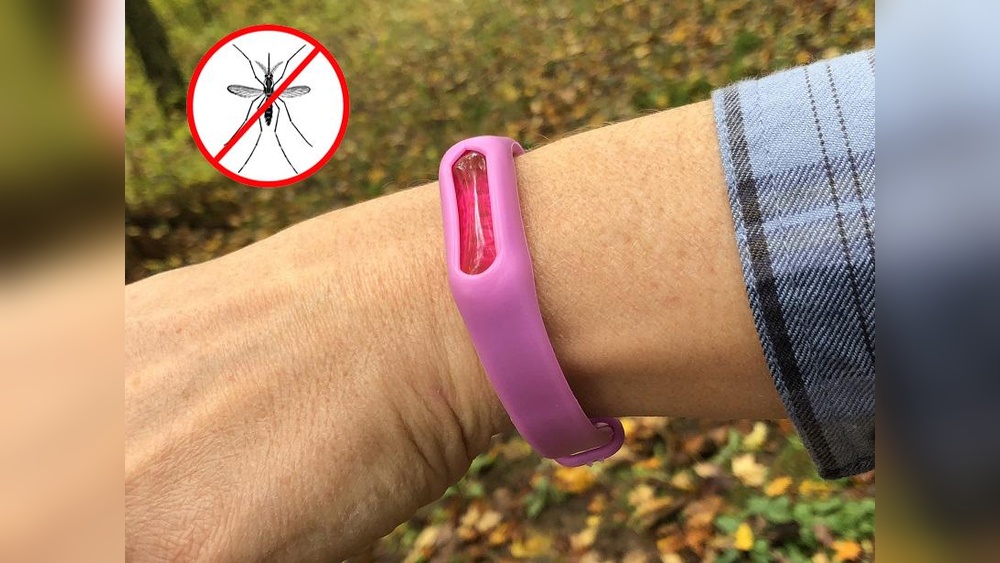
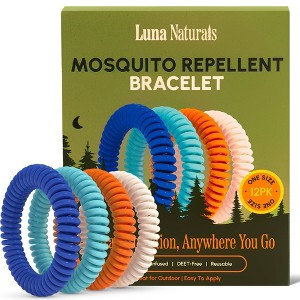
The idea behind mosquito repellent bracelets is simple. The bands are infused with chemicals or natural oils that are supposed to keep mosquitoes away. Most bracelets use one or more of these active ingredients:
- DEET (N,N-Diethyl-meta-toluamide): A well-known synthetic repellent
- Picaridin: Another common chemical repellent
- Natural oils: Usually citronella, lemongrass, eucalyptus, or lavender
These ingredients are either embedded in the bracelet material or placed in small capsules attached to the band. As you wear the bracelet, the chemicals or oils slowly evaporate, creating a protective “bubble” around your skin. Some brands also claim their products are waterproof, long-lasting, or safe for kids.
What Does Research Say?
Scientific studies have tested mosquito repellent bracelets in controlled environments. The results are mixed, but most research suggests the bracelets offer limited protection.
Laboratory Findings
A well-known study published in the Journal of Insect Science compared bracelets with traditional repellents. Here’s a summary of their findings:
| Repellent Type | Average Protection Time | Effectiveness |
|---|---|---|
| DEET Lotion (20%) | 5 hours | High |
| Citronella Bracelet | 30 minutes | Low |
| Picaridin Spray (10%) | 4 hours | High |
| Essential Oil Bracelet | 20 minutes | Very Low |
Most bracelets provided only short-term protection, and only in the area close to the band. In contrast, lotions and sprays protected the whole body for several hours.
Real-world Testing
Field tests show similar results. People wearing bracelets still experience bites on parts of their body not near the band. Mosquitoes are attracted to exposed skin, and unless the repellent covers all areas, bites can happen.
Another study from the University of Florida found that citronella bracelets reduced mosquito landings by about 10% compared to no protection. But sprays containing DEET reduced landings by 90%.
Types Of Mosquito Repellent Bracelets
There are several kinds of bracelets available. Understanding the differences can help you choose wisely.
| Type | Main Ingredient | Duration | Target Audience |
|---|---|---|---|
| DEET-Based | DEET | Up to 8 hours | Adults |
| Essential Oil | Citronella, Eucalyptus | 1-2 hours | Kids, sensitive skin |
| Picaridin | Picaridin | 4-6 hours | General use |
| Silicone Band | Varied oils | 30 minutes–2 hours | Children |
Essential oil bands are popular for children and those with sensitive skin, but their effectiveness is usually lower than chemical-based bands.
Advantages Of Mosquito Repellent Bracelets
Despite their limitations, bracelets have some benefits:
- Convenience: Easy to wear, no need to apply or reapply like sprays.
- No mess: No sticky residue or strong smell on skin.
- Portable: Can be carried in a pocket or bag, ideal for travel.
- Safe for kids: Many bands use gentle natural oils.
These features make bracelets attractive for short outdoor activities or situations where sprays are not practical.
Limitations And Common Mistakes
It’s important to understand what mosquito repellent bracelets cannot do. Many buyers make mistakes because they expect too much.
Limited Coverage
Mosquitoes can bite any exposed skin, not just your wrist or ankle. The bracelet’s “bubble” is small, so arms, legs, and face are still at risk. Some brands suggest wearing multiple bands, but this rarely gives full body coverage.
Short Duration
Most bracelets lose effectiveness quickly. Essential oil bands may last just 30–90 minutes. Even DEET-based bracelets rarely protect for more than a few hours. Sprays and lotions, when applied correctly, last much longer.
Overestimating Safety
Natural ingredients sound safe, but some people are allergic to citronella or eucalyptus. Watch for skin irritation or rashes, especially in young children. Also, bracelets can pose a choking hazard for toddlers.
Using Bracelets Alone
Many people rely only on bracelets, but this is risky in areas with heavy mosquito activity. For real protection, use bracelets with other methods, like sprays, nets, or clothing.
Comparing Bracelets With Other Repellents
How do bracelets stack up against other options? Here’s a direct comparison:
| Method | Coverage | Duration | Ease of Use | Effectiveness |
|---|---|---|---|---|
| Bracelet | Limited (near band) | 30 min–2 hours | Very easy | Low |
| Spray | Full body | 4–8 hours | Easy | High |
| Lotion | Full body | 4–6 hours | Moderate | High |
| Repellent Clothing | Covered areas | All day | Moderate | Medium |
| Essential Oil Diffuser | Room/area | 2–4 hours | Easy | Medium |
Sprays and lotions are the gold standard for mosquito protection. Bracelets are best as a backup or for very short periods.
Non-obvious Insights Most Beginners Miss
Many people assume that more bracelets equal more protection. But mosquitoes can detect body heat and carbon dioxide from a distance. Wearing three bands on each arm will not protect your legs or face.
Another common mistake is believing that “natural” means “safe. ” Essential oils can cause allergic reactions. Always test a small area of skin before wearing a bracelet for long periods, especially for children.
A less known point: effectiveness depends on weather conditions. High humidity or rain can wash away or dilute the repellent oils. If you sweat a lot, the band may lose its power faster.
Practical Tips For Using Mosquito Repellent Bracelets
If you want to use bracelets, here are some helpful tips:
- Choose the right band: Pick a bracelet with proven ingredients. DEET and picaridin work best, but essential oil bands are gentler.
- Check duration: Read the label for how long the band lasts. Carry extra bands for long outdoor activities.
- Wear more than one: If you must use bracelets, wear one on each wrist and ankle for broader coverage.
- Combine methods: Use bracelets with sprays, nets, or repellent clothing for best protection.
- Store properly: Keep unused bands in sealed bags to prevent evaporation.

Credit: www.amazon.com
Are Mosquito Repellent Bracelets Worth It?
Mosquito repellent bracelets can help, but their protection is limited. They are best for short outdoor trips, like walking the dog or playing in the yard. For camping, hiking, or travel in high-risk areas, sprays and lotions are much more reliable.
If you dislike sprays or have sensitive skin, bracelets are a useful backup. But do not expect them to keep all mosquitoes away. Using several methods together will give you the best results.
Safety Considerations
Always check the ingredient list before buying a bracelet. If you or your child has allergies, avoid products with essential oils. For young children, choose bands without small detachable parts to avoid choking.
If you notice redness, itching, or a rash, stop using the band immediately. Seek medical advice if symptoms persist.
Credit: www.target.com
Environmental Impact
Mosquito repellent bracelets are usually made from silicone or plastic. Disposable bands contribute to plastic waste. Reusable bands are better for the environment, but must be handled with care. Some brands offer refillable bands, which help reduce waste.
Regulatory Status
In the United States, mosquito repellent products must be registered with the Environmental Protection Agency (EPA). The EPA reviews the safety and effectiveness of ingredients. Not all bracelets are EPA-approved. Look for this information on the packaging.
Expert Opinions
Most entomologists and public health experts agree that bracelets offer only partial protection. The American Mosquito Control Association recommends sprays and nets over wearable bands. For more scientific detail, you can read studies on PubMed.
Final Thoughts
Mosquito repellent bracelets are convenient, easy to use, and popular with families. They can reduce mosquito bites for short periods, but their protection is limited to the area near the band. For full-body and long-lasting defense, sprays and lotions with DEET or picaridin are much more effective.
Always combine bracelets with other methods for best results, and check for allergies before use. Remember, prevention is better than cure when it comes to mosquito-borne diseases.

Credit: us.amazon.com

I am an outdoor enthusiast and gear researcher passionate about camping, hiking, backpacking, and outdoor adventures. I enjoy testing gear, comparing products, and sharing practical advice to help readers make informed decisions. At BestOutsideGear, I create honest gear reviews, buying guides, and outdoor tips to help adventurers choose the right equipment with confidence.