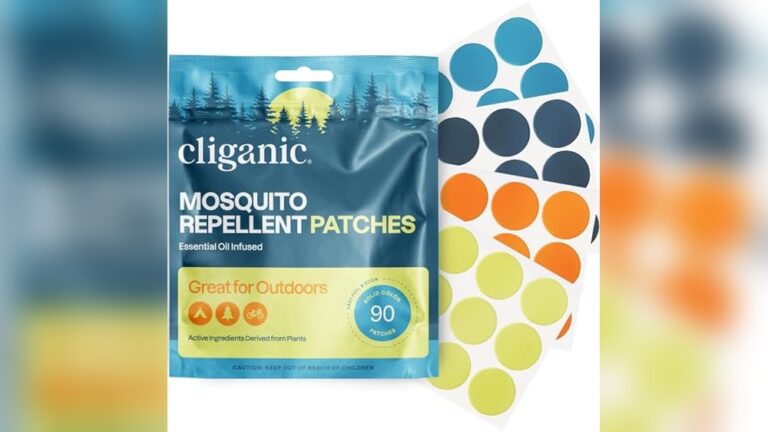
Do Mosquito Patches Really Work? Truth Revealed!
For many people, mosquito bites are a regular annoyance, especially in warmer climates or during summer evenings. Over the years, countless products have promised to keep these tiny pests away, from sprays and lotions to coils and electronic devices. One newer option is the mosquito patch—a small sticker or patch you place on your skin or clothing, marketed as a simple, mess-free way to avoid bites. But do these patches really work, or are they just another hopeful idea? Let’s look at what science says, how these patches are supposed to work, and what users actually experience.
How Mosquito Patches Work
Mosquito patches usually contain natural oils, vitamins, or chemicals that are supposed to repel mosquitoes. The idea is simple: when you wear the patch, it releases these substances into the air around you, creating a “protective zone” that mosquitoes don’t like. Most commonly, you’ll see patches with vitamin B1 (thiamine) or essential oils like citronella, eucalyptus, or lemon.
The Main Types Of Mosquito Patches
- Vitamin B1-based patches: These claim that vitamin B1 is absorbed through your skin and changes your body odor in a way that repels mosquitoes.
- Essential oil patches: These use oils like citronella, eucalyptus, or peppermint, which are known to have some mosquito-repelling effects.
- Chemical-based patches: Rarely, patches might use chemicals like DEET, but these are less common due to skin sensitivity concerns.
How They’re Used
You usually stick the patch on exposed skin or your clothing. Some brands recommend one patch for a child, two for an adult. The patch is supposed to last 8-24 hours, depending on the product.
The Science Behind Mosquito Patches
Mosquitoes find humans mostly by smelling carbon dioxide and other chemicals we release through our skin and breath. They’re also attracted to heat and sweat. Patches claim to mask or change the signals that attract mosquitoes, but does this actually work?
Vitamin B1: The Evidence
The theory with vitamin B1 patches is that extra thiamine will make your sweat smell bad to mosquitoes, so they avoid you. However, scientific studies have not proven this works. In fact, a 2005 review of multiple studies found no strong evidence that vitamin B1 supplements or patches reduce mosquito bites. The American Mosquito Control Association also does not recommend vitamin B1 as a repellent.
Essential Oils: What Research Shows
Some essential oils, like citronella or lemon eucalyptus, do have mosquito-repelling properties. The Centers for Disease Control and Prevention (CDC) recognizes oil of lemon eucalyptus as an effective, plant-based repellent. But the effectiveness depends on the concentration and how the oil is delivered. In sprays or lotions, these oils can provide a few hours of protection. In patches, though, the amount released is much lower, and studies show the protection is often weak or short-lived.
Chemical Repellents: The Gold Standard
Products with DEET, picaridin, or IR3535 are the most reliable according to scientific reviews. They have a long safety record and are recommended by the CDC for high-risk areas. Most mosquito patches do not contain these ingredients, partly due to concerns about skin reactions.
Comparing Mosquito Patches To Other Repellents
To get a clear picture, let’s compare common mosquito protection methods:
| Product Type | Active Ingredient | Protection Duration | Effectiveness | Ease of Use |
|---|---|---|---|---|
| Mosquito Patch | Vitamin B1 or Essential Oils | Up to 24 hours (claims) | Low to Moderate | Very Easy |
| Spray/Lotion | DEET, Picaridin, Oil of Lemon Eucalyptus | 2-8 hours | High | Moderate |
| Wearable Bands | Essential Oils | 6-12 hours | Low to Moderate | Easy |
| Mosquito Coils | Pyrethroids | 4-8 hours | Moderate | Easy (outdoors only) |
As you can see, while patches are easy to use, their effectiveness is usually lower than sprays or lotions with chemical repellents.
User Experiences And Real-world Results
Many people are attracted to mosquito patches because they’re convenient, non-greasy, and easy for children. But what do users actually say?
Some parents like that patches don’t need to be rubbed on the skin, which can be helpful for kids with sensitive skin or allergies. However, many users report mixed results: sometimes the patches seem to work, other times they do not. It’s common to see reviews like, “My child still got bitten even with two patches,” or “Worked for an hour, then mosquitoes came back.”
In online forums and review sites, you’ll find that patches are rarely rated as highly as traditional repellents. Some users say patches help a little, especially in areas with few mosquitoes, but they’re rarely enough for serious protection in high-risk locations.
Safety And Side Effects
One reason some people prefer patches is the belief they’re safer than chemical repellents. Here’s a closer look:
Skin Reactions
Since patches are not applied over large skin areas, they can reduce risk of allergic reactions or irritation. However, some users still report redness or itching at the spot where the patch is attached, especially with essential oil-based products.
Inhalation And Sensitivity
Essential oils can cause headaches or breathing problems in sensitive people, especially children or those with asthma. Vitamin B1 patches are generally considered safe, but as noted, they’re not very effective.
For Babies And Pregnant Women
Many patch brands market themselves as safe for young children and pregnant women, but it’s still wise to check with a doctor before use. Essential oils and even vitamin B1 can cause problems in rare cases.
Cost And Value For Money
Mosquito patches can be more expensive per use than sprays or creams. For example, a pack of 24 patches might cost $10–$15, which means about $0. 40–$0. 60 per patch. Since you might need several patches per person per day, the cost adds up quickly for families.
By comparison, a bottle of DEET-based spray might cost the same but last much longer, especially if used only during peak mosquito hours.
Let’s look at a simple cost comparison:
| Product | Average Cost | Uses per Pack/Bottle | Approx. Cost per Use |
|---|---|---|---|
| Mosquito Patch | $12 (24 patches) | 24 | $0.50 |
| DEET Spray | $10 (100ml bottle) | 50–60 | $0.17–$0.20 |
| Essential Oil Lotion | $8 (100ml) | 40–50 | $0.16–$0.20 |
Patches are often less economical, especially for large families or daily use.

Credit: www.amazon.com
Common Misunderstandings About Mosquito Patches
Many people expect mosquito patches to provide the same level of protection as sprays or lotions, but this is rarely the case. Here are two non-obvious points beginners often miss:
- Mosquitoes are attracted to different people for different reasons. Some people are more “tasty” to mosquitoes due to genetics, body chemistry, or even the clothes they wear. Patches may seem to work for one person but not for another, simply because of these differences.
- Wind and outdoor conditions weaken patch effectiveness. Since patches rely on releasing scents into the air, even a gentle breeze can blow the active ingredients away from your body, making them much less effective outside.
When Might Mosquito Patches Be Useful?
While patches are not the best choice for high-risk or malaria-prone areas, they can have a place in your mosquito defense plan:
- Short outdoor trips: For a quick walk or a picnic in an area with few mosquitoes, patches might be enough, especially for children.
- Traveling: Patches can be a good backup if you forget spray or want an extra layer of protection.
- Sensitive skin: For people who cannot use sprays or lotions, patches may be better than nothing.

Credit: tinybeans.com
How To Maximize Protection From Mosquitoes
If you want to reduce mosquito bites, consider these tips:
- Use multiple methods. Combine patches with long sleeves, pants, and socks for better protection.
- Apply repellent to exposed skin. Sprays or lotions with DEET or picaridin offer the best defense.
- Avoid peak mosquito hours. Mosquitoes are most active at dusk and dawn.
- Remove standing water near your home. Mosquitoes breed in still water.
- Use window screens and bed nets if you live in a high-risk area.
What Science And Health Experts Recommend
Leading health organizations like the CDC and World Health Organization recommend using proven repellents like DEET, picaridin, or oil of lemon eucalyptus, especially in areas with diseases like malaria or dengue. While patches are not harmful for most people, they are not a substitute for these methods in high-risk regions.
For more on the science behind repellents, see the CDC’s mosquito bite prevention page.
Practical Advice: Should You Try Mosquito Patches?
If you’re considering mosquito patches, keep these points in mind:
- They’re easy to use, but not very reliable. Don’t trust them as your only protection in risky areas.
- Best for mild mosquito conditions. If you’re just sitting in your backyard or at a casual picnic, a patch might help a little.
- Not for travel to high-risk countries. If you’re going somewhere with malaria, dengue, or Zika, use a proven repellent.
Patches can be a convenient extra layer, but don’t expect miracles. Always read product labels and understand their limitations.
Key Takeaways
- Mosquito patches are safe and convenient, but science shows they’re not as effective as sprays or lotions with DEET or picaridin.
- Vitamin B1 patches lack strong evidence for repelling mosquitoes.
- Essential oil patches may work a little, but mostly in low-risk situations.
- Real-world users report mixed results, and patches are best used as a backup.
- For the best protection, use multiple methods—combine patches with clothing, sprays, and good environmental control.
In the end, mosquito patches are not a magic shield. They may help in some cases, but they shouldn’t be your only defense if mosquitoes are more than just a minor nuisance. Choose what fits your needs, and always put safety and proven science first.

Credit: tinybeans.com

I am an outdoor enthusiast and gear researcher passionate about camping, hiking, backpacking, and outdoor adventures. I enjoy testing gear, comparing products, and sharing practical advice to help readers make informed decisions. At BestOutsideGear, I create honest gear reviews, buying guides, and outdoor tips to help adventurers choose the right equipment with confidence.