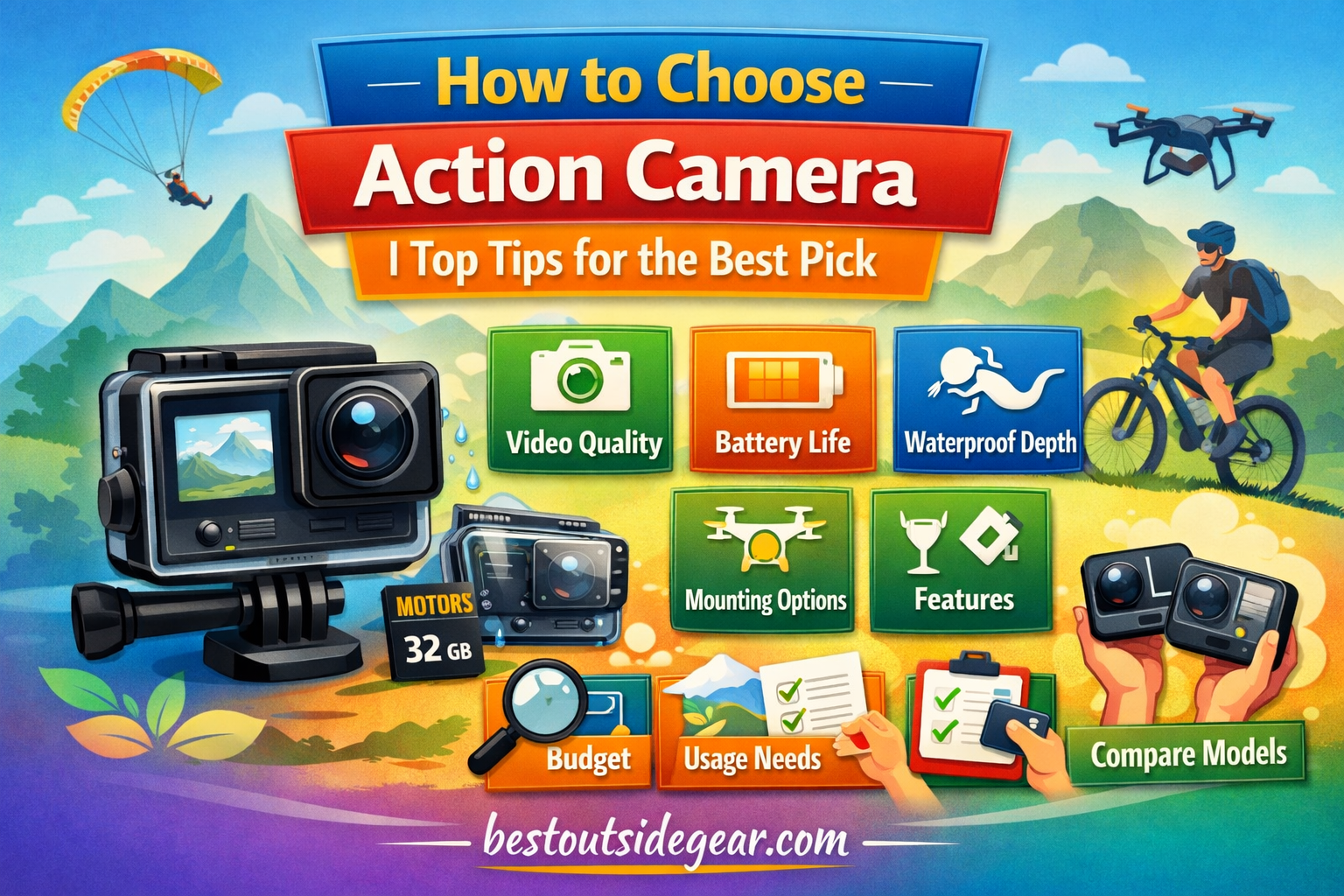
How to Choose Action Camera | Top Tips for the Best Pick
Choosing the right action camera can feel overwhelming with so many options and features out there. But don’t worry—this guide is here to help you cut through the noise and find the perfect fit for your adventures.
Whether you want stunning video quality, long battery life, or a camera tough enough to handle the wildest conditions, knowing what to look for makes all the difference. Keep reading, and you’ll discover exactly how to pick an action camera that matches your style and needs, so you can capture every moment just the way you want.
Pick Based On Shooting Style
Choosing the right action camera starts with understanding your shooting style. Different activities demand different features and designs. Picking a camera that matches your style ensures better footage and easier handling.
Travel And Adventure
Travel shooters need lightweight and compact cameras. Easy setup and quick start matter most. Cameras with good battery life and durability work best. Waterproof or weather-resistant models help capture outdoor moments. Wide-angle lenses show more of your surroundings in each shot.
Sports And High Action
Sports shooters require fast frame rates to capture quick movements. Cameras with advanced image stabilization keep footage smooth. Small, rugged designs protect against bumps and falls. High resolution helps capture details even in fast scenes. Mounting options are important for hands-free shooting during activities.
Casual And Everyday Use
Casual users want simple cameras that are easy to operate. Good video quality and clear audio improve everyday videos. Compact size fits easily in a pocket or bag. Touchscreens and intuitive menus make settings quick to change. Some models offer fun features like slow motion or time-lapse for creative shots.
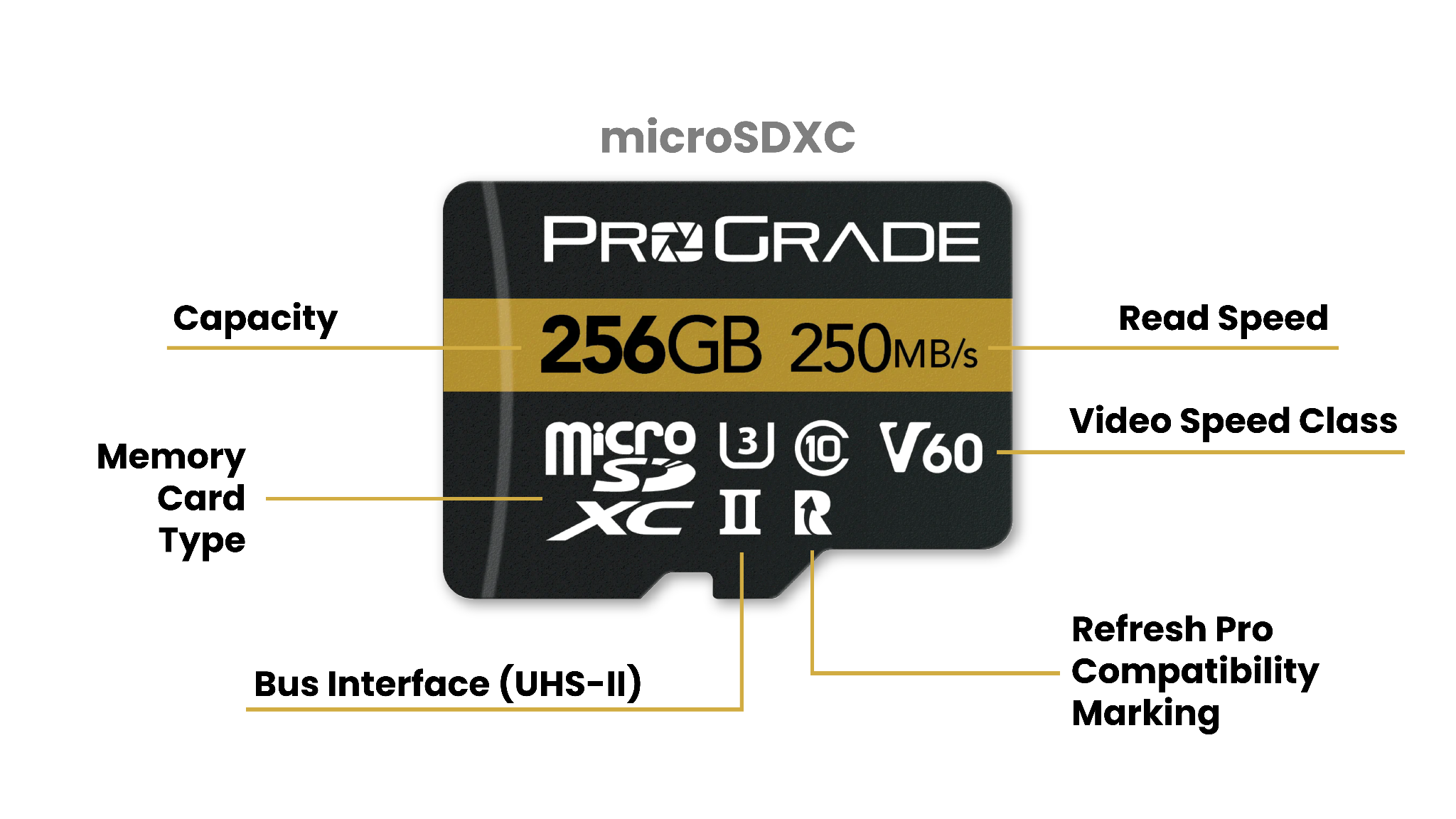
Credit: progradedigital.com
Prioritize Video Quality
Video quality plays a key role in choosing the best action camera. It affects how clear and smooth your videos look. Great video quality helps capture every moment in detail, making your footage more enjoyable to watch. Focus on features that improve the sharpness, color, and fluidity of videos.
Resolution Options
Resolution defines how many pixels your video has. Higher resolution gives clearer and sharper images. Common options include 1080p, 2.7K, and 4K. 1080p is good for everyday use and smaller files. 4K offers the best detail but needs more storage. Choose a resolution that fits your needs and device limits.
Frame Rates
Frame rate measures how many frames the camera captures per second. Higher frame rates make videos smoother and better for fast action. Typical rates are 30fps, 60fps, and 120fps. Use 30fps for normal videos and 60fps or more for sports or slow motion. Pick a frame rate that matches your activity and style.
Low Light Performance
Action cameras often shoot outdoors in changing light. Low light performance shows how well the camera records in dark or dim places. Good sensors and lenses help keep videos clear without too much noise. Look for cameras with features like image stabilization and wide aperture to improve low light results.
Look For Stabilization Features
Stabilization features are crucial in an action camera. They reduce shakiness and deliver smooth videos. Without good stabilization, footage can look shaky and distracting. Choosing a camera with strong stabilization makes your videos more enjoyable to watch. This section explains the types of stabilization and their effects on video quality.
Optical Vs Electronic Stabilization
Optical stabilization uses hardware inside the lens or sensor. It physically moves parts to counteract shakes. This method works well for small movements and keeps videos sharp. Electronic stabilization uses software to adjust the image. It crops and shifts frames to smooth out motion. Optical is usually better for natural, clear footage. Electronic is common in smaller or cheaper cameras.
Impact On Video Smoothness
Good stabilization improves video smoothness significantly. Optical stabilization offers steady shots even during quick movements. Electronic stabilization can add slight blur or crop the video edges. Both types reduce jitters but in different ways. Cameras with combined optical and electronic stabilization provide the best results. Smooth videos make your action scenes look professional and clear.
Check Durability And Waterproofing
Durability and waterproofing are key for any action camera. These features protect your device during intense activities. Cameras often face drops, dust, and water exposure. Choosing a model built to handle tough conditions ensures longer use and reliability. This section explains how to check these important traits.
Built-in Waterproofing
Some action cameras come with built-in waterproofing. This means they can work underwater without extra cases. Look for cameras rated with an IP (Ingress Protection) code. For example, IP68 means the camera is dust-tight and can stay underwater for a time. Built-in waterproofing adds convenience and reduces extra gear.
Check the depth rating to match your needs. Some cameras can dive several meters deep. This feature suits swimmers, divers, and adventurers who want to capture water scenes easily. Without waterproofing, you risk damage and missed shots.
Ruggedness Without Extra Cases
Rugged cameras resist shocks and drops without needing protective cases. They often have reinforced bodies and strong materials. This ruggedness helps in rough sports like mountain biking or climbing. Choose cameras tested for impact resistance to avoid breakage.
Consider weight too. Lightweight rugged cameras are easier to carry and mount. A tough camera saves money on repairs and extra accessories. It also keeps your shooting uninterrupted in harsh environments.
Consider Battery Life
Battery life is a key factor when choosing an action camera. It affects how long you can record your adventures. A camera with poor battery life might stop working at crucial moments. Understanding battery performance helps avoid interruptions during filming.
Average Recording Time
Most action cameras offer between one to two hours of recording per charge. This time varies based on video resolution and settings. Higher resolution uses more power and shortens battery life. Check the camera’s specs for estimated recording times. Choose a model that suits your typical recording sessions.
Battery Replacement And Charging
Some cameras allow you to swap batteries easily. This feature lets you carry extra batteries and extend your recording time. Others have built-in batteries that charge via USB. Built-in batteries may limit long shoots without power access. Consider how and where you will charge your camera during use.
Assess Audio Quality
Audio quality plays a key role in action camera performance. Clear sound adds life to your videos. Many people focus on video but forget about audio. Bad sound can ruin a great shot. Consider the microphone features before buying an action camera. Check how well the camera picks up voices and background sounds. Noise reduction is also important for outdoor use.
Built-in Microphones
Most action cameras come with built-in microphones. These mics capture sound without extra gear. Quality varies between models. Some microphones handle wind noise better. Others struggle in loud environments. Test audio samples online to compare. Look for cameras with noise-canceling technology. This helps keep voice clear during movement. Remember, built-in mics are convenient but may limit sound quality.
External Mic Compatibility
External mic support boosts audio options. Some cameras have ports for external microphones. Using an external mic improves sound clarity. It reduces wind and background noise. Ideal for interviews or noisy settings. Check if the camera requires adapters. Wireless mic compatibility adds flexibility. External mics let you record higher-quality audio. This feature is a must for serious users.
Evaluate Mounting Options
Choosing the right action camera involves more than video quality and battery life. Mounting options play a key role in how you capture your adventures. Evaluating these options helps ensure your camera fits your activity style and gear.
Standard Mounts And Accessories
Most action cameras come with standard mounts that fit common accessories. These mounts include adhesive pads, clamps, and quick-release systems. They allow you to attach your camera to helmets, handlebars, or tripods. Accessories like chest mounts and wrist straps expand your shooting angles. Check if the camera supports universal mounts for added flexibility. Having a variety of mounts enhances your ability to capture dynamic footage.
Versatility For Different Activities
Different activities require specific mounting solutions. For biking, a sturdy handlebar mount is essential. For water sports, waterproof mounts keep your camera secure and safe. Skiing and snowboarding benefit from helmet mounts that stay stable on fast runs. Consider mounts that allow quick changes between locations and angles. Versatile mounting options enable you to adapt your camera setup to various adventures effortlessly.
Explore Editing And App Support
Choosing the right action camera involves more than just hardware specs. Explore editing and app support to enhance your video experience. A good app can simplify editing and sharing your adventures.
Mobile apps linked to action cameras often offer useful tools. These apps let you control the camera remotely and preview shots in real time. You can adjust settings like resolution and frame rate easily from your phone. Many apps include built-in editing tools, so you can trim clips or add filters without a computer.
Mobile App Features
Look for apps with simple and clear interfaces. They should allow quick access to essential controls. Features like live streaming, GPS tagging, and automatic syncing add value. Some apps support multi-camera control, which is great for complex shoots. Check if the app updates regularly and supports your phone’s operating system.
Ease Of Sharing And Editing
Sharing your footage should be quick and hassle-free. Choose cameras whose apps connect directly to social media platforms. Editing tools should cover basics like cutting, merging, and adding music. Some apps offer templates for fast video creation. Easy sharing and editing save time and make your videos look better.
Set A Budget
Setting a budget is a crucial first step in choosing the right action camera. It helps narrow down options and focus on features that truly matter. Knowing your budget keeps your search realistic and stress-free.
Action cameras come in various price ranges. Each range offers different features and quality levels. Understanding these categories ensures you get the best value for your money.
Entry-level Cameras
Entry-level cameras are perfect for beginners. They are affordable and easy to use. These cameras usually have basic video quality and limited features. They work well for casual users who want to capture simple moments. Battery life and durability might be lower compared to pricier models.
Mid-range Options
Mid-range cameras offer better video quality and more features. They usually include improved stabilization and waterproofing. These models suit hobbyists who want higher performance without overspending. Battery life is generally longer, and build quality is more robust. You can expect clearer audio and more mounting options here.
High-end Models
High-end models deliver top video resolution and advanced features. They provide excellent image stabilization and rugged designs. These cameras cater to professionals and serious enthusiasts. Expect longer battery life and superior audio recording. These models often support advanced editing and app connectivity for easy sharing.
Consider Brand Reputation
Choosing an action camera involves more than just specs and price. Brand reputation plays a key role in your satisfaction and the camera’s reliability. Trusted brands usually provide better quality and longer-lasting products. They also offer dependable customer service and clear warranty policies. This reduces stress and ensures help is available if something goes wrong. Understanding brand reputation helps you make a smart choice and enjoy your action camera fully.
Popular Brands
Some brands have built strong reputations for quality action cameras. GoPro is a leading name known for durable, high-performance models. DJI offers innovative cameras with great image stabilization. Insta360 is popular for 360-degree capture and easy editing features. These brands invest in research and user experience. Choosing a popular brand often means you get reliable hardware and software updates. It also means many users share helpful tips and reviews online.
Customer Support And Warranty
Good customer support is vital for solving issues quickly. Leading brands usually provide multiple support channels like phone, chat, or email. They respond faster and offer clear instructions. A solid warranty protects your purchase against defects and accidents. Look for brands that offer at least one year of coverage. Some brands include extended warranties or accidental damage plans. This coverage adds peace of mind and saves money on repairs.
Look For Extra Features
Extra features can make your action camera more useful and fun to use. They help you capture better shots and control the camera easily. Choosing a camera with the right extra features improves your experience.
Voice Control
Voice control lets you operate the camera hands-free. Say commands to start or stop recording. It is useful during activities where using hands is hard.
This feature keeps you focused on the action. It also reduces the risk of dropping the camera. Make sure the voice control understands your language well.
Touchscreen Displays
Touchscreen displays simplify camera settings and playback. You can change modes quickly with a few taps. It makes reviewing your shots easier and faster.
A clear and bright screen helps you see well in sunlight. This feature is handy if you want quick access to settings without buttons.
Gps And Sensors
GPS tracks your location and adds data to your videos. It shows where you recorded each clip. Sensors like accelerometers measure speed and movement.
These features add more detail to your footage. They help create exciting videos with maps and stats. Choose a camera with GPS and sensors if you want more info on your adventures.

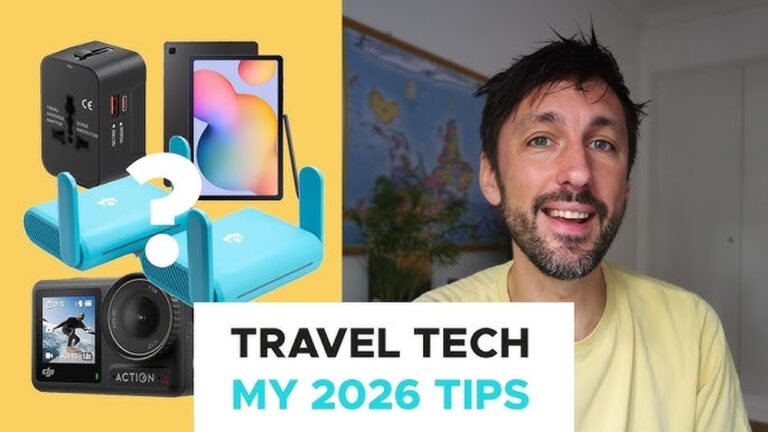
Credit: www.youtube.com
Try Before You Buy
Trying an action camera before buying helps avoid surprises. It shows how the camera works in real life. Testing cameras yourself reveals comfort, ease, and performance. It ensures the camera fits your needs and style. Two key ways to try before you buy include testing in real conditions and reading user reviews.
Testing In Real Conditions
Test the camera outdoors or in your usual settings. Use it while biking, hiking, or swimming if possible. Check how steady the video looks when you move fast. Notice how easy it is to start and stop recording. Test the touch screen or buttons for responsiveness. See how well it handles water, dust, or cold. Real use shows if the camera meets your activity demands.
Reading User Reviews
Read reviews from people who use the camera daily. Look for comments on battery life and video quality. Check if users mention problems with durability or software. Reviews often reveal issues not clear from specs. Choose cameras with mostly positive feedback for your activities. User experiences help predict if the camera suits your needs.

Credit: www.bestbuy.com
Frequently Asked Questions
How To Choose The Right Action Camera For Your Needs?
Choose an action camera by considering video quality, stabilization, durability, battery life, audio, mounting options, and ease of use. Match features to your activities and budget.
What Is Better, A 4k Or 12mp Camera?
A 4K camera captures higher video resolution, ideal for sharp videos. A 12MP camera focuses on detailed photos. Choose based on whether video or photo quality matters more.
What Camera Should I Get For Action?
Choose an action camera with high video quality, built-in stabilization, waterproof design, long battery life, and versatile mounting options for best results.
What Is The Best Action Cam For Beginners?
The best action cam for beginners is the GoPro HERO11 Black. It offers easy controls, excellent video quality, and built-in stabilization.
Conclusion
Choosing the right action camera depends on your needs and budget. Think about where and how you will use it most. Look for good video quality, sturdy design, and easy controls. Battery life and mounting options also matter a lot.
Don’t forget to check if the camera has image stabilization for smooth footage. Taking time to compare features helps you find the best fit. A well-chosen action camera makes capturing moments simple and fun. Start your adventure with confidence and enjoy every shot.

I am an outdoor enthusiast and gear researcher passionate about camping, hiking, backpacking, and outdoor adventures. I enjoy testing gear, comparing products, and sharing practical advice to help readers make informed decisions. At BestOutsideGear, I create honest gear reviews, buying guides, and outdoor tips to help adventurers choose the right equipment with confidence.