How to Hang a Hammock With Straps | Step-by-Step Guide
Ready to relax in your hammock but not sure how to hang it safely and securely? Hanging a hammock with straps is the easiest and safest way to enjoy your outdoor chill time without damaging trees or struggling with complicated knots.
Whether you’re setting up in your backyard or out on a camping trip, knowing the right technique can make all the difference. In this guide, you’ll learn simple, step-by-step tips to hang your hammock perfectly every time. Stick with me, and soon you’ll be swaying comfortably between two trees, enjoying your well-earned rest!
Choosing The Right Trees
Choosing the right trees is essential for a safe and comfortable hammock hang. Strong, healthy trees can support your weight and protect the tree’s health. Picking the right spot makes your hammock experience relaxing and enjoyable.
Not all trees work well for hanging a hammock. You need to check the size, health, and distance between trees. This step helps you avoid accidents and damage to the trees or hammock.
Tree Selection Criteria
Choose trees that are at least 6 inches in diameter. The bark should be thick and healthy with no signs of disease or damage. Avoid young or dead trees that might not hold your weight.
Pick trees that are sturdy and firmly rooted in the ground. Look for trees that can handle the tension from hammock straps without bending or breaking. Oak, maple, and hickory are great options.
Measuring The Distance Between Trees
Measure the space between the two trees before hanging your hammock. The ideal distance is usually 12 to 15 feet apart. This range allows the hammock to hang with a gentle curve.
Too close, and the hammock will feel tight and uncomfortable. Too far, and you might not reach both trees. Adjust your straps to fit the space, but start with the right distance.
Preparing Your Hammock Straps
Preparing your hammock straps is the first step for a safe setup. Proper preparation ensures your hammock hangs securely and lasts longer. It also helps protect the trees you use. Follow these simple steps before hanging your hammock.
Inspecting The Straps
Check each strap for any signs of wear or damage. Look for frayed edges, cuts, or weak spots. Do not use straps that show damage. Strong, intact straps keep you safe and support your weight well. Make sure the stitching is tight and secure. Replace straps if you find any flaws.
Creating The Cinch Loop
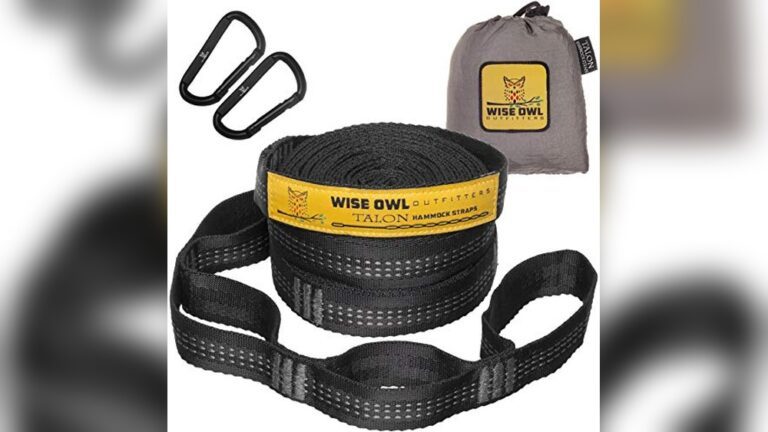
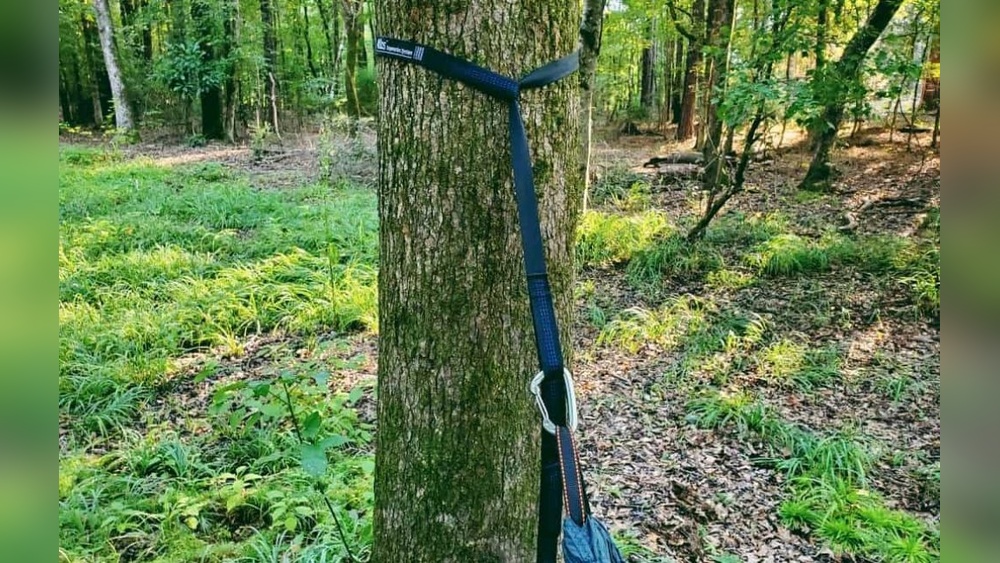
Start by threading the long end of the strap through the loop at the other end. Pull it tight to form a secure cinch around the tree. This loop holds the strap firmly in place without knots. Repeat this process for each tree you plan to use. The cinch loop is easy to adjust and keeps the strap tight. It also helps protect the tree bark from damage.
Wrapping Straps Around Trees
Wrapping straps around trees is the first step to hang a hammock safely and securely. It protects the tree bark from damage and keeps your hammock steady. Using straps also makes setup easier and adjustable without knots. Follow simple steps to position and secure the straps properly.
Positioning The Straps
Place the straps at about chest height on each tree. Make sure the trees are sturdy and about 10 to 15 feet apart. Wrap the strap around the tree so the looped end faces outward. This allows easy clipping of your hammock carabiners. Ensure the strap lies flat without twists or folds for better support.
Securing The Strap Tightness
Thread the long end of the strap through the loop on the other end. Pull it tight to form a secure cinch around the tree trunk. Test by pulling the strap firmly to check it does not slip down. Repeat this for the second tree. A tight strap keeps the hammock from sagging or falling.

Credit: www.youtube.com
Attaching The Hammock
Attaching the hammock to the straps is a crucial step in setting up your relaxing spot. Proper attachment ensures safety and comfort. It also helps you achieve the perfect hang angle. This section guides you through easy, clear steps for attaching your hammock securely.
Using Carabiners With Loops
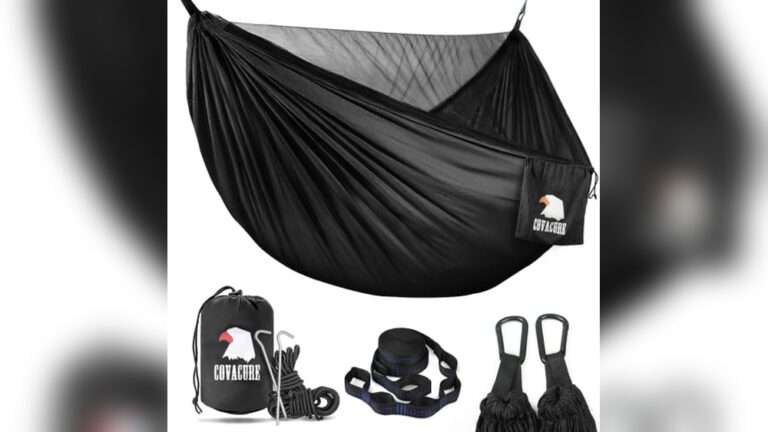
Start by clipping the carabiners on each end of your hammock. Attach each carabiner to a loop on the tree straps. Choose a loop that feels secure and easy to reach. Make sure the carabiner snaps fully closed to avoid slipping. The loops allow quick adjustments without tying knots.
Adjusting For Height And Tension
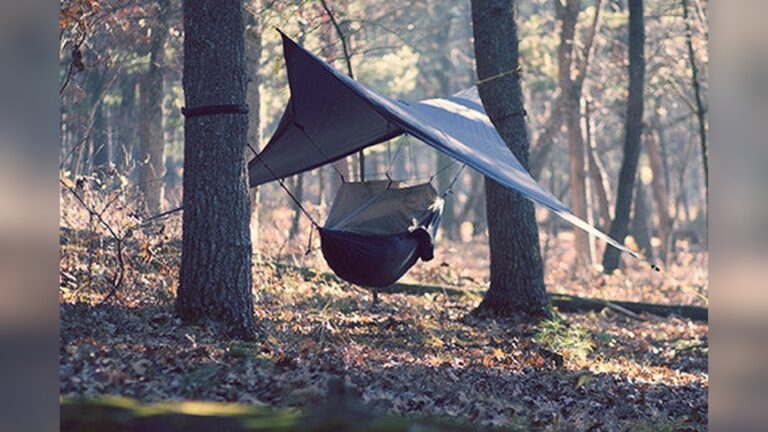
Check the height of your hammock after clipping the carabiners. The ideal height is about 18 inches from the ground at the lowest point. To change height, move the carabiner up or down to a different loop. Adjust tension by selecting loops closer or further from the tree. Proper tension keeps the hammock comfortable and stable.
Testing Your Setup
Testing your hammock setup is essential before relaxing. This step ensures your hammock is secure and comfortable. Taking the time to check everything prevents accidents and improves your experience. Here’s how to test your hammock setup properly.
Safety Checks
First, check the straps for any signs of wear or damage. Make sure they are tightly wrapped around the trees. The straps should not slip or move when you pull on them. Confirm that the carabiners clip securely into the loops. Test each connection point by giving it a firm tug. Check that the trees you chose are healthy and strong enough to support your weight. Avoid trees with loose bark or cracks. Safety checks protect you from falls and injuries.
Making Final Adjustments
Next, adjust the hammock height and tension for comfort. The ideal height is about 18 inches off the ground. Adjust the carabiners to change the hammock’s sag. A gentle curve is more comfortable than a tight, straight line. Make sure the hammock hangs evenly on both sides. Sit down slowly to test the support and balance. If the hammock feels too tight or too loose, adjust the straps again. Final adjustments help you enjoy a cozy and safe hang.

Credit: www.99boulders.com
Tips For A Comfortable Hang
Getting a comfortable hang is key for relaxing in your hammock. Small adjustments make a big difference. Focus on how you set the straps and shape the hammock. Comfort starts with the right angle and sag. Avoid simple errors that cause discomfort or damage. These tips help you enjoy your hammock safely and comfortably.
Optimal Angle And Sag
Set the straps to create about a 30-degree angle between the straps and the ground. This angle offers the best balance of comfort and support. Too steep or too flat causes strain on the straps and trees. Aim for a gentle curve or sag in the hammock. The sag should let you lie in a slightly reclined position. This shape supports your back and reduces pressure points. Adjust the straps until the hammock hangs with a smooth, relaxed curve.
Avoiding Common Mistakes
Never hang your hammock too tight or too loose. Tight hammocks feel stiff and uncomfortable. Loose hammocks drag on the ground and may flip. Avoid tying knots in the straps. Use the loops on the straps for secure attachment. Knots weaken the straps and can cause damage. Also, do not hang the straps around thin branches or sharp edges. Use sturdy trees at least 6 inches wide to protect the straps and trees. Check the strap tension before every use to ensure safety and comfort.
Maintaining Your Hammock Straps
Maintaining your hammock straps is key for safety and long-lasting use. Straps face wear from weather, friction, and weight. Proper care keeps them strong and reliable. Regular checks help spot problems before they become serious. Clean and store straps right to avoid damage. Inspect them often for signs of wear or tear. A little maintenance extends your hammock’s life.
Cleaning And Storage
Clean your hammock straps after outdoor use. Use mild soap and water to remove dirt and grime. Avoid harsh chemicals that weaken the fabric. Let them air dry completely before storing. Store straps in a cool, dry place away from direct sunlight. Avoid folding them tightly to prevent creases. Use a storage bag or container to keep them dust-free.
Inspecting For Wear And Tear
Check straps before each hang for frays or cuts. Look closely at stitching and loops for loose threads. Feel for thin spots or areas that feel weak. Replace straps immediately if you find damage. Damaged straps risk breaking and causing injury. Inspect metal parts like carabiners for rust or cracks. Regular inspections keep your hammock safe and secure.

Credit: www.yellowleafhammocks.com
Conclusion
Hanging a hammock with straps is simple and safe when done right. Choose strong trees and wrap the straps securely. Clip your hammock’s carabiners into the loops that feel best. Adjust the height and tension for comfort and safety. Always test the setup before sitting down.
Enjoy relaxing outdoors with your perfectly hung hammock!

I am an outdoor enthusiast and gear researcher passionate about camping, hiking, backpacking, and outdoor adventures. I enjoy testing gear, comparing products, and sharing practical advice to help readers make informed decisions. At BestOutsideGear, I create honest gear reviews, buying guides, and outdoor tips to help adventurers choose the right equipment with confidence.