Tent Camping Kitchen Setup | Top Gear & Organization Tips
Setting up your tent camping kitchen can make or break your outdoor experience. Imagine waking up to a fresh cup of coffee brewed just the way you like it or cooking a hearty meal after a day of adventure, all without the hassle and mess.
Whether you’re new to camping or a seasoned pro, having a well-organized, efficient kitchen setup will save you time, reduce stress, and let you focus on what really matters: enjoying your trip. In this guide, you’ll discover simple tips and must-have gear to create the perfect camp kitchen that fits your needs and keeps everything clean, safe, and ready to use.
Ready to upgrade your camping meals and make cooking outdoors a breeze? Let’s dive in!

Credit: www.youtube.com
Choosing Your Camp Stove
Choosing the right camp stove makes cooking easier and safer. Your stove must fit your needs and campsite rules. Consider size, fuel type, and number of burners.
A good stove saves time and fuel. It helps you cook meals quickly and enjoy your camping more.
Propane Vs Other Fuels
Propane stoves are common and easy to use. They light quickly and burn cleanly. Propane canisters are widely available in stores.
Other fuels include butane, white gas, and alcohol. Butane works well in warm weather but struggles in cold. White gas burns hot and is good for long trips but needs careful handling. Alcohol stoves are light and simple but less powerful.
Two-burner Stoves For Efficiency
Two-burner stoves cook faster and allow more meal options. You can boil water on one burner and fry food on the other. This setup saves time and fuel.
They are perfect for families or groups. Two burners also help when cooking complex meals or multiple dishes.
Carrying Extra Fuel
Always carry extra fuel to avoid running out. Check your fuel canisters before the trip. Store them safely away from heat and flames.
Extra fuel lets you cook all meals without stress. It also helps in emergencies or delays.
Essential Cookware And Utensils
Setting up a functional kitchen while tent camping is crucial for a smooth outdoor cooking experience. Essential cookware and utensils help prepare meals efficiently without carrying too much weight. Choosing the right tools saves space, reduces mess, and makes cooking enjoyable.
Compact Cookware Sets
Compact cookware sets are perfect for tent camping. They usually include pots, pans, and lids that nest inside each other. This design saves space in your backpack or camp box. Look for lightweight materials like aluminum or titanium. Non-stick coatings make cleaning easy. Some sets even come with folding handles to reduce bulk.
Full-sized Metal Utensils
Full-sized metal utensils last longer than plastic ones. They withstand heat and rough use. Metal forks, knives, and spoons are sturdy and reliable. Avoid flimsy plastic cutlery that can break easily. Stainless steel utensils resist rust and are easy to clean. Carry a set for each camper to avoid sharing and confusion.
Organizing Your Cutlery
Organizing cutlery keeps your camp kitchen tidy and accessible. Use a dedicated pouch or container to store utensils. This prevents loss and damage during transport. A roll-up utensil holder is lightweight and compact. Label sections or pockets for each utensil type. Easy access speeds up meal prep and cleanup.
Food Storage Tips
Proper food storage is key to an organized tent camping kitchen. It keeps your food fresh and safe from animals. It also helps avoid mess and waste during your trip.
Follow simple tips to protect your food and make cooking easier. These tips work well for all campers, whether beginners or seasoned pros.
Using Airtight Bins
Airtight bins keep dry foods safe and fresh. They stop moisture and bugs from getting in. Use sturdy plastic containers with tight lids. Label each bin for quick access. Stack bins to save space and keep your kitchen tidy.
Heavy-duty Coolers For Perishables
Perishable foods need cold storage to stay fresh. A heavy-duty cooler keeps meat, dairy, and vegetables safe. Choose a cooler with thick insulation. Add plenty of ice or ice packs. Keep the cooler in shade to maintain temperature longer. Check ice regularly and replace as needed.
Avoiding Food Storage In Tents
Never store food inside your tent. It attracts bears, raccoons, and insects. These animals can damage your tent and cause danger. Store all food outside in sealed containers or coolers. Keep food away from your sleeping area. Use a designated food storage spot at your campsite.

Credit: www.lifeintents.com
Setting Up Your Camp Kitchen Station
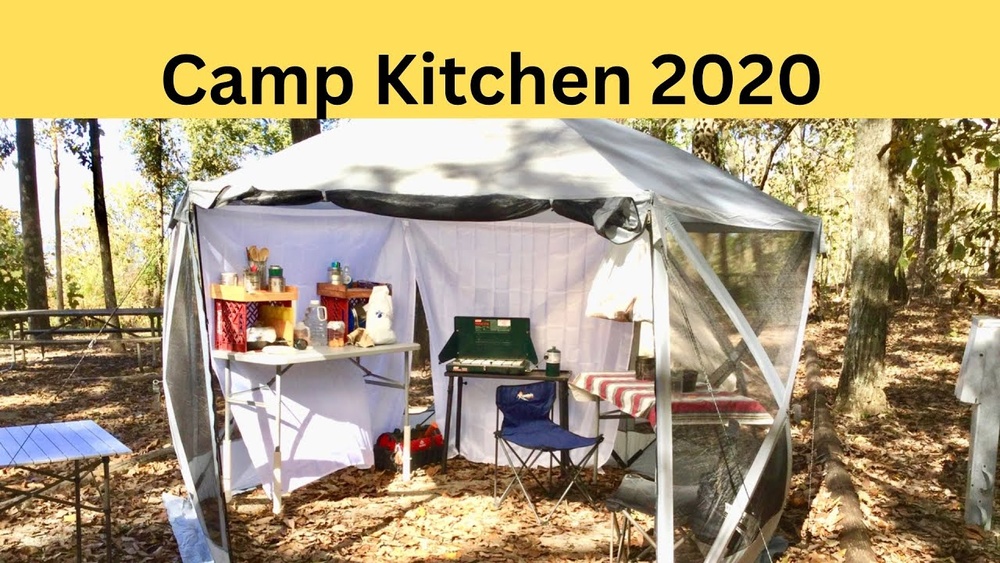
Setting up your camp kitchen station creates a smooth cooking experience outdoors. A well-organized kitchen helps you prepare meals quickly. It also keeps your campsite tidy and safe. Planning your space improves efficiency and comfort. Think about how you will cook, prep, and clean.
Choose a spot with enough room and shade. Keep your kitchen near water if possible. Make sure the area stays clean and free from wildlife. Use tools and furniture designed for camping. This makes cooking easier and more enjoyable.
Folding Tables And Chuck Boxes
Folding tables give you a flat surface for cooking and prep. They are lightweight and easy to carry. Choose tables with adjustable heights for comfort. Chuck boxes store all your kitchen gear in one place. They keep pots, pans, and utensils organized. Using a chuck box reduces setup time and mess.
Maximizing Prep Space
Expand your workspace by using stackable containers. Use cutting boards that fit over your cooler or stove. Keep frequently used items within arm’s reach. Group ingredients and tools by meal type. This reduces clutter and speeds up cooking. Always clean as you go to keep space free.
Separation From Dining Area
Keep your cooking zone separate from where you eat. This prevents spills and food smells from reaching your tent. It also lowers the chance of attracting bugs and animals. Set up your kitchen downwind from your dining spot. Use a tarp or canopy to define each area clearly.
Water And Cleaning Setup
Water and cleaning setup is key for a smooth tent camping kitchen. It helps keep your campsite tidy and safe. Clean water and proper washing reduce germs and protect nature. Planning this setup makes cooking and eating easier outdoors.
Leave No Trace Wash Station
Create a simple wash station away from water sources. Use a collapsible basin or large container for washing dishes. Pour wastewater into a hole at least 200 feet from lakes or streams. This keeps water clean and protects wildlife.
Dishwashing Essentials
Bring biodegradable soap to avoid harming the environment. Use two basins: one for washing, one for rinsing. Scrub dishes with a sponge or cloth. Let dishes air dry on a clean towel or rack. Carry a small brush for pots and pans.
Waste Disposal Tips
Keep trash sealed in sturdy bags to stop smells and pests. Pack out all garbage and leftover food. Use designated bins if the campsite offers them. Never burn plastic or food waste. Proper disposal keeps the campsite clean and safe for others.
Safety And Wildlife Precautions
Camping in the great outdoors offers freedom and fun. Safety and wildlife precautions keep your trip trouble-free. A well-planned kitchen setup helps avoid unwanted animal visits. It also prevents accidents near cooking areas. Follow simple steps to protect yourself and nature.
Proper Food Storage To Deter Animals
Store all food in sealed containers. Use airtight bins or heavy-duty plastic boxes. Avoid keeping any food inside your tent. Animals have a sharp sense of smell. Proper storage stops them from being attracted. Pack away all scraps and leftovers immediately. Keep cooking and eating areas clean at all times.
Keeping Coolers In Shade
Place coolers in a shaded spot to keep food fresh. Direct sunlight melts ice quickly and spoils food. Shade slows ice melting and keeps perishables safe. Check ice levels often and add more if needed. Elevate the cooler off hot ground to keep it cooler longer. Always close the lid tightly after use.
Fire Safety Around Cooking Areas
Set up your stove or fire pit away from tents and dry brush. Clear the area of leaves and twigs to prevent fires. Never leave cooking fires unattended. Keep a bucket of water or fire extinguisher nearby. Extinguish all flames completely before sleeping or leaving the site. Follow all local fire regulations to avoid hazards.
Organizing And Packing Your Kitchen Gear
Organizing and packing your kitchen gear is essential for a smooth tent camping experience. A well-packed kitchen saves time and reduces stress during meal prep. It also keeps your gear safe and clean throughout your trip.
Efficient organization helps you find items quickly. It prevents damage and mess inside your tent. Planning your kitchen setup before you pack makes cooking outdoors more enjoyable.
Using Storage Boxes
Storage boxes keep your kitchen gear together and protected. Use sturdy plastic bins with lids to avoid spills and dirt. Clear boxes let you see what’s inside without opening them. Label each box by contents, such as utensils, cookware, or food. Stack boxes to save space and keep your campsite tidy.
Keeping Gear Clean And Dry
Clean gear prevents bad smells and pests. Wash dishes right after use with biodegradable soap. Dry all items completely before packing to avoid mold and rust. Use dish towels or paper towels to wipe items dry. Store wet sponges or cloths in sealed bags to keep them fresh.
Packing For Quick Setup And Breakdown
Pack gear in the order you will use it. Place frequently used items on top or in easy-to-reach spots. Use small bags or pouches for utensils and spices to prevent losing them. Keep cooking and cleaning supplies separate for faster setup. Pack lightweight items on top to avoid crushing fragile gear.
Meal Prep And Cooking Tips
Setting up a tent camping kitchen means planning meals and cooking smartly. Efficient meal prep saves time and energy. It also helps keep your campsite clean and organized. Follow these tips to enjoy tasty meals outdoors without hassle.
Planning Easy Campfire Meals
Choose simple recipes with few ingredients. Think one-pot meals like chili, stew, or pasta. Pre-cut vegetables and pre-measure spices at home. Use canned or dried foods to reduce packing weight. Plan meals that cook quickly over the fire. Avoid complex dishes that need many pots or tools.
Cooking Multiple Items Simultaneously
Use a camp stove with more than one burner. Cook meat on one burner and sides on the other. Keep a lid handy to speed up cooking. Arrange your pots and pans so heat distributes evenly. Manage cooking times to avoid burning food. This method saves fuel and cuts down meal prep time.
Using Portable Grills And Accessories
Portable grills provide more cooking space than camp stoves. Look for models with adjustable heat settings. Grill vegetables, meats, and even toast bread. Use grill baskets to cook small or delicate items. Bring aluminum foil for easy clean-up and versatile cooking. Accessories like tongs and grill brushes make grilling easier and safer.
Additional Kitchen Gear To Consider
Setting up a tent camping kitchen requires more than just a stove and utensils. Bringing extra gear can improve your cooking experience outdoors. These items add safety, comfort, and convenience to your camp kitchen.
Camp Lights And Lanterns
Good lighting is essential for cooking after dark. Camp lights and lanterns help you see clearly while preparing meals. Choose battery-powered or rechargeable lights for easy use. Hang lanterns around your cooking area to keep it bright. This prevents accidents and makes meal prep faster.
Heat-resistant Gloves
Handling hot pots and pans can be risky without protection. Heat-resistant gloves shield your hands from burns. Look for gloves that fit well and allow good grip. These gloves help you move cookware safely on and off the stove. They also protect your hands when dealing with campfires or grills.
Portable Coffee Makers
Start your mornings with fresh coffee even in the wild. Portable coffee makers are compact and easy to use. Options include French presses, pour-over kits, or small espresso machines. They require minimal water and fuel. Enjoying a hot cup boosts your energy and mood for the day ahead.

Credit: www.reddit.com
Conclusion
A well-planned tent camping kitchen makes outdoor cooking easier. Keep your gear organized and simple. Use sturdy utensils and store food safely. A portable stove and extra fuel are essential. Clean up properly to protect nature. This setup helps you enjoy tasty meals outdoors.
Camping becomes more fun with a smart kitchen space. Prepare, cook, and eat comfortably at your campsite. Your outdoor adventure will feel more relaxed and rewarding.
I am an outdoor enthusiast and gear researcher passionate about camping, hiking, backpacking, and outdoor adventures. I enjoy testing gear, comparing products, and sharing practical advice to help readers make informed decisions. At BestOutsideGear, I create honest gear reviews, buying guides, and outdoor tips to help adventurers choose the right equipment with confidence.