Maintenance Tips for Portable Espresso Maker: Keep It Brewing Perfectly
You love your portable espresso maker because it lets you enjoy rich, fresh coffee anywhere you go. But are you taking the right steps to keep it working perfectly?
Without proper care, your trusty device can clog, lose flavor, or even break down. You’ll discover simple yet effective maintenance tips that will keep your portable espresso maker clean, efficient, and ready to brew the perfect shot every time. Stick with us, and your coffee routine will never miss a beat—whether you’re at home, in the office, or exploring Austin’s vibrant coffee scene.
Daily Cleaning Steps
Rinse your portable espresso maker with warm water after every use. This removes leftover coffee and stops buildup. Use clean water and make sure all parts get rinsed well.
Remove all coffee grounds from the filter or basket. Grounds left inside can cause clogs or affect the taste of your coffee. Tap gently or use a soft brush to clear them out.
Wipe the external surfaces with a damp cloth. This keeps your espresso maker looking clean and stops oils from coffee stains. Avoid harsh chemicals that might damage the finish.
Weekly Deep Cleaning
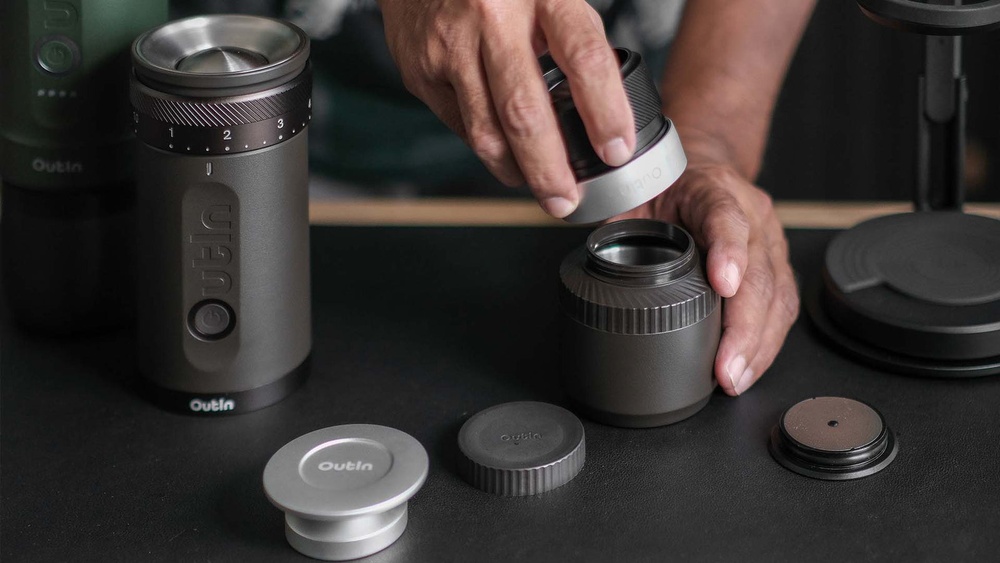
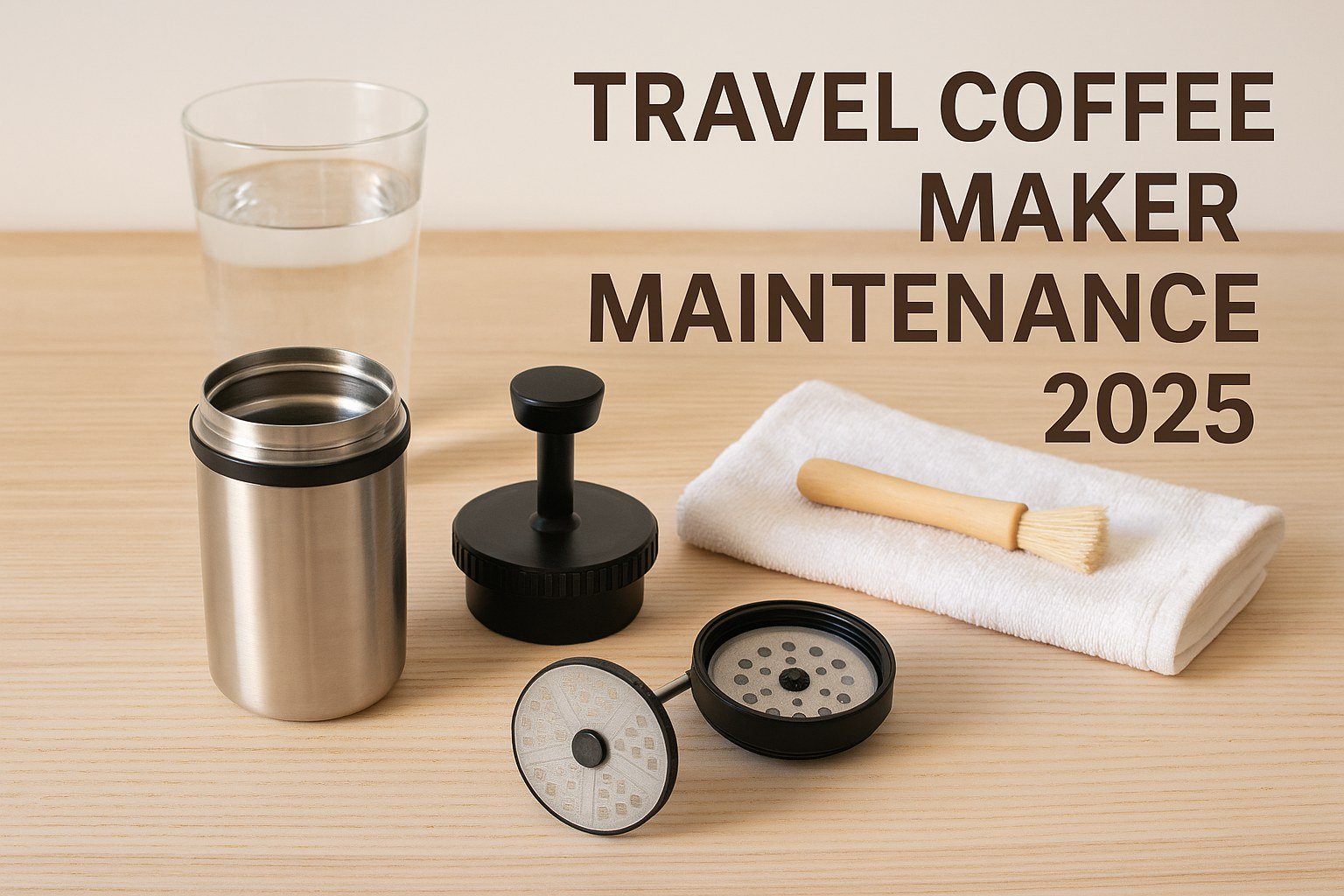
Disassemble all detachable parts carefully to clean thoroughly. Soaking filters and gaskets in warm water helps remove oils and coffee residue. Use a soft brush to gently scrub away stubborn coffee grounds without damaging parts.
Cleaning these parts weekly keeps your portable espresso maker working well. Avoid harsh scrubbing that might harm delicate components. Let all pieces dry completely before reassembling to prevent mold or bad smells.
Descaling Process
Descale your portable espresso maker regularly to keep it working well. A good time to descale is every 1 to 3 months, depending on how hard your water is and how often you use it. If you see slower water flow or strange tastes, it might be time to descale.
Choose a descaling solution made for coffee machines. Avoid using vinegar as it can damage parts. You can also buy natural descalers made with citric acid or buy commercial products designed for espresso makers.
Use safe descaling techniques by following the instructions on the product. Always rinse the machine well after descaling to remove any leftover solution. Run clean water through the machine a few times before making coffee again.

Credit: outin.com
Maintaining Seals And Gaskets
Check seals and gaskets often for wear and tear. Small cracks or hard spots can cause leaks. Replace any part that looks worn out. Use a soft cloth to clean these parts gently. Avoid harsh scrubbing which can damage them.
Lubricate seals with a food-safe silicone grease. This helps keep them soft and flexible. Apply a thin layer before assembling your espresso maker. Do not use too much grease; it can attract dirt.
Replacing damaged parts is easy with a few tools. Keep a set of spare seals and gaskets handy. Follow the maker’s instructions for swapping parts. Proper maintenance keeps your espresso maker working well and stops leaks.
Storage Tips
Cleaning the portable espresso maker before storage is essential. Remove all coffee grounds and rinse parts with warm water. Avoid leaving any residue, as it can cause mold or bad smells.
Drying completely is very important. Use a clean cloth or air dry all pieces to prevent moisture build-up. Moisture can lead to rust or damage the device over time.
Store the espresso maker in a cool, dry place. Keep it away from direct sunlight and heat sources. Use a protective case or bag to avoid dust and scratches.
Make sure all parts are fully dry before putting them away. This keeps the machine working well for a long time.
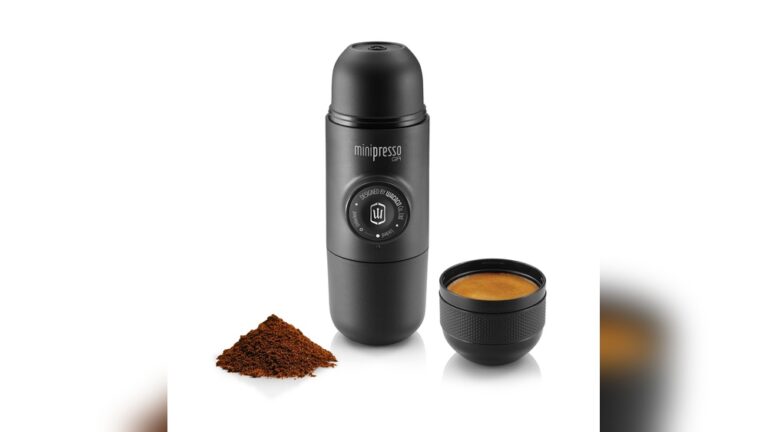
Credit: portablecoffeehub.com
Troubleshooting Common Issues
Handling clogs requires regular cleaning. Remove coffee grounds and rinse all parts well. Use a small brush to clear tight spots. Clogs reduce water flow and cause weak coffee.
Fixing pressure problems means checking the seal and filter. A worn seal lets pressure escape. Make sure the filter is clean and not blocked. Proper pressure ensures rich espresso.
Dealing with off flavors starts with fresh water and coffee. Clean the machine often to remove old oils and residue. Avoid using stale coffee beans for better taste.
Tools And Accessories
Recommended cleaning brushes help reach small parts and tight spaces. Use soft bristles to avoid damage. A small brush cleans the filter and spout well.
Specialized cleaning solutions remove coffee oils and stains better than water. Choose non-toxic, food-safe cleaners made for espresso makers. Use them weekly for best results.
Useful maintenance gadgets include silicone mats to catch drips and microfiber cloths for wiping. A small funnel helps refill water without spills. Store all tools in one place to stay organized.

Credit: ecoffee1.com
Frequently Asked Questions
How To Clean A Portable Espresso Maker?
Rinse your portable espresso maker with warm water after each use to remove coffee grounds. Weekly, use a soft brush and mild detergent for deep cleaning. Avoid harsh chemicals. Let all parts dry completely before reassembling. Regular cleaning ensures better taste and machine longevity.
What Is The 30 Second Rule For Espresso?
The 30-second rule for espresso means drinking the shot within 30 seconds to enjoy optimal flavor and crema before it degrades.
What Maintenance Does An Espresso Machine Need?
Clean your espresso machine daily by rinsing and removing coffee grounds. Perform weekly deep cleaning with descaling solutions. Use a soft brush to remove oil residue. Regular maintenance ensures optimal performance and longevity. Avoid vinegar; use proper descalers to protect machine parts.
Can You Run Vinegar And Water Through An Espresso Machine?
Do not run vinegar and water through an espresso machine. Vinegar can damage internal parts and void warranties. Use manufacturer-approved descaling solutions instead.
Conclusion
Regular cleaning keeps your portable espresso maker working well. Remove coffee grounds and rinse after each use. Use a soft brush to clean hard-to-reach spots. Avoid harsh chemicals that can damage your machine. Descale with proper solutions to remove buildup safely.
Store your espresso maker in a dry place. Following these simple steps extends your machine’s life. Enjoy fresh, delicious coffee anytime, anywhere with ease. Taking care of your espresso maker pays off every day.

I am an outdoor enthusiast and gear researcher passionate about camping, hiking, backpacking, and outdoor adventures. I enjoy testing gear, comparing products, and sharing practical advice to help readers make informed decisions. At BestOutsideGear, I create honest gear reviews, buying guides, and outdoor tips to help adventurers choose the right equipment with confidence.