What is a Tent Pad Camping? Guide to Perfect Campsite Setup
Camping is a way to escape the busy city and enjoy nature. For many, it means sleeping in a tent under the stars. But if you have camped before, you might know that where you put your tent can change your whole experience. One small detail that can make a big difference is the tent pad. If you are new to camping or want to understand more about campsite features, knowing what a tent pad is and how it works is important. This article explains tent pad camping in simple terms, covering everything from what a tent pad is, why it matters, how it compares to regular ground, how to use one, and common mistakes to avoid. You will also find useful tips and real examples, so your next camping trip can be comfortable and safe.
What Is A Tent Pad?
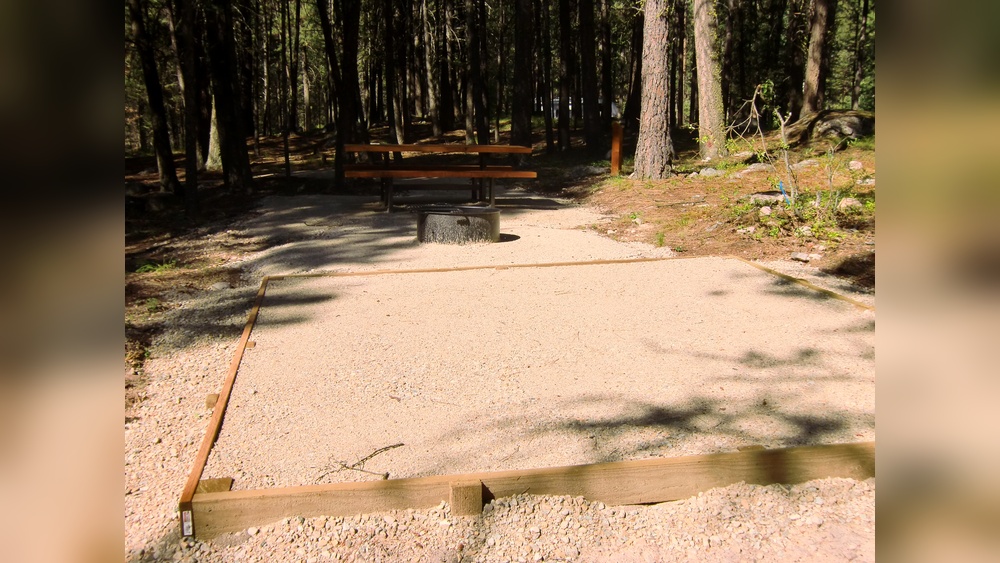
A tent pad is a flat, prepared area found at many campgrounds. It is made to fit one or two tents. Most tent pads are square or rectangular, often about 10 by 10 feet or a bit larger. The ground inside the pad is leveled and sometimes raised above the surrounding ground. The surface is covered with materials like gravel, sand, wood chips, or sometimes a rubber mat.
Tent pads are not the same as just a clear spot on the grass. They are built on purpose by campground staff to give campers a better, safer place to set up their tents. You will find tent pads mostly at developed campgrounds—places with other features like picnic tables, fire rings, or water taps.
Why Are Tent Pads Used?
There are a few reasons why tent pads are part of modern campgrounds:
- Protect tents: Pads offer a smoother, less rocky surface so your tent floor is less likely to get damaged.
- Keep dry: Good pads drain water away, so you are less likely to wake up in a puddle after rain.
- Campsite control: By showing campers where to pitch tents, campsites avoid spreading out, which helps nature recover and keeps the area looking nice.
- Safety: Flat, clear spaces lower the risk of accidents, like tripping over roots or rocks at night.
These small areas help both campers and the environment.
What Does A Tent Pad Look Like?
Tent pads are easy to spot once you know what to look for. They are usually marked by a border. Common materials for the border are wood beams, logs, or sometimes stones. The inside is filled with a layer of soft, draining material.
Here is a simple comparison of tent pad materials:
| Surface Material | Pros | Cons |
|---|---|---|
| Gravel | Drains well, durable, resists mud | Can feel hard, needs a thick sleeping pad |
| Sand | Very soft, easy to level tent | Gets into gear, may shift under tent |
| Wood Chips | Soft, natural look, gentle on tent floor | Can get soggy, may attract bugs |
| Rubber Mat | Comfortable, blocks moisture, easy to clean | Can get hot in sun, less common |
Most tent pads are about 6 to 10 inches high, with sharp edges to keep the fill material in place. They might be close to your parking spot or a few steps from the road, but are always clearly marked.

Credit: blog.whiteduckoutdoors.com
Tent Pad Camping Vs. Regular Ground Camping
If you have camped on bare dirt, grass, or forest floor, you know it is not always easy to find the perfect spot. Tent pads solve a lot of common problems. But are they always better? Here is a comparison to help you decide.
| Feature | Tent Pad Camping | Regular Ground Camping |
|---|---|---|
| Surface Level | Flat and even | May be bumpy, uneven |
| Drainage | Good, water runs off | Poor in some spots, risk of puddles |
| Comfort | Softer, fewer rocks or roots | Can be hard or lumpy |
| Environmental Impact | Limits damage to one area | Can hurt plants, compact soil |
| Setup Speed | Quick, less searching for a spot | May take time to find a good place |
| Flexibility | Size fixed by campground | Choose your own spot, more space |
Tent pads offer clear benefits for most campers, especially beginners or families. However, if you love wild camping or need a large tent, you might prefer choosing your own ground.
How To Use A Tent Pad
Setting up your tent on a tent pad is simple, but there are some steps and tips to follow. Here’s how to get the best results:
- Check tent size: Make sure your tent fits inside the pad’s borders. Most pads fit a 4- or 6-person tent, but large family tents can be too big.
- Clear the pad: Even though pads are maintained, check for sticks, stones, or sharp objects before laying out your tent.
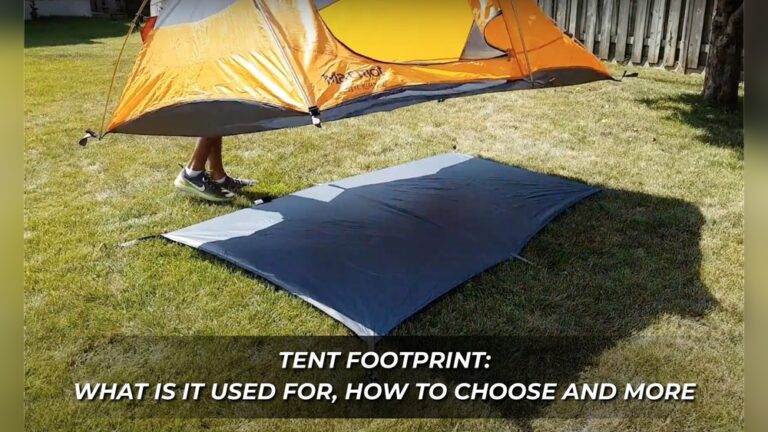
- Lay down a ground cloth: A footprint (thin tarp or special groundsheet) under your tent gives extra protection against moisture and wear.
- Align tent doors: Face your tent’s door toward the path, picnic table, or best view if possible.
- Stake your tent: Stakes may go into gravel, sand, or wood chips. Use strong stakes and, if needed, tie tent corners to the pad border.
- Check for water flow: If heavy rain is possible, make sure tent edges are not touching the border, so water does not pool under your tent.
A good practice is to always sweep the pad before setting up and check for any insects or small animals hiding under the surface.
Common Mistakes When Tent Pad Camping
Even with a good tent pad, some campers run into trouble. Here are mistakes you can avoid:
- Bringing an oversized tent: Pads are not always big enough for giant family tents. Check the size before your trip.
- Not using a ground cloth: Even on a clean pad, sand or gravel can wear out your tent floor. A footprint keeps it safe.
- Ignoring drainage: Some tent pads are not perfectly flat. If you see low spots, avoid placing your tent door there.
- Skipping the sweep: Small rocks or sticks can poke through thin tent floors and make sleep uncomfortable.
- Wrong stakes: Regular tent stakes may not work in gravel or hard pads. Bring heavy-duty stakes or rock bags.
If you are unsure, ask campground staff for advice before setting up.
Types Of Tent Pads
Not all tent pads are the same. Here are the main types you might see:
- Wood-framed gravel pads: Most common at national parks. Framed with thick wood and filled with small, smooth gravel.
- Raised sand pads: Often found in coastal or sandy regions. Raised to keep out water and improve drainage.
- Wood chip pads: Used in forested campgrounds. Softer, with a natural look, but can hold moisture in wet weather.
- Rubber or artificial pads: Seen at some private or accessible campgrounds. Easy to clean and good for people with mobility needs.
Each type has pros and cons. For example, wood chips feel soft but may need drying time after rain, while gravel is sturdy but less comfortable without a thick sleeping pad.
Why Tent Pads Matter For Campers
A tent pad might seem like a small detail, but it can change your trip. Here is why campers like tent pads:
- Better sleep: Less lumpy ground means you get more rest.
- Less gear damage: Tent floors last longer if not dragged over rocks or roots.
- Easier setup: No need to search for a flat spot or clear sticks and stones.
- Less mess: Pads stay cleaner in rain, so less dirt gets into your tent.
- Protects nature: Keeping tents on pads means fewer plants crushed and less soil erosion.
If you are camping with kids or beginners, a tent pad is especially helpful. It lowers stress and lets you focus on enjoying your time outdoors.
Tent Pads And The Environment
Using tent pads is not just about comfort. It also helps the environment. When campers use the same spot for tents, nature around the site can recover. This prevents “camping scars”—bare patches where grass and plants have been trampled. Over time, well-designed tent pads help keep campgrounds green and healthy.
Some parks even use eco-friendly materials for their pads, like recycled rubber or wood from renewable forests. This adds another layer of protection to the land.
According to the National Park Service, using prepared pads and staying on marked campsites is one of the best ways campers can reduce their impact on the outdoors.
Practical Tips For Tent Pad Camping
A few simple actions can make your tent pad camping experience better:
- Bring a broom or brush: Sweeping the pad clears dirt and makes setup easier.
- Pack the right stakes: Steel stakes or screw-in types work best in gravel or hard pads.
- Use a thick sleeping pad: Gravel and sand can be hard; a thicker pad improves comfort.
- Test your tent at home: Make sure you know how it fits on a 10×10 space before your trip.
- Look for shade: Pads in full sun can get hot, especially with rubber mats. Try to pick one with some tree cover.
Remember, tent pads are meant for tents only—not for cooking, storing food, or sitting for long periods. Use the picnic table or other areas for those activities.
Are Tent Pads Always Needed?
Not every camping style uses tent pads. If you are backpacking, wild camping, or staying in remote areas, you may not see a tent pad at all. In these cases, you must choose your own ground carefully, avoid fragile plants, and make sure you leave no trace.
However, at most developed campgrounds in the US, especially state and national parks, tent pads are the standard. They are also common in Canada, Australia, and Europe. If you like car camping or family camping, you will likely use tent pads often.

Credit: klymit.com
Real-world Examples
To help you picture tent pad camping, here are a few real-world examples:
- Yosemite National Park: Most campgrounds have wood-framed gravel pads, sized for 4- or 6-person tents.
- KOA Campgrounds: Many private campgrounds use rubber or sand pads, often with nearby parking and picnic areas.
- Florida State Parks: In sandy regions, raised sand pads keep tents dry during storms.
- Backcountry Sites: Some wilderness sites use simple wood chip pads, marked by logs, to reduce impact on the forest floor.
Before your trip, check the campground’s website or call ahead to confirm pad sizes and surfaces. This helps you pack the right gear.
Tent Pad Camping: What Beginners Miss
Even experienced campers sometimes overlook how much a tent pad can affect their trip. Two common beginner mistakes are:
- Forgetting about pad size: Not all tents fit all pads. A tent that is too big will hang over the edge, letting water or dirt get in.
- Not adjusting tent setup: Pads often have better drainage, so you might not need to dig small trenches (in fact, this is usually not allowed). Trust the pad’s design to do its job.
Another insight: If you camp in groups, check if your tent pads are close together or spread out. This affects how you organize gear and plan group meals.

Credit: luthsports.org
Final Thoughts
Tent pad camping combines the best of both worlds: comfort for campers and care for nature. By using these prepared, level spaces, you protect your gear, sleep better, and help keep campgrounds beautiful for everyone. Whether you are a first-time camper or a seasoned outdoor lover, understanding tent pads helps you plan better and enjoy your time outside. With the right tent, good stakes, and a little preparation, your next camping trip can be more comfortable and less stressful. Happy camping!

I am an outdoor enthusiast and gear researcher passionate about camping, hiking, backpacking, and outdoor adventures. I enjoy testing gear, comparing products, and sharing practical advice to help readers make informed decisions. At BestOutsideGear, I create honest gear reviews, buying guides, and outdoor tips to help adventurers choose the right equipment with confidence.