Nonstick vs Seasoned Griddle: Which Surface Is Right for You
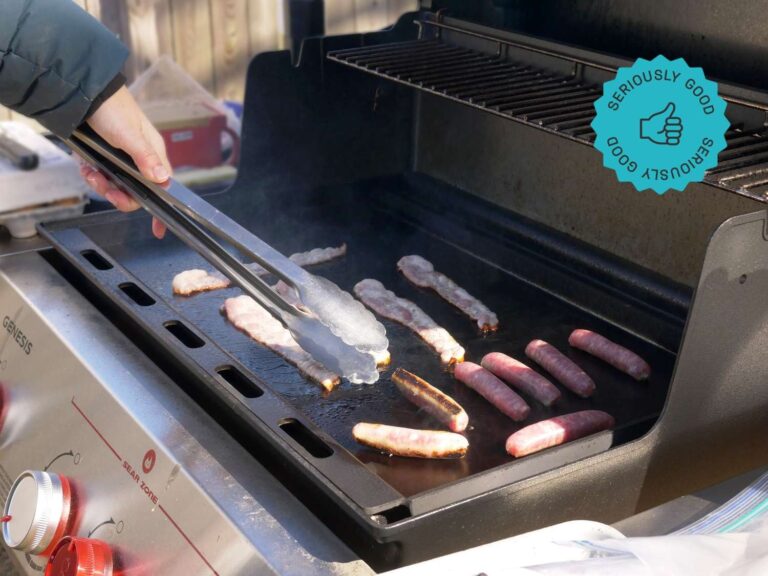
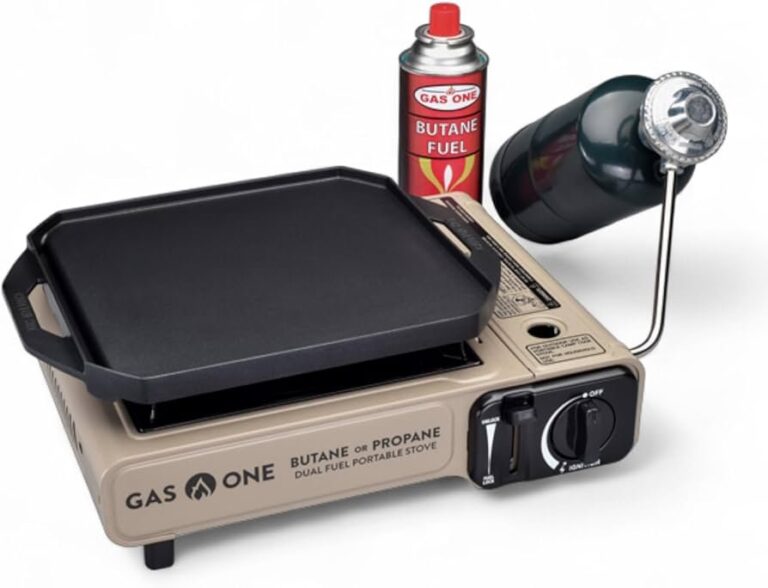
Choosing between a nonstick and a seasoned griddle depends on your cooking style, as a nonstick surface is best for delicate foods that require easy release at low heat, while a seasoned cast iron griddle offers superior durability and high-heat performance for searing meats and vegetables that benefit from a deep, flavorful crust.
Choosing between nonstick and seasoned griddles

Your decision rests on the type of meals you prepare most often and how much maintenance you’re willing to perform. A nonstick coating is engineered for convenience, allowing you to cook eggs, pancakes, and fish with minimal oil. However, these coatings can degrade if exposed to high temperatures or metal utensils. If you notice the surface flaking or scratching, the pan has reached the end of its utility and must be discarded to avoid chemical ingestion.
Conversely, a seasoned griddle creates a natural, oil-based barrier that improves with every use. While it requires regular cleaning and occasional re-oiling to prevent rust, it’s virtually indestructible and provides a consistent heat distribution that many professional chefs prefer for browning. If you cook acidic ingredients like tomato sauce or vinegar-based glazes, stick to nonstick or stainless steel; these will strip the seasoning from cast iron and leave your food with a metallic, bitter taste.
Choose the seasoned option if you prioritize searing meats at high heat, as nonstick surfaces often release toxic fumes when pushed past 500 degrees Fahrenheit. If you’re a casual cook who prefers a quick cleanup, the nonstick surface is the better choice.
You can tell which path to take by your cleaning habits: if you’re unwilling to dry a pan immediately after washing it, cast iron will inevitably rust in your kitchen. Only commit to the seasoned surface if you’re prepared to apply a thin layer of oil after every single use to maintain the protective bond.
Why Heat Control Matters for Your Griddle
Understanding the temperature limits of your cookware is essential for both safety and performance. Most nonstick surfaces use synthetic polymers that can release fumes if the pan reaches temperatures above 500 degrees Fahrenheit, which is why manufacturers advise keeping these pans on lower settings. According to the United States Consumer Product Safety Commission, you should never leave empty cookware on a hot burner, as this can quickly cause the pan to overheat and damage its finish.
If you’re searing proteins, aim for a surface temperature between 350 and 400 degrees. Exceeding 500 degrees can cause the nonstick coating to degrade and release fumes.
Check your heat with a simple water drop test. If the droplet beads up and dances across the surface, the pan is very hot; if it evaporates instantly, the pan is at a lower temperature.
If your food is sticking to a seasoned griddle, it usually means the pan isn’t hot enough or it needs a fresh layer of oil before you begin cooking.
Common Mistakes That Ruin Your Cookware

Many users accidentally damage their griddles by using the wrong cleaning tools or storage methods. With a nonstick surface, the most common mistake is using abrasive scouring pads or steel wool. These create microscopic scratches that destroy the coating’s effectiveness, leading to food sticking within months. You should only use silicone or wooden tools to protect the surface.
For a seasoned griddle, the biggest mistake is letting it soak in the sink. Since these pans are made of iron, prolonged exposure to water will cause them to rust almost immediately. If you notice orange flakes, you have left the pan submerged too long. The fix requires scrubbing the rust away with salt and re-seasoning the metal from scratch.
Always dry your seasoned griddle thoroughly on the stove after washing. Turn the burner to low for two minutes to evaporate hidden moisture trapped in the pores of the iron. Once dry, apply a very thin layer of cooking oil to protect the surface until the next time you need it. If the pan feels tacky to the touch, you used too much oil. Wipe it down until it appears matte.
Related guides
- Pole Vs Frame Wedding Tents: Which Is Best for Your Big Day?
- Cot Vs Air Mattress Camping: Which Is Best for Outdoor Comfort?
Frequently Asked Questions
Can I use metal spatulas on a seasoned griddle?
Yes, you can safely use metal spatulas on a seasoned griddle because the surface is made of durable iron or steel. Unlike nonstick coatings, which scratch easily, the seasoned surface is designed to withstand contact with metal tools without losing its performance.
Is it necessary to re-season a griddle every time I use it?
No, you don’t need to perform a full seasoning process after every meal. Simply cleaning the surface and applying a light coat of oil after drying is enough to maintain the protective layer and prevent rust from forming during storage.
Which griddle is safer for high-heat searing?
A seasoned cast iron griddle is significantly safer for high-heat searing than a nonstick model. Nonstick coatings are designed for lower temperatures and can break down or emit harmful chemicals when subjected to the intense heat required for a proper sear.
Conclusion
Check the underside of your current stove or your recipe book to see if your most frequent dishes require high-heat searing or gentle browning. If you prioritize easy cleanup for daily breakfasts, stick with nonstick. If you want a tool that lasts for decades and handles high heat, invest in a seasoned cast iron griddle.
{“@context”:”https://schema.org”,”@type”:”FAQPage”,”mainEntity”:[{“@type”:”Question”,”name”:”Can I use metal spatulas on a seasoned griddle?”,”acceptedAnswer”:{“@type”:”Answer”,”text”:”Yes, you can safely use metal spatulas on a seasoned griddle because the surface is made of durable iron or steel. Unlike nonstick coatings, which scratch easily, the seasoned surface is designed to withstand contact with metal tools without losing its performance.”}},{“@type”:”Question”,”name”:”Is it necessary to re-season a griddle every time I use it?”,”acceptedAnswer”:{“@type”:”Answer”,”text”:”No, you don’t need to perform a full seasoning process after every meal. Simply cleaning the surface and applying a light coat of oil after drying is enough to maintain the protective layer and prevent rust from forming during storage.”}},{“@type”:”Question”,”name”:”Which griddle is safer for high-heat searing?”,”acceptedAnswer”:{“@type”:”Answer”,”text”:”A seasoned cast iron griddle is significantly safer for high-heat searing than a nonstick model. Nonstick coatings are designed for lower temperatures and can break down or emit harmful chemicals when subjected to the intense heat required for a proper sear.”}}]}
I am an outdoor enthusiast and gear researcher passionate about camping, hiking, backpacking, and outdoor adventures. I enjoy testing gear, comparing products, and sharing practical advice to help readers make informed decisions. At BestOutsideGear, I create honest gear reviews, buying guides, and outdoor tips to help adventurers choose the right equipment with confidence.