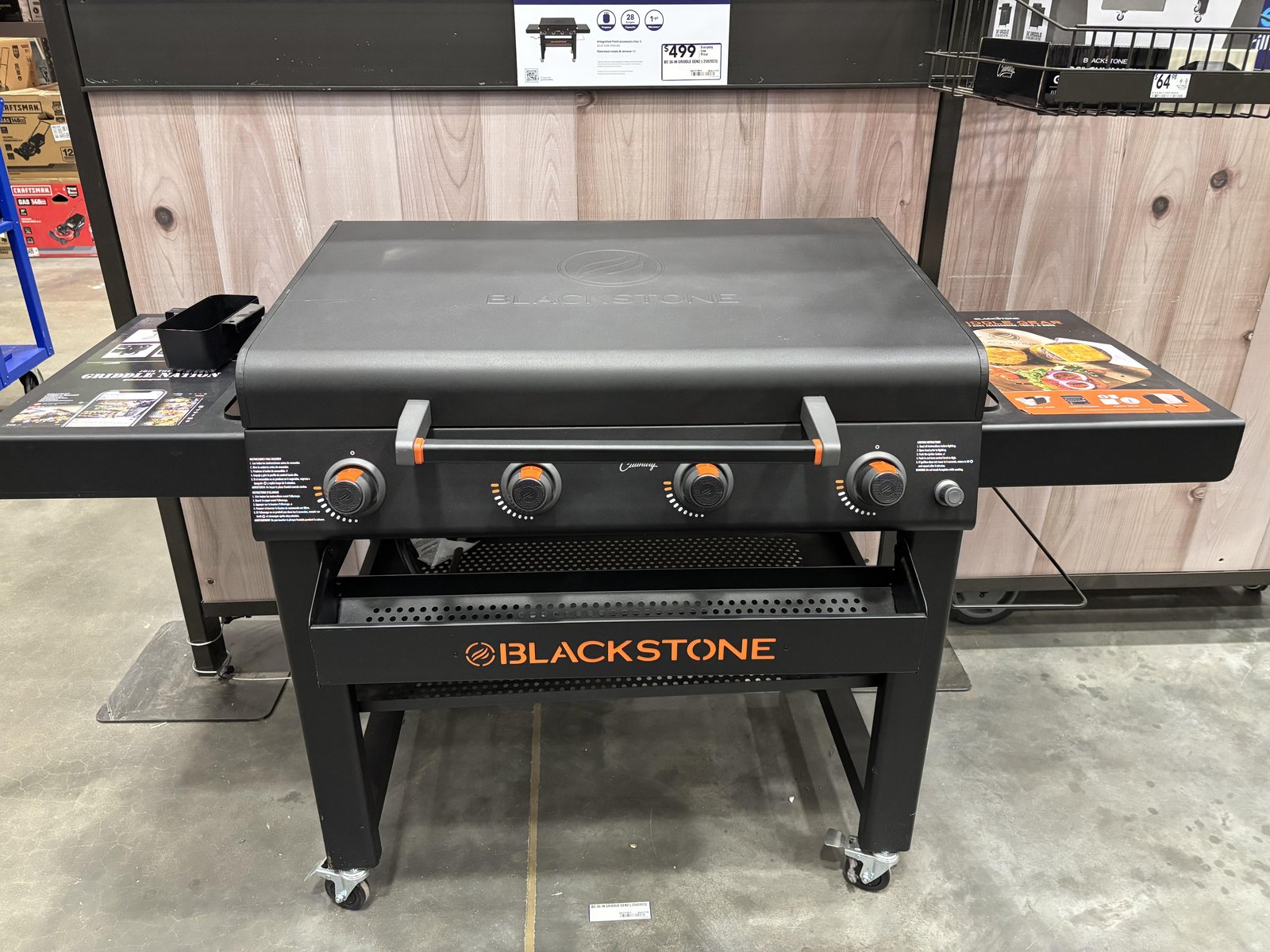
1 Burner vs 2 Burner Griddle: Which Size Fits Your Cooking Needs
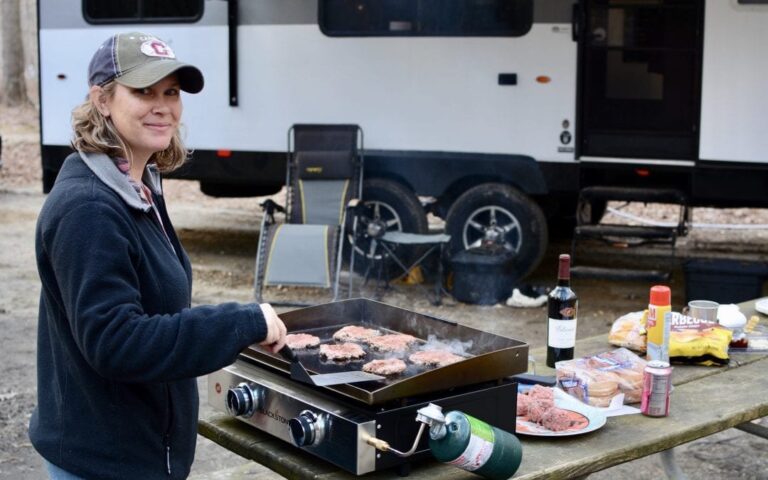
Choosing between a 1 burner vs 2 burner griddle depends on your available stove space and the amount of food you need to cook at once. If you cook for more than two people, a 2 burner model is better because it offers a larger surface area and consistent heat across the entire cooking zone.
Comparing 1 burner and 2 burner griddle performance
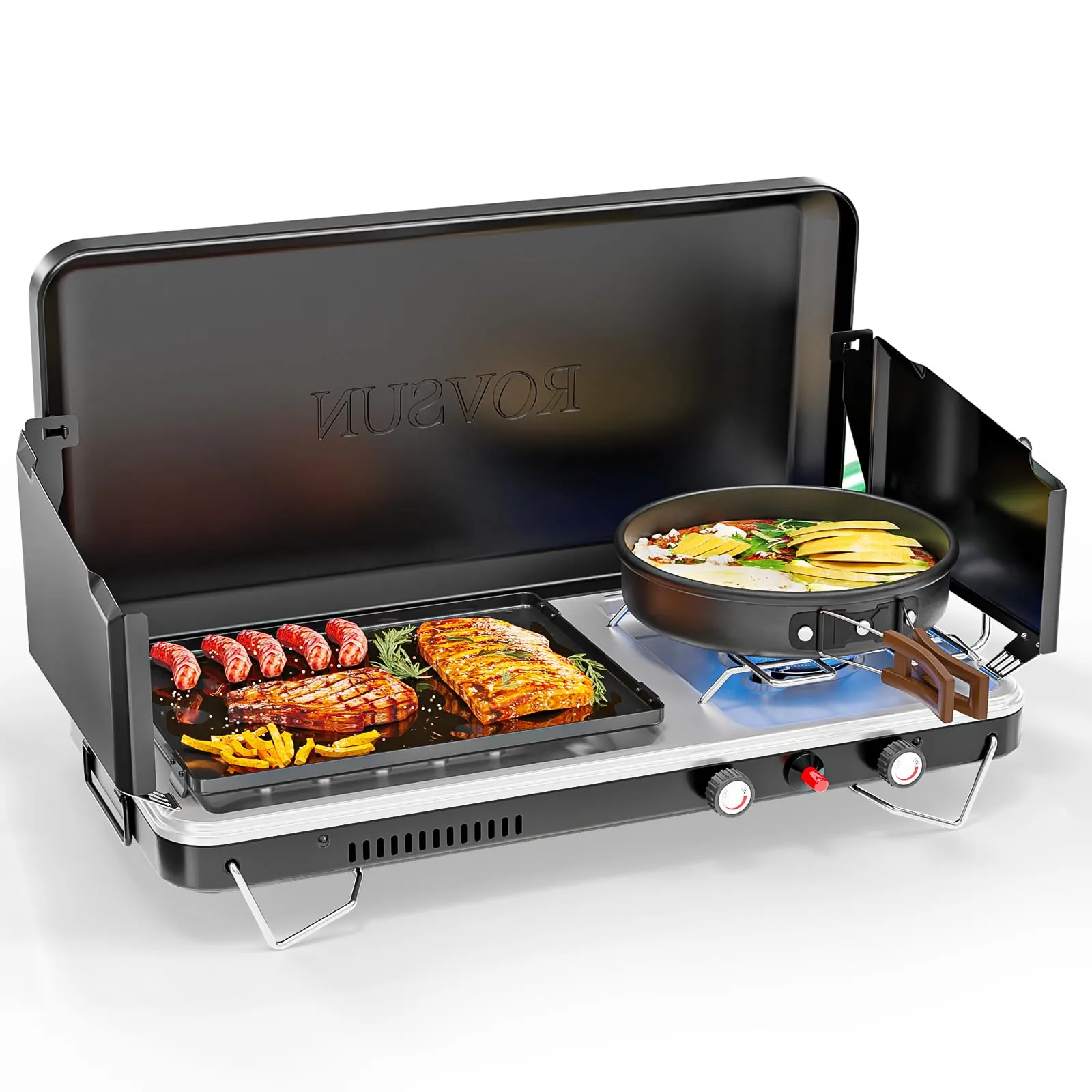
When you select a griddle for your kitchen, the primary trade-off is between versatility and footprint. A single-burner griddle sits over one stove element, making it ideal for small apartments or limited counter space. However, it often develops hot and cold spots because the heat must radiate outward from the center. A two-burner griddle spans across two heating elements, which provides a more uniform temperature if your stove has balanced burners.
| Feature | 1 Burner Griddle | 2 Burner Griddle |
|---|---|---|
| Cooking Surface | Small (approx. 10×10 inches) | Large (approx. 10×20 inches) |
| Heat Distribution | Variable; hot center | Consistent; dual-zone control |
| Storage Needs | Minimal; fits in small drawers | Significant; requires cabinet width |
| Ideal Group Size | 1 to 2 people | 3 to 6 people |
If you cook for more than two people, the 10×10 inch surface will force you to cook in three or four separate rounds. This creates a “cold plate” problem where the first batch loses its texture while waiting for the last items to finish. If you have a standard 30-inch range, a two-burner model is the only way to utilize the full width of your cooktop.
Avoid the mistake of buying a two-burner unit if your stove has a bridge element or a non-standard burner layout. In those cases, the heat will concentrate only where the burners exist, leaving the middle of the griddle effectively dead. If your range burners are spaced more than 12 inches apart, check that the griddle’s base is thick enough to bridge the gap without warping.
How to Choose the Right Size for Your Stove
Before you buy, measure the distance between your stove burners and check the total width of your cooktop. A common mistake is buying a griddle that’s too long for the stove, which prevents the unit from sitting flat against the grate or surface. If the griddle doesn’t sit level, your oil will pool on one side, leading to uneven cooking and potential smoke hazards.
Measure your burner spacing by finding the exact distance from the center of the left burner to the center of the right burner. If your burners are spaced more than 18 inches apart, a standard 18-inch griddle will leave a cold, unusable gap in the middle.
Check for obstructions like raised knobs or metal trim between the burners. These often sit higher than the grate level, which stops the griddle from lying flush. If you see a rise of even a quarter-inch, choose a model with feet or a recessed bottom to clear the hardware.
Verify total length by noting that a standard two-burner model requires at least 18 to 22 inches of unobstructed space. If you have less than 18 inches, you’re better off with a single-burner square pan.
Test the weight by placing a heavy skillet on your grates to see if they wobble. If the grates shift under pressure, a heavy cast iron plate will be unstable and dangerous when filled with hot grease.
Consider the overhang carefully. If your griddle is wider than the burner area, the outer edges will remain cold. This creates dead space that wastes energy and frustrates your workflow. If you have an induction cooktop, check your manual for “bridge” mode, which synchronizes two burners to heat a large pan evenly.
Is It Safe to Use a Large Griddle on a Small Stove?
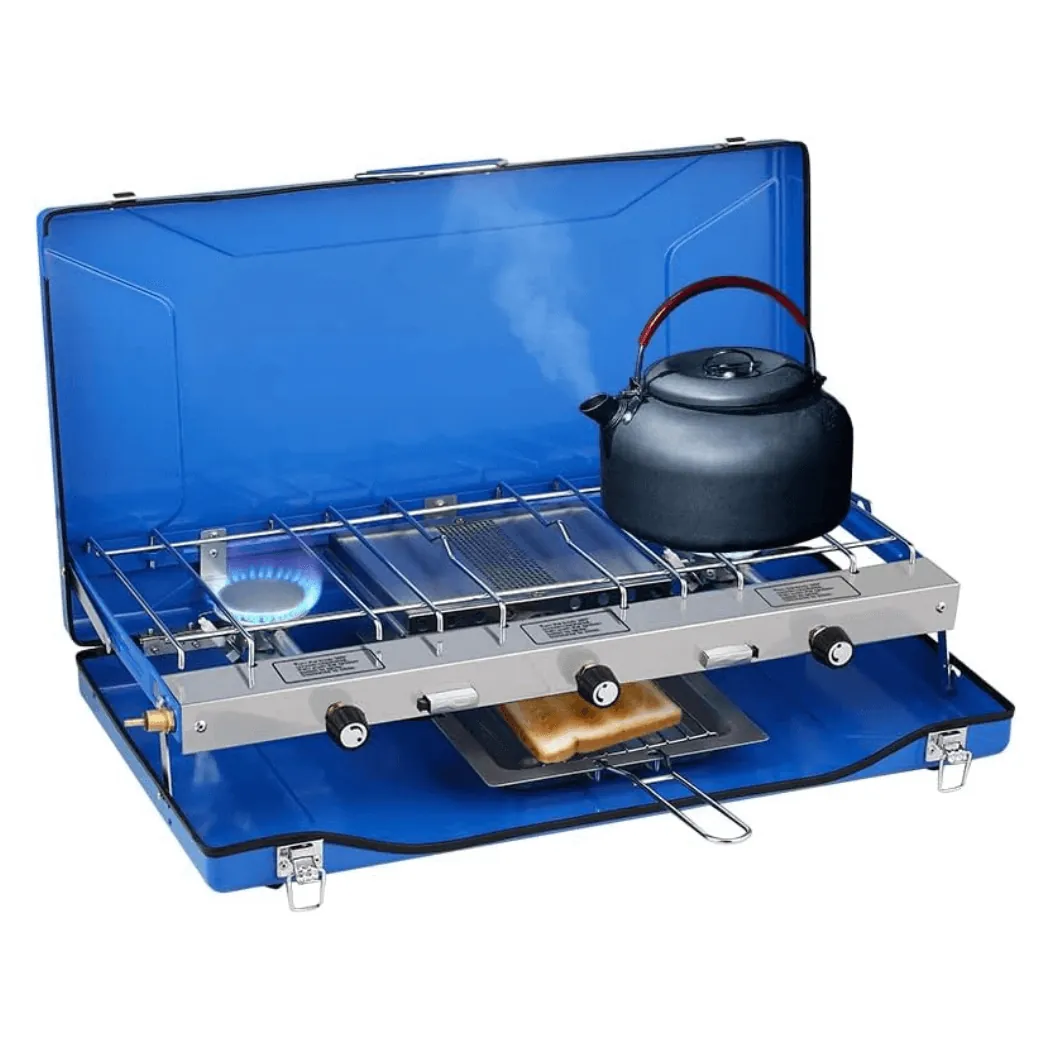
It’s safe to use a larger griddle on a small stove as long as the base is stable and you don’t block the airflow required for gas burners.
Always ensure the griddle is designed for your specific heat source. Thin aluminum or lightweight steel pans often warp when heat is concentrated in the center, causing the pan to rock dangerously on the grate. If you can push down on one corner and the opposite side lifts, the pan is unstable and poses a spill hazard.
If you’re using a glass-top electric stove, never use a griddle that extends more than one inch past the edge of the heating element. Excess heat radiating onto the surrounding glass can crack the surface or melt internal components. If the pan feels hot to the touch at the outer handles, you’re losing too much heat to the air.
Related guides
- Step by Step Guide to Using Camping Stove: Easy & Safe Cooking Tips
- Travel Tips for Camping Stove: Essential Hacks for Safe Cooking
- How to Choose Camping Stove: Ultimate Guide for Perfect Outdoor Cooking
Frequently Asked Questions
Can I use a two-burner griddle on an electric coil stove?
Yes, but you must ensure the griddle is heavy-duty enough to stay flat. If the griddle is thin, the heat from the coils will cause it to warp, which creates a dangerous situation where the pan slides off the burner.
Do I need a special coating for my griddle?
Most griddles come with a pre-seasoned finish or a non-stick coating. You don’t need a special coating, but you should avoid using metal utensils on non-stick versions to prevent scratching the surface, which can lead to flaking over time.
Which material is easiest to clean?
Cast iron is durable and naturally non-stick once seasoned, but it requires hand washing and immediate drying to prevent rust. Aluminum or stainless steel models are generally lighter and easier to maintain, though they may require more oil to prevent food from sticking.
Conclusion
Assess the amount of food you typically prepare and check your cooktop dimensions before making a purchase. If you have the storage space and frequently feed a family, the two-burner option is the better investment for consistent results. If you only cook for yourself, a single burner model will save you significant cabinet space.
{“@context”:”https://schema.org”,”@type”:”FAQPage”,”mainEntity”:[{“@type”:”Question”,”name”:”Can I use a two-burner griddle on an electric coil stove?”,”acceptedAnswer”:{“@type”:”Answer”,”text”:”Yes, but you must ensure the griddle is heavy-duty enough to stay flat. If the griddle is thin, the heat from the coils will cause it to warp, which creates a dangerous situation where the pan slides off the burner.”}},{“@type”:”Question”,”name”:”Do I need a special coating for my griddle?”,”acceptedAnswer”:{“@type”:”Answer”,”text”:”Most griddles come with a pre-seasoned finish or a non-stick coating. You don’t need a special coating, but you should avoid using metal utensils on non-stick versions to prevent scratching the surface, which can lead to flaking over time.”}},{“@type”:”Question”,”name”:”Which material is easiest to clean?”,”acceptedAnswer”:{“@type”:”Answer”,”text”:”Cast iron is durable and naturally non-stick once seasoned, but it requires hand washing and immediate drying to prevent rust. Aluminum or stainless steel models are generally lighter and easier to maintain, though they may require more oil to prevent food from sticking.”}}]}
I am an outdoor enthusiast and gear researcher passionate about camping, hiking, backpacking, and outdoor adventures. I enjoy testing gear, comparing products, and sharing practical advice to help readers make informed decisions. At BestOutsideGear, I create honest gear reviews, buying guides, and outdoor tips to help adventurers choose the right equipment with confidence.