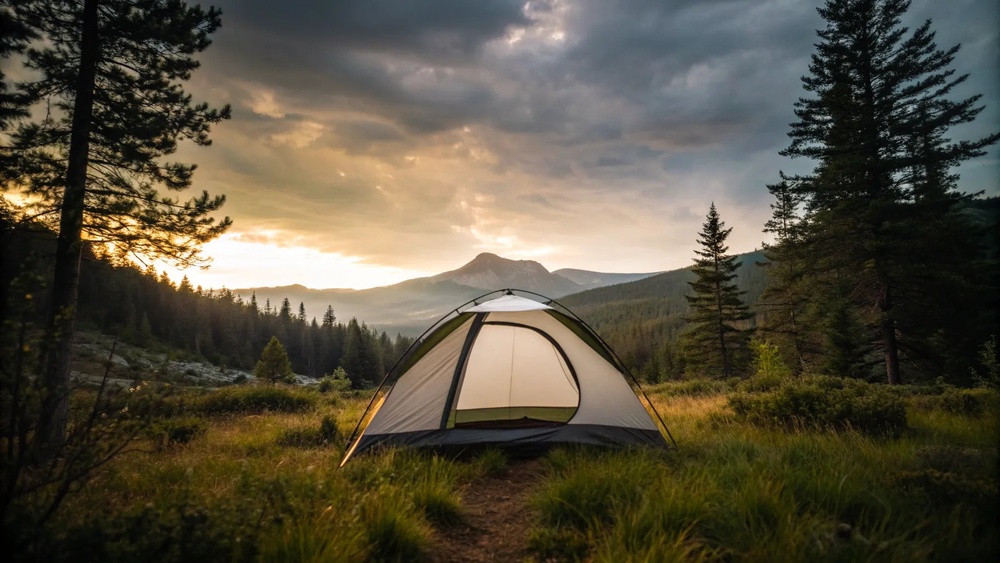
Maintenance Tips for Camp Tent: Essential Hacks for Longevity
You’ve invested in a good camp tent, so why let it wear out before its time? Taking care of your tent isn’t just about keeping it clean—it’s about protecting your shelter from damage, extending its life, and ensuring it’s ready whenever adventure calls.
Whether you’re a weekend warrior or a frequent camper, knowing simple maintenance tips can save you from unexpected tears, leaks, and frustration. In this guide, you’ll discover easy and effective ways to clean, dry, store, and protect your tent so it stays strong trip after trip.
Keep reading to unlock the secrets that will keep your tent in top shape and your camping experiences worry-free.

Credit: www.jellystonemillrun.com
Daily Tent Care
Daily tent care keeps your camp tent in good shape and extends its life. Simple habits after each use protect fabric and zippers. Dirt, moisture, and stains can cause damage over time. A quick daily routine helps avoid big cleaning jobs later. Follow these easy steps to maintain your tent’s condition and comfort on every trip.
Remove Dirt And Debris
Start by shaking out your tent to get rid of loose dirt and leaves. Use a soft brush or cloth to sweep away dust from walls and floors. Avoid using harsh tools that can tear the fabric. Clearing dirt prevents stains and stops small particles from wearing down the material. Clean both inside and outside for best results.
Thorough Drying
Always dry your tent fully before packing it away. Set it up in the sun or hang it in a well-ventilated spot. Pay attention to corners and seams where moisture hides. Damp fabric invites mold and mildew, which damage fibers and cause bad smells. Ensure rainfly and floor are completely dry to keep your tent fresh and strong.
Spot Cleaning Tips
For small stains, use mild soap and water with a soft sponge or cloth. Gently dab the dirty area instead of scrubbing hard. Avoid strong detergents or bleach that can ruin waterproof coatings. Rinse with clean water and let it dry fully. Regular spot cleaning helps keep your tent looking new without heavy washing.
Deep Cleaning Steps
Deep cleaning your camp tent is essential to keep it in top condition for many adventures. Dirt, sweat, and outdoor grime can damage tent fabric and zippers over time. Regular deep cleaning removes harmful residues and restores water resistance. Follow these steps carefully to protect your investment and extend your tent’s life.
Hand Washing Techniques
Fill a large tub or basin with lukewarm water and mild soap. Avoid harsh detergents or bleach that damage fabric coatings. Use a soft sponge or cloth to gently scrub the tent walls and floor. Focus on spots with visible dirt or stains. Rinse thoroughly with clean water to remove all soap. Never put your tent in a washing machine or dryer. Air dry completely before storing to prevent mold and mildew.
Zipper Maintenance
Camp tent zippers can get stuck or break if neglected. Brush dirt and sand out of zipper teeth using a soft brush. After cleaning, apply a zipper lubricant or wax designed for outdoor gear. This keeps zippers smooth and prevents snagging. Open and close zippers gently to avoid damage. Regular zipper care saves you from frustrating repairs while camping.
Pole Handling
Proper pole care prevents breakage and extends tent life. Always collapse poles by pushing sections together carefully to protect the shock cord inside. Avoid forcing poles into place when pitching your tent. Insert pole sections fully and check for cracks or bends before use. Clean poles with a damp cloth after each trip to remove dirt and grit. Store poles separately or inside the tent bag to avoid damage during transport.
Waterproofing And Repairs
Proper waterproofing and timely repairs keep your camp tent safe from rain and wear. Maintaining these features extends your tent’s life and improves comfort during camping trips. Small fixes prevent bigger damage and keep moisture out.
Reapplying Waterproof Coating
Waterproof coatings wear off over time due to sun and rain exposure. Check your tent’s rainfly and floor regularly for water absorption. Use a silicone-based waterproof spray for reapplication. Spray evenly and let it dry completely before use. Avoid sprays that block fabric breathability, as they trap moisture inside.
Fixing Small Tears
Small tears can grow quickly if left unrepaired. Patch them immediately with repair tape or a fabric patch kit. Clean the area before applying the patch to ensure good adhesion. Press firmly and allow time to set. For larger rips, consider sewing before patching to add strength.
Lubricating Zippers
Zippers often get stuck or break without care. Clean dirt and sand from zipper teeth using a soft brush. Apply a zipper lubricant or wax to keep them sliding smoothly. Avoid forcing stuck zippers to prevent damage. Regular lubrication helps maintain zipper function and prevents rust.

Credit: www.battlbox.com
Storage Strategies
Proper storage plays a key role in extending your camp tent’s life. Careful storage keeps the fabric strong and the tent ready for your next adventure. Avoid tight packing, damp places, or extreme temperatures. A good storage plan protects the tent from damage and mildew.
Loose Packing Methods
Store your tent loosely to avoid creases and fabric stress. Use a large mesh bag or a roomy sack. Avoid compressing the tent tightly inside small bags. Loose packing helps maintain the tent’s waterproof coating. It also prevents permanent wrinkles and tears.
Ideal Storage Environments
Choose a cool, dry place for storing your tent. Avoid attics, garages, or car trunks where temperatures vary. Humidity and heat can weaken fabric and damage waterproof layers. A dark area protects the tent from harmful UV light. Proper airflow reduces moisture buildup and mildew risk.
Periodic Airing
Take your tent out every few months to air it. Spread the tent in a shaded, breezy spot. This removes trapped moisture and prevents mold growth. Airing refreshes the tent’s fabric and zippers. Regular airing keeps your tent smelling clean and ready to use.
Campsite Setup Tips
Setting up your campsite correctly helps protect your tent and extends its life. A well-prepared site prevents damage from rough ground and weather. It also makes your camping experience more comfortable and safe. Follow these simple tips to keep your tent in top shape and enjoy every trip.
Using A Footprint
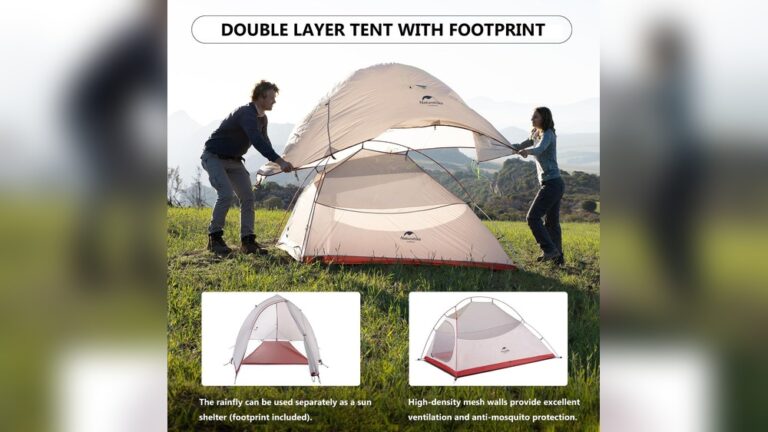
A footprint is a groundsheet placed under your tent. It protects the tent floor from dirt, moisture, and sharp objects. Using a footprint reduces wear and tear on the tent’s bottom fabric. Choose a footprint that matches your tent size to avoid water pooling underneath. This extra layer also makes cleaning easier after your trip.
Avoiding Sharp Objects
Clear the campsite of sticks, stones, and other sharp objects. These can puncture or tear your tent fabric. Check the ground carefully before pitching your tent. Use a tarp or footprint to add a protective barrier. Keep your gear organized to prevent accidental damage from tools or equipment.
Maximizing Ventilation
Proper airflow inside your tent reduces condensation and mold growth. Open vents and windows to allow fresh air to circulate. Position your tent to catch gentle breezes without facing strong winds. Use mesh panels to keep bugs out while letting air in. Good ventilation keeps the tent dry and comfortable.
Minimizing Uv Exposure
Sunlight breaks down tent fabric over time. Set up your tent in a shaded area if possible. Use natural shade from trees or bring a canopy for extra protection. Avoid leaving your tent exposed to direct sun during the hottest parts of the day. This care helps maintain the tent’s waterproof coating and color.
Preventing Common Damage
Preventing common damage to your camp tent extends its life and keeps it ready for adventures. Simple care steps reduce wear and tear. Avoiding dirt, handling poles correctly, and protecting against pets are key. These tips help keep your tent strong and safe for many trips.
Protecting Fabric From Dirt
Keep your tent fabric clean to prevent damage and stains. Always set up your tent on a clean, flat surface. Use a ground tarp to block dirt and moisture. Shake off dirt and debris before packing. Spot clean with mild soap and water only. Avoid harsh chemicals that weaken fabric fibers. Clean zippers regularly to stop grit buildup. Dirt can cause fabric to wear out faster and lose water resistance.
Handling Poles Safely
Camp tent poles are fragile and need careful handling. Always collapse poles slowly to protect the shock cord inside. Don’t force poles or bend them sharply. Insert pole sections fully when pitching the tent. Store poles separately in a protective sleeve to prevent scratches. Check poles for cracks or bends before each trip. Proper pole care prevents breaks and keeps your tent stable in wind.
Pet Precautions
Pets can accidentally damage your tent fabric and zippers. Keep pets outside the tent or in a designated area. Trim your pet’s nails before camping to avoid snags. Avoid letting pets chew on tent parts. Use a pet blanket or mat to reduce dirt and hair inside. Clean up pet hair regularly to keep zippers and mesh clear. These steps protect your tent and make camping comfortable for everyone.
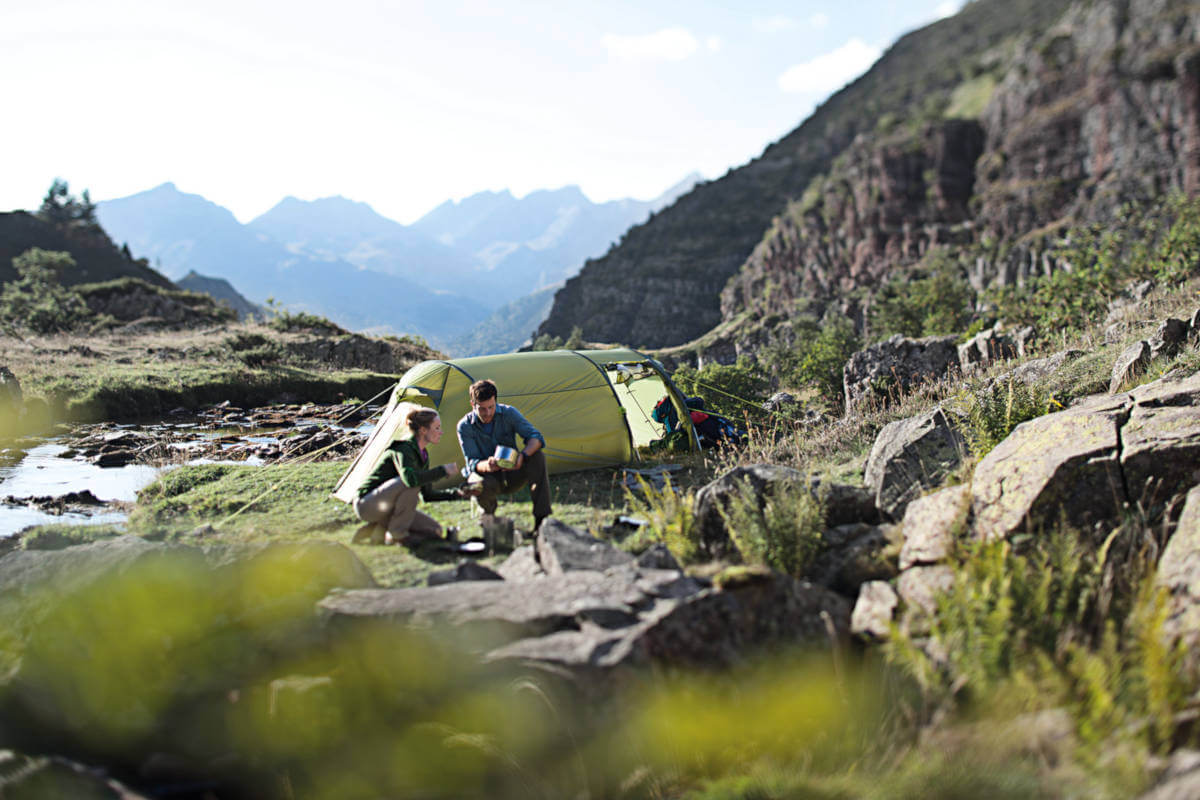
Credit: blog.tatonka.com
Frequently Asked Questions
How To Properly Care For A Tent?
Clean your tent with mild soap and a sponge, never a washing machine. Dry it completely before storage. Store loosely in a cool, dry place. Protect from UV rays and dirt to maintain water resistance. Handle zippers gently and reapply waterproof spray when needed.
How Often Should You Seal Your Tent?
Seal your tent once a year or when water stops beading on the fabric. Reapply waterproof spray as needed.
Do Tents Go Bad If Not Used?
Tents can degrade if stored improperly or left unused long-term. Store dry, cool, and ventilated to prevent mildew and fabric damage. Regular airing and maintenance preserve tent quality.
Does Putting A Tarp Over A Tent Make It Warmer?
Putting a tarp over a tent can reduce wind chill and moisture but does not significantly increase warmth inside.
Conclusion
Proper tent care keeps your shelter strong and ready for use. Clean your tent gently and dry it fully after each trip. Store it loosely in a cool, dry place to avoid damage. Protect zippers and poles by handling them with care.
Use waterproof sprays only when necessary to maintain water resistance. Regularly airing your tent helps prevent mildew and odor. Following these simple steps extends your tent’s life and improves your camping experience. Take good care, and your tent will serve you well on every adventure.

I am an outdoor enthusiast and gear researcher passionate about camping, hiking, backpacking, and outdoor adventures. I enjoy testing gear, comparing products, and sharing practical advice to help readers make informed decisions. At BestOutsideGear, I create honest gear reviews, buying guides, and outdoor tips to help adventurers choose the right equipment with confidence.