How to Pack With Inflatable Sleeping Pad: Ultimate Space-Saving Tips
If you love camping or backpacking, you know that a good night’s sleep makes all the difference. Your inflatable sleeping pad is key to staying comfortable on the trail, but packing it properly can be tricky.
You might wonder how to squeeze it down small, keep it safe, and get it ready for your next adventure without wasting time. In this guide, you’ll discover simple, step-by-step tips to pack your inflatable sleeping pad quickly and efficiently.
By learning these easy techniques, you’ll save space, protect your gear, and be ready to hit the trail with confidence. Keep reading, and make your packing routine smoother than ever.
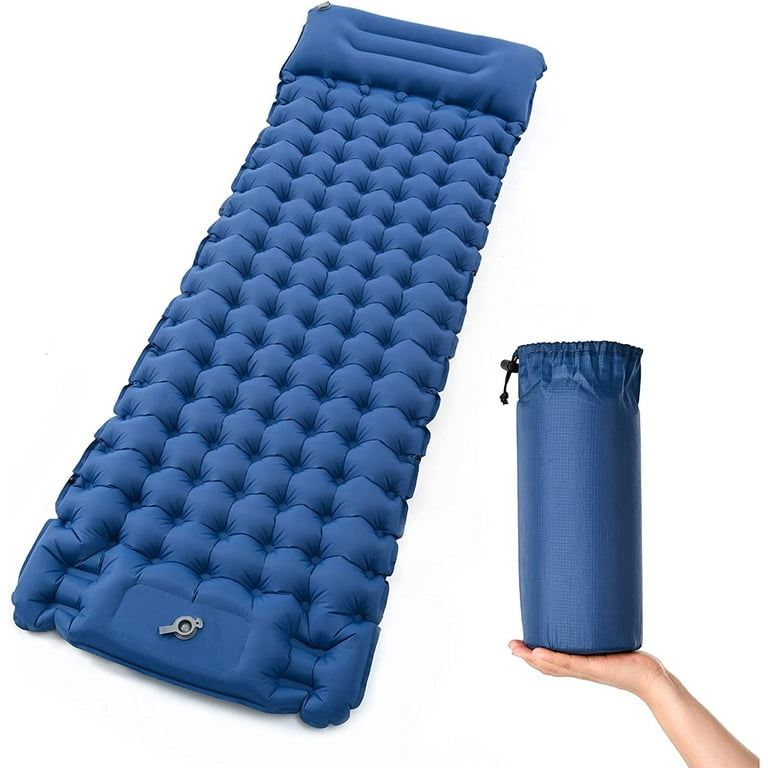
Credit: www.walmart.com
Choosing The Right Inflatable Pad
Choosing the right inflatable sleeping pad makes a big difference in comfort and ease of packing. Each pad varies by type, size, weight, and material. Understanding these factors helps pick the best fit for your camping needs. A good pad supports your body and fits well in your backpack.
Types Of Inflatable Pads
Inflatable pads come in different styles. Some are simple air pads without insulation. Others include foam layers or self-inflating features. Air pads are lightweight and compact but need manual inflation. Self-inflating pads fill with air automatically when opened. Foam pads offer extra warmth and durability but can be bulkier.
Size And Weight Considerations
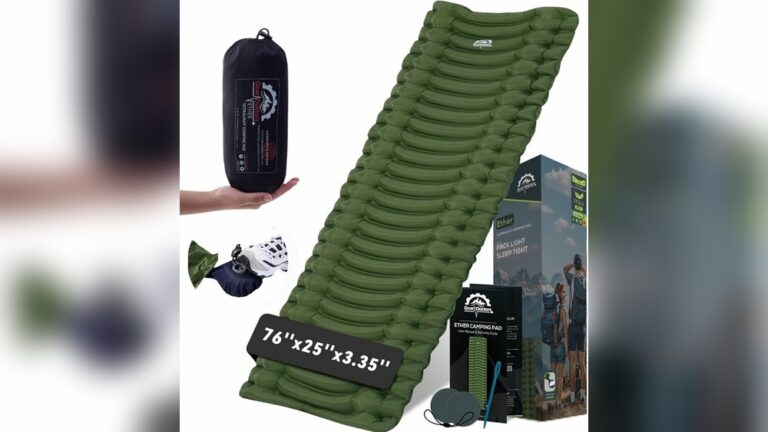
Size matters for sleeping comfort and packing ease. Larger pads provide more space but take more room in your bag. Smaller pads save space but may feel tight. Weight is important for backpacking. Choose a pad light enough to carry all day. Balance comfort with packability for the best experience.
Material Durability
Durable materials extend the life of your pad. Look for tough fabrics that resist punctures and tears. Ripstop nylon or polyester is common. Some pads have extra coatings for water resistance. Strong valves also help prevent air leaks. Durable pads save money by lasting through many trips.

Credit: www.amazon.com
Deflating Techniques
Deflating an inflatable sleeping pad correctly saves space and protects it for future use. Proper techniques help remove air efficiently without causing damage. Follow these steps to deflate your pad smoothly and pack it neatly.
Opening The Valve Properly
Find the valve and open it fully to start releasing air. Twist gently to avoid breaking it. Keep the valve open during deflation to let air flow out freely. Some pads have a one-way valve; check your model’s instructions.
Removing Excess Air
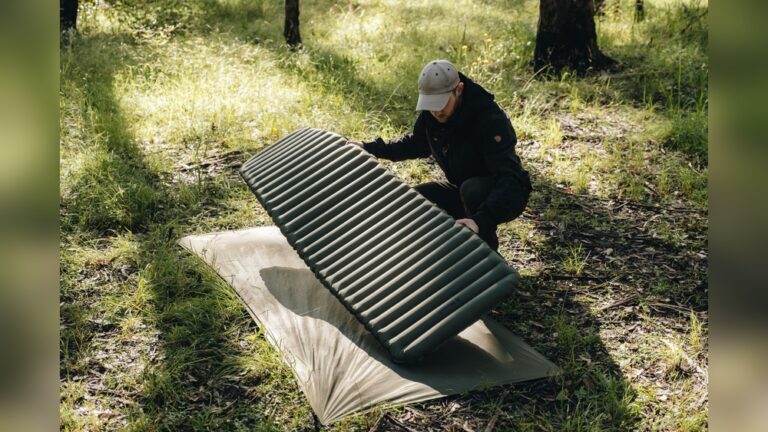
Lay the pad flat on a clean surface. Press down gently to push air out. Roll the pad from the opposite end toward the valve. Stop rolling once most air is out but avoid over-compressing. This step reduces the pad’s size for easy packing.
Avoiding Damage During Deflation
Do not use sharp objects near the pad. Avoid folding it tightly in one spot; instead, roll loosely. Keep the pad away from rough surfaces and extreme heat. Store it in its bag only after complete deflation. These tips help extend the pad’s life.
Rolling And Folding Methods
Packing an inflatable sleeping pad correctly saves space and protects it. Rolling and folding methods help compress the pad for easy transport. Using the right technique keeps the pad safe and ready for your next trip.
Both rolling and folding have their benefits. Rolling is great for quick packing, while folding can make the pad more compact. Understanding these methods improves your camping experience.
Tight Rolling Tips
Start by opening the valve to release all air. Press down on the pad to push air out. Fold the pad in half lengthwise for easier rolling. Roll from the valve end to trap less air inside. Keep the roll tight by pressing firmly as you go. Use straps or the stuff sack to hold the roll tight.
Folding For Compactness
Lay the pad flat and open the valve. Fold the pad into thirds or quarters, depending on size. Make sure folds are even to avoid wrinkles. Press firmly after each fold to squeeze out air. Roll the folded pad tightly from one end. This method reduces the pad’s length for small backpacks.
Common Mistakes To Avoid
Do not roll the pad with air inside. It makes packing bulky and can damage the pad. Avoid folding the pad unevenly; it causes creases and weak spots. Never store the pad while it is wet or dirty. Keep the valve closed during packing to prevent air leaks. Avoid forcing the pad into the stuff sack; this can tear it.
Packing Strategies
Packing an inflatable sleeping pad properly saves space and protects it. Good packing strategies make hiking easier and keep your gear safe from damage. Knowing the best way to pack helps keep your backpack organized. Consider the type of sack and placement to fit your needs. Each method has pros and cons based on your hiking style and backpack size.
Stuff Sack Vs Compression Sack
A stuff sack is simple and lightweight. You just push the pad inside without squeezing much air out. It is quick but takes more space. A compression sack squeezes air out, making the pad smaller. It uses straps to tighten the sack. This saves space but may take longer to pack. Choose a stuff sack for fast packing. Pick a compression sack to save backpack room.
Placement Inside Backpack
Place the sleeping pad where it balances weight well. The bottom of the pack is best for heavy or bulky items. Rolling the pad tightly helps fit it inside. Avoid placing sharp items next to the pad to prevent punctures. Keep the pad dry by packing it in a waterproof bag inside the backpack. Proper placement protects the pad and eases carrying.
Attaching Externally
Sometimes the pad does not fit inside the pack. Use external straps or loops to attach it outside. Secure the pad tightly to avoid noise and movement. Attach it lengthwise to keep the pack stable. Cover the pad if rain is expected. External attachment frees up space inside the pack but may expose the pad to dirt or damage. Check straps often to keep the pad safe.
Space-saving Hacks
Packing an inflatable sleeping pad efficiently can save precious space in your backpack. These space-saving hacks help you carry your pad without adding bulk. Smart packing ensures more room for other essentials and makes your hiking easier.
Using creative methods to pack your sleeping pad improves comfort and convenience on the trail. Learn how to use your pad as a backpack frame, combine it with other gear, and minimize its bulk for the best results.
Using Pad As Backpack Frame
Inflatable sleeping pads can serve as a lightweight frame for your backpack. Secure the pad to the outside of your pack to create extra support. This method keeps the pad flat and protects it from damage.
Wrap straps around the pad and backpack to hold it in place. The pad adds structure, helping distribute weight evenly. This setup frees up inside space for other gear.
Combining With Other Gear
Combine your sleeping pad with other soft items to save space. Roll the pad with your sleeping bag or clothes to form a compact bundle. Use compression sacks to tighten the roll and reduce volume.
Layering the pad with other gear prevents shifting while hiking. This technique keeps your pack organized and balanced. It also protects the pad from punctures and dirt.
Minimizing Bulk
Minimize bulk by fully deflating your sleeping pad before packing. Open the valve to release all air, then roll tightly from the opposite end. This squeezes out trapped air and shrinks the pad.
Choose pads with thin profiles or those designed to pack small. Store the pad in a dry, cool place to maintain its shape. Avoid stuffing the pad loosely, which wastes space and causes damage.
Maintenance And Storage
Proper maintenance and storage keep your inflatable sleeping pad ready for many adventures. Taking care of it after each use prevents damage and extends its life. Follow simple steps to store and clean your pad correctly. Avoid problems like mold and leaks by handling your pad with care.
Storing With Valve Open
Always store your sleeping pad with the valve open. This lets air circulate inside the pad. It stops moisture from building up, which can cause mold. Leaving the valve open also helps the pad keep its shape. Store the pad flat or loosely rolled in a dry place. Avoid tight compression for long times to protect the foam inside.
Cleaning Before Storage
Clean your sleeping pad before putting it away. Use a soft cloth and mild soap with water. Gently wipe the surface to remove dirt and sweat. Do not use harsh chemicals or scrub hard. Rinse with clean water and let it dry fully. Make sure the pad is completely dry before storage to stop mold growth.
Preventing Mold And Damage
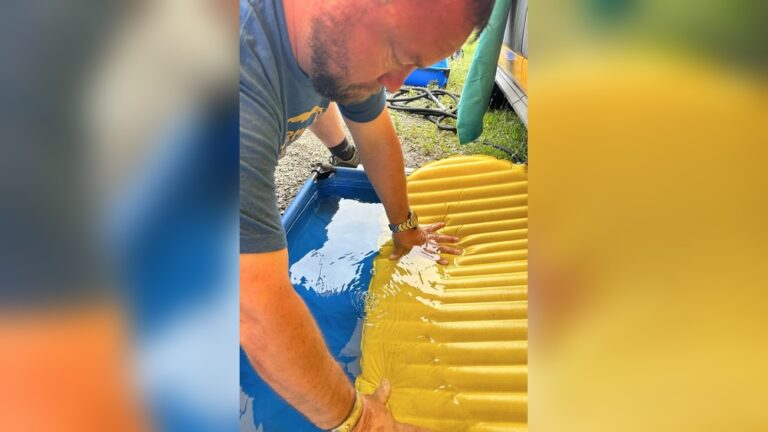
Keep your pad dry and clean to prevent mold. Store in a cool, dry spot away from sunlight. Avoid sharp objects that could puncture the pad. Check the pad for leaks or holes regularly. Repair small holes with a patch kit to stop air loss. Proper care protects your sleeping pad and keeps it comfortable for camping.
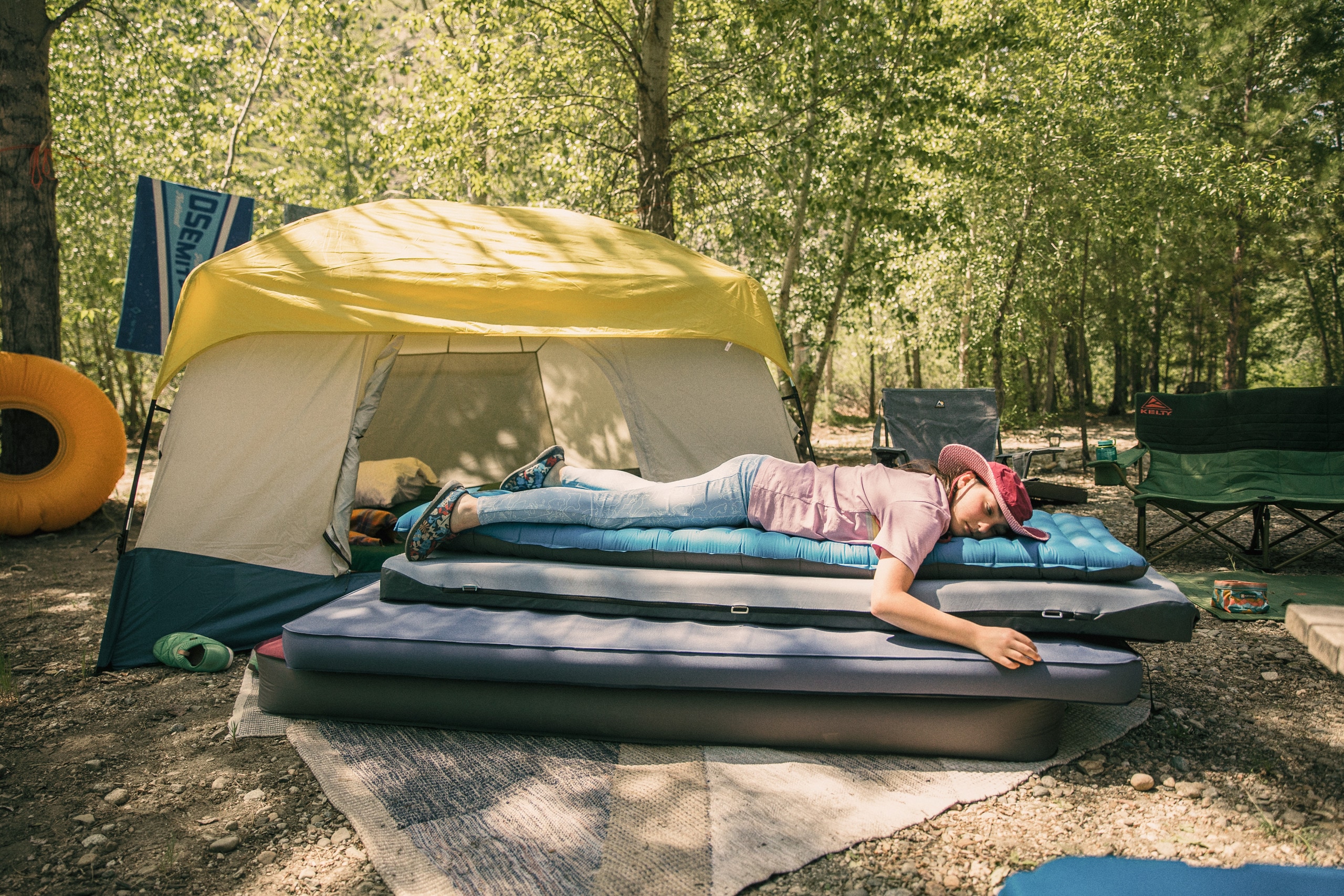
Credit: www.rei.com
Frequently Asked Questions
How To Pack An Inflatable Sleeping Mat?
To pack an inflatable sleeping mat, open the valve and roll tightly to expel air. Close the valve securely. Fold or roll the mat compactly and store it in its bag to protect and save space.
How To Pack A Sleeping Pad In A Backpack?
Roll the sleeping pad tightly to expel air. Close the valve securely. Fold or roll it compactly. Place it inside or attach it outside your backpack. Secure it to prevent movement during hiking.
How To Pack Away A Self-inflating Air Mattress?
Open the valve to release air. Roll the mattress tightly from the opposite end of the valve. Close the valve to keep it sealed. Store in a dry, cool place. Avoid compressing it for long periods to maintain its shape and function.
Where To Pack A Sleeping Mat?
Pack your sleeping mat flat with the valve open to prevent moisture and mold. Avoid long-term compression in its stuff sack. Store foam mats unrolled to maintain insulation and shape. For backpacking, fold or roll it compactly and place it on top or outside your pack for easy access.
Conclusion
Packing an inflatable sleeping pad is simple with the right steps. Start by releasing all the air to make it compact. Roll it tightly from one end to the valve to push the air out. Close the valve to keep it sealed and prevent air from coming back in.
Store the pad in its bag to protect it during your trip. Proper packing saves space and keeps your pad ready for the next adventure. Remember, a well-packed sleeping pad makes camping more comfortable and hassle-free. Keep practicing these tips for easy and quick packing every time.

I am an outdoor enthusiast and gear researcher passionate about camping, hiking, backpacking, and outdoor adventures. I enjoy testing gear, comparing products, and sharing practical advice to help readers make informed decisions. At BestOutsideGear, I create honest gear reviews, buying guides, and outdoor tips to help adventurers choose the right equipment with confidence.