Best Ways to Clean Camping Stove: Easy Tips for Sparkling Results
You love the freedom of cooking outdoors, but a messy camping stove can quickly turn your adventure into a hassle. Grease, dirt, and burnt-on food not only make your stove look bad—they can also affect its performance and safety.
If you want to keep your stove working perfectly and ready for your next trip, you need to clean it the right way. You’ll discover the best, simple methods to clean your camping stove effectively, saving you time and effort while ensuring your gear stays in top shape.
Ready to make your stove sparkle again? Let’s dive in!

Credit: www.reddit.com
Prep Before Cleaning
Preparing your camping stove before cleaning is essential. It makes the cleaning process easier and safer. Taking time to prep helps protect the stove and yourself. Follow simple steps to get ready.
Start by gathering all needed supplies. Then, follow safety measures to avoid accidents. Proper preparation saves time and effort.
Gathering Supplies
Collect all cleaning tools before starting. You will need a soft brush, sponge, and cloth. Dish soap and warm water are helpful for grease. Also, have a small container for soaking parts. Avoid harsh chemicals that can damage the stove. A toothbrush works well for tight spots. Keep a towel nearby to dry parts after washing.
Safety Measures
Ensure the stove is completely cool before cleaning. Disconnect fuel sources to prevent leaks or fires. Clean in a well-ventilated area to avoid fumes. Wear gloves to protect your skin from dirt and soap. Keep children and pets away during cleaning. Avoid spraying water directly on fuel lines or controls. Take your time to avoid damaging delicate parts.
Remove Loose Debris
Removing loose debris is the first important step in cleaning your camping stove. Dirt, crumbs, and leftover food can block burners and reduce stove efficiency. Clearing away these particles helps your stove work well and last longer.
Start by gently getting rid of all the loose dirt and crumbs. This prepares the stove for deeper cleaning without pushing debris into small parts.
Brushing Off Dirt
Use a soft brush or old toothbrush to sweep off dirt from the stove surface. Focus on corners and burner heads where dirt gathers. Brush gently to avoid damage to delicate parts.
Brushing removes dust, food bits, and ash. It makes the stove cleaner and ready for washing or wiping.
Emptying Residuals
Check the drip tray and fuel area for leftover grease or spilled fuel. Carefully empty these parts to avoid mess and fire risk. Use a paper towel or cloth to soak up liquids.
Removing these residues stops bad smells and keeps the stove safe for your next trip.
Clean Stove Surface
Keeping the stove surface clean is vital for safe and efficient camping. Dirt and food residues can block burners and cause uneven heating. A clean surface also prevents unpleasant smells and keeps your cooking area hygienic. Simple cleaning methods remove grime and protect your stove from damage.
Focus on gentle but effective cleaning techniques. Avoid harsh scrubbing that can scratch the stove’s finish. Regular cleaning after each use makes deep cleaning easier and extends your stove’s life.
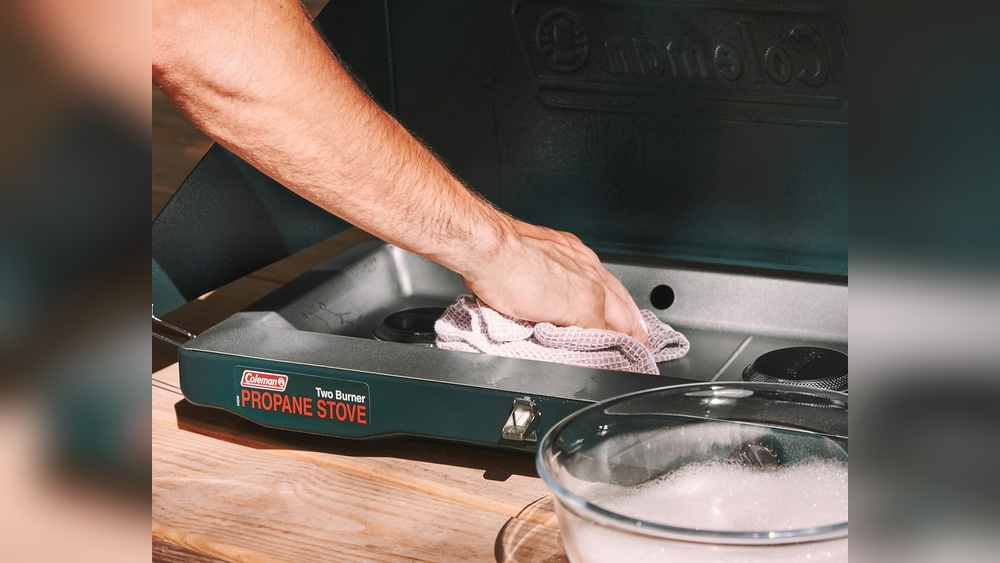
Using Dish Soap And Warm Water
Start by wiping the stove surface with a soft cloth soaked in warm water. Add a few drops of mild dish soap to break down dirt and grease. Gently scrub the surface to lift stuck-on food and stains. Rinse the cloth often and wipe again with clean water to remove soap residue.
Dry the surface with a clean towel to prevent water spots. This simple method works well for daily cleaning and light messes. It keeps your stove looking fresh and ready for your next adventure.
Tackling Grease Stains
Grease stains can be stubborn and need stronger care. Use a grease-cutting dish soap designed to dissolve oils. Apply it directly to the greasy area and let it sit for a few minutes. Then, scrub gently with a soft brush or sponge.
For tough grease, repeat the process or use a mixture of baking soda and water as a mild abrasive. Avoid harsh chemicals that may harm your stove’s surface. Rinse thoroughly and dry well to keep your stove clean and safe.
Scrub Burners And Grates
Cleaning the burners and grates of your camping stove is essential. Dirt and food particles can block the flame and reduce heat. Regular scrubbing keeps your stove working well and safe. Use the right tools to avoid damage and remove grime effectively.
Soft Brushes And Pads
Use soft brushes or sponges to clean burners and grates. They remove dirt without scratching the surface. A nylon brush or a soft sponge works best. Avoid steel wool or hard scrubbing pads. These tools can wear down the metal or remove coatings.
Soft brushes reach small burner holes and crevices. Gently scrub to clear clogs and buildup. After scrubbing, wipe with a damp cloth. This removes loosened dirt and keeps parts clean.
Avoiding Abrasive Tools
Abrasive tools can harm your camping stove parts. Steel brushes and rough scrubbers cause scratches and rust. These damages shorten the stove’s life. Avoid using sharp metal objects or harsh scouring pads.
Choose gentle cleaning tools instead. Soft cloths and brushes protect surfaces. They clean well without causing harm. Safe cleaning keeps burners and grates lasting longer and working better.
Handle Stubborn Build-up
Stubborn build-up on a camping stove can block burners and reduce heat output. Dirt, grease, and food residue often stick tightly after cooking. Removing these tough spots keeps the stove working well and safe to use.
Use simple, effective methods to break down grime. Patience and the right cleaning approach make a big difference. Avoid harsh scrubbing that can damage stove parts.
Soaking Techniques
Soaking stove parts softens stuck-on grime and grease. Fill a basin with warm water and mild dish soap. Submerge removable parts like grates and burner caps. Let them soak for 30 minutes to loosen dirt.
For very tough build-up, soak parts overnight. After soaking, scrub gently with a soft brush or sponge. Rinse with clean water and dry thoroughly before reassembling.
Using Natural Cleaners
Natural cleaners offer a gentle way to clean stubborn stains. Mix equal parts white vinegar and water in a spray bottle. Spray the mixture on dirty areas and let it sit for 10 minutes.
Baking soda also works well. Make a paste with baking soda and water. Apply the paste to greasy spots and scrub lightly. Both vinegar and baking soda break down grime without harsh chemicals.
Rinse all surfaces with water to remove cleaner residue. Dry parts completely to prevent rust and corrosion.

Credit: www.coleman.com
Rinse And Dry
Rinsing and drying your camping stove properly keeps it in great shape. Dirt, grease, and food bits can harm the stove if left on. Removing these after each use helps the stove last longer. This part of cleaning is simple but very important.
Proper Rinsing Methods
Use warm water to rinse the stove after cleaning. Avoid strong water pressure that might damage parts. A gentle flow removes soap and dirt easily. Use a soft cloth or sponge to help rinse hard spots. Check all corners and burners for leftover grime. Do not soak the stove for too long to protect metal parts. Rinse until water runs clear and no soap remains.
Drying Tips To Prevent Rust
Dry the stove fully after rinsing to stop rust. Use a clean towel or cloth to wipe all surfaces. Open any lids or covers to air dry inside parts. Leave the stove in a warm, dry place before storing. Avoid putting the stove away while wet. Moisture inside can cause rust and damage the stove. A well-dried stove stays safe and ready for the next trip.
Clean Inside The Stove
Cleaning the inside of your camping stove keeps it working well and safe. Dirt and food bits can block parts and reduce heat. Regular cleaning prevents rust and damage. It also helps avoid bad smells during cooking. Follow simple steps to clean inside the stove carefully. This will make your stove last longer on every trip.
Removing Interior Debris
First, remove loose debris inside the stove. Use a small brush or cloth to sweep out crumbs, ash, and dirt. Be gentle to avoid damaging parts. Check burner holes and vents for blockages. Clear them with a toothpick or soft brush. Removing debris helps fuel burn better and keeps flames steady. Clean the inside after every use for best results.
Using Compressed Air
Compressed air works well to blow out dust and hard-to-reach dirt. Hold the nozzle a few inches away from the stove interior. Spray short bursts of air into vents and burner openings. This clears out stubborn particles without touching delicate parts. Use compressed air in a well-ventilated area. Avoid spraying liquid or wet air. This method keeps the stove clean without risk of damage.
Maintain Stove Between Uses
Maintaining your camping stove between uses keeps it in good shape. Dirt, grease, and moisture can damage the stove over time. Regular care helps avoid big cleaning jobs later. It also extends the life of your stove and makes sure it works well each trip.
Regular Wiping
After each use, wipe the stove with a damp cloth. This removes food bits and grease before they harden. Use mild soap and warm water for better cleaning. Avoid harsh chemicals that can damage the stove’s surface. Dry the stove completely to stop rust or corrosion.
Safe Storage Practices
Store the stove in a dry place to avoid moisture damage. Keep it in its original case or a sturdy bag. Make sure all parts are dry before packing to prevent mold growth. Avoid storing near heavy items that can cause dents or scratches. Proper storage keeps your stove ready for the next adventure.
Troubleshooting Common Issues
Troubleshooting common issues with your camping stove helps keep it working well. Dirt, grease, and debris can cause problems. Knowing how to fix these issues saves time and frustration. Regular cleaning and simple fixes improve stove performance. This section covers two common problems: burner clogs and ignition failures.
Dealing With Burner Clogs
Burner clogs block the gas flow and reduce flame size. Remove the burner from the stove carefully. Use a small brush or toothpick to clear dirt and food particles. Avoid using sharp objects that may damage the burner. Soaking the burner in warm, soapy water helps loosen grime. Rinse it well and let it dry completely before reassembling. Check the burner holes for any remaining blockages. Clean burners burn fuel more efficiently and safely.
Fixing Ignition Problems
Ignition problems often happen when the spark is weak or missing. First, check the battery if your stove uses an electric igniter. Replace old batteries with fresh ones. Clean the igniter tip with a soft cloth to remove soot. Look for loose wires or damaged parts and tighten or replace them. If your stove uses a flint igniter, replace the flint when worn out. Try lighting the stove manually with a match or lighter as a backup. Proper ignition ensures quick and safe stove startup.

Credit: maidsbytrade.com
Frequently Asked Questions
How Do I Clean My Camping Stove?
Clean your camping stove by scrubbing burners and cooktop with warm, soapy water and a soft brush. Rinse and dry all parts thoroughly before storage. Avoid abrasive tools to prevent damage and remove grease buildup gently. Regular cleaning ensures optimal stove performance and longevity.
Can Mr. Clean Magic Eraser Be Used On A Stove?
Yes, Mr. Clean Magic Eraser can clean stove surfaces gently. Avoid using it on glossy or coated areas to prevent damage.
How To Clean A Greasy Coleman Stove?
Clean a greasy Coleman stove by scrubbing with warm, soapy water and a soft brush. Rinse well and dry thoroughly. For heavy grease, use a high-pressure hose carefully. Avoid abrasive tools to protect the stove’s surface. Regular cleaning prevents buildup and maintains performance.
Can I Use Dawn Dish Soap To Clean My Stovetop?
Yes, Dawn dish soap effectively cleans stovetops. Its gentle formula removes grease without damaging surfaces like glass or stainless steel. Use a soft cloth with warm water for best results.
Conclusion
Keeping your camping stove clean ensures it works well every trip. Use simple tools like brushes and mild soap for easy cleaning. Avoid harsh chemicals that can damage parts. Regular care stops grease build-up and keeps flames strong. Clean stoves also last longer and stay safe to use.
A little effort after each use saves time later. Enjoy cooking outdoors with a stove that runs smoothly every time.

I am an outdoor enthusiast and gear researcher passionate about camping, hiking, backpacking, and outdoor adventures. I enjoy testing gear, comparing products, and sharing practical advice to help readers make informed decisions. At BestOutsideGear, I create honest gear reviews, buying guides, and outdoor tips to help adventurers choose the right equipment with confidence.