Safety Tips for Camping Cookware Set for Safe Outdoor Cooking
When you’re out in the wild, your camping cookware set becomes one of your most valuable tools. But do you know how to use it safely?
A small mistake with your pots and pans can quickly turn a fun meal into a risky situation. Whether you’re a seasoned camper or just starting, understanding the right safety tips can protect you from burns, food poisoning, and equipment damage.
You’ll discover simple, effective ways to keep your cooking safe and stress-free, so you can focus on enjoying your time outdoors. Ready to cook smarter and safer on your next trip? Let’s dive in!
Choosing Safe Cookware
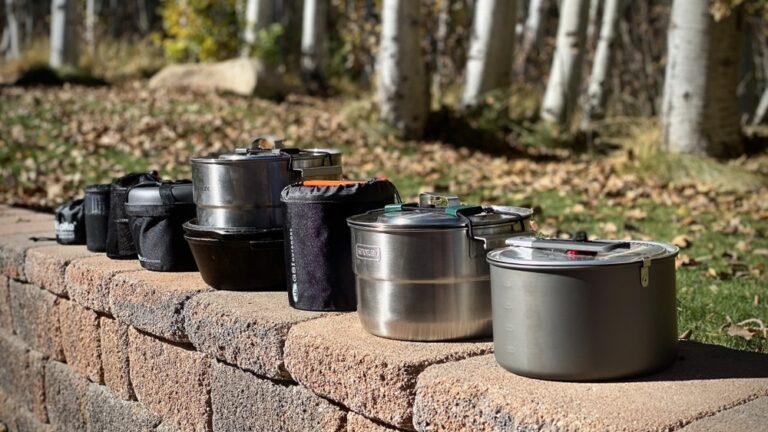
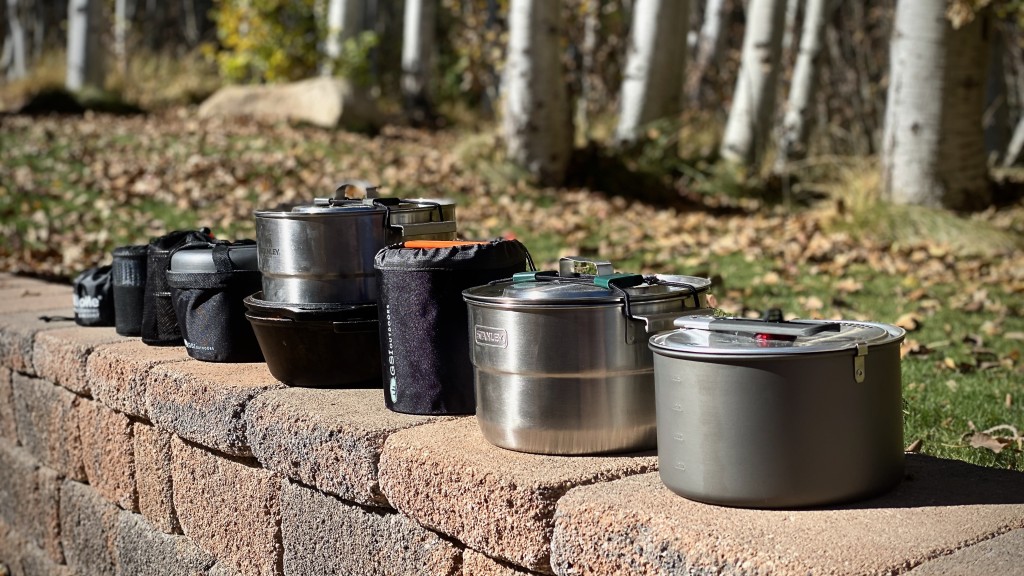
Choosing safe cookware is key for a worry-free camping experience. Your cookware must be safe for both your health and the environment. Selecting the right set can prevent accidents and ensure tasty meals outdoors. Pay close attention to materials and care instructions to make the best choice.
Materials To Avoid
Avoid cookware made from materials that can leach harmful chemicals. Aluminum pans without proper coating may release metals into food. Non-stick pans with old or scratched surfaces can emit toxic fumes when heated. Stay away from cheap plastics or coated metals that can melt or degrade with heat.
Durable And Non-toxic Options
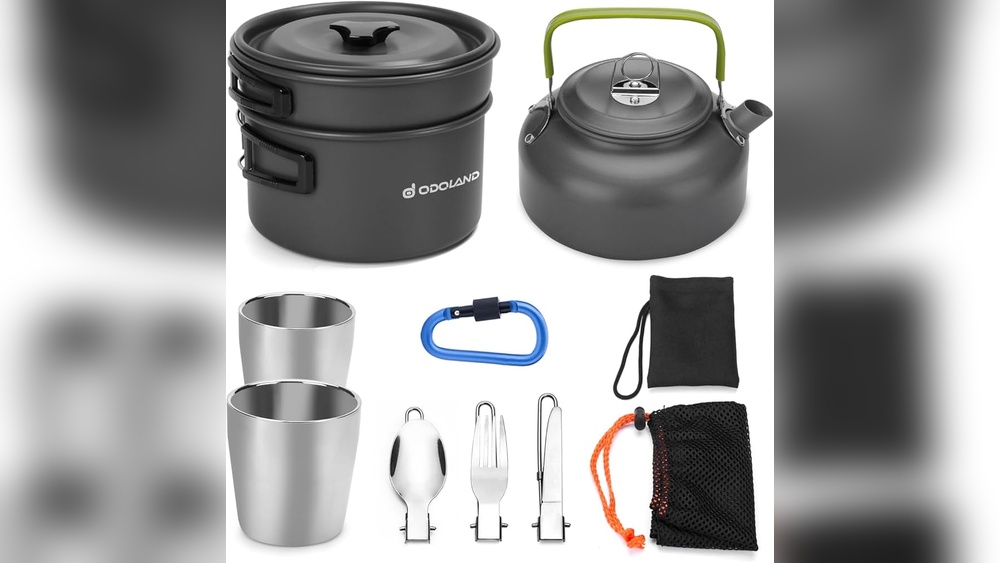
Stainless steel is a strong, safe choice for camping cookware. It does not react with food and cleans easily. Titanium is lightweight and very durable, perfect for backpacking trips. Ceramic-coated pans offer a non-toxic, non-stick surface without harmful chemicals. Choose cookware that lasts and keeps food safe.
Seasoning Cast Iron Pans
Seasoning cast iron creates a natural, non-stick surface. Apply a thin layer of oil and heat the pan to seal it. This process protects the pan from rust and improves cooking. Well-seasoned cast iron pans release food easily and add iron to meals. Keep them dry and re-season as needed for long use.

Credit: www.amazon.com
Packing And Transporting
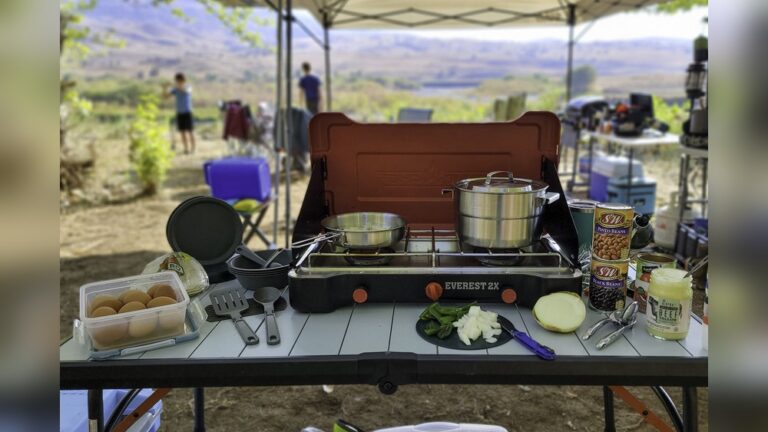
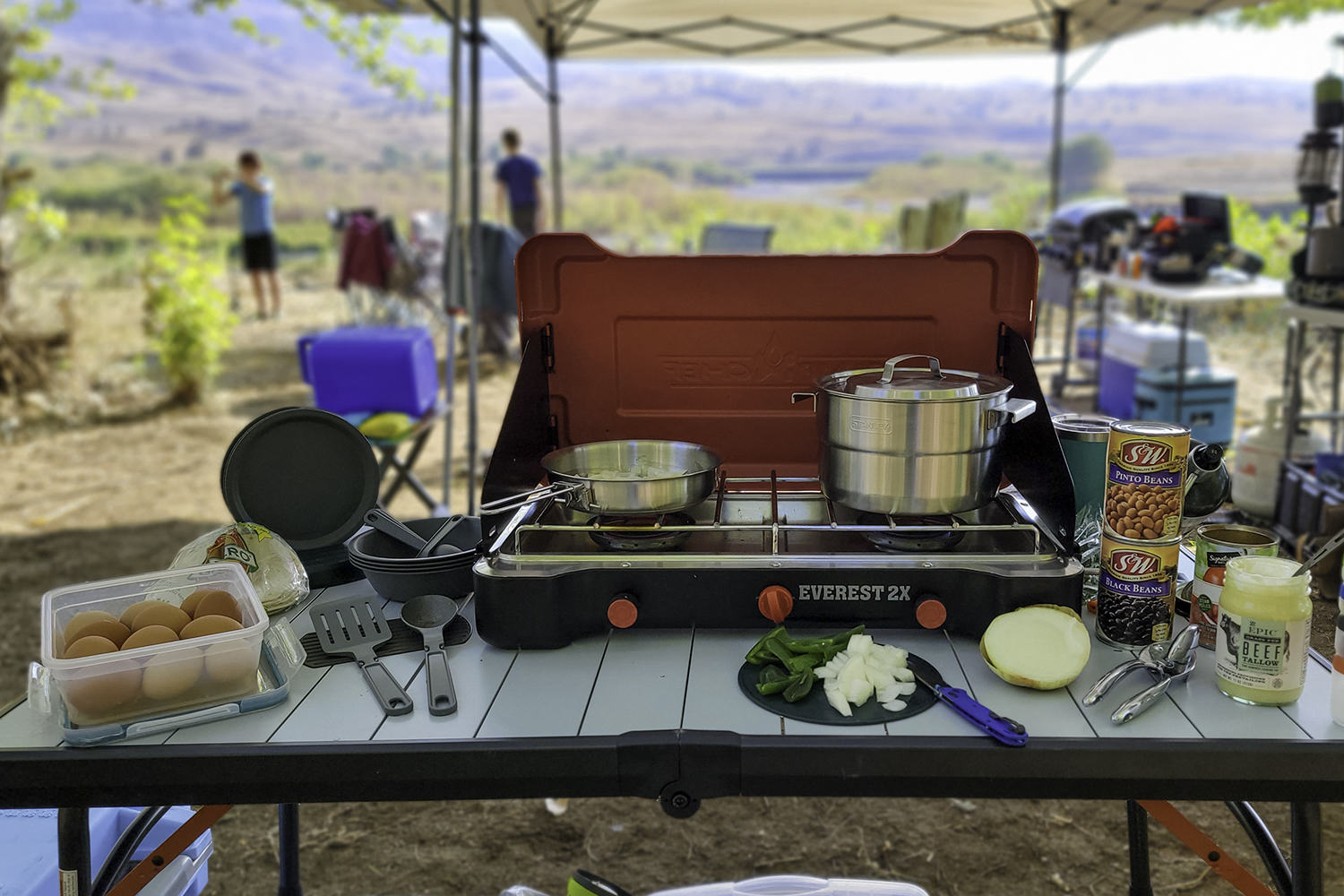
Setting up a camp kitchen is key for safe and enjoyable outdoor cooking. A well-organized kitchen helps prevent accidents and food issues. It also makes your camping meal times easier and more fun.
Focus on choosing the right spot, keeping cookware clean, and handling food safely. These steps protect you and your group from risks like burns and food poisoning.
Selecting A Safe Cooking Area
Pick a flat, open space away from dry grass and tents. This lowers fire risks and keeps smoke out of sleeping areas. Make sure the spot is sheltered from strong wind to avoid flames spreading. Clear the ground of leaves, sticks, and debris before setting up your stove or fire.
Keeping Cookware Clean
Clean your pots, pans, and utensils after every use. Dirt and leftover food can cause bacteria to grow. Use hot water and soap if available. Rinse well and dry completely to prevent rust and germs. Store cookware in a clean, dry place to keep it safe between meals.
Preventing Cross-contamination
Use separate cutting boards and utensils for raw and cooked foods. This stops harmful bacteria from spreading. Wash hands thoroughly before and after handling food. Keep raw meat away from vegetables and ready-to-eat items. Proper food handling helps avoid sickness on your trip.
Setting Up Camp Kitchen
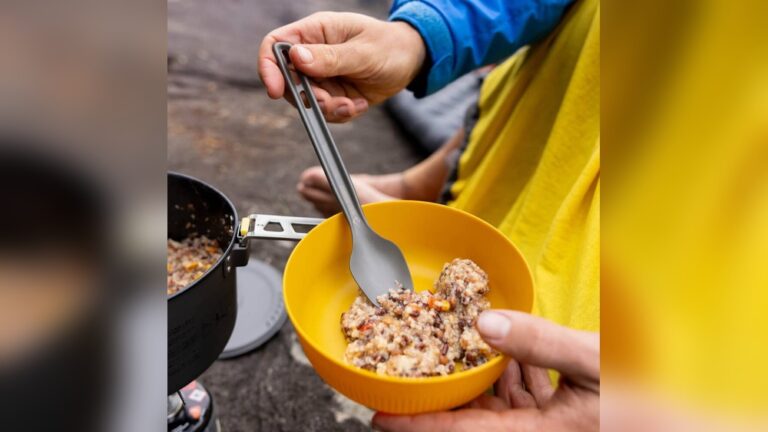
Safe cooking practices are key to enjoying your camping meals without risks. Proper handling and cooking keep food tasty and prevent illness. Follow simple steps to cook safely using your camping cookware set.
Using Food Thermometers
Food thermometers check if your food reaches the right temperature. Insert the thermometer into the thickest part of meat. This helps avoid undercooked meals that can cause sickness. Always clean the thermometer after use to stop bacteria spread.
Monitoring Cooking Temperatures
Keep an eye on the cooking heat to avoid burning or undercooking food. Use medium heat for most dishes to cook evenly. Adjust the flame as needed to maintain steady cooking temperatures. This helps food cook thoroughly and taste better.
Avoiding Unattended Cooking
Never leave your cooking food unattended. Flames or heat can cause fires if not watched. Stay near your cooking area to control the heat and prevent accidents. This keeps you and your campsite safe during meal preparation.
Credit: www.outdoorgearlab.com
Safe Cooking Practices
Maintaining good food hygiene is essential when using a camping cookware set. Cleanliness helps prevent foodborne illnesses and keeps your meals safe. Simple habits can make a big difference in your outdoor cooking experience.
Follow basic food hygiene tips to enjoy safe and healthy camping meals. These tips are easy to practice and important for every camper.
Hand Washing Essentials
Always wash your hands before handling food. Use soap and clean water if available. If not, use hand sanitizer with at least 60% alcohol. Clean hands stop germs from spreading to your cookware and food. Make it a habit to wash hands after touching raw meat, dirt, or animals.
Safe Food Storage
Store food in sealed containers to keep bugs and dirt away. Keep perishable items in a cooler with ice packs. Avoid leaving food out in the sun for long periods. Check your cooler often to ensure it stays cold. Proper storage helps prevent spoilage and food poisoning.
Using Separate Utensils
Use different utensils for raw and cooked foods. This prevents cross-contamination. Clean utensils after each use with hot, soapy water. If water is limited, use wipes or sanitizer for quick cleaning. Separate utensils keep your meals safe and tasty.
Fire And Heat Safety
Camping cookware sets often face wear and tear from outdoor use. Common problems include stains, rust, and small damages. Addressing these issues quickly keeps your gear safe and functional. Proper care also extends the life of your cookware. Here are simple ways to handle these common problems.
Removing Stubborn Stains
Stubborn stains can form from food and heat exposure. Use warm water and mild soap to clean after each use. For tough stains, soak the cookware in soapy water for 15-30 minutes. Scrub gently with a non-abrasive sponge to avoid scratches. Baking soda mixed with water creates a paste to lift stains. Apply the paste, let it sit for 10 minutes, then scrub and rinse well. Always dry cookware completely to prevent water marks.
Avoiding Rust And Corrosion
Rust appears when moisture stays on metal surfaces. Dry your cookware thoroughly after washing. Store it in a dry place away from rain and humidity. Apply a thin layer of cooking oil on cast iron to protect it from rust. Avoid leaving metal cookware wet or soaked for long periods. Use cookware with protective coatings and check them regularly for damage. Rust weakens cookware and can cause unsafe cooking conditions.
Repairing Minor Damages
Small dents or scratches can happen during camping trips. Use fine sandpaper to smooth minor scratches on metal cookware. For loose handles, tighten screws or replace them before your next trip. Check pots and pans for cracks; if found, avoid using them to prevent accidents. Temporary fixes like strong tape can help but do not rely on them long-term. Proper maintenance prevents damage from worsening.
Credit: www.cleverhiker.com
Frequently Asked Questions
What Safety Measures Prevent Burns While Using Camping Cookware?
Always use heat-resistant gloves and long-handled utensils. Keep cookware handles away from direct flames. Avoid overfilling pots to prevent hot spills. Set cookware on stable surfaces to reduce tipping risks during cooking.
How To Clean Camping Cookware Safely Outdoors?
Use biodegradable soap and warm water for cleaning. Avoid harsh chemicals that can harm the environment. Scrub cookware with a sponge or brush to remove residue. Rinse thoroughly and dry completely before storage.
Why Pre-season Cast Iron Cookware Before Camping?
Pre-seasoning cast iron prevents rust and creates a non-stick surface. It enhances cooking performance and extends cookware life. This step reduces food sticking and eases cleaning during camping trips.
How To Avoid Food Contamination With Camping Cookware?
Use separate utensils for raw and cooked foods. Wash hands thoroughly before handling food. Clean cookware and utensils promptly after use. Store food at safe temperatures to prevent bacterial growth.
Conclusion
Safe use of camping cookware protects you and your food. Always clean your pots and pans well after cooking. Use separate utensils for raw and cooked items. Keep flames controlled to avoid burns or fires. Store your cookware in a dry place to prevent damage.
Following these tips helps you enjoy cooking outdoors safely. Stay alert and careful for a fun camping meal experience. Safety makes every camp kitchen better and stress-free.

I am an outdoor enthusiast and gear researcher passionate about camping, hiking, backpacking, and outdoor adventures. I enjoy testing gear, comparing products, and sharing practical advice to help readers make informed decisions. At BestOutsideGear, I create honest gear reviews, buying guides, and outdoor tips to help adventurers choose the right equipment with confidence.