How to Use Portable Grill for Perfect BBQ Anywhere
Ready to take your outdoor cooking to the next level? Using a portable grill is easier than you think, and it opens up a world of delicious possibilities wherever you go.
Whether you’re tailgating in Austin, Texas, camping in the great outdoors, or just enjoying a sunny day in your backyard, a portable grill lets you cook tasty meals quickly and conveniently. In this guide, you’ll learn simple, step-by-step tips to set up, use, and maintain your portable grill safely and effectively.
By the time you finish reading, you’ll feel confident firing up your grill and impressing your friends and family with mouthwatering grilled dishes. Let’s get started and make your next cookout unforgettable!
Setting Up Your Grill
Setting up your portable grill is the first step to a great outdoor cooking experience. Proper setup ensures safety and efficient cooking. Take your time to prepare the grill correctly before lighting it. This way, you avoid accidents and get the best results from your grill.
Choosing The Right Location
Pick a flat, stable surface for your grill. Avoid placing it near flammable materials like dry leaves or wooden decks. Make sure the area is open and well-ventilated. Keep the grill away from walls and overhanging branches. This reduces fire risks and allows smoke to disperse safely.
Preparing The Grill Surface
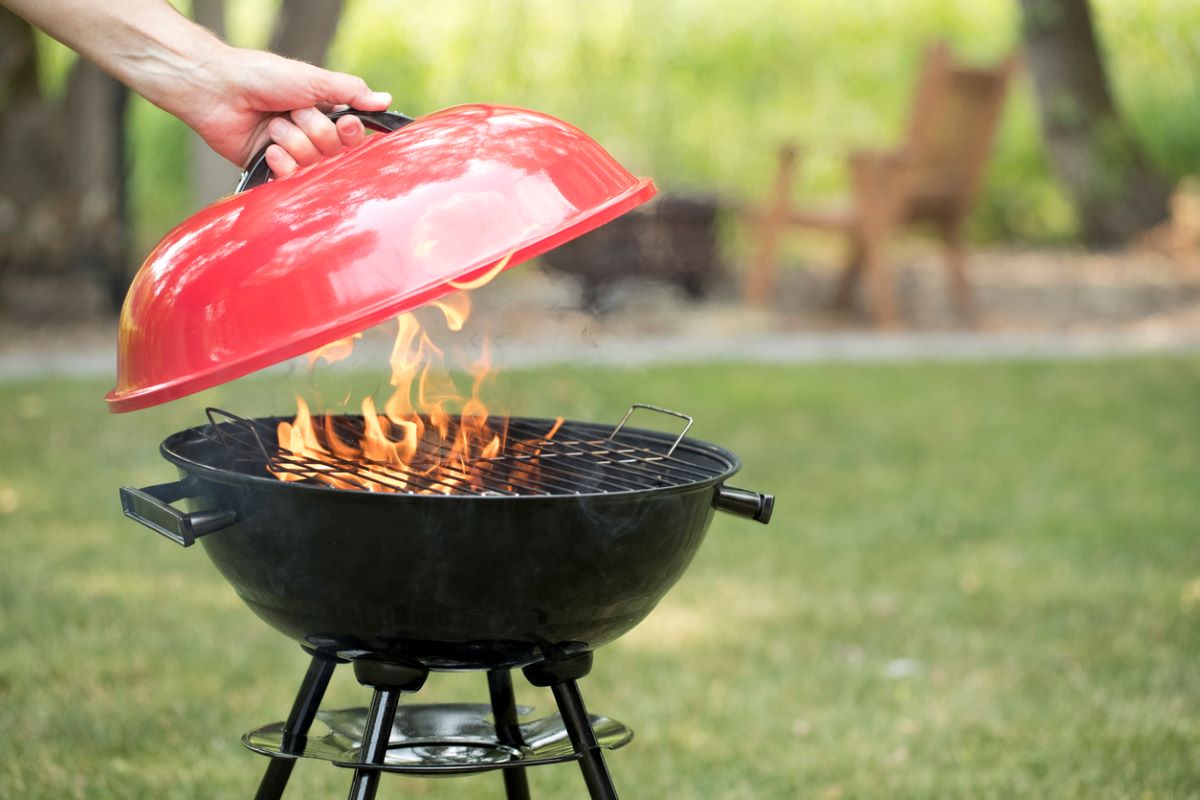
Clean the grill surface before use. Remove any leftover ash or grease from previous cooking sessions. Use a grill brush to scrub the grates. For charcoal grills, fill the charcoal tray evenly with briquettes. For gas grills, check the propane tank and connections to avoid leaks. Ensure vents are open for proper airflow.
Assembling Components
Follow the manufacturer’s instructions to assemble your grill parts. Attach the legs and handles securely. Insert the cooking grate and charcoal tray in their places. Check that the lid fits tightly on the grill body. Confirm that knobs and vents move freely. Proper assembly helps with safety and cooking control.

Credit: www.youtube.com
Fueling Your Grill
Fueling your portable grill correctly ensures better cooking results and safety. Different grills need different fuels and techniques. Knowing how to manage fuel helps maintain steady heat and saves resources. This section covers key tips for charcoal and gas grills.
Using Charcoal Efficiently
Start by choosing good quality charcoal briquettes. They burn longer and produce even heat. Light the charcoal in a chimney starter for faster ignition without chemicals. Spread the hot coals evenly once they turn grayish-white. Avoid piling charcoal too high; it causes uneven cooking. Adjust air vents to control airflow and heat level. Close vents to lower heat, open them to raise it. Add small amounts of charcoal during cooking to keep heat steady.
Operating A Portable Gas Grill
Check the propane tank before use; it should have enough gas. Connect the tank securely and open the valve slowly. Turn on the grill burner and ignite with the built-in igniter or a lighter. Let the grill preheat for 10 to 15 minutes with the lid closed. Adjust burner knobs to control the flame size and cooking temperature. After cooking, close the burner and turn off the gas tank valve. Always inspect hoses and connections for leaks before each use.
Managing Fuel For Consistent Heat
Keep fuel levels steady during cooking to avoid temperature drops. For charcoal, add small amounts of briquettes at intervals. For gas grills, monitor the propane gauge and replace tanks as needed. Avoid opening the lid too often; it causes heat loss. Use a grill thermometer to check and maintain the right temperature. Proper fuel management helps cook food evenly and saves fuel in the long run.
Lighting And Heating
Grilling techniques make all the difference when using a portable grill. They control how food cooks and how it tastes. Knowing the right methods helps you get juicy, flavorful results every time. These techniques also protect your grill and make cooking easier.
Direct Vs Indirect Heat Cooking
Direct heat means cooking food right over the flames or coals. It works well for small or thin items like burgers, steaks, and vegetables. This method cooks food quickly and creates a nice char.
Indirect heat means placing food away from the heat source. The heat circulates around the food like an oven. Use this for larger or tougher cuts like whole chicken or ribs. It cooks food slowly and keeps it tender.
Switching between direct and indirect heat helps control cooking speed and doneness. You can start with direct heat for searing and move to indirect heat to finish cooking.
Grilling Different Types Of Food
Meat, fish, vegetables, and fruit all need different grilling times and temperatures. Thin meats cook fast over high heat. Thick cuts require lower heat and more time. Fish is delicate and needs gentle heat to avoid breaking apart.
Vegetables grill well over direct heat but watch carefully to prevent burning. Fruits like pineapple or peaches caramelize nicely on the grill.
Use a meat thermometer to check doneness. This ensures food is safe and cooked just right.
Using Grill Accessories
Grill accessories make cooking easier and safer. Tongs and spatulas help flip food without piercing it. Grill brushes keep grates clean and prevent sticking.
Use foil trays for small or delicate items. Skewers are great for kebabs and even cooking. A grill basket holds chopped vegetables or seafood securely.
Thermometers help monitor food temperature for perfect results. Wind guards and heat deflectors improve heat control on portable grills.

Credit: magmaproducts.com
Grilling Techniques
Keeping your portable grill clean and well-maintained ensures better performance and longer life. Dirt and grease build-up can cause flare-ups and affect the taste of your food. Regular cleaning prevents rust and other damages. Follow simple steps after each use to keep your grill in top shape.
Brushing Grates And Removing Residue
Use a grill brush to clean the grates while they are still warm. This removes stuck-on food and grease easily. Scrape both sides of the grates for a thorough clean. For tough residue, soak the grates in warm soapy water, then scrub with a sponge. Rinse well and dry before using again.
Cooling Down After Use
Allow the grill to cool completely before handling or cleaning. This prevents burns and damage to parts. Leave the lid open to speed up cooling. For charcoal grills, wait until all coals turn to ash. For gas grills, ensure the burners are off and cool to touch.
Storing Your Portable Grill
Store your grill in a dry place to avoid rust and wear. Cover it with a grill cover or cloth to protect from dust and moisture. Keep all accessories, like brushes and tools, nearby for easy access. Check the grill regularly for signs of damage or dirt build-up.
Cleaning And Maintenance
Advanced techniques enhance your portable grill experience beyond basic grilling. Explore ways to add rich flavors and new cooking methods. These tips help you get the most from your grill’s features and design.
Smoking And Slow Cooking
Smoking adds deep, smoky flavors to meats and vegetables. Use wood chips wrapped in foil with holes poked for smoke release. Place the foil packet near the heat source but not directly on it.
Maintain low heat by adjusting vents or burners. Cook food slowly for several hours. This method works well for ribs, brisket, and pulled pork. Use a meat thermometer to ensure proper doneness.
Baking On A Portable Grill
Your grill can bake items like bread, pizza, and casseroles. Create indirect heat by placing coals or burners on one side only. Put your baking dish on the cooler side.
Close the lid to trap heat and cook evenly. Check food often as grill temperatures vary. Use cast iron or heat-safe cookware for best results.
Using Fans And Heat Controls
Many portable grills have built-in fans or adjustable vents. These controls help regulate airflow and temperature precisely. Increasing airflow boosts heat, while reducing airflow lowers it.
Use fans to keep charcoal burning evenly. Adjust heat controls to create zones for different cooking types. This allows grilling, smoking, and warming at the same time.
Credit: www.bobvila.com
Safety Practices
Troubles with a portable grill can disrupt your cooking fun. Knowing how to fix common problems saves time and frustration. The following tips help you handle typical issues. Keep your grill working well and your food tasty.
Temperature Fluctuations
Temperature changes often happen from wind or poor vent control. Keep vents stable to maintain steady heat. Avoid opening the lid too often, which lets heat escape. Use a grill thermometer to watch the heat closely. Adjust fuel or vents little by little for smooth temperature control.
Fuel Burn Problems
Fuel may burn too fast or unevenly. Check if charcoal is dry and fresh for longer burn time. For gas grills, ensure the propane tank is full and valves are fully open. Clean fuel lines and burners to prevent blockages. Spread charcoal evenly for consistent heat across the grill.
Grill Ignition Challenges
Igniting the grill can be tricky if parts are dirty or faulty. Clean burner ports and ignition system regularly. Replace batteries in electric igniters as needed. Use matches or a lighter carefully as a backup method. Make sure gas flows freely before trying to light the grill.
Advanced Tips
Portable grills offer a simple way to enjoy delicious meals outdoors. They cook food quickly and add a smoky flavor. You can prepare many types of dishes using a portable grill. Here are some tasty recipes to try on your next grilling adventure.
Quick Grilled Snacks
Grilled snacks are perfect for a fast bite. Try grilling small sausages or hot dogs. They cook fast and taste great with mustard or ketchup. Another idea is grilled vegetable skewers. Use peppers, onions, and cherry tomatoes for color and flavor. Wrap cheese in foil and warm it on the grill for a melty treat. These snacks are easy to make and great for sharing.
Hearty Bbq Favorites
Hearty BBQ dishes satisfy your hunger after a day outside. Classic burgers and chicken breasts work well on portable grills. Season with salt, pepper, and your favorite spices. Ribs or pork chops also grill nicely and offer rich taste. Brush with BBQ sauce toward the end of cooking for a sticky glaze. Serve with grilled corn or baked potatoes for a filling meal.
Creative Grilling Ideas
Try new recipes to make grilling fun and exciting. Grilled fruit like pineapple or peaches caramelize and become sweet desserts. Make grilled sandwiches by pressing bread and cheese on the hot grate. You can also cook pizza using a pizza stone on your grill. Experiment with herbs and marinades to add unique flavors. These ideas keep your grill meals fresh and interesting.
Frequently Asked Questions
How Do You Use A Portable Grill?
Place the portable grill on a stable, flat surface outdoors. Ignite charcoal or gas, adjust vents for heat control, preheat grates, then cook food evenly. Always monitor temperature and never use indoors for safety. Let the grill cool before cleaning or storing.
Can I Smoke A Brisket On A Gas Grill?
Yes, you can smoke brisket on a gas grill using indirect heat and wood chips for flavor. Maintain low temperature around 225°F for several hours. Use a water pan to keep meat moist and monitor internal temperature for tenderness.
What Foods Taste Best On Charcoal?
Steaks, burgers, and ribs develop rich flavors on charcoal. Vegetables, pizza, and seafood also taste smoky and delicious. Charcoal enhances meats and grilled favorites with a unique, smoky aroma.
Can You Grill A Casserole?
Yes, you can grill a casserole by using indirect heat on a gas or charcoal grill. Use a covered grill to bake evenly.
Conclusion
Using a portable grill makes outdoor cooking simple and fun. Always place it on a flat, safe surface before lighting. Control the heat by adjusting the vents or knobs carefully. Clean the grill grates before and after cooking for best results.
Remember to let the grill cool completely before storing it away. Following these steps ensures a safe and enjoyable grilling experience. Now you can enjoy delicious meals anywhere with your portable grill!

I am an outdoor enthusiast and gear researcher passionate about camping, hiking, backpacking, and outdoor adventures. I enjoy testing gear, comparing products, and sharing practical advice to help readers make informed decisions. At BestOutsideGear, I create honest gear reviews, buying guides, and outdoor tips to help adventurers choose the right equipment with confidence.