Best Ways to Clean Camping Utensils Quickly & Effectively
When you’re out camping, keeping your utensils clean isn’t just about hygiene—it’s about enjoying every meal without worry. But without a full kitchen, cleaning camping utensils can feel tricky and time-consuming.
What if you could easily remove stuck-on food, avoid leftover odors, and keep your gear sparkling with minimal effort? You’ll discover the best ways to clean your camping utensils quickly and effectively, using simple tools and smart techniques. Stick around, and you’ll never dread washing dishes on your outdoor adventures again!

Credit: www.oxo.com
Choosing The Right Cleaning Supplies
Choosing the right cleaning supplies makes cleaning camping utensils easier and more effective. The right tools help remove food residue quickly. They also protect the environment during outdoor adventures. Proper supplies save water and reduce waste. This section covers key items to pack for cleaning dishes while camping.
Biodegradable Soaps
Biodegradable soaps break down naturally in the environment. They keep lakes and rivers safe from pollution. Use only small amounts to avoid harming plants and animals. These soaps clean grease and grime well. Choose gentle formulas that work on all utensils. Carry a small bottle to save space in your pack.
Essential Brushes And Scrubbers
A good brush or scrubber removes stuck-on food easily. Look for ones with stiff bristles that reach corners. Brushes with handles keep your hands clean and dry. Scrubbers made from natural materials are eco-friendly. Pack a small brush that fits with your utensils. This helps keep everything hygienic on the trail.
Quick-dry Towels
Quick-dry towels dry dishes fast and prevent bacteria growth. They weigh little and take up minimal space. Choose towels made from microfiber or similar fabrics. These towels absorb water well and dry within minutes. They keep your camping gear ready to use again quickly. Always have one towel reserved for drying utensils only.
Pre-cleaning Techniques
Pre-cleaning camping utensils saves time and effort during the main cleaning process. It removes large food bits and prevents utensils from smelling bad. Simple techniques help maintain hygiene outdoors. They also protect natural water sources from pollution. These steps prepare utensils for easier washing later.
Scraping Off Food Residue
Start by scraping leftover food from your utensils. Use a stick, rock, or your fingers. Remove as much food as possible before washing. This prevents clogging and makes cleaning faster. Keep scraps away from water sources to avoid contamination.
Using Sand Or Dirt For Scrubbing
Sand and dirt act as natural scrubbing agents. Rub utensils with clean sand or dirt to remove stuck-on grime. This works well without soap or water. Use only clean sand from safe spots. Avoid using muddy or wet dirt to prevent bacteria growth.
Avoiding Contamination Of Water Sources
Never clean utensils directly in rivers or lakes. Soap and food waste can harm aquatic life. Carry water from a distance for washing. Dispose of dirty water at least 200 feet away from water bodies. This keeps the environment clean and safe for everyone.
Effective Washing Methods
Keeping camping utensils clean is essential for safe and enjoyable outdoor meals. Effective washing methods remove dirt, food particles, and germs. Proper cleaning helps prevent illness and keeps utensils ready for the next use. Simple techniques work well even with limited water and supplies.
Hot Water Soaking
Soaking utensils in hot water loosens stuck-on food. Use water as hot as you can safely handle. Let utensils soak for 10 to 15 minutes. This softens grime and makes scrubbing easier. Hot water also helps kill some bacteria without chemicals.
Minimal Soap Usage
Use small amounts of biodegradable soap to clean utensils. A little soap goes a long way outdoors. Too much soap can harm the environment. Scrub utensils well with a sponge or cloth. Rinse thoroughly with clean water to remove soap residue.
Boiling Utensils For Disinfection
Boiling utensils kills germs and bacteria effectively. Place clean utensils in boiling water for 5 to 10 minutes. This method works well for metal and heat-resistant items. Boiling is a natural way to disinfect without chemicals. Always handle hot utensils carefully to avoid burns.
Cleaning Without Water Sources Nearby
Cleaning camping utensils without water nearby can be a challenge. Dirt, grease, and food residue build up quickly. Keeping utensils clean helps prevent illness and keeps your gear in good shape. Several simple methods help maintain cleanliness even in dry places.
Packing Out Food Scraps
Start by scraping all food scraps into a bag. Use a small spatula or a piece of cardboard if needed. Seal the bag tightly to avoid smells and pests. This method keeps your utensils free from sticky bits and stops wildlife from being attracted.
Always pack out food waste in a secure container or bag. Leaving scraps behind can harm the environment. Carrying out trash keeps the campsite clean and safe for others.
Using Wet Wipes And Hand Sanitizers
Wet wipes are handy for wiping utensils clean without water. Choose biodegradable wipes made for outdoor use. Wipe each utensil thoroughly to remove grease and dirt. Follow up by rubbing hand sanitizer on the utensils. This helps kill germs and dries quickly.
Keep a small pack of wipes and a travel-sized sanitizer in your kit. They are light and easy to carry. Use these tools especially after cooking greasy meals or handling raw meat.
Portable Cleaning Kits
A portable cleaning kit makes utensil care simple without water. These kits usually include a small brush, biodegradable soap, and a scrubber. Use a little soap on the brush to clean your utensils. Wipe off soap with a dry cloth or paper towel.
Some kits come with a collapsible basin for water storage. Fill it with a small amount of water for washing and rinsing. These kits are compact and ideal for campers who carry limited gear.
Drying And Storing Camping Utensils
Drying and storing camping utensils is essential to keep them clean and ready for your next adventure. Proper drying stops moisture that causes rust or mold. Storing utensils safely protects them from dirt and bugs. Both steps help keep your gear in good shape and safe to use.
Air Drying Tips
Let utensils dry naturally in open air. Spread them out on a clean surface or hang them. Avoid stacking wet items to prevent trapped moisture. Air drying saves time and reduces bacteria growth. Choose a sunny spot if possible, as sunlight helps dry and sanitize.
Using Absorbent Towels
Use a clean, absorbent towel to dry utensils fast. Pat dry instead of rubbing hard to avoid scratches. Microfiber towels work best because they soak up water quickly. Keep a dedicated towel for camping utensils only. This method is handy when weather prevents air drying.
Safe Storage To Prevent Contamination
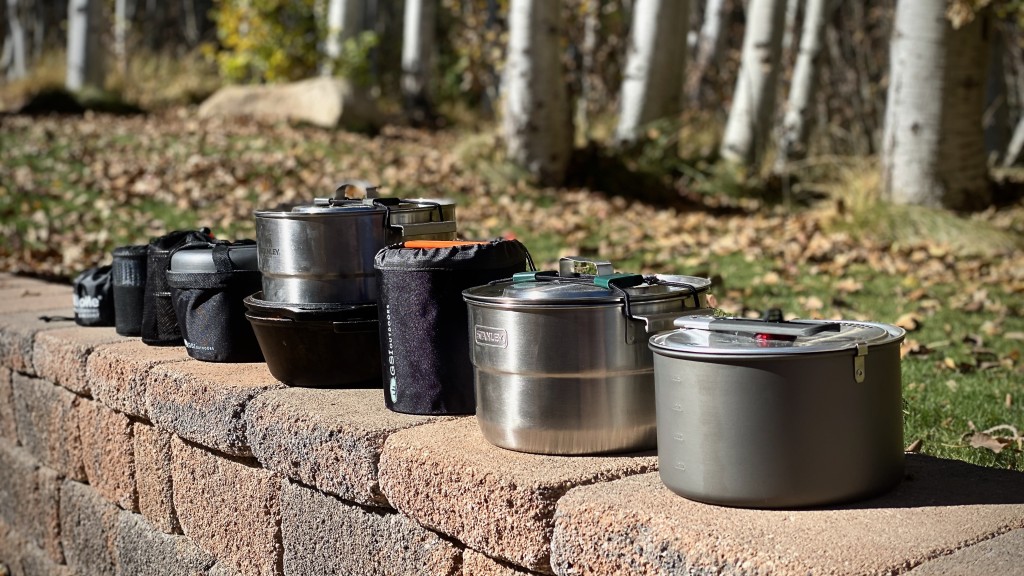
Store dry utensils in a sealed container or bag. Use clean, breathable bags to stop moisture buildup. Avoid leaving utensils exposed to dirt or insects. Keep storage areas clean and dry. Proper storage ensures utensils stay hygienic until your next meal.
Credit: www.outdoorgearlab.com
Maintaining Utensils For Longevity
Maintaining camping utensils properly extends their life and keeps them safe to use. Clean utensils perform better and avoid rust or damage. Caring for your gear means you spend less on replacements and enjoy your trips more. Simple steps ensure your utensils stay strong and hygienic for many adventures.
Regular Deep Cleaning
Deep cleaning removes stuck food and bacteria from your utensils. Soak them in warm soapy water after each trip. Use a soft brush to scrub all surfaces carefully. Rinse thoroughly to remove soap residue. Dry completely before storage to prevent rust and mold growth.
Avoiding Harsh Chemicals
Harsh chemicals can damage the surface of your utensils. Avoid bleach or strong detergents. Choose mild, biodegradable soap instead. These soaps clean well without harming metal or plastic parts. Keeping chemicals gentle helps your utensils last longer and stay safe for food.
Proper Handling And Transport
Handle utensils gently to prevent bending or breaking. Use a dedicated case or pouch for storage. Keep sharp items separate to avoid scratches. Pack utensils in a dry place away from heavy gear. Proper transport stops damage and keeps everything ready for your next camp.
Quick Hacks For Stubborn Stains
Stubborn stains on camping utensils can be tough to remove. Dirt, food residue, and burnt marks often cling to your pots and pans. These quick hacks help clean your gear without harsh chemicals or heavy scrubbing. Use simple items found in nature or your camping kit to restore shine and cleanliness fast.
Using Natural Abrasives
Natural abrasives like sand or salt work well for scrubbing. Sprinkle coarse salt on the stained area. Rub gently with a damp cloth or sponge. The salt’s rough texture helps lift grime without scratching metal surfaces. For tougher spots, mix salt with a little water to create a paste. This paste cleans effectively and is safe for most utensils.
Boiling With Baking Soda
Baking soda is a powerful cleaner that removes burnt stains easily. Fill your pot with water and add two tablespoons of baking soda. Bring the water to a boil and let it simmer for 15 minutes. The heat and baking soda loosen stuck-on food and stains. After boiling, scrub lightly with a sponge. Rinse well to see the shine return.
Repurposing Campfire Ash
Campfire ash contains mild abrasives that help scrub off stains. Mix ash with a small amount of water to form a paste. Apply this paste to the stained utensil surface. Rub gently to scrub away residue. Ash acts as a natural cleaner without chemicals. Rinse thoroughly to remove ash and dirt, leaving utensils fresh and ready for use.

Credit: www.cancooker.com
Frequently Asked Questions
What Is The 200 Rule For Camping?
The 200 rule for camping means keeping at least 200 feet away from water sources to protect the environment. This prevents pollution and preserves natural habitats.
What Are The 7 C’s Of Camping?
The 7 C’s of camping are: Campfire, Cookware, Clothing, Compass, Cover, Container, and Cleanliness. They ensure safety and comfort outdoors.
How Do Backpackers Wash Their Dishes?
Backpackers scrape food scraps, use minimal biodegradable soap, and wash dishes with filtered or boiled water away from natural sources. They pack out waste to protect the environment.
What Is The Most Forgotten Item When Camping?
The most forgotten camping items are extra batteries, insect repellent, first aid kits, and reusable water bottles. These essentials ensure safety and comfort outdoors.
Conclusion
Cleaning camping utensils keeps your gear safe and ready for use. Always remove food scraps before washing. Use minimal biodegradable soap to protect nature. Hot water helps kill germs effectively. Dry utensils completely to avoid rust or mold. Clean tools not only last longer but also taste better.
Remember, simple steps make outdoor cleaning easy and quick. Keep these tips in mind for your next camping trip. Enjoy fresh, clean utensils every time you cook outdoors.

I am an outdoor enthusiast and gear researcher passionate about camping, hiking, backpacking, and outdoor adventures. I enjoy testing gear, comparing products, and sharing practical advice to help readers make informed decisions. At BestOutsideGear, I create honest gear reviews, buying guides, and outdoor tips to help adventurers choose the right equipment with confidence.