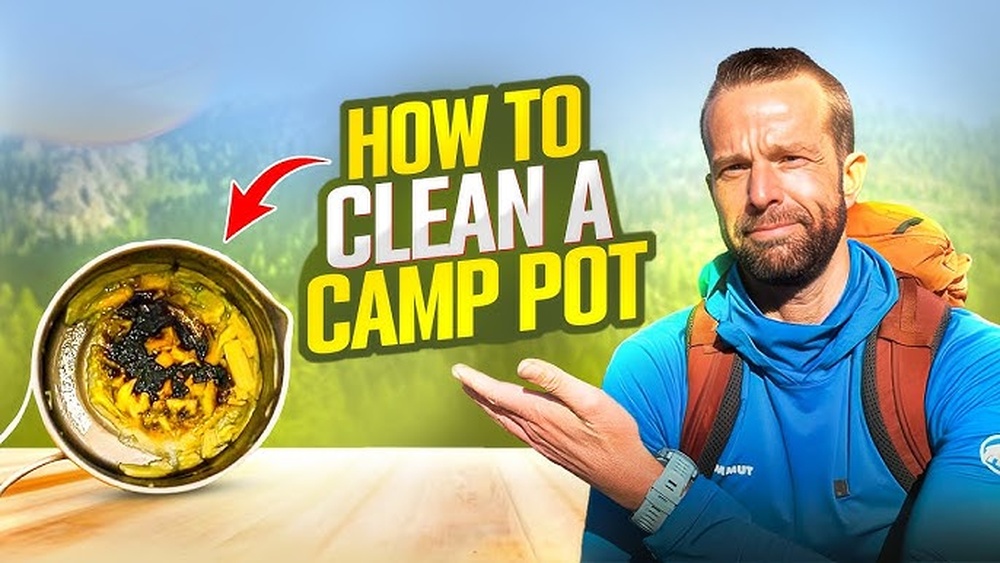
Best Ways to Clean Camping Pots Quickly and Effectively
You love camping for the fresh air, the crackling campfire, and the simple joy of cooking outdoors. But when it comes to cleaning your camping pots, do you find yourself dreading the chore?
Stuck with burnt food, stubborn soot, and sticky residues, cleaning can quickly turn from relaxing to frustrating. What if you could make this task easier, faster, and even satisfying? In this guide, you’ll discover the best ways to clean your camping pots using simple tricks and common items you probably already have.
Get ready to keep your gear spotless, so you can focus more on enjoying your adventure and less on scrubbing when you get back. Keep reading to unlock these game-changing cleaning hacks!

Credit: blog.scoutingmagazine.org
Camp Pot Cleaning Basics
Keeping your camping pots clean is essential for safe and enjoyable outdoor cooking. Dirt, burnt food, and grease build-up can affect taste and even damage your cookware. Learning the basic steps helps maintain your pots and extends their life. Clean pots also prevent bacteria and bad odors.
Simple habits and the right tools make cleaning easier. This section covers the key basics to keep your camp pots spotless and ready for your next adventure.
Choosing The Right Cleaning Supplies
Use lightweight and compact supplies to save space in your backpack. A small sponge or scrubber works well for most pots. Avoid metal scrubbers on non-stick or anodized surfaces to prevent scratches. Mild biodegradable soap is best. It cleans well without harming the environment. Baking soda is a great natural cleaner. It removes stains and burnt food gently. Carry a small bottle of vinegar or lemon juice for tough grime. These natural acids help break down residue and deodorize pots.
When To Clean Your Pots
Clean pots as soon as possible after cooking. Food dries and hardens quickly, making it harder to remove later. If you cannot wash pots immediately, soak them in water to loosen stuck food. Avoid leaving pots dirty for long periods. It can cause stains and bad smells. After cleaning, dry pots thoroughly to prevent rust or mold. Regular cleaning after every use keeps your cookware in good condition and ready for the next meal.
Quick Cleaning Techniques
Keeping your camping pots clean is vital for hygiene and taste. Quick cleaning techniques save time and effort. They help prevent food from sticking and stains from setting. These simple methods keep your cookware ready for the next meal. Practice these easy steps right after cooking.
Rinsing Immediately After Use
Rinse your pot with water right after cooking. This removes leftover food and stops residue from hardening. Use warm water if available, as it loosens grease faster. A quick rinse avoids tough scrubbing later. Carry a small sponge or cloth for better cleaning. This habit keeps your pots fresh on every trip.
Using Boiling Water For Easy Cleanup
Fill your pot with boiling water to loosen stuck food. Let it sit for a few minutes. The heat softens grime, making it easier to wipe away. Boiling water also kills bacteria from cooking. After soaking, scrub gently with a sponge. This method works well for burnt or dried-on food. It saves time and effort in cleaning.
Removing Burnt Residue
Burnt residue on camping pots can be tough to remove. It often sticks tightly after cooking over a campfire. Removing this burnt layer is key to keeping your pots clean and ready for the next meal. Using simple household items and natural methods can help restore your pots without harsh chemicals.
Baking Soda And Vinegar Method
Sprinkle baking soda over the burnt areas of the pot. Add a small amount of vinegar to create fizzing bubbles. Let the mixture sit for 10 to 15 minutes. The bubbles help to loosen burnt food and stains. After resting, scrub the pot gently with a sponge or brush. Rinse with warm water to remove residue. Repeat if needed for stubborn spots.
Scrubbing With Natural Abrasives
Use natural abrasives like salt or sand for scrubbing burnt pots. Pour a layer of coarse salt inside the pot. Add a little water to make a paste. Rub the paste over burnt spots using a cloth or sponge. The salt’s texture helps scrub off stuck residue without scratching the pot. Rinse thoroughly after scrubbing. This method is safe and eco-friendly for camping cookware.
Dealing With Black Soot And Carbon
Black soot and carbon build-up on camping pots is a common issue. These stubborn residues come from open flames and campfires. They can make your pots look dirty and affect cooking performance. Removing black soot helps keep your gear clean and ready. It also extends the life of your camping cookware. Simple methods work best to tackle these tough stains.
Soaking And Scraping Tips
Start by soaking your pots in warm water. Add a little biodegradable soap for better results. Let the pot sit for at least 30 minutes. This softens the soot and carbon deposits. Use a plastic or wooden scraper to avoid scratching. Gently scrape off the loosened residue. Repeat soaking if the soot does not come off easily. Avoid harsh scrubbing pads that can damage the pot’s surface.
Using Fire And Heat Safely
Heat can help loosen black soot on pots. Hold the pot near a low flame, like a campfire edge. The heat will burn off some soot naturally. Avoid placing the pot directly in flames for too long. Overheating can warp or damage the cookware. After heating, let the pot cool down. Then wipe it with a damp cloth or sponge. This method works well with heavy soot layers but use caution.
Eco-friendly Cleaning Options
Cleaning camping pots without harming nature helps keep the outdoors beautiful. Eco-friendly cleaning choices protect water, soil, and wildlife. These options use safe products and smart methods. They also save water, a key resource on camping trips.
Biodegradable Soaps
Biodegradable soaps break down naturally in the environment. They do not leave harmful chemicals in water or soil. Using these soaps keeps streams and lakes clean. They work well to remove grease and food residue from pots. Choose soaps labeled “biodegradable” or “environmentally safe.” Use just a small amount to reduce impact. Rinse pots away from natural water sources to protect fish and plants.
Minimal Water Usage Strategies
Saving water during cleaning is important at campsites. Use a small basin or container to wash pots instead of running water. Scrape leftover food into trash before washing to reduce soap and water needed. Wash pots quickly and rinse with minimal water. Collect rinse water and use it to water plants or for cleaning other gear. These steps lower water waste and keep your campsite clean and green.
Credit: www.cleverhiker.com
Organizing And Storing Clean Pots
Keeping camping pots clean is only part of the job. Proper organizing and storing extends their life and keeps them ready for your next adventure. Storing pots correctly prevents damage and keeps them free from dirt and bugs. It also helps save space in your camping gear.
Drying Techniques To Prevent Rust
Dry your pots completely before storing to stop rust. Use a clean towel to wipe off water. Let pots air dry in a sunny spot or near a warm area. Avoid packing pots while still damp. Moisture trapped inside can cause rust or mold. For cast iron pots, apply a thin layer of oil after drying. This creates a protective barrier against rust.
Packing Pots For Your Next Trip
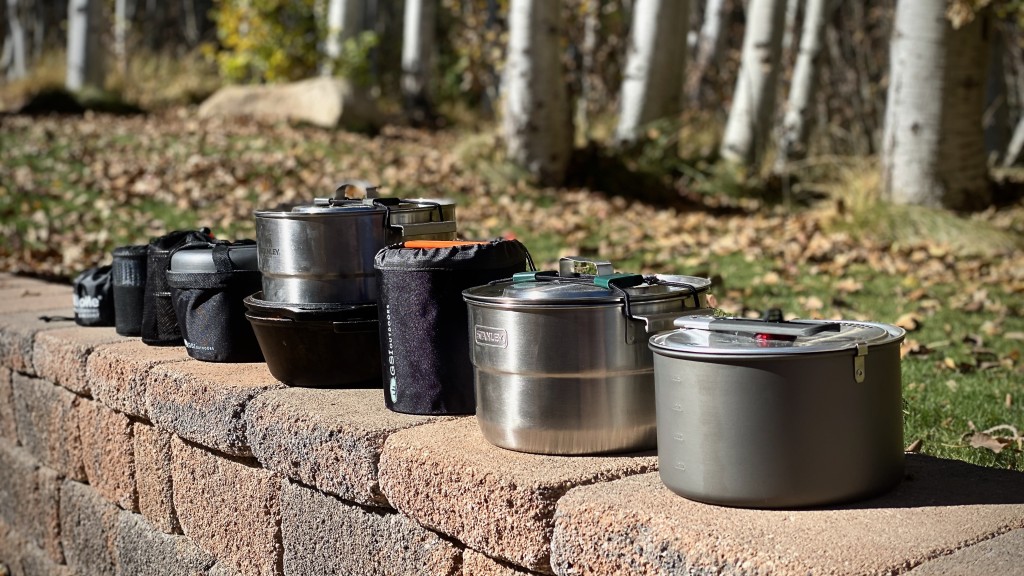
Stack pots by size to save space. Place soft cloth or paper towels between them to avoid scratches. Keep lids separate or inside the largest pot to prevent damage. Use a sturdy bag or container to hold all pots together. Label the bag for easy access. Store pots in a dry and cool place until your next trip. This keeps them in good shape and ready to use.
Setting Up A Camp Dishwashing Station
Setting up a camp dishwashing station makes cleaning camping pots easy and efficient. A good setup helps keep your cooking gear ready for the next meal. It also protects the environment and keeps your campsite tidy.
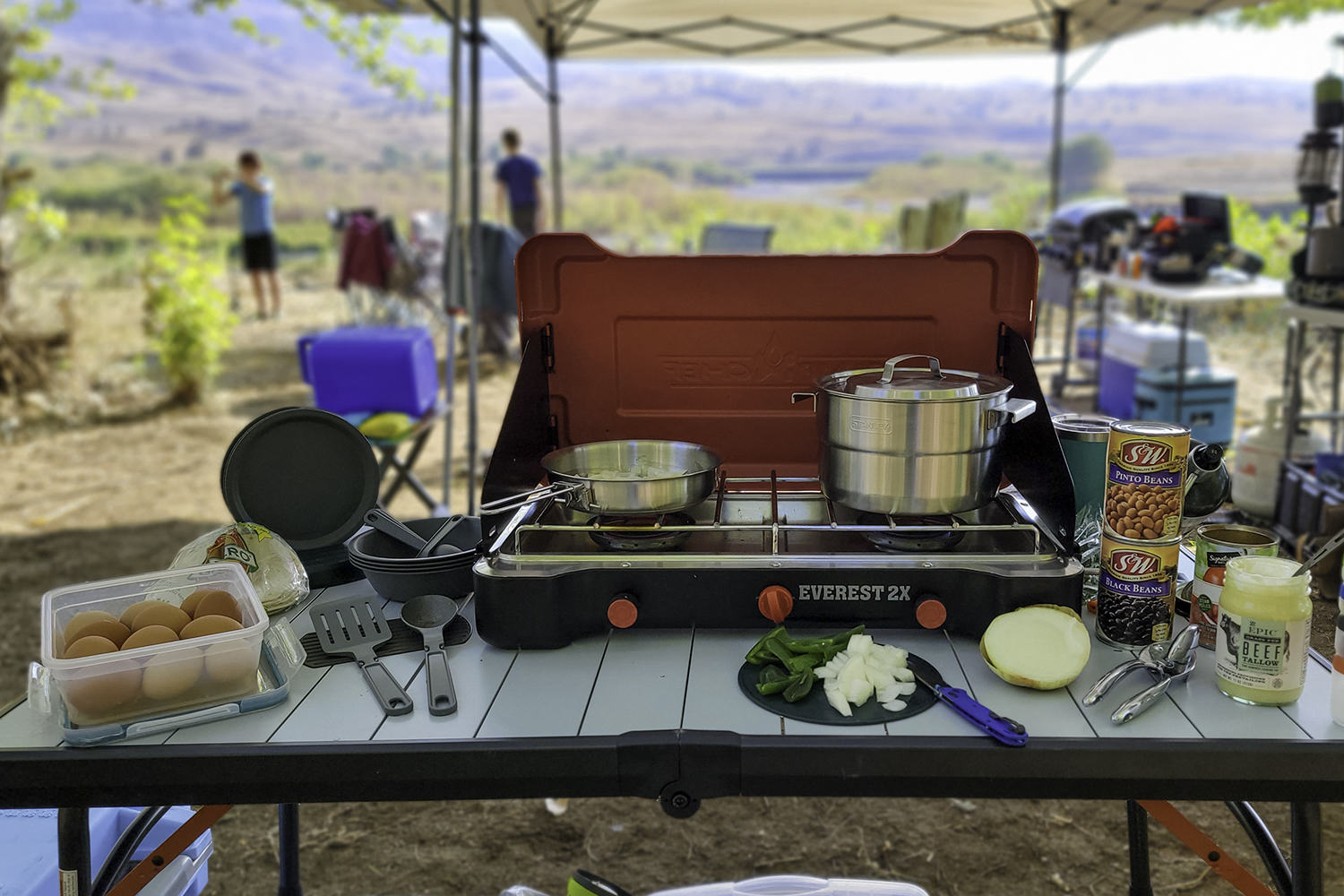
Choose a flat area near your cooking spot but away from water sources. This helps prevent contamination. Use a folding table or a sturdy surface to organize your cleaning supplies. Arrange everything so you can wash, rinse, and dry pots quickly.
Essential Tools To Bring
Bring a collapsible basin or large container for washing. It saves water and keeps dirt contained. Pack biodegradable soap to clean pots without harming nature. A scrub brush or sponge with a handle works best for tough food residue. Don’t forget a drying rack or clean towel to dry pots after washing. Gloves protect your hands from hot water and soap.
Maintaining Hygiene Outdoors
Use separate basins for washing and rinsing to avoid cross-contamination. Always use clean water for rinsing to remove soap fully. Dispose of dirty water at least 200 feet from lakes or streams. This protects wildlife and water quality. Clean your dishwashing tools regularly to prevent germs. Keep food scraps out of the washing area to avoid attracting animals.
Credit: www.outdoorgearlab.com
Frequently Asked Questions
How To Wash Camping Cookware?
Rinse camping cookware with warm water after use. Scrub gently using biodegradable soap and a soft brush. Avoid harsh abrasives. Dry thoroughly before packing. Remove burnt residue with baking soda paste and rinse well. Store cookware clean to prevent odors and damage.
How Do I Get The Brown Off The Bottom Of My Pans?
Scrub the pan bottom with a paste of baking soda and water. Let it sit 15 minutes, then scrub with a non-abrasive sponge. Rinse well and dry. For tough stains, add vinegar to the paste for extra fizzing power. Repeat if needed.
How Do I Get The Black Stuff Off My Pots And Pans?
Scrub pots with baking soda and water paste to remove black residue. Boil vinegar and water in the pot, then scrub again. Use a non-abrasive sponge to avoid damage. Rinse thoroughly and dry to prevent future stains. Repeat if needed for stubborn spots.
Does Baking Soda Really Clean Burnt Pots?
Baking soda effectively cleans burnt pots by gently scrubbing and loosening residue with its mild abrasive and alkaline properties. Mixing it with vinegar creates fizzing that helps remove tough burnt food. Use baking soda for a natural, easy, and safe cleaning solution on burnt cookware.
Conclusion
Cleaning camping pots does not have to be hard or time-consuming. Using simple ingredients like baking soda and vinegar makes the job easier. Warm water and a soft brush help remove stuck food quickly. Always rinse well to avoid leftover soap taste.
Dry your pots completely to prevent rust. With these easy steps, your camping pots stay clean and ready. Enjoy cooking outdoors without worry about mess. Keep your gear in good shape for many trips ahead. Simple care makes camping more fun and stress-free.

I am an outdoor enthusiast and gear researcher passionate about camping, hiking, backpacking, and outdoor adventures. I enjoy testing gear, comparing products, and sharing practical advice to help readers make informed decisions. At BestOutsideGear, I create honest gear reviews, buying guides, and outdoor tips to help adventurers choose the right equipment with confidence.