How to Make Griddle S’mores for a Perfect Gooey Treat
You can make griddle s’mores by placing graham crackers directly on a warm cooking surface and melting chocolate and marshmallows on top for 2 to 3 minutes over medium-low heat. This method works well on any flat-top surface, providing a toasted, gooey result that mimics a traditional campfire treat without needing an open flame.
How to make griddle s mores
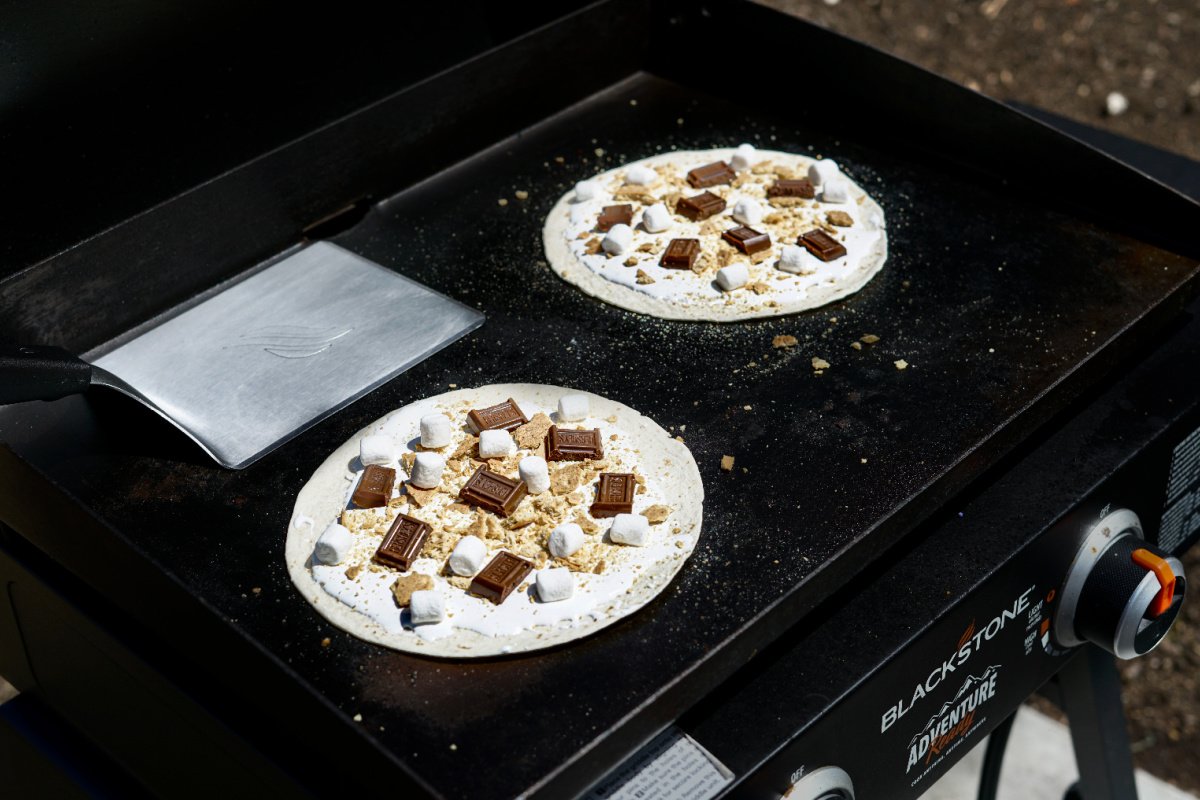
Making these at home is simple when you control the heat, as the sugar in marshmallows burns quickly if the surface is too hot. You’ll need standard ingredients: graham crackers, milk chocolate bars, and large marshmallows.
Preheat your surface to a medium-low setting, roughly 300°F, to ensure the chocolate melts before the marshmallow burns. If your surface lacks a temperature gauge, use the water drop test; if a bead of water sizzles and evaporates instantly, the heat is too high.
Arrange the crackers in pairs on the surface, placing a square of chocolate on one side of each pair. Add the marshmallows directly onto the chocolate if you prefer a molten, integrated center. Place them on the empty cracker half if you want the marshmallow to remain distinct and structurally sound.
Heat for 2 minutes until the marshmallow begins to puff and turn golden brown on the bottom. If the marshmallow exterior turns black, the heat is too high; lower the temperature for the next batch.
Press the halves together firmly to combine the ingredients, then remove them from the heat immediately to prevent the crackers from becoming too soft. Keep a metal spatula handy to carefully flip or move the crackers if you notice the edges browning faster than the center is melting. This ensures an even, consistent texture across the entire sandwich.
Recommended Heat and Timing Settings
Different cooking surfaces hold heat differently, so you should adjust your timing based on the material of your pan or griddle. If you’re using a thin aluminum pan, the heat will transfer much faster than on a thick cast-iron surface.
| Surface Type | Recommended Heat | Melting Time |
|---|---|---|
| Cast Iron | Low | 3 to 4 minutes |
| Electric Griddle | 300°F | 2 to 3 minutes |
| Non-stick Pan | Medium-Low | 2 minutes |
Cast iron retains heat long after you turn the dial, so remove your ingredients thirty seconds early to prevent scorching. Conversely, thin aluminum pans lose heat instantly when you add cold items. If your pan feels lightweight, increase the heat by one notch to compensate for the rapid temperature drop.
A common mistake is preheating on high to save time. This creates hot spots that burn the edges before the center melts. If the butter browns or smokes before it fully liquefies, your surface is too hot. Always aim for a slow, steady shimmer across the entire bottom of the pan. If the edges bubble aggressively while the middle remains solid, pull the pan off the burner for ten seconds to stabilize the heat.
Common Mistakes That Ruin the Texture
The most frequent error is setting the heat too high, which leads to a burnt exterior while the inside of the marshmallow remains cold and firm. A gentle, steady heat ensures the center liquefies before the sugar on the outside begins to carbonize.
Crowding the surface is another mistake that ruins the process. Leave at least two inches between each s’more to ensure you have enough room to maneuver your spatula. If you can’t flip the crackers easily, you’ll likely tear the base or drop the marshmallow onto the cooking surface.
If your chocolate remains solid, place the squares directly on the warm cracker for thirty seconds before adding the marshmallow. This pre-heating step prevents the chocolate from acting as a heat sink that stops the marshmallow from melting. Avoid using a lid unless you’re struggling to soften the center. Trapped steam softens the graham crackers, costing you that essential structural snap.
Is It Safe to Do This Yourself?
It’s perfectly safe to prepare these snacks on any standard stovetop griddle or pan as long as you monitor the equipment. Because marshmallows are high in sugar, they can ignite if they contact a direct flame or stay on an extremely hot surface for too long.
Always keep the heat at a medium-low setting. If you see the edges begin to turn dark brown or black within ten seconds, your surface is too hot and you risk a flare-up. Never leave the cooking area while the marshmallows are heating.
Beginners often make the mistake of using a high-heat setting to speed up the melting process. This costs you the texture of the snack, as the sugar crystallizes and burns before the center softens. If you’re using a gas stove, use a heavy-bottomed cast iron pan to diffuse the heat. If you use an electric coil, keep the pan centered.
Frequently Asked Questions
Can I use a different type of chocolate for better results?
Yes, you can substitute milk chocolate with dark chocolate or even peanut butter cups. Dark chocolate has a higher melting point, so it may need an extra minute on the heat compared to standard milk chocolate bars.
Why are my graham crackers falling apart?
They become brittle if they sit on the heat for too long or if they absorb too much moisture from the melting marshmallow. Keep the crackers on the edge of the griddle and only move them to the center when you’re ready to assemble the final sandwich.
Can I prepare these ahead of time?
These are best served immediately after assembly because the heat from the marshmallow softens the crackers over time. Waiting too long turns the crisp texture chewy, which ruins the traditional experience of the dessert.
Conclusion
Once you’ve assembled your treats, grab a few napkins and share them while they’re still warm. You shouldn’t wait too long, as the chocolate sets quickly once removed from the heat. Don’t be afraid to experiment with different candy bars or a sprinkle of sea salt to make your next batch even better.
{“@context”:”https://schema.org”,”@type”:”FAQPage”,”mainEntity”:[{“@type”:”Question”,”name”:”Can I use a different type of chocolate for better results?”,”acceptedAnswer”:{“@type”:”Answer”,”text”:”Yes, you can substitute milk chocolate with dark chocolate or even peanut butter cups. Dark chocolate has a higher melting point, so it may need an extra minute on the heat compared to standard milk chocolate bars.”}},{“@type”:”Question”,”name”:”Why are my graham crackers falling apart?”,”acceptedAnswer”:{“@type”:”Answer”,”text”:”They become brittle if they sit on the heat for too long or if they absorb too much moisture from the melting marshmallow. Keep the crackers on the edge of the griddle and only move them to the center when you’re ready to assemble the final sandwich.”}},{“@type”:”Question”,”name”:”Can I prepare these ahead of time?”,”acceptedAnswer”:{“@type”:”Answer”,”text”:”These are best served immediately after assembly because the heat from the marshmallow softens the crackers over time. Waiting too long turns the crisp texture chewy, which ruins the traditional experience of the dessert.”}}]}
I am an outdoor enthusiast and gear researcher passionate about camping, hiking, backpacking, and outdoor adventures. I enjoy testing gear, comparing products, and sharing practical advice to help readers make informed decisions. At BestOutsideGear, I create honest gear reviews, buying guides, and outdoor tips to help adventurers choose the right equipment with confidence.