What Is a Portable Griddle: Uses and Cooking Benefits Explained
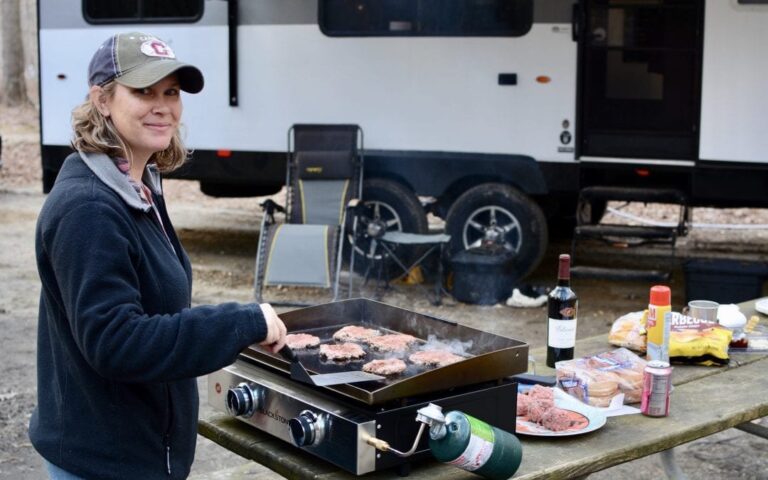
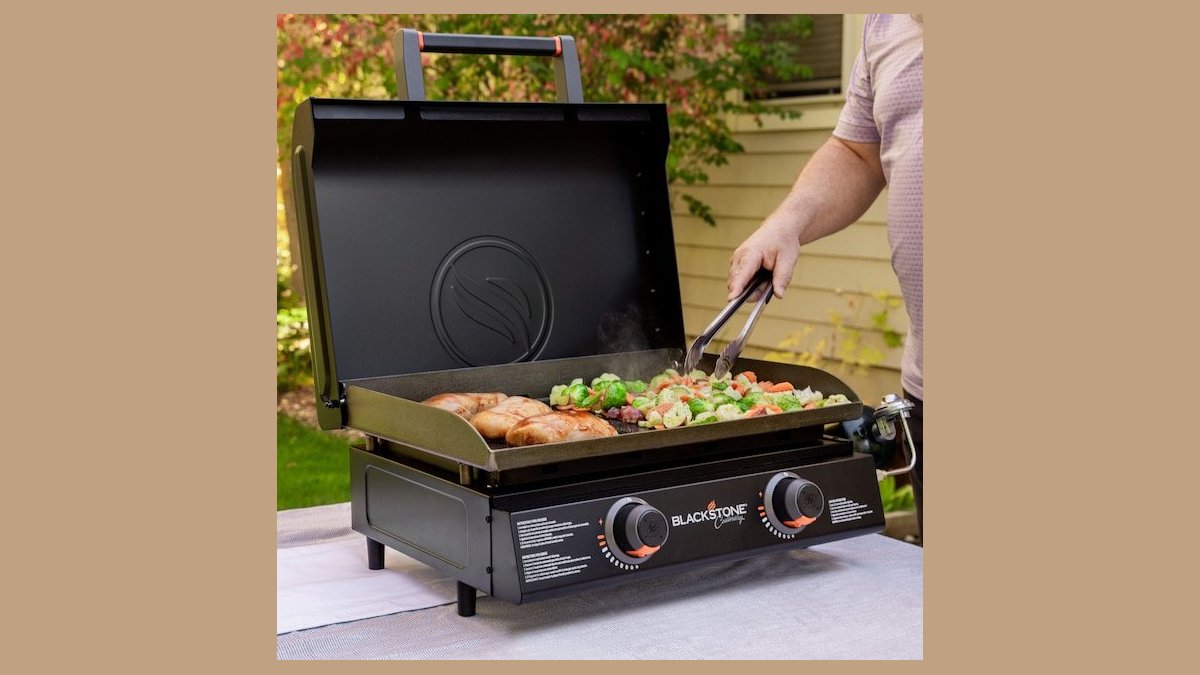
A portable griddle is a flat-top cooking appliance designed for countertop or outdoor use that provides an even, heated surface for frying, searing, or sautéing food. You’ll find these units in electric plug-in versions for indoor kitchens or gas-powered models for tailgating and camping, offering a versatile alternative to traditional stovetop pans or standard barbecue grills.
How a portable griddle works and its benefits

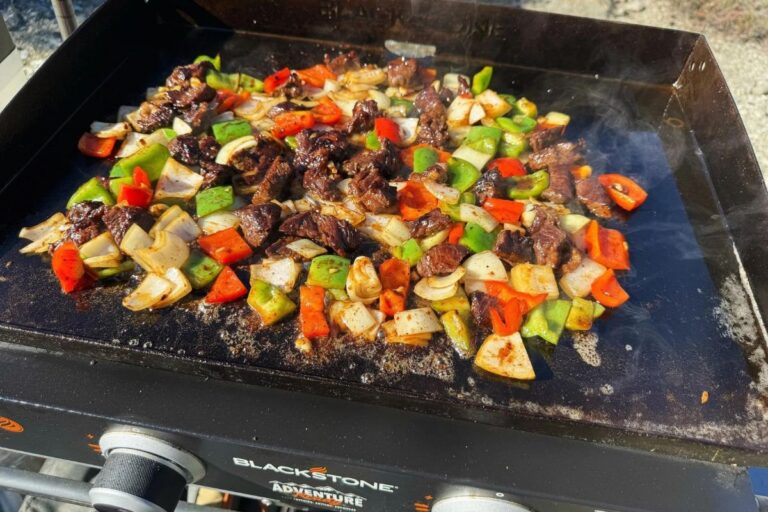
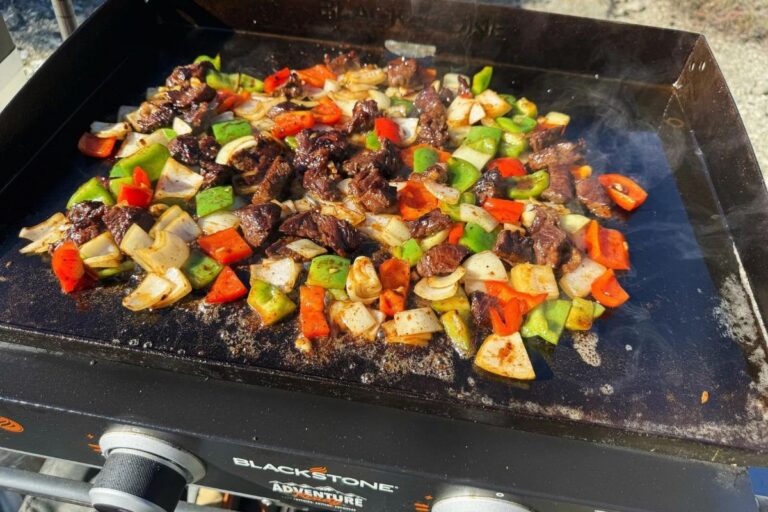
Most of these appliances use a thick metal plate, usually aluminum or stainless steel, to distribute heat across a wide surface area. Electric models feature an internal heating element located directly underneath the plate, while gas models rely on burners that sit beneath the cooking surface. Because the plate is flat, you can cook multiple items at once, such as eggs, pancakes, or sliced vegetables, without them crowding together as they would in a curved frying pan.
If your plate is aluminum, expect faster heat-up times but less heat retention; if it’s stainless steel, wait at least ten minutes for the surface to reach an even temperature across the entire span. A common mistake is cranking the heat to the maximum setting before adding oil. This causes the metal to warp or creates hot spots that burn food unevenly.
Many modern designs include a removable grease tray that catches oil and food scraps. This makes cleanup faster and prevents smoke from building up during high-heat cooking. You can usually control the temperature through a dial on the front. Use lower settings for delicate proteins like fish, and reserve the highest heat only for searing thick steaks or crusting vegetables.
Important Features to Compare
When choosing between models, look at the material of the cooking plate and the power source. The following table highlights the primary differences you’ll encounter when shopping for a unit that fits your lifestyle.
| Feature | Electric Griddle | Gas Griddle |
|---|---|---|
| Power Source | Standard wall outlet | Propane or natural gas |
| Ideal Location | Indoor kitchen counter | Outdoor patio or campsite |
| Heat Control | Precise digital or dial | Flame-based manual dial |
| Mobility | High (requires power) | High (requires gas tank) |
Choose a cast iron plate if you prioritize heat retention for searing steaks, but opt for stainless steel if you prefer a surface that resists rust and cleans up in seconds. If you prioritize recovery time between batches, gas units are superior because they generate heat instantly without waiting for an element to cycle.
If you plan to use your unit indoors, always ensure it’s rated for such use by the Consumer Product Safety Commission to avoid the risks associated with improper ventilation. Gas units produce carbon monoxide and must never be operated inside a home, garage, or enclosed tent.
Many users mistakenly assume a high-powered ventilation hood makes indoor gas use safe. It does not. If your space lacks a dedicated gas line and professional-grade exhaust, stick to electric models to avoid dangerous air quality degradation.
Mistakes That Ruin Your Cooking
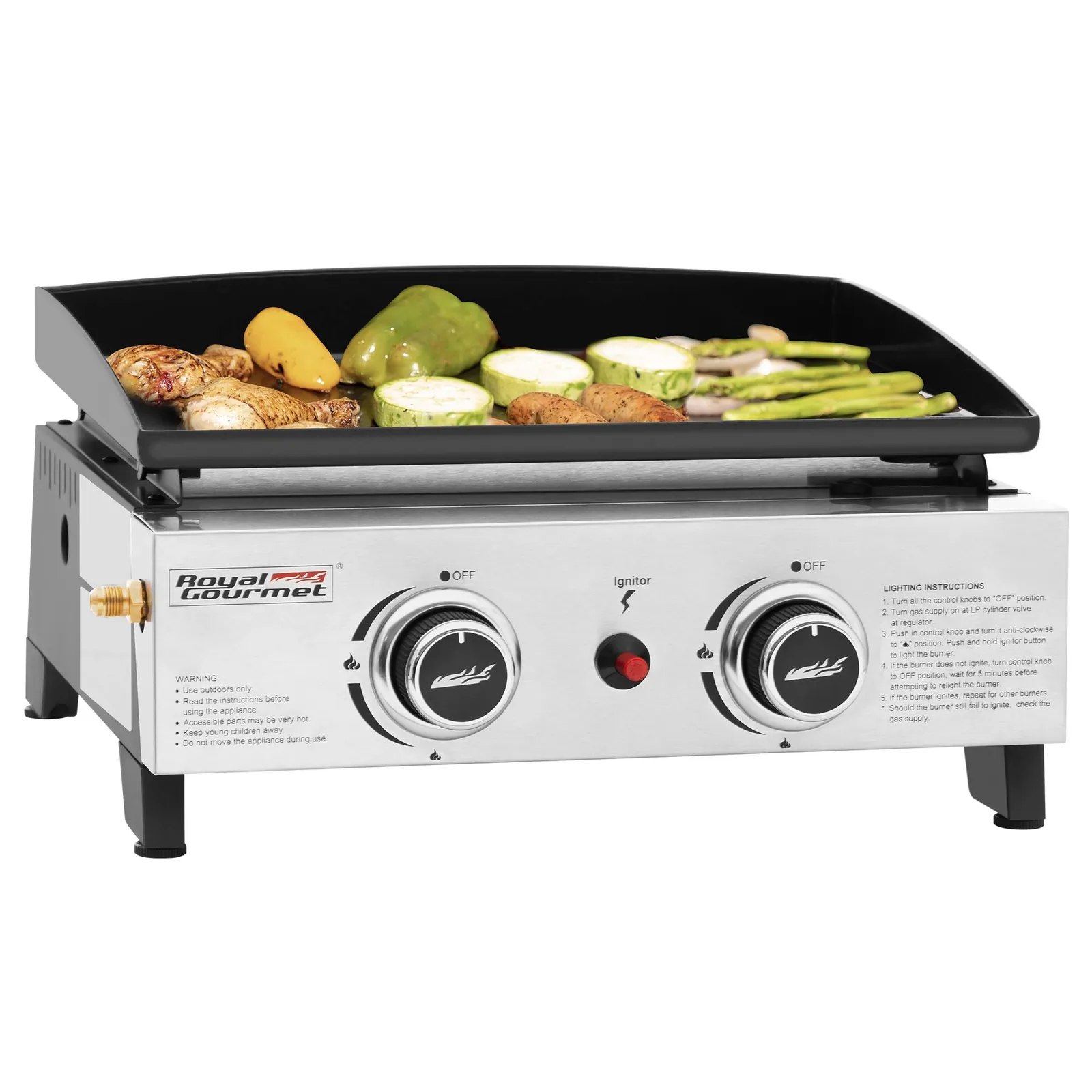
One common error is failing to preheat the surface fully. If you add food before the metal reaches the right temperature, ingredients often stick to the plate and cook unevenly. Always wait for the indicator light to turn off or for the manufacturer-recommended preheat time to elapse before you start.
Another mistake involves using metal utensils on non-stick surfaces. While metal tools are durable, they create microscopic fissures in the coating, which eventually causes food to bond to the plate. Use silicone or wooden spatulas instead to keep the finish intact.
Avoid using harsh scouring pads or abrasive cleaners when washing the plate. These materials strip away the protective layer, making the surface difficult to manage during future sessions. If you’re unsure if a sponge is too rough, test it on the underside of the pan first. If it leaves a dull mark, don’t touch the cooking surface with it.
If food starts sticking, wipe the surface with a very light coating of high-smoke-point oil, such as avocado or grapeseed oil, while the plate is slightly warm.
Related guides
- Best Camping Pots Safety Tips for Safe Outdoor Cooking
- How to Use Camping Utensils: Essential Tips for Outdoor Cooking
- Benefits of Camping Pans | Essential Tips for Outdoor Cooking
Frequently Asked Questions
Can I use a metal spatula on a coated griddle?
It isn’t recommended to use metal tools on non-stick surfaces because they create deep scratches. These scratches ruin the coating and cause food to stick, so you should stick to silicone or heat-resistant plastic utensils to extend the life of your appliance.
How do I clean the surface safely?
Wait until the unit has completely cooled down before cleaning. Use a soft sponge with warm, soapy water to wipe away residue, and avoid submerging the electrical components or cords in water, as this will damage the internal connections and create a safety hazard.
Is it necessary to season these plates?
You only need to season cast iron or bare steel plates to prevent rust and create a natural non-stick layer. If your unit features a factory-applied non-stick coating, you shouldn’t season it, as the oils will simply sit on top and create a sticky, gummy mess.
Conclusion
Before purchasing a unit, measure your available counter space or check your outdoor storage capacity to ensure the appliance fits comfortably. If you prioritize convenience, start by testing your chosen model with simple breakfast foods to understand how the heat distributes across the edges of the plate.
{“@context”:”https://schema.org”,”@type”:”FAQPage”,”mainEntity”:[{“@type”:”Question”,”name”:”Can I use a metal spatula on a coated griddle?”,”acceptedAnswer”:{“@type”:”Answer”,”text”:”It isn’t recommended to use metal tools on non-stick surfaces because they create deep scratches. These scratches ruin the coating and cause food to stick, so you should stick to silicone or heat-resistant plastic utensils to extend the life of your appliance.”}},{“@type”:”Question”,”name”:”How do I clean the surface safely?”,”acceptedAnswer”:{“@type”:”Answer”,”text”:”Wait until the unit has completely cooled down before cleaning. Use a soft sponge with warm, soapy water to wipe away residue, and avoid submerging the electrical components or cords in water, as this will damage the internal connections and create a safety hazard.”}},{“@type”:”Question”,”name”:”Is it necessary to season these plates?”,”acceptedAnswer”:{“@type”:”Answer”,”text”:”You only need to season cast iron or bare steel plates to prevent rust and create a natural non-stick layer. If your unit features a factory-applied non-stick coating, you shouldn’t season it, as the oils will simply sit on top and create a sticky, gummy mess.”}}]}
I am an outdoor enthusiast and gear researcher passionate about camping, hiking, backpacking, and outdoor adventures. I enjoy testing gear, comparing products, and sharing practical advice to help readers make informed decisions. At BestOutsideGear, I create honest gear reviews, buying guides, and outdoor tips to help adventurers choose the right equipment with confidence.