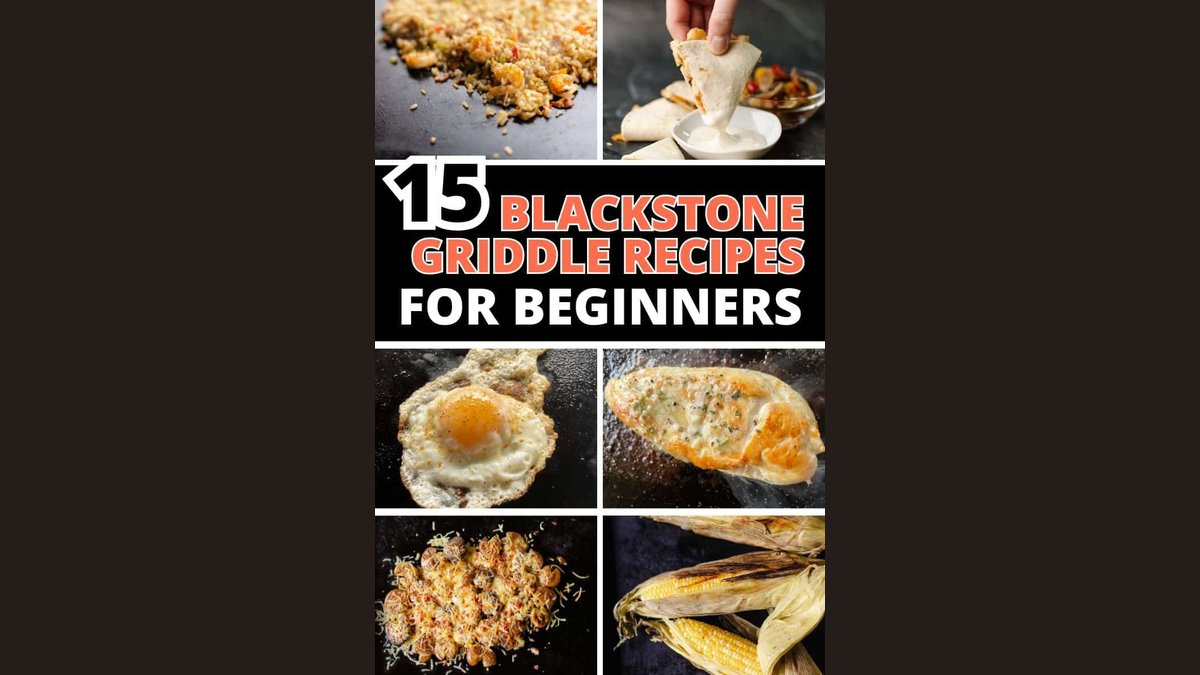
Griddle Recipes for Beginners: 4 Simple Meals to Master
Griddle recipes for beginners typically center on foods that cook quickly at a steady heat, such as pancakes, smash burgers, eggs, and thinly sliced vegetables. You’ll achieve the best results by keeping your surface temperature between 350°F and 400°F and using high-heat oils like avocado or grapeseed to prevent sticking while ensuring an even, golden crust.
Simple Griddle Recipes for Beginners
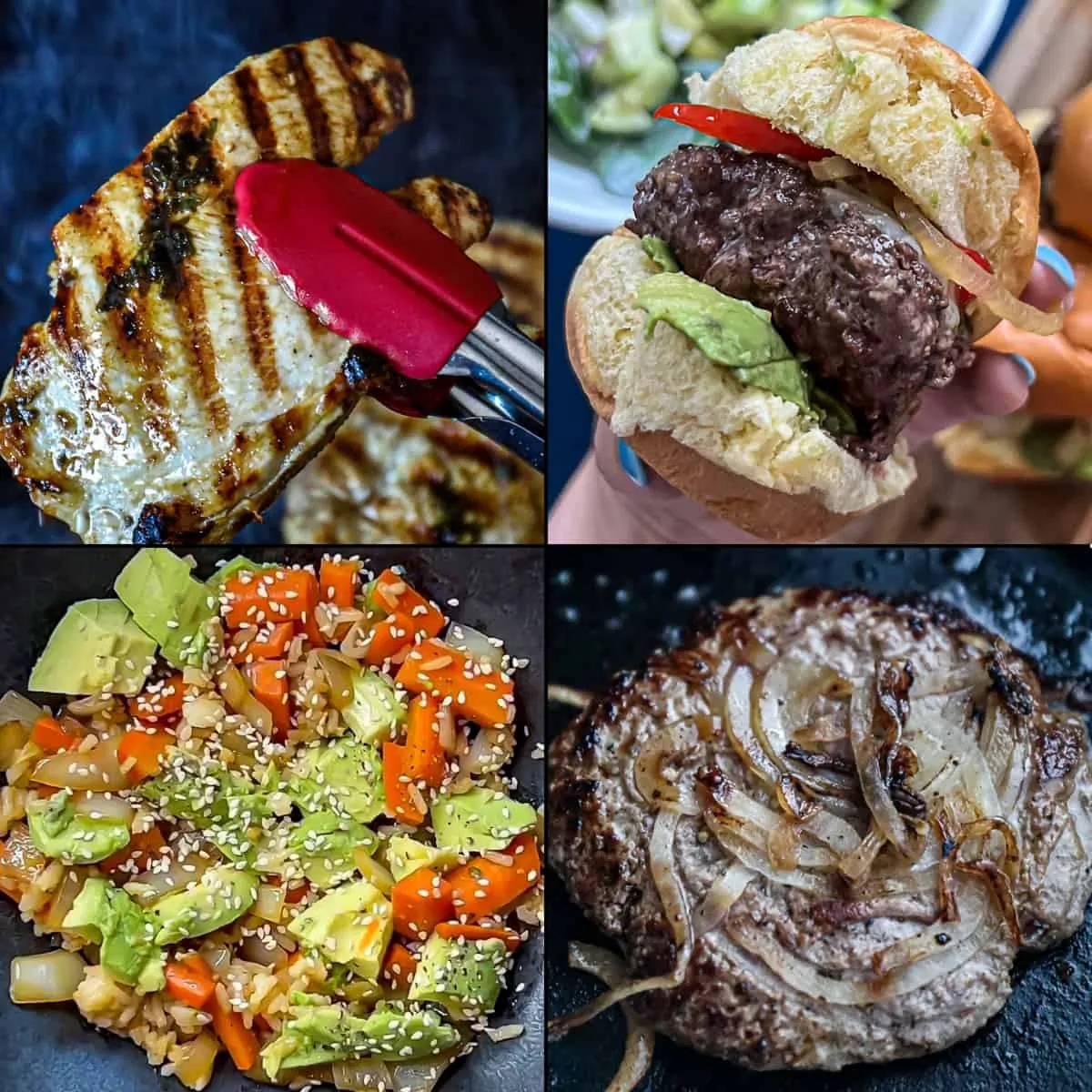
Cooking on a flat surface requires a different approach than using a pan, as you’re managing a large, open heat zone. Beginners should focus on heat control and timing to ensure food cooks through without burning. Always preheat your equipment for 10 to 15 minutes before adding any ingredients. An unevenly heated surface leads to sticking and inconsistent textures.
Clean and season the surface by wiping it with a damp cloth, then apply a thin layer of high-smoke-point oil like grapeseed or canola. Use a paper towel to buff it in until the surface looks matte, not oily. If you see pools of oil, you have used too much, which will result in a gummy, sticky residue rather than a slick, non-stick barrier.
Divide your surface into distinct temperature zones. Keep one corner set to a lower heat for resting finished items or melting cheese, while the main zone stays at high heat for searing. If you’re cooking proteins that require different internal temperatures, place the thickest cuts in the center and thinner slices toward the cooler edges.
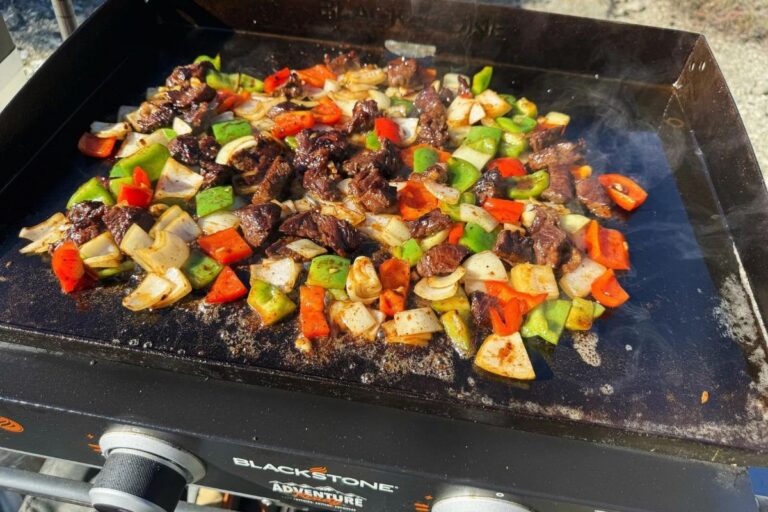
Use a long-handled metal spatula and sturdy tongs to move food safely. Avoid plastic or silicone tools, which will melt or warp under direct heat. Never crowd the cooking area. If your ingredients touch each other, they release steam that prevents proper browning.
Maintain at least one inch of space between items. If the food begins to gray instead of turning golden brown, you have overloaded the surface. Scrape off leftover bits while the metal is still warm to prevent carbon buildup.
Essential Temperature and Timing Guide
Success relies on matching the right heat level to the food you’re preparing. If you’re unsure about your surface heat, use an infrared thermometer to verify the temperature, as many dials are only estimates.
| Food Item | Recommended Heat | Typical Cook Time |
|---|---|---|
| Pancakes | 350°F | 2-3 minutes per side |
| Smash Burgers | 400°F | 2-4 minutes total |
| Sliced Peppers | 375°F | 5-7 minutes |
| Eggs (Sunny Side) | 325°F | 3-4 minutes |
| Chicken Breast | 375°F | 6-8 minutes per side |
Many burger enthusiasts mistake the initial sizzle for internal doneness. A smash burger requires high heat to achieve a crust, but if your oil smokes before you drop the meat, your pan is too hot. Drop the heat by 25 degrees to prevent a bitter, burnt exterior.
For delicate items like eggs, aim for the lower end of the range. If the whites turn rubbery or brown at the edges, you have exceeded 325°F. Always pull chicken off the heat when it reaches an internal temperature of 165°F. If you slice into the meat immediately, the juices escape, leaving you with dry, flavorless protein.
Avoiding Common Cooking Mistakes
New cooks often struggle with temperature management, which leads to food charred on the outside but raw inside. One frequent error is using butter for high-heat searing, as the milk solids burn at 300°F and leave a bitter, acrid taste. Swap butter for refined avocado or grapeseed oil, which remain stable well above 400°F.
Another common mistake is pressing down on meat with a spatula. This forces out essential juices, causing the protein to dry out and toughen instantly. If the meat is sticking, it isn’t yet ready to flip; wait until the surface releases naturally from the pan.
If you’re cooking multiple items, start with the thickest cuts that require the longest time. Move these to a cooler zone of the grill or a lower heat setting once they reach an internal temperature 10 degrees below your target. This creates space for faster-cooking items like vegetables or sausages.
Safety remains the most critical factor when working with an open flame. Ensure your setup sits on a level, stable surface at least ten feet away from wooden railings, low-hanging branches, or curtains. Keep a fire extinguisher rated for grease fires within arm’s reach at all times.
If you smell gas or see flames rising above the grate, turn off the fuel source immediately and step back. Never leave a hot grill unattended, as a flare-up can engulf the surrounding area in under sixty seconds.
Related guides
- Easy Steps How to Use Headlamp as Beginner
- Master Outdoor Cooking Guide Using Camping Pans
- What is Hot Tent Camping? A Complete Beginner’s Guide
Frequently Asked Questions
How do I know if my surface is too hot?
If your oil starts smoking immediately or your food turns black within seconds, your heat is set too high. Turn the burners down, scrape the surface clean, and let it cool for a few minutes before you add more oil and continue.
Can I use metal utensils on my surface?
Yes, you can use metal spatulas and scrapers on most steel surfaces, but you should avoid them if your unit has a non-stick coating. Check the manufacturer’s manual to confirm if your specific model allows for metal tools to prevent damaging the finish.
How do I clean a stubborn, stuck-on mess?
If food residue remains after scraping, pour a small amount of warm water onto the warm surface to create steam and loosen the debris. Use a heavy-duty scouring pad or a dedicated scraper to lift the material, then wipe it clean with a dry cloth and re-oil the surface.
Conclusion
Focus on mastering one type of dish, such as smash burgers, to get a feel for how your specific equipment holds heat before trying more complex recipes. Once you feel comfortable with your heat zones, you’ll find it much easier to manage multiple ingredients at once for larger meals.
{“@context”:”https://schema.org”,”@type”:”FAQPage”,”mainEntity”:[{“@type”:”Question”,”name”:”How do I know if my surface is too hot?”,”acceptedAnswer”:{“@type”:”Answer”,”text”:”If your oil starts smoking immediately or your food turns black within seconds, your heat is set too high. Turn the burners down, scrape the surface clean, and let it cool for a few minutes before you add more oil and continue.”}},{“@type”:”Question”,”name”:”Can I use metal utensils on my surface?”,”acceptedAnswer”:{“@type”:”Answer”,”text”:”Yes, you can use metal spatulas and scrapers on most steel surfaces, but you should avoid them if your unit has a non-stick coating. Check the manufacturer’s manual to confirm if your specific model allows for metal tools to prevent damaging the finish.”}},{“@type”:”Question”,”name”:”How do I clean a stubborn, stuck-on mess?”,”acceptedAnswer”:{“@type”:”Answer”,”text”:”If food residue remains after scraping, pour a small amount of warm water onto the warm surface to create steam and loosen the debris. Use a heavy-duty scouring pad or a dedicated scraper to lift the material, then wipe it clean with a dry cloth and re-oil the surface.”}}]}
I am an outdoor enthusiast and gear researcher passionate about camping, hiking, backpacking, and outdoor adventures. I enjoy testing gear, comparing products, and sharing practical advice to help readers make informed decisions. At BestOutsideGear, I create honest gear reviews, buying guides, and outdoor tips to help adventurers choose the right equipment with confidence.