High-Protein Camping Griddle Meals: 15-Minute Recipe Ideas
Preparing high-protein camping griddle meals is best achieved by focusing on lean meats, eggs, and legumes that cook quickly over medium-high heat. You’ll find that 20 to 30 grams of protein per serving is the ideal target for active days, with most meals taking less than 15 minutes to cook once your griddle reaches a steady temperature between 350°F and 400°F.
Essential Ingredients for Camping Protein

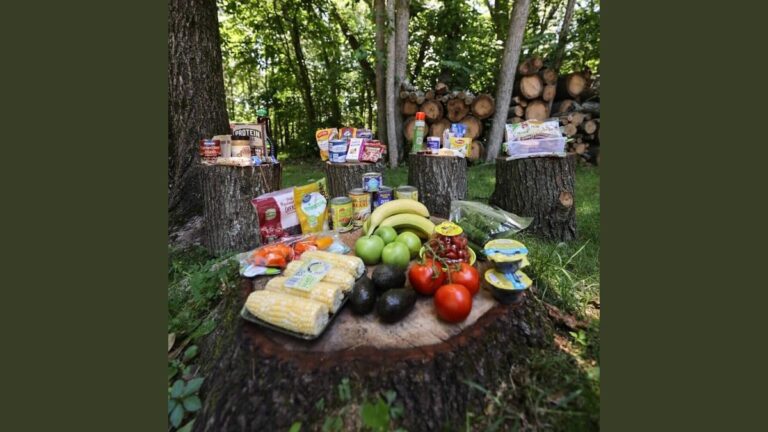
When you’re planning your menu, prioritize ingredients that offer high protein density without requiring complex refrigeration or long prep times. Canned beans, pre-cooked sausages, and thinly sliced meats are your best options because they heat through rapidly and provide consistent energy. Eggs are the most versatile staple, as they can be scrambled, fried, or folded into breakfast burritos with little effort.
If you’re packing for more than two nights, avoid fresh meat entirely. Fresh chicken or ground turkey risks spoilage even in high-quality coolers once the ice begins to melt. Instead, rely on shelf-stable pouches of tuna or chicken. These provide 20 grams of protein per serving and require zero prep.
Many campers make the mistake of relying on protein bars, which often contain more sugar than muscle-building nutrients. Check the label for a protein-to-sugar ratio of at least 2:1. If the sugar content is higher than the protein, you’re buying a candy bar, not a meal. For a quick boost, keep a bag of pumpkin seeds handy. A single cup packs approximately 30 grams of protein and stays fresh in any climate.
| Ingredient | Protein per 3oz/1cup | Preparation Tip |
|---|---|---|
| Chicken breast | 26g | Slice thin before packing |
| Black beans | 15g | Rinse well before heating |
| Large eggs | 6g each | Crack into a sealable bottle |
| Ground turkey | 22g | Pre-cook and freeze flat |
| Tofu (firm) | 10g | Press dry before griddling |
How to Cook High-Protein Camping Griddle Meals
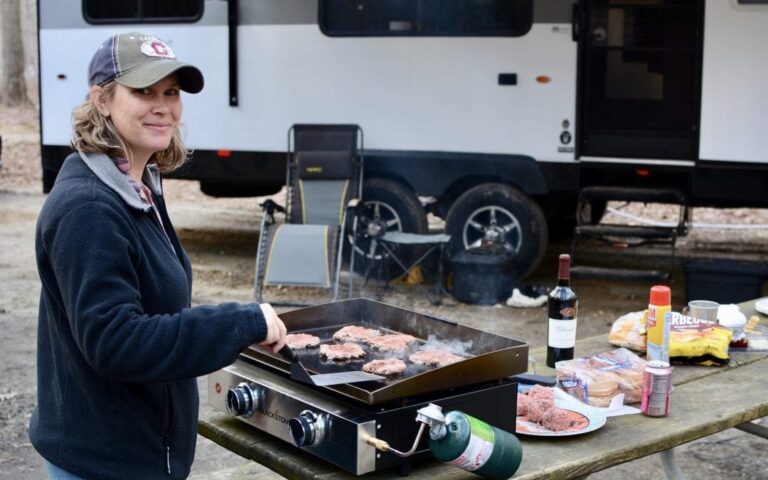
Cooking on a flat-top griddle requires a different approach than a standard pan because the surface area is much larger and heat distribution varies across the metal. You’ll want to divide your griddle into zones: a hot center for searing meats and a cooler edge for warming beans or melting cheese.
- Preheat the surface to a steady medium-high heat for about 10 minutes before you add any oil.
- Oil the griddle lightly using a high-smoke-point oil like avocado or grapeseed to prevent sticking.
- Sear the protein first, placing thicker slices of meat in the hottest zone and turning them only once.
- Add your vegetables or legumes to the cooler outer edges so they soften without burning while the meat finishes.
- Combine and serve by mixing the ingredients together on the griddle just before you move them to your plate.
Tip: Keep your meat slices under 1/2 inch thick to ensure they cook through before the outside develops a bitter char.
Managing Food Safety at the Campsite
Keeping your protein sources safe during a trip is the most critical part of your meal planning. Raw meat must be kept below 40°F until the moment you place it on the griddle, as temperature abuse is a primary cause of foodborne illness in outdoor settings.
According to the United States Department of Agriculture, you should never leave perishable foods in the “danger zone” between 40°F and 140°F for more than 2 hours. If the temperature outside is above 90°F, that safety window shrinks to just 1 hour.
Pack your cooler using the “bottom-up” rule: place frozen meat at the very base, then layer ice blocks on top. Place ice blocks on top of your meat, as cold air sinks and will keep the perishables below at a stable temperature. Avoid the common mistake of draining meltwater too early; that cold water keeps the internal temperature stable longer than air.
If you’re hiking in high heat, freeze your meat solid before leaving home. It acts as an additional ice block and will thaw perfectly by your second night. Always bring a dedicated cooler with plenty of ice or frozen gel packs to keep your supplies chilled until you’re ready to cook.
Common Mistakes When Griddle Cooking

One frequent error is overcrowding the griddle surface, which causes the temperature to drop and makes your food steam instead of sear. When you dump too much cold food onto the metal at once, the griddle loses its ability to brown the proteins effectively. Leave at least two inches of empty space between items to maintain a consistent surface heat.
You’ll also want to avoid using metal tools that are too sharp or thin, as they can scratch the seasoned finish of a cast iron or steel griddle. Use a beveled-edge stainless steel spatula instead. If your food starts to stick, don’t force it; add a small splash of water to create steam, which helps release the stuck bits without damaging the surface.
Lastly, avoid using excessive amounts of butter, as the milk solids will burn quickly and leave a bitter taste on your meal. If you need flavor, use high-smoke-point oils like avocado or grapeseed first, then add butter only during the final sixty seconds of cooking.
Frequently Asked Questions
Can I pre-cook my meats before I leave?
Yes, you can pre-cook meats like chicken or ground turkey at home and freeze them in sealed bags. This saves time at the campsite and ensures your protein reaches a safe internal temperature quickly, though you must keep the bags frozen until you’re ready to heat them on the griddle.
How do I clean the griddle without harsh soap?
You should scrape the surface with a metal spatula while it’s still warm to remove large food particles. Once the griddle cools slightly, use a damp cloth or paper towel to wipe it clean, then apply a very thin layer of oil to protect the metal from rust.
Is it safe to cook eggs and meat together?
It’s safe as long as you ensure both items reach their recommended internal temperatures. Cook your meats first, then move them to a cooler part of the griddle while you fry your eggs, ensuring the eggs are cooked until the yolks and whites are firm.
Conclusion
Choose one simple protein-heavy recipe, such as a turkey and black bean scramble, to practice your heat management on your next trip. Focus on keeping your cooling source intact, as the quality of your ingredients depends entirely on how well you maintain that cold chain throughout your stay.
{“@context”:”https://schema.org”,”@type”:”FAQPage”,”mainEntity”:[{“@type”:”Question”,”name”:”Can I pre-cook my meats before I leave?”,”acceptedAnswer”:{“@type”:”Answer”,”text”:”Yes, you can pre-cook meats like chicken or ground turkey at home and freeze them in sealed bags. This saves time at the campsite and ensures your protein reaches a safe internal temperature quickly, though you must keep the bags frozen until you’re ready to heat them on the griddle.”}},{“@type”:”Question”,”name”:”How do I clean the griddle without harsh soap?”,”acceptedAnswer”:{“@type”:”Answer”,”text”:”You should scrape the surface with a metal spatula while it’s still warm to remove large food particles. Once the griddle cools slightly, use a damp cloth or paper towel to wipe it clean, then apply a very thin layer of oil to protect the metal from rust.”}},{“@type”:”Question”,”name”:”Is it safe to cook eggs and meat together?”,”acceptedAnswer”:{“@type”:”Answer”,”text”:”It’s safe as long as you ensure both items reach their recommended internal temperatures. Cook your meats first, then move them to a cooler part of the griddle while you fry your eggs, ensuring the eggs are cooked until the yolks and whites are firm.”}}]}
I am an outdoor enthusiast and gear researcher passionate about camping, hiking, backpacking, and outdoor adventures. I enjoy testing gear, comparing products, and sharing practical advice to help readers make informed decisions. At BestOutsideGear, I create honest gear reviews, buying guides, and outdoor tips to help adventurers choose the right equipment with confidence.