How to Choose Camping Pots | Top Tips for Outdoor Cooking
When you’re out in the wild, having the right camping pot can make all the difference between a satisfying meal and a frustrating cooking experience. But with so many options available, how do you know which one fits your needs best?
Whether you’re planning a quick weekend getaway or a long backpacking trip, choosing the right camping pot isn’t just about size or material, it’s about making your outdoor cooking simple, efficient, and enjoyable. In this guide, you’ll discover clear, straightforward tips to help you pick the perfect pot for your adventure.
Ready to cook like a pro under the open sky? Let’s dive in.
Materials For Camping Pots
Aluminum pots are popular for camping due to their lightweight nature and good heat conduction. They heat up quickly, saving fuel and time. However, aluminum can dent easily and may react with acidic foods, affecting taste. Stainless steel is heavier but very durable and resists rust and corrosion. It does not react with food but heats unevenly and takes longer to warm up. Titanium is the lightest and strongest option. It resists corrosion and is non-reactive with food. The downside is it is usually more expensive and heats less evenly than aluminum.
| Material | Weight | Durability | Heat Conductivity | Price |
|---|---|---|---|---|
| Aluminum | Light | Moderate (dents easily) | High | Low |
| Stainless Steel | Heavy | High (resists rust) | Moderate to Low | Moderate |
| Titanium | Very Light | Very High | Low | High |
Credit: seatosummit.com
Types Of Camping Pots
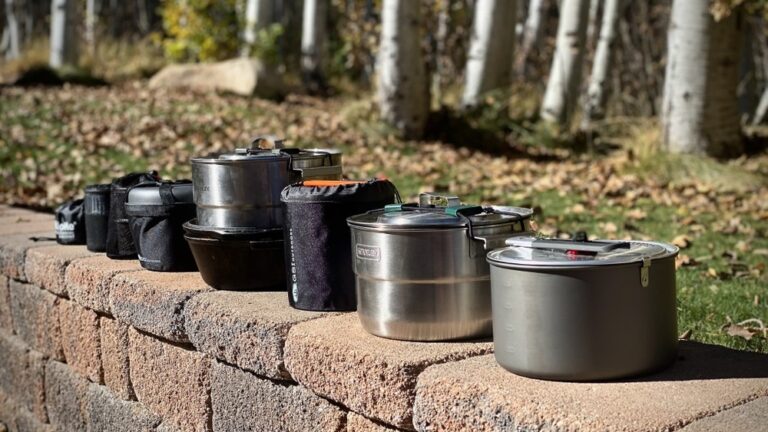
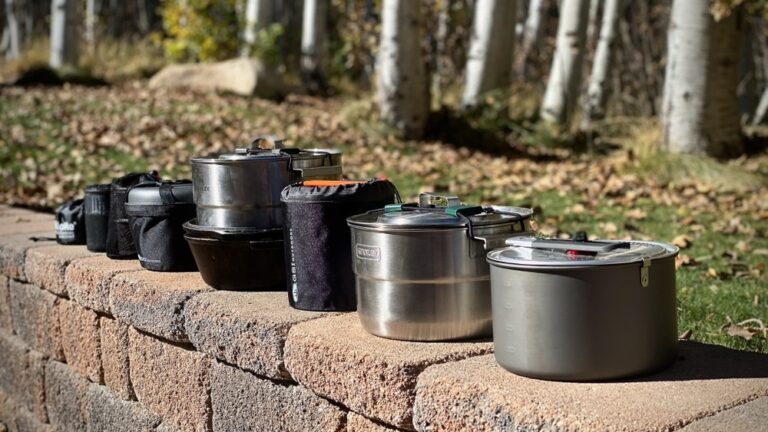
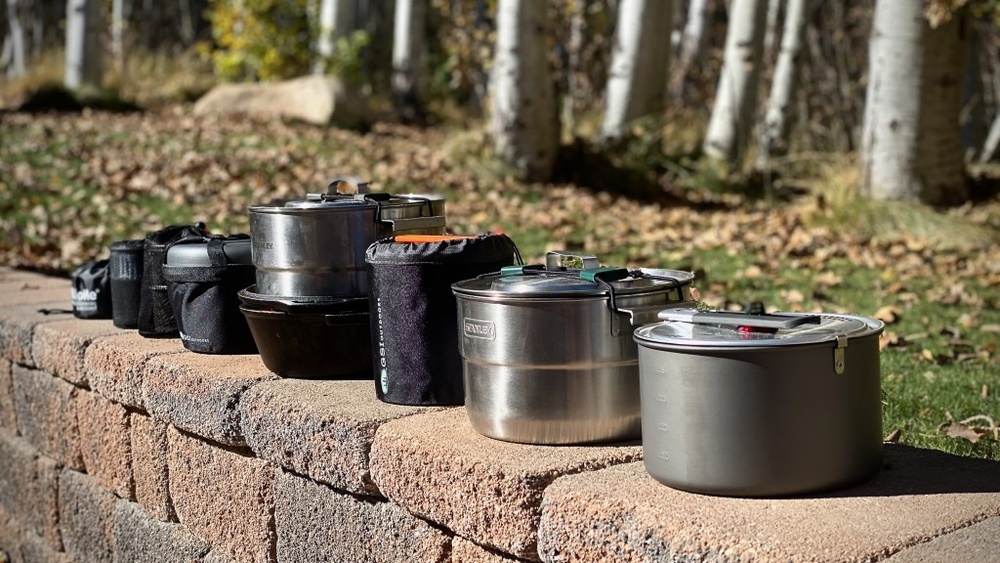
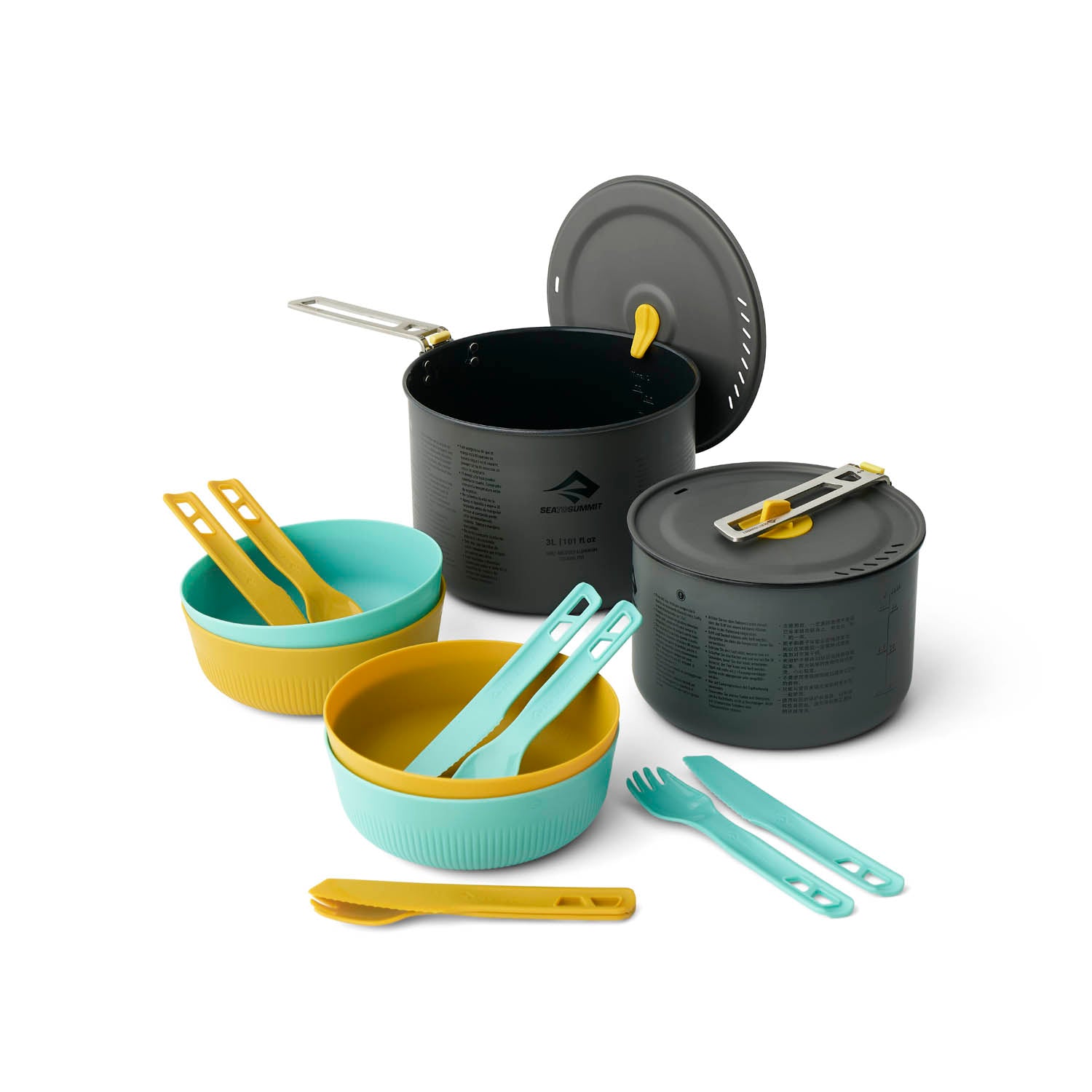
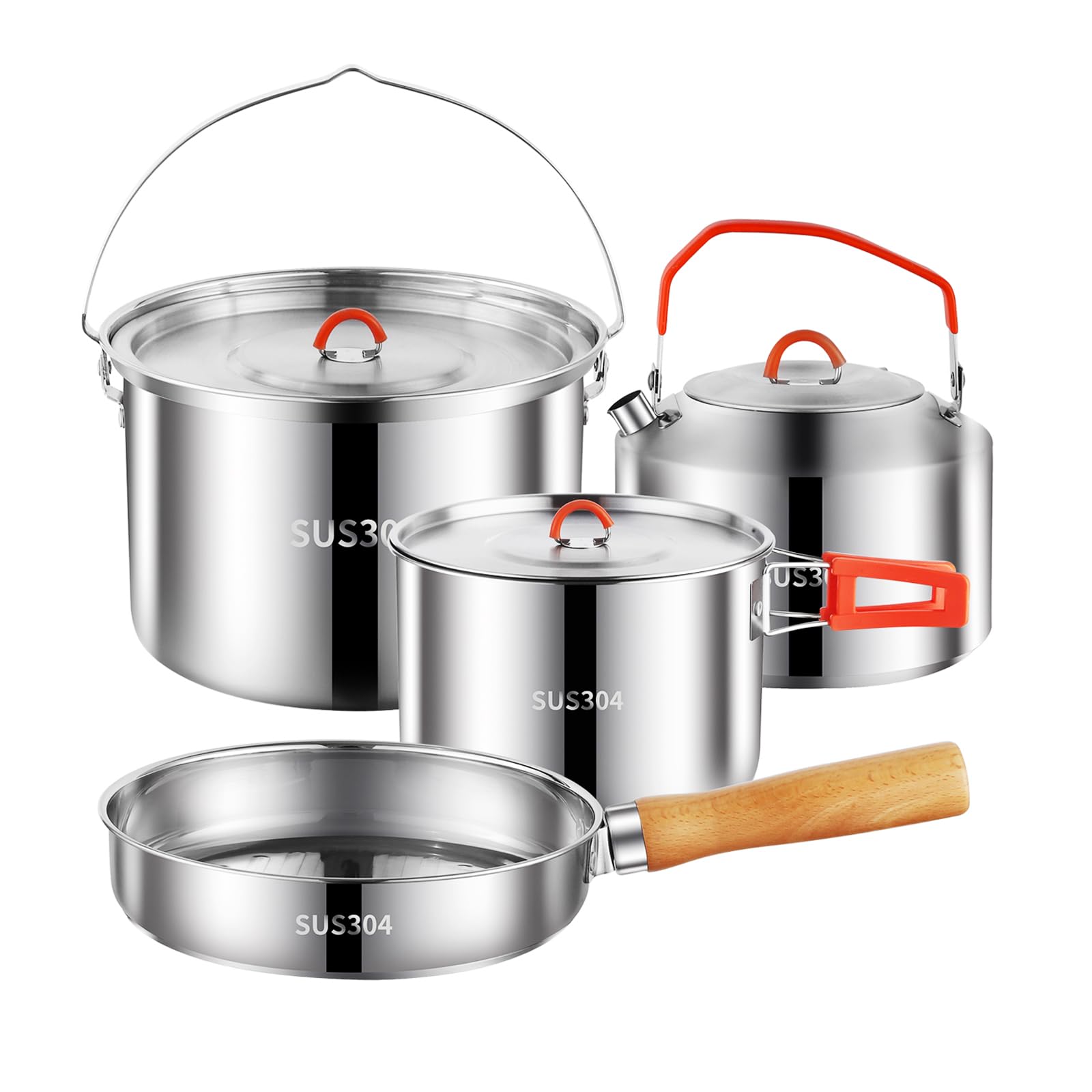
Single pots are light and easy to carry. They work well for solo campers or simple meals. Cookware sets include multiple pots and pans. These sets are good for groups or varied cooking needs. Sets often come with lids and nesting designs to save space.
Specialty pots include items like coffee percolators or frying pans. These help with specific cooking tasks. Accessories such as pot grippers and heat diffusers add safety and improve cooking control.
Multi-functional designs combine several uses in one pot. Some pots can serve as a kettle, pan, or bowl. These designs reduce the number of items you must carry. They suit campers who want to pack light but cook well.
Size And Capacity
Choosing the right capacity for camping pots depends on your group size. Small pots, holding 1-2 liters, fit solo campers or couples. Larger pots, 3-5 liters, work well for groups of 3-5 people. Consider how much food and water you will cook each time.
Balancing bulk and function is key. Bigger pots hold more but weigh more and take space. Smaller pots save space but may not cook enough food. Lightweight materials help reduce weight without losing capacity. Think about your trip length and how many meals you’ll prepare.
| Group Size | Pot Capacity | Notes |
|---|---|---|
| 1-2 people | 1-2 liters | Compact and light, good for simple meals |
| 3-5 people | 3-5 liters | Can cook larger meals, slightly heavier |
| 6+ people | 5+ liters | Best for big groups, heavier and bulky |
Portability And Weight
Ultralight camping pots save space and reduce pack weight. Materials like titanium and aluminum are best for lightness. Titanium is lighter but costs more. Aluminum offers good balance of weight and price.
Compact and nesting designs make pots stack inside each other. This saves room in your backpack. Some sets include lids that double as pans or plates.
To pack efficiently, place smaller items inside bigger pots. Use a stuff sack or bag to keep everything together. Pack utensils and fuel tablets inside the pots to avoid losing them.
Heat Conductivity And Cooking Performance
The material of camping pots greatly affects heat conductivity. Aluminum heats up quickly and evenly. Stainless steel is durable but heats slower. Titanium is very light but may cause hot spots during cooking.
Even heating prevents food from burning in one spot. Pots with a thick base spread heat better. Thin pots may have hot spots and cook unevenly.
Fuel compatibility is important. Some pots work better with gas stoves, while others suit wood fires. Aluminum and stainless steel pots are good for most fuels. Titanium pots need careful handling with direct flames.
Ease Of Cleaning And Maintenance
Non-stick coatings make cleaning much easier. Food slides off fast, so less scrubbing is needed. These coatings also save time and water during cleaning. However, choose pots with durable non-stick surfaces to avoid peeling.
Rust and corrosion resistance is key for camping pots. Stainless steel and anodized aluminum resist rust well. These materials last longer and keep pots safe to use. Avoid pots that show signs of corrosion after a few uses.
Some simple cleaning tips for outdoors include soaking pots in warm water right after use. Use a soft sponge or cloth to clean them. Avoid harsh scrubbing, which can damage coatings. Dry pots fully before packing to prevent rust and mold.
Budget And Price Considerations
Choosing camping pots requires balancing cost and quality. Expensive pots often last longer and perform better. They resist damage and cook food evenly. Think of these pots as a long-term investment that saves money over time.
Affordable options exist that still offer good reliability. Look for pots made from durable materials like aluminum or stainless steel. These provide decent cooking and resist wear. Avoid very cheap pots that can warp or break quickly.
| Price Range | Quality Level | Best For |
|---|---|---|
| High | Excellent | Frequent campers, long trips |
| Medium | Good | Casual campers, weekend trips |
| Low | Basic | Short trips, beginners |
Additional Features To Look For
Lids should fit tightly to keep heat and moisture in. Look for lids with small vents to let steam escape safely. Handles must be sturdy and foldable for easy packing and safe cooking.
Check if pots are compatible with your stove. Some pots work better on gas, others on electric or open fire. A flat bottom helps pots sit steady on most stoves.
Storage is key. Pots that nest inside each other save space. Carrying bags or hard cases protect your pots and make them easier to carry. Lightweight materials make transport easier too.
Matching Pots To Camping Style
Backpacking pots must be lightweight and compact. Materials like aluminum or titanium work best. Choose pots that nest inside each other to save space. Easy cleaning is key for quick meals on the trail.
Car camping allows for heavier and larger pots. You can bring pots made from stainless steel or cast iron. These hold heat well and cook food evenly. Size and durability matter more than weight here.
Group cooking needs larger pots to feed many people. Solo cooking suits smaller, single pots. Consider how many meals you will cook at once. Larger pots take longer to heat but serve more.

Credit: www.amazon.com
Credit: www.amazon.com
Frequently Asked Questions
What Materials Are Best For Camping Pots?
Aluminum is lightweight, affordable, and heats evenly, ideal for most campers. Titanium is durable and ultralight but costly. Stainless steel is sturdy but heavier. Choose based on your weight preference, budget, and cooking needs.
How To Choose The Right Size Camping Pot?
Select pot size based on group size and meal plans. A 1-2 liter pot suits solo trips. For groups, opt for larger sizes to cook enough food comfortably without extra weight.
Should Camping Pots Be Non-stick Or Stainless Steel?
Non-stick pots are easy to clean and great for delicate foods. Stainless steel pots are more durable and better for high-heat cooking. Consider your cleaning preferences and cooking style when deciding.
How Important Is Weight In Camping Cookware?
Weight matters most for backpacking to reduce load. Car campers can choose heavier, more durable pots. Balance weight with durability and cooking performance based on your camping style.
Conclusion
Choosing the right camping pots makes cooking outdoors easier and more fun. Consider weight, size, and material for your needs. Durable pots last longer and handle heat well. Think about how many people you will cook for. Easy-to-clean pots save time at the campsite.
A good pot set fits your camping style perfectly. Take time to compare options before buying. Enjoy delicious meals on your next camping trip with the right pots.

I am an outdoor enthusiast and gear researcher passionate about camping, hiking, backpacking, and outdoor adventures. I enjoy testing gear, comparing products, and sharing practical advice to help readers make informed decisions. At BestOutsideGear, I create honest gear reviews, buying guides, and outdoor tips to help adventurers choose the right equipment with confidence.