Best Camping Pots Safety Tips for Safe Outdoor Cooking
When you’re out in the wild, your camping pot is more than just a cooking tool — it’s your lifeline to hot meals and warm drinks. But have you ever thought about how to keep your pot safe and functional during your trip?
Using your camping pot without the right precautions can lead to accidents, damage, or even spoiled food. You’ll discover simple yet essential safety tips that protect both you and your gear. Keep reading to make sure your next outdoor cooking experience is safe, enjoyable, and hassle-free.
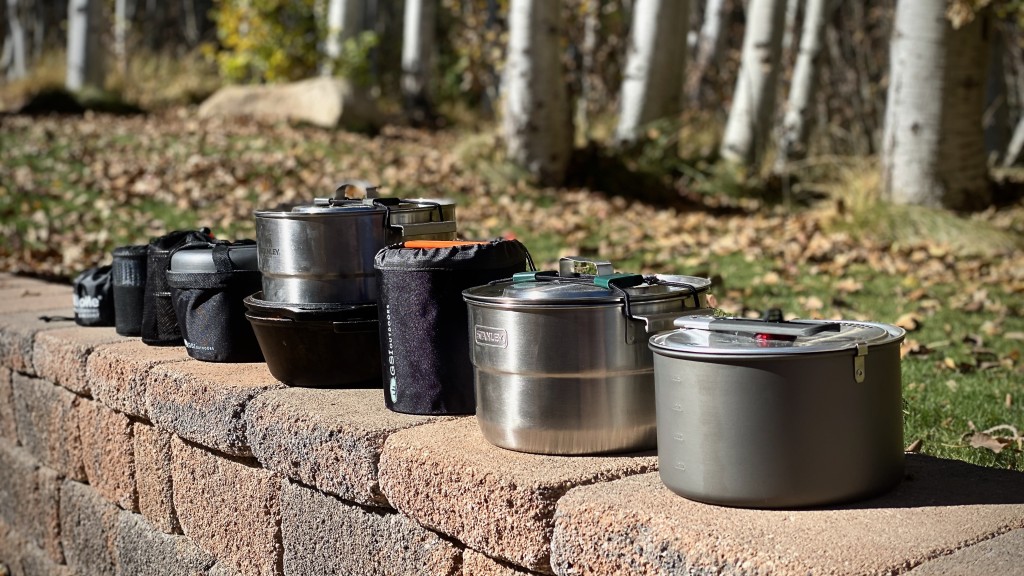
Credit: www.outdoorgearlab.com
Choosing Safe Camping Pots
Choosing safe camping pots is important for a worry-free outdoor cooking experience. The right pot keeps your food safe and cooks evenly. It also lasts longer and is easy to carry. Focus on materials, size, weight, and coatings to pick the best pots for your trip.
Material Options
Camping pots come in different materials like aluminum, stainless steel, and titanium. Aluminum heats quickly but can dent easily. Stainless steel is strong and resists rust. Titanium is very light and durable but more costly. Choose a material that fits your cooking style and camping needs.
Size And Weight Considerations
Pick a pot size that matches your group and meals. A large pot holds more but weighs more. A small pot is lighter but may limit cooking. Think about how much weight you can carry and how much food you plan to cook. Balance size and weight for easy camping.
Non-toxic Coatings
Non-toxic coatings prevent food from sticking and make cleaning easier. Avoid pots with harmful chemicals like PFOA or PTFE. Look for ceramic or other safe coatings. These coatings keep your meals healthy and help your pot last longer.
Preparing Camping Pots
Proper preparation of camping pots ensures safe and enjoyable cooking outdoors. This process protects your cookware and improves meal quality. Taking time to prepare your pots can prevent damage and extend their life. Here are essential steps to prepare your camping pots before use.
Seasoning Cast Iron
Seasoning cast iron creates a natural non-stick surface. Start by cleaning the pot with warm water and a brush. Dry it completely to avoid rust. Apply a thin layer of cooking oil all over the pot. Heat the pot in an oven or over a fire for one hour. Let it cool slowly. Repeat this process regularly for better protection.
Cleaning Before Use
Clean your camping pots before every trip to remove dust and residues. Use warm water and mild soap if needed. Avoid harsh chemicals that can damage the pot. Rinse thoroughly to remove all soap. Dry pots fully to prevent rust and bacteria growth. Proper cleaning keeps food safe and pots in good condition.
Avoiding Scratches
Scratches can ruin the pot’s surface and affect cooking. Use wooden, silicone, or plastic utensils to stir food. Avoid metal tools that can leave marks. Stack pots carefully with soft cloth or paper towels between them. Store pots in a dry place to reduce damage. Gentle handling helps maintain your pots for many trips.
Setting Up A Safe Cooking Area
Setting up a safe cooking area is crucial for every camping trip. It prevents accidents and helps you cook with ease. A well-prepared spot keeps you and your gear secure. Follow simple steps to create a safe space for your camping pots.
Selecting A Stable Surface
Pick a flat and firm surface to place your camping pot. Uneven ground can cause spills and accidents. Rocks or dirt patches work well if they are level. Avoid soft or loose soil that can shift under heat or weight. A steady base ensures your pot stays in place during cooking.
Keeping Away From Flammable Materials
Clear the area around your cooking spot from dry leaves, grass, and twigs. These materials can catch fire easily and spread quickly. Keep your fire and pots away from tents, backpacks, and other gear. Maintaining a safe distance lowers the risk of fire hazards.
Using Existing Fire Rings
Use fire rings or pits made by previous campers. These spots are designed to contain fire safely. They reduce damage to the environment and help control flames. Using existing rings also keeps your cooking area organized and secure.
Safe Cooking Practices
Safe cooking practices protect you and your gear while camping. Following simple rules can keep your cooking area secure and reduce risks. Pay close attention to the fuel type, fire safety, and handling hot pots.
Using Appropriate Fuel
Choose fuel designed for your camping stove or pot. Avoid using gasoline or other dangerous fuels. Use only propane, butane, or solid fuel tablets made for outdoor cooking. Proper fuel ensures steady heat and lowers fire risk.
Monitoring Fire Danger
Check local fire danger levels before lighting a fire. Never build a campfire during high fire danger days. Use existing fire rings to contain flames. Keep a bucket of water or sand nearby to put out fires quickly.
Handling Hot Pots
Always use gloves or pot holders when touching hot pots. Avoid touching pots with bare hands to prevent burns. Place hot pots on stable, heat-resistant surfaces. Let pots cool down before cleaning or packing.
Food Safety Tips
Food safety is crucial while camping to avoid sickness. Handling food properly keeps everyone healthy and happy. Follow simple rules to prevent contamination and spoilage. These tips help you enjoy meals safely outdoors.
Separating Raw And Cooked Foods
Keep raw and cooked foods apart at all times. Raw meat can carry harmful germs that spread easily. Use different pots and plates for raw and cooked items. Avoid placing cooked food on surfaces touched by raw food. This reduces the risk of food poisoning.
Using Clean Utensils
Always use clean utensils for cooking and eating. Wash spoons, forks, and knives with soap and water before use. Do not reuse utensils that touched raw food without cleaning them. Clean tools prevent germs from spreading to your meals.
Proper Food Storage
Store food correctly to keep it fresh and safe. Use coolers with ice packs to keep perishable items cold. Keep sealed containers to protect food from insects and dirt. Check food regularly and throw away anything spoiled. Proper storage avoids harmful bacteria growth.
Cleaning Camping Pots Outdoors
Cleaning camping pots outdoors requires care to protect nature and your gear. Proper cleaning keeps your pots ready and avoids harming the environment. Follow simple steps to clean your pots safely and effectively during your camping trip.
Eco-friendly Cleaning Methods
Use biodegradable soap for washing your pots. It breaks down naturally and does not harm plants or animals. Avoid using harsh detergents or chemicals near water sources. Scrape off food scraps before washing to reduce soap use. Carry a small sponge or cloth dedicated for cleaning. Rinse pots at least 200 feet away from lakes or streams. This prevents soap and food waste from polluting water.
Avoiding Damage To Pots
Clean pots while they are still warm for easier removal of food. Use non-abrasive scrubbers to protect the pot’s surface. Avoid steel wool or metal brushes on non-stick or coated pots. Dry pots completely before packing to stop rust and corrosion. Store pots inside a protective bag or wrap to prevent scratches. Regular cleaning also extends the life of your camping cookware.
Disposing Of Waste Safely
Never dump food scraps or dirty water directly on the ground. Pack out all food waste in sealed bags to avoid attracting wildlife. Pour dirty water into a small hole away from trails and water. Cover the hole after pouring to speed up natural filtration. Use designated waste stations when available at campsites. Following these steps helps keep camping areas clean and safe for everyone.
Storing Camping Cookware
Proper storage of camping cookware keeps your pots safe and ready for use. It also extends their lifespan and prevents damage during travel. Organizing your camping pots in a smart way saves time and reduces frustration at the campsite.
Using Hard-shell Boxes
Hard-shell boxes protect camping pots from dents and scratches. They provide a sturdy barrier against rough handling or drops. These boxes keep your cookware clean and dry. They also stack easily in your camping gear, saving space.
Protecting Non-stick Surfaces
Non-stick surfaces are delicate and need extra care. Avoid stacking pots directly on top of each other. Use soft cloth or paper towels between pans to prevent scratches. Always clean and dry cookware before storing it to protect the coating.
Organizing For Easy Access
Arrange your pots by size or use to find them quickly. Keep lids and handles together to avoid losing parts. Store smaller pots inside larger ones to save space. Label your cookware or use colored bands for quick identification.

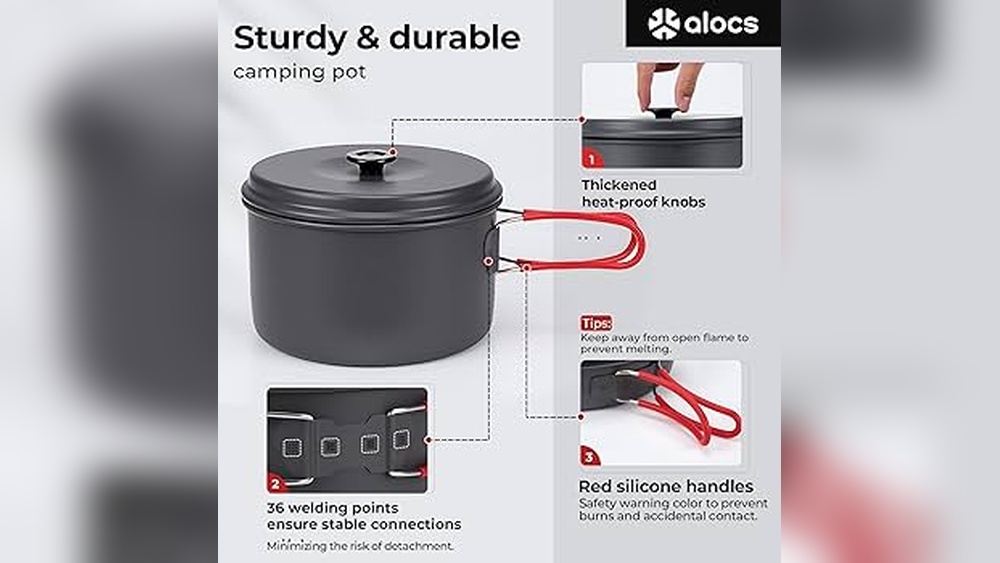
Credit: www.amazon.com
Preventing Accidents
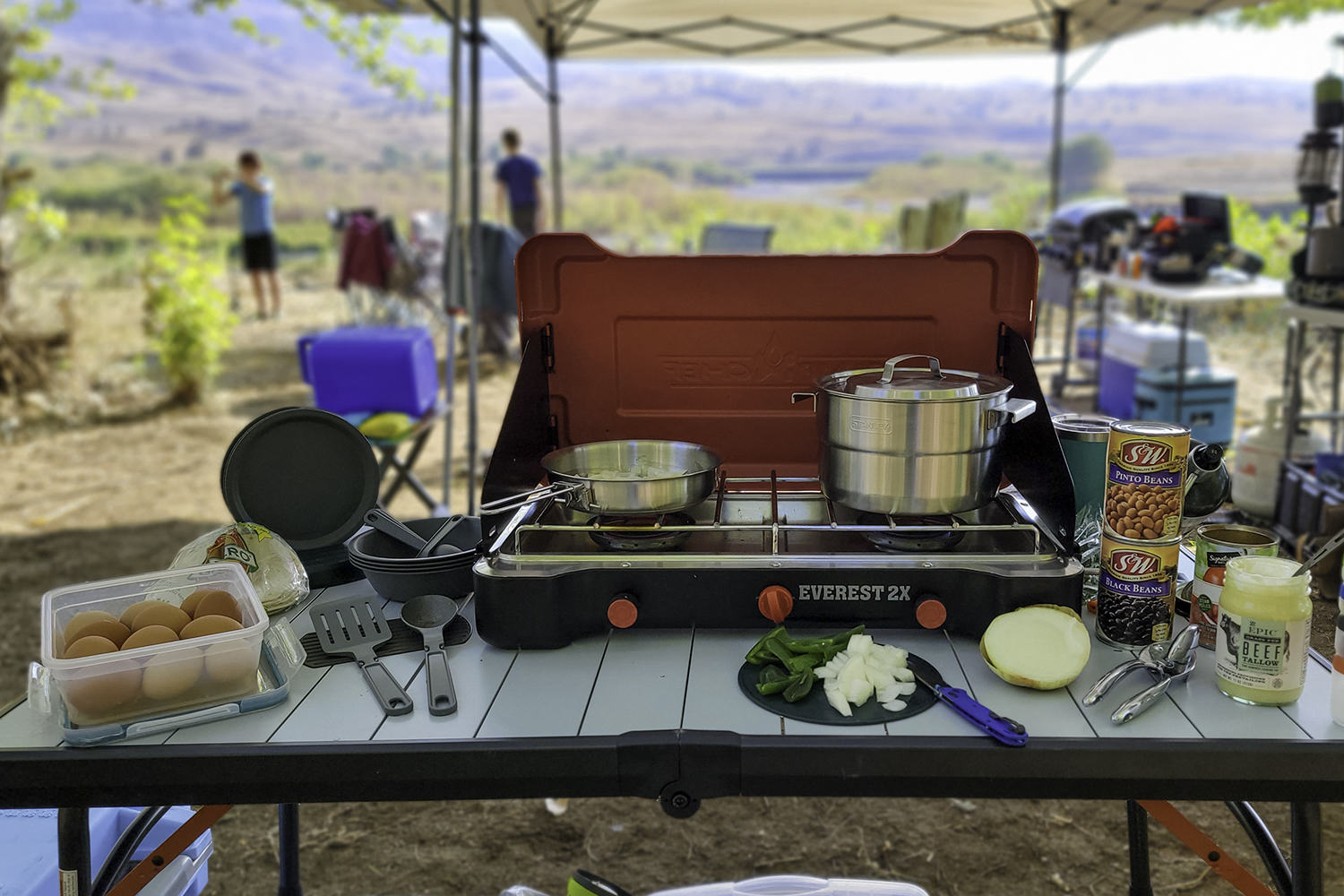
Preventing accidents while camping keeps your trip safe and enjoyable. Simple steps can stop burns, spills, and injuries. Pay close attention to how you handle camping pots. Small habits make a big difference in safety.
Keeping Pots Away From Edges
Place pots well inside the cooking surface. Avoid edges of tables or camp stoves. Pots near edges can easily tip over. This can cause hot spills and burns. Secure the pots on flat, stable ground. Check the surface before cooking to ensure balance.
Using Heat-resistant Gloves
Always wear heat-resistant gloves when handling hot pots. Gloves protect your hands from burns. Use thick gloves designed for cooking or camping. Avoid cloth or thin materials that do not protect well. Hold pots firmly to prevent slipping or dropping.
Supervising Cooking Area
Never leave cooking pots unattended. Stay close to monitor the heat and pot stability. Keep children and pets away from the cooking zone. Watching the area helps catch spills or accidents early. This reduces risks and keeps everyone safe.
Credit: www.cleverhiker.com
Frequently Asked Questions
What Are The 7 C’s Of Camping?
The 7 C’s of camping are: Campfire, Cookware, Clothing, Communication, Compass, Cleanliness, and Comfort. These essentials ensure a safe, enjoyable outdoor experience.
What Is The 200 Rule For Camping?
The 200 rule for camping limits campsite distance to 200 feet from water sources. It protects water quality and wildlife habitats. Stay at least 200 feet away when setting up camp or disposing of waste to minimize environmental impact.
What Are 5 Campfire Safety Tips?
1. Check local fire regulations before lighting a campfire. 2. Use designated fire rings to contain the fire safely. 3. Keep water or a fire extinguisher nearby for emergencies. 4. Never leave the campfire unattended at any time. 5. Fully extinguish the fire before leaving the site.
What Is The Most Forgotten Item When Camping?
The most forgotten camping item is extra batteries and chargers. People also often miss insect repellent, first aid kits, and cooking utensils.
Conclusion
Safe camping starts with careful use of your pots. Keep your cooking area clear and stable. Always use the right fuel to avoid accidents. Handle pots with care to prevent burns or spills. Clean pots properly after use to maintain them.
These simple steps protect you and your gear. Enjoy your outdoor meals with peace of mind. Stay alert, stay safe, and have fun camping!

I am an outdoor enthusiast and gear researcher passionate about camping, hiking, backpacking, and outdoor adventures. I enjoy testing gear, comparing products, and sharing practical advice to help readers make informed decisions. At BestOutsideGear, I create honest gear reviews, buying guides, and outdoor tips to help adventurers choose the right equipment with confidence.