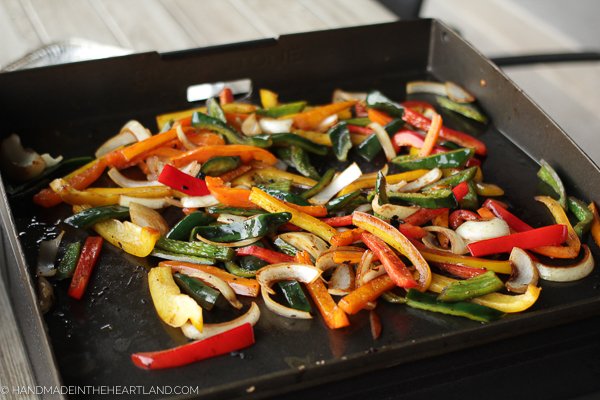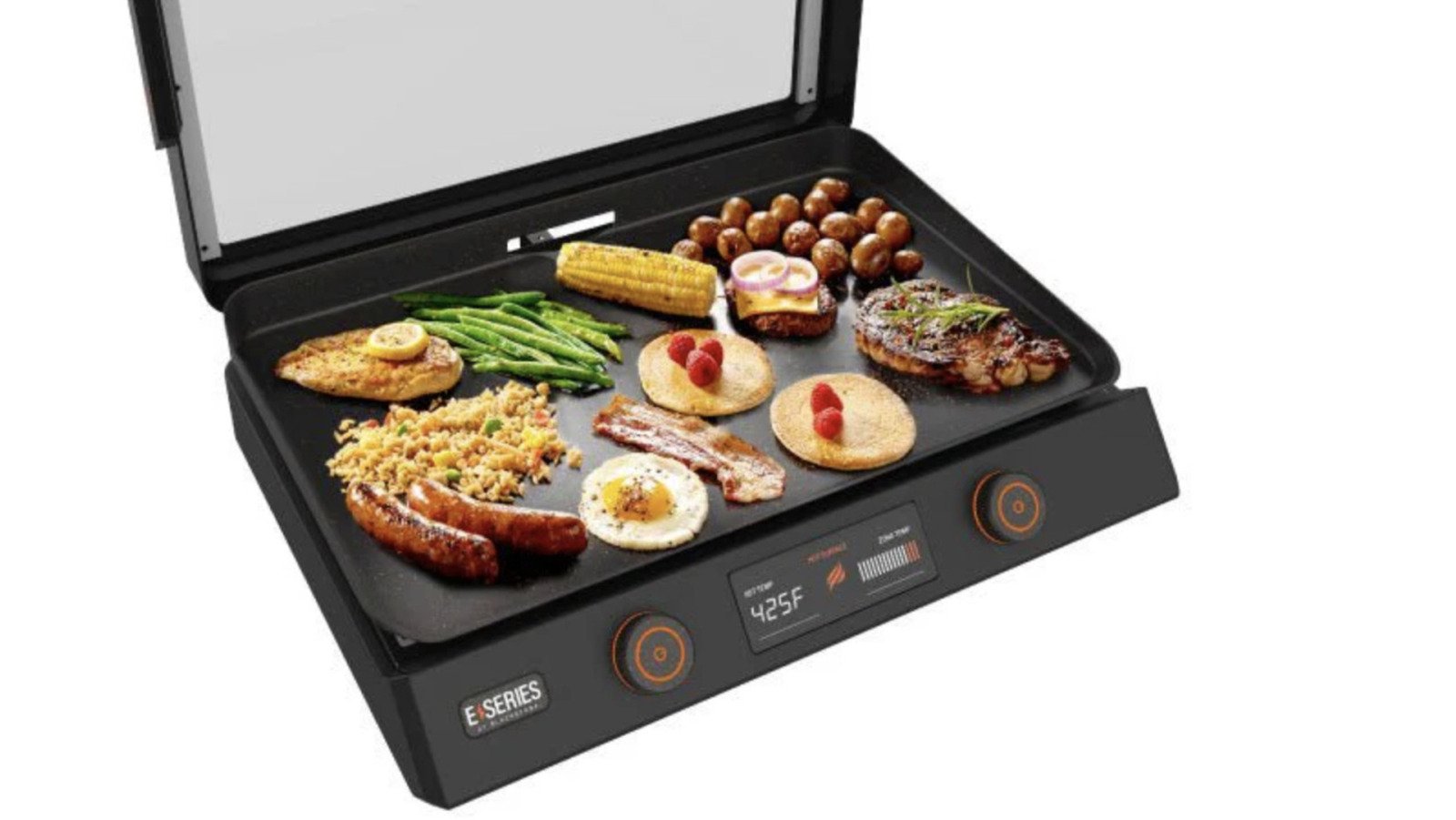
Blackstone Tabletop Griddle Pros and Cons: A Detailed Review
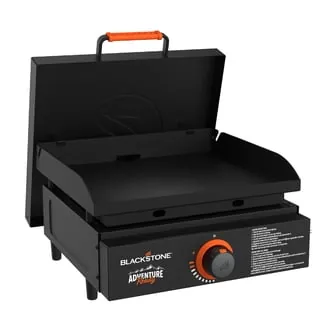
The most effective way to cook outdoors for small groups is a portable griddle, as it offers a large, flat surface for versatile meal preparation. Choosing a blackstone tabletop griddle pros and cons analysis reveals that portability is the primary advantage, while the need for manual seasoning is the main drawback for new owners.
Comparing outdoor cooking methods
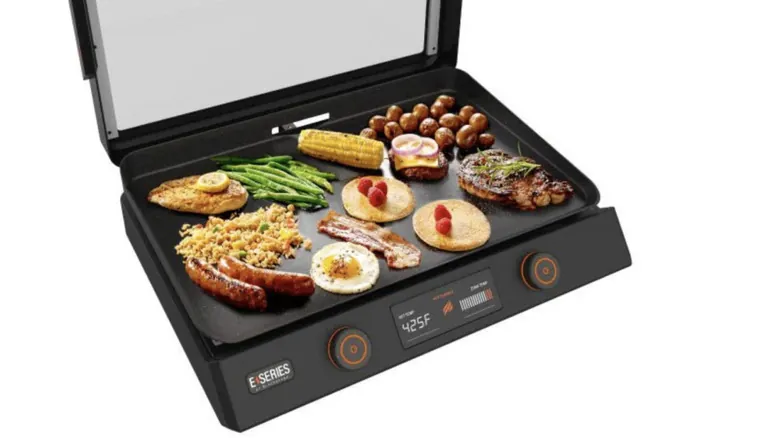
You should choose your cooking equipment based on how often you travel and the number of people you serve. The following table compares common outdoor cooking tools to help you decide which fits your lifestyle.
| Method | How long | Effort | Cost | Best for |
|---|---|---|---|---|
| Tabletop Griddle | 5-10 min | Medium | Medium | Camping/Patio |
| Charcoal Grill | 30-45 min | High | Low | Flavor seekers |
| Portable Stove | 2-5 min | Low | Low | Boiling water |
| Electric Skillet | 5-10 min | Low | Medium | Indoor use |
Portable griddles require more setup than a simple stove but offer better results for breakfast and stir-fry. If you prioritize convenience over flavor, a gas stove is better; if you want versatility, a griddle wins.
Using a portable gas griddle
To start cooking, you must first ensure the surface is clean and ready. Follow these steps to get the best performance from your unit:
- Connect the propane tank to the regulator and check for leaks using a soapy water solution, as noted by the U.S. Consumer Product Safety Commission guidance on gas grill safety.
- Ignite the burners and set them to medium-high heat for 5 minutes.
- Apply a thin layer of high-smoke-point oil to the surface and wipe it off with a paper towel.
- Add your food once the oil begins to shimmer.
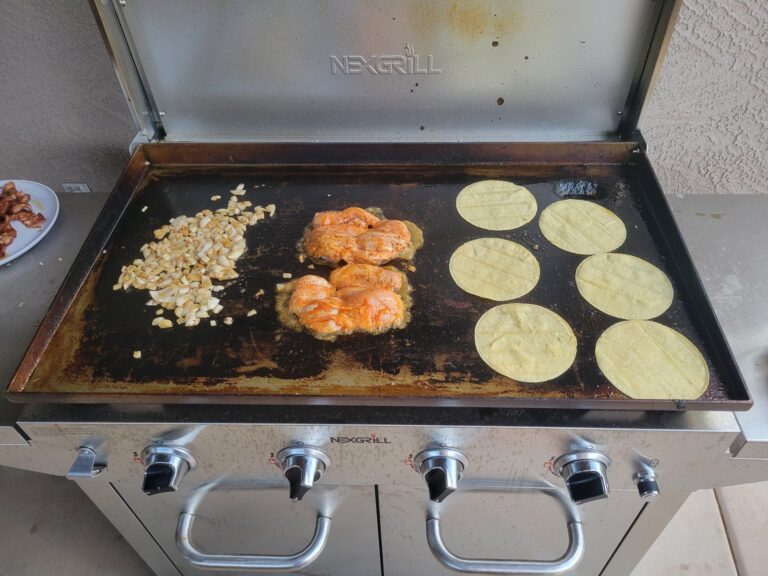
This method works well for searing proteins and cooking eggs quickly. The main weakness is that the steel plate can rust if you don’t dry it thoroughly after cleaning.
Maintaining the cooking surface
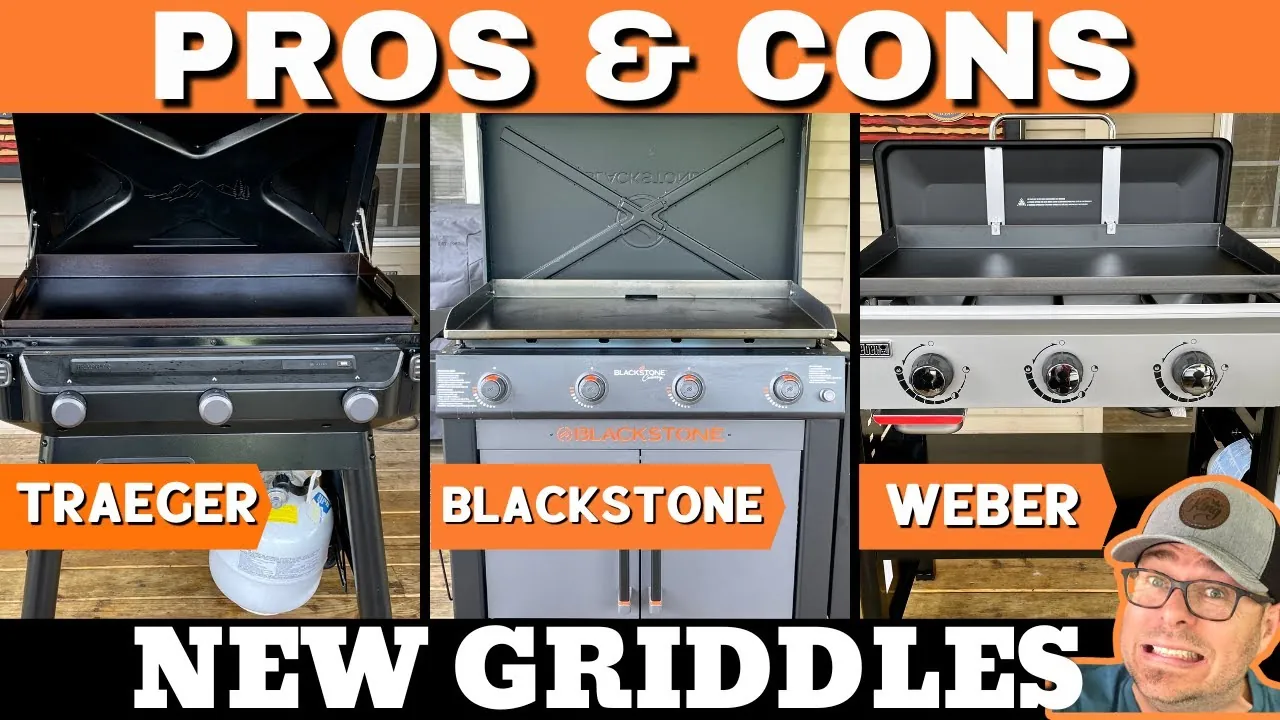
Maintaining your griddle surface ensures it stays non-stick for every meal. You need to keep the metal seasoned, which means building up layers of carbonized oil over time.
- Scrape off food debris after each use while the metal is still warm.
- Wipe the surface with a damp cloth to remove loose grease.
- Apply a light coat of oil and heat the griddle until it smokes.
- Turn off the heat and let the metal cool completely before covering it.
This process prevents food from sticking and protects the steel from moisture. If you skip the oiling step, the surface will start to oxidize and turn orange.
Managing heat and fuel
Successful griddle cooking depends on managing your fuel supply and heat zones. You should keep a spare propane cylinder on hand, as you don’t want to run out mid-meal.
- Always check your fuel level by weighing the tank, as the gauge on the bottle is often just a rough estimate.
- Use the left burner for high-heat searing and the right burner for warming finished items. Adjust the flame height so the burner flames are steady and primarily blue, ensuring they don’t directly impinge on the steel plate.
These techniques allow you to cook multiple items at different speeds. The main limitation is that the wind can easily blow the flame out on very breezy days.
Choosing the right equipment for you
When deciding which tool to use, consider the specific demands of your situation. If you’re in a hurry, a portable stove is the fastest option because it heats up instantly and requires zero maintenance. If you’re doing this for the first time, a tabletop griddle is great because it has a simple design that’s very forgiving of heat errors.
If you want the best possible result whatever it takes, a full-sized griddle provides the most consistent temperature control and the largest cooking area. You must balance the physical weight of the gear against the quality of the food you want to produce.
Rules for safe outdoor cooking
Regardless of the method you choose, you must prioritize safety to prevent accidents. Always place your cooking equipment on a flat, non-flammable surface like concrete or stone. Never operate gas appliances inside a tent, garage, or any enclosed space, as carbon monoxide buildup is a real risk to your health.
Before every trip, check that your hoses are free of cracks and that all connections are tight. At the end of every session, wait for the metal to reach ambient temperature before you pack it away in a storage bag.
Related guides
- Pro Tips for How to Choose the Perfect Headlamp
- 12 Best Tent for Family Camping 2026 | Pro Picks
- How to Make a Tent Camping Comfortable | Pro Tips
Frequently asked questions
Can I use a tabletop griddle indoors?
No, you should never use a gas-powered tabletop griddle indoors. These units produce carbon monoxide, which is a colorless and odorless gas that can reach dangerous levels in enclosed spaces very quickly.
How long does a 1lb propane tank last?
A 1lb propane tank typically lasts for 60 to 90 minutes of continuous use on high heat. If you use lower settings, you can expect to get closer to 120 minutes of cooking time per tank.
Is it safe to leave the griddle outside?
No, you shouldn’t leave the griddle exposed to the elements without a cover. Moisture from rain or humidity will cause the steel surface to rust, which requires significant effort to clean and re-season.
What happens if the surface turns black?
The black color is actually the seasoning you want to achieve. This layer of carbonized oil provides a natural non-stick surface and helps protect the steel from rust during storage.
How often do I need to re-season?
You should lightly oil the surface after every single use to maintain the seasoning. If the surface becomes dull or starts to show signs of rust, you’ll need to perform a full re-seasoning process.
Can I cook frozen meat on a griddle?
Yes, but you must lower the heat to allow the center to thaw without burning the outside. It’s much better to thaw your meat in the refrigerator for 24 hours before you start cooking.
Conclusion
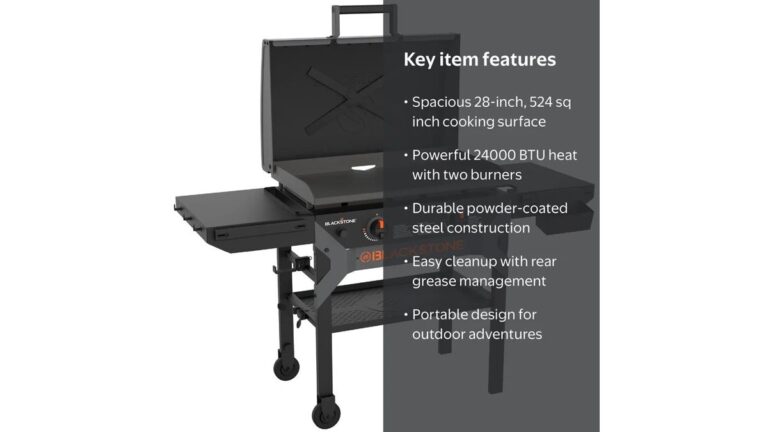
Selecting the right equipment comes down to how much space you have for transport and how much time you want to spend cleaning. If you prioritize ease of use, a smaller unit is better, but remember that the surface area varies by model, so check the dimensions before you buy.
{“@context”:”https://schema.org”,”@type”:”FAQPage”,”mainEntity”:[{“@type”:”Question”,”name”:”Can I use a tabletop griddle indoors?”,”acceptedAnswer”:{“@type”:”Answer”,”text”:”No, you should never use a gas-powered tabletop griddle indoors. These units produce carbon monoxide, which is a colorless and odorless gas that can reach dangerous levels in enclosed spaces very quickly.”}},{“@type”:”Question”,”name”:”How long does a 1lb propane tank last?”,”acceptedAnswer”:{“@type”:”Answer”,”text”:”A 1lb propane tank typically lasts for 60 to 90 minutes of continuous use on high heat. If you use lower settings, you can expect to get closer to 120 minutes of cooking time per tank.”}},{“@type”:”Question”,”name”:”Is it safe to leave the griddle outside?”,”acceptedAnswer”:{“@type”:”Answer”,”text”:”No, you shouldn’t leave the griddle exposed to the elements without a cover. Moisture from rain or humidity will cause the steel surface to rust, which requires significant effort to clean and re-season.”}},{“@type”:”Question”,”name”:”What happens if the surface turns black?”,”acceptedAnswer”:{“@type”:”Answer”,”text”:”The black color is actually the seasoning you want to achieve. This layer of carbonized oil provides a natural non-stick surface and helps protect the steel from rust during storage.”}},{“@type”:”Question”,”name”:”How often do I need to re-season?”,”acceptedAnswer”:{“@type”:”Answer”,”text”:”You should lightly oil the surface after every single use to maintain the seasoning. If the surface becomes dull or starts to show signs of rust, you’ll need to perform a full re-seasoning process.”}},{“@type”:”Question”,”name”:”Can I cook frozen meat on a griddle?”,”acceptedAnswer”:{“@type”:”Answer”,”text”:”Yes, but you must lower the heat to allow the center to thaw without burning the outside. It’s much better to thaw your meat in the refrigerator for 24 hours before you start cooking.”}}]}
I am an outdoor enthusiast and gear researcher passionate about camping, hiking, backpacking, and outdoor adventures. I enjoy testing gear, comparing products, and sharing practical advice to help readers make informed decisions. At BestOutsideGear, I create honest gear reviews, buying guides, and outdoor tips to help adventurers choose the right equipment with confidence.