Step by Step Guide to Using Camping Pots: Ultimate Outdoor Cooking Tips
Camping pots are more than just containers—they’re your key to enjoying hot, delicious meals outdoors. If you want to make cooking on your next trip easy and stress-free, knowing exactly how to use your camping pots is essential.
Whether you’re a beginner or just looking to improve your camp kitchen skills, this step-by-step guide will walk you through everything you need to know. From choosing the right pot to cleaning it after use, you’ll gain simple, practical tips that save time and boost your outdoor cooking confidence.
Ready to turn your camping meals into tasty highlights? Let’s dive in!
Credit: www.pinupcoffeeco.com
Choosing Camping Pots
Choosing the right camping pots can enhance your outdoor cooking experience. The perfect pot depends on your needs, the type of camping, and how you plan to cook. A good camping pot should be durable, lightweight, and fit your cooking style. This guide helps you pick pots that meet these important criteria.
Materials And Durability
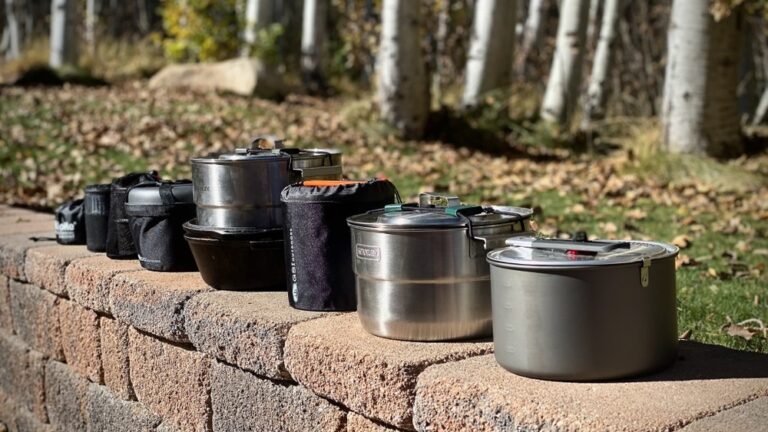
Camping pots come in various materials like aluminum, stainless steel, and titanium. Aluminum heats quickly and is usually cheaper. Stainless steel is tough and lasts long but heats slower. Titanium is light and strong but costs more. Choose a material that fits your budget and camping style. Check for pots with thick bottoms to avoid warping and improve heat distribution.
Size And Capacity
Pick a size that matches your group and meals. Small pots hold 1 to 1.5 liters, good for solo trips. Larger pots up to 3 liters fit families or groups. Avoid pots that are too big or too small. A pot too large wastes heat and fuel. Too small pots limit your cooking options. Think about what food you cook most often.
Weight Considerations
Weight is key for backpackers. Heavy pots add strain and slow you down. Aluminum and titanium pots weigh less than stainless steel. Consider the total weight of your cookware set. Light pots save energy and make packing easier. If you car camp, weight is less of a concern. Balance durability with how much you want to carry.
Collapsible Vs Rigid
Collapsible pots fold down to save space in your pack. They are made from silicone or flexible materials. Collapsible pots are great for saving room but may not be as durable. Rigid pots keep their shape and work well on any heat source. They are easier to clean and more stable on a stove. Choose collapsible if space is tight. Pick rigid for heavy-duty use and stability.

Credit: cafely.com
Essential Cooking Gear
Essential cooking gear forms the backbone of any camping kitchen. Choosing the right pots and accessories ensures meals cook evenly and cleanup stays simple. Well-matched gear reduces hassle and saves time. It makes outdoor cooking safer and more enjoyable. Knowing the compatibility and fuel options helps you pack smartly for your trip.
Camp Stove Compatibility
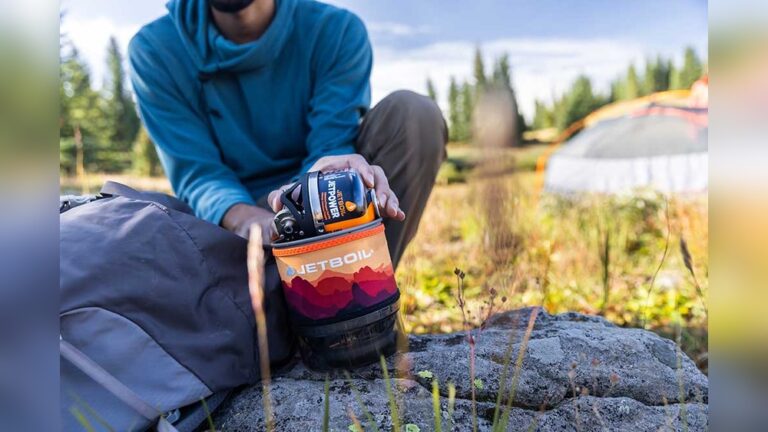
Select pots that fit your camp stove’s design. Some stoves work best with flat-bottomed pots. Others require specific pot shapes or sizes. Using incompatible pots wastes fuel and delays cooking. Check the stove’s instructions for recommended cookware. Stable pots prevent spills and accidents on uneven ground.
Utensils And Accessories
Bring lightweight, durable utensils that resist heat and rust. A spatula, spoon, and tongs cover most cooking needs. Collapsible or nesting utensils save space. Include pot grippers for safe handling. A small cutting board and knife aid meal prep. Clean-up tools like scrubbers help maintain your gear.
Fuel Types
Choose fuel that suits your stove and environment. Common types include canister gas, liquid fuel, and solid tablets. Canister gas is easy to use and clean. Liquid fuel works well in cold weather. Solid tablets are lightweight but burn quickly. Carry extra fuel to avoid running out mid-cooking.
Preparing For Camp Cooking
Preparing for camp cooking sets the stage for an enjoyable outdoor meal. It involves thoughtful planning and careful packing. Good preparation saves time and avoids stress at the campsite. It helps you cook efficiently using your camping pots. This section covers key steps to get ready for camp cooking.
Packing And Organization
Start by choosing the right camping pots for your trip. Use pots that fit your cooking needs and the number of people. Pack pots inside each other to save space. Carry lids and handles carefully to avoid damage. Organize utensils, fuel, and cleaning supplies in separate bags. Label bags for easy access. Keep all items dry and secure in your backpack or car.
Prepping Ingredients
Prepare ingredients before you leave home. Chop vegetables and measure spices in small containers. Use zip-lock bags to store pre-cut ingredients. Choose foods that cook quickly and store well. Avoid fresh foods that spoil fast. Carry easy-to-cook proteins like canned beans or dried meat. Plan simple recipes that need fewer pots and less time.
Safety Tips
Keep safety in mind during camp cooking. Store food properly to avoid attracting animals. Use a cooler or sealed containers to keep food fresh. Always have clean water for cooking and cleaning. Avoid cooking near dry grass or flammable materials. Use camping pots on stable, flat surfaces. Keep a fire extinguisher or water nearby in case of fire. Wash hands and utensils thoroughly to prevent illness.
Setting Up Your Cooking Area
Setting up your cooking area is the first step to enjoying a great meal outdoors. A well-prepared space makes cooking easier and safer. It also helps keep your camping pots clean and steady. This section guides you through the basics of arranging your outdoor kitchen.
Choosing A Safe Spot
Pick a flat area away from dry leaves and grass. Avoid spots under low branches or near tents. Clear the ground of sticks and rocks. This reduces fire risk and keeps your cooking safe. Make sure the spot has good airflow to avoid smoke buildup.
Wind And Weather Protection
Set up your cooking area where trees or rocks block the wind. Use a windscreen if the area is open. This keeps the flame steady and reduces fuel use. Check the weather forecast and prepare for rain or strong winds. Protect your pots and stove from sudden weather changes.
Stable Cooking Surface
Place your stove or burner on a firm, level surface. Use a camping table or a flat rock to keep pots steady. Avoid uneven ground to prevent spills and accidents. Secure your cooking pots so they don’t tip over while cooking. Stability is key to safe and efficient cooking.
Step By Step Cooking Process
Cooking with camping pots can feel simple and rewarding. Knowing the right steps helps you prepare tasty meals outdoors. Follow this step-by-step cooking process to use your camping pots effectively. Each method suits different dishes and cooking styles. Let’s explore how to boil, fry, and use multi-use techniques with your camping pots.
Boiling And Simmering
Start by filling your pot with water or broth. Place it on your camping stove or fire. Bring the liquid to a rolling boil to cook pasta, rice, or boil vegetables quickly. Once boiling, reduce heat to low for simmering. Simmering gently cooks soups and stews, blending flavors well. Keep the lid on to save heat and cook evenly. Stir occasionally to avoid sticking and burning.
Frying And Sauteing
Use a pot with a flat bottom for frying or sautéing. Add oil or butter and heat it until shimmering. Add chopped vegetables or meat to the hot oil. Stir frequently to cook food evenly and avoid burning. Frying gives food a crisp texture and rich flavor. Sauteing uses less oil and cooks food faster, perfect for quick meals. Adjust heat to prevent burning or undercooking.
Multi-use Techniques
Camping pots allow combining cooking methods. Start by sautéing onions or garlic, then add liquids to boil or simmer. Use the pot’s lid to trap steam and cook faster. You can also use the pot to steam vegetables by adding a small amount of water and covering it. This multi-use approach saves time and fuel. It also helps prepare diverse meals with one pot.
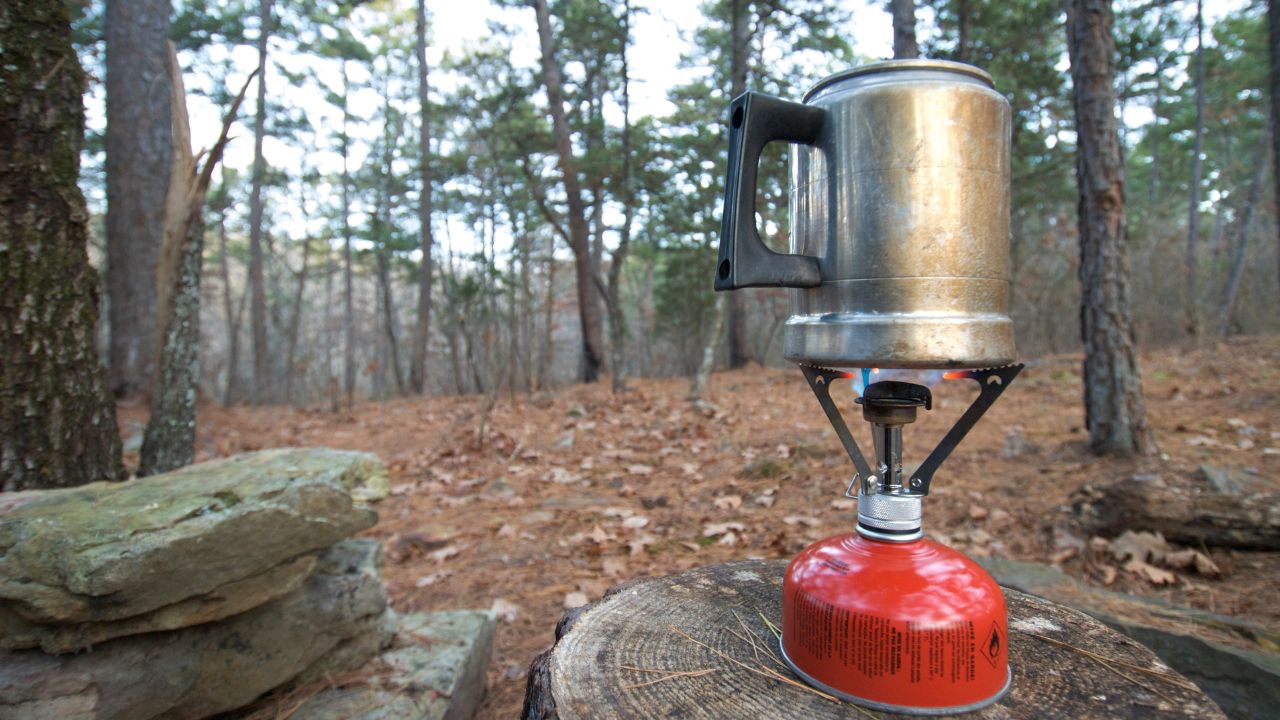
Credit: merinoprotect.com
Cleaning And Maintenance
Keeping your camping pots clean and well-maintained is key to enjoying outdoor cooking. Proper care helps avoid bad smells and rust. It also keeps your food tasting fresh and your pots lasting longer. Follow simple steps to clean and store your pots. These steps make camping cooking easier and more fun.
Cleaning Tips In The Wild
Use a small amount of biodegradable soap to clean your pots. Avoid harsh chemicals that can harm nature. Scrub gently with a sponge or cloth to remove food bits. Rinse pots with water collected from safe sources. If water is scarce, wipe pots with a wet cloth. Dry pots completely before packing to stop rust and mold.
Storing Pots Properly
Store pots in a dry, cool place to keep them safe. Use a cloth or paper towel between pots to stop scratches. Keep lids separate or upside down to allow air flow. Avoid stacking heavy items on top of your pots. Pack pots in a dedicated bag or container to protect them during travel. Proper storage keeps pots ready for your next trip.
Extending Cookware Life
Clean pots soon after use to prevent food stains. Avoid using metal utensils that can scratch the pot surface. Season cast iron pots with oil before storing to stop rust. Check pots regularly for dents or cracks and fix small issues quickly. Use pots only for cooking, not for heating or burning fires. Caring well means your pots will serve you for many trips.
Troubleshooting Common Issues
Troubles with camping pots can slow down your cooking and spoil your outdoor meal plans. Knowing how to fix common problems saves time and stress. This section helps you handle typical issues like stuck food, wind, and fuel use. Simple tips keep your cooking smooth and enjoyable during your trip.
Handling Stuck Food
Food often sticks to camping pots, especially if heat is uneven. To avoid this, use a little oil or butter before cooking. If food sticks, soak the pot in warm water right after use. Scrub gently with a soft brush or sponge. Avoid metal scrubbers that can damage the pot’s surface. For tough spots, boil water with a bit of baking soda inside the pot. This loosens burnt bits, making cleaning easier.
Dealing With Windy Conditions
Wind can blow out your stove flame or cool your pot quickly. Place a windscreen around your stove to block strong gusts. Use natural barriers like rocks or trees if you lack a windscreen. Cook in a sheltered spot whenever possible. Keep the pot close to the stove to trap heat. These steps help maintain a steady cooking temperature and save fuel.
Managing Fuel Efficiency
Fuel runs out fast if you cook inefficiently. Use pots that match your stove size to avoid heat loss. Cover pots with lids to keep heat inside and cook faster. Cut food into small pieces to reduce cooking time. Avoid opening the lid too often, as it lets heat escape. Pre-measure water to only what you need. These habits stretch your fuel supply for longer outdoor cooking.
Advanced Outdoor Cooking Tips
Advanced outdoor cooking takes camping meals beyond basic boiling and frying. It means using your camping pots with skill and creativity. These tips help you cook tastier food and handle your gear better. Enjoy more delicious meals on every trip.
Using Cast Iron Pots
Cast iron pots hold heat well and cook evenly. Before camping, season your pot with oil to stop rust. Use low to medium heat to avoid burning food. Clean with hot water and a brush; skip soap. Dry it fully to keep it ready for next use. Cast iron is heavy but perfect for stews and frying.
Cooking For Groups
Cooking for many needs bigger pots and good planning. Use large camping pots to make soups or pasta in bulk. Cook in stages: start with ingredients that take longest. Stir often to prevent food sticking or burning. Prepare simple, one-pot meals to save time and fuel. Share cooking tasks among campers for smooth meals.
Creative Recipes
Try new recipes to enjoy your camping pots more. Make breakfast hash with potatoes, eggs, and veggies. Cook chili or curry that tastes better after simmering. Use leftover bread to make a quick pudding or bread pudding. Mix fresh herbs and spices for extra flavor. Experimenting keeps meals exciting and fun outdoors.
Frequently Asked Questions
What Materials Are Best For Camping Pots?
Camping pots made from stainless steel, aluminum, and titanium are popular. Stainless steel is durable, aluminum heats quickly, and titanium is lightweight. Choose based on your weight preference and cooking needs for the best camping experience.
How Do I Clean Camping Pots Effectively?
Clean pots promptly after use with warm water and mild soap. Avoid harsh abrasives to preserve the pot’s surface. For stubborn stains, soak in warm soapy water before scrubbing gently.
Can Camping Pots Be Used On Any Stove?
Most camping pots are compatible with camp stoves, but check manufacturer guidelines. Flat-bottomed pots work best on regular stoves. Avoid using specialized cookware like Reactor pots on incompatible stoves for safety.
How To Prevent Food From Sticking In Camping Pots?
Use a small amount of oil or butter before cooking. Preheat the pot slightly to reduce sticking. Stir frequently and avoid cooking at excessively high heat to keep food from sticking.
Conclusion
Using camping pots makes outdoor cooking simple and fun. Follow each step to prepare meals safely and easily. Clean your pots well to keep them ready for next time. Pack smart to save space and weight in your bag. Enjoy fresh, warm food on every trip with confidence.
Practice these tips and cooking outdoors will feel natural. Keep learning and trying new recipes to enhance your camping experience. Happy camping and happy cooking!

I am an outdoor enthusiast and gear researcher passionate about camping, hiking, backpacking, and outdoor adventures. I enjoy testing gear, comparing products, and sharing practical advice to help readers make informed decisions. At BestOutsideGear, I create honest gear reviews, buying guides, and outdoor tips to help adventurers choose the right equipment with confidence.