How to Cook a Philly Cheesesteak on Griddle for Juicy Results
Cooking a thin-sliced beef sandwich on a flat surface requires high heat and fast movement to maintain juicy meat while charring the edges. You’ll need a flat iron or stainless steel surface preheated to 400°F, which allows the beef to sear in under 60 seconds without turning gray or rubbery.
How to Prepare the Beef and Vegetables

To achieve the best result, your thin-sliced ribeye or sirloin should be nearly frozen before you start slicing. Use a sharp knife to cut the meat into paper-thin strips across the grain, as this ensures the beef is tender even after a quick sear. Keep your vegetables, typically onions and green bell peppers, chopped into uniform strips so they cook at the same rate as the meat.
- Preheat your surface: Set your burner to high until a drop of water dances on the metal, usually taking about 8 to 10 minutes.
- Oil the surface: Add 2 tablespoons of high-smoke-point oil like avocado or grapeseed to the center of the cooking area.
- Sauté the vegetables: Toss in your sliced onions and peppers first, spreading them out to create a single layer for even browning.
- Sear the beef: Move the vegetables to the side and place the beef directly onto the hot metal, spreading it out immediately to avoid steaming.
- Combine and season: Once the beef edges are brown, mix the vegetables into the meat and add salt and black pepper to taste.
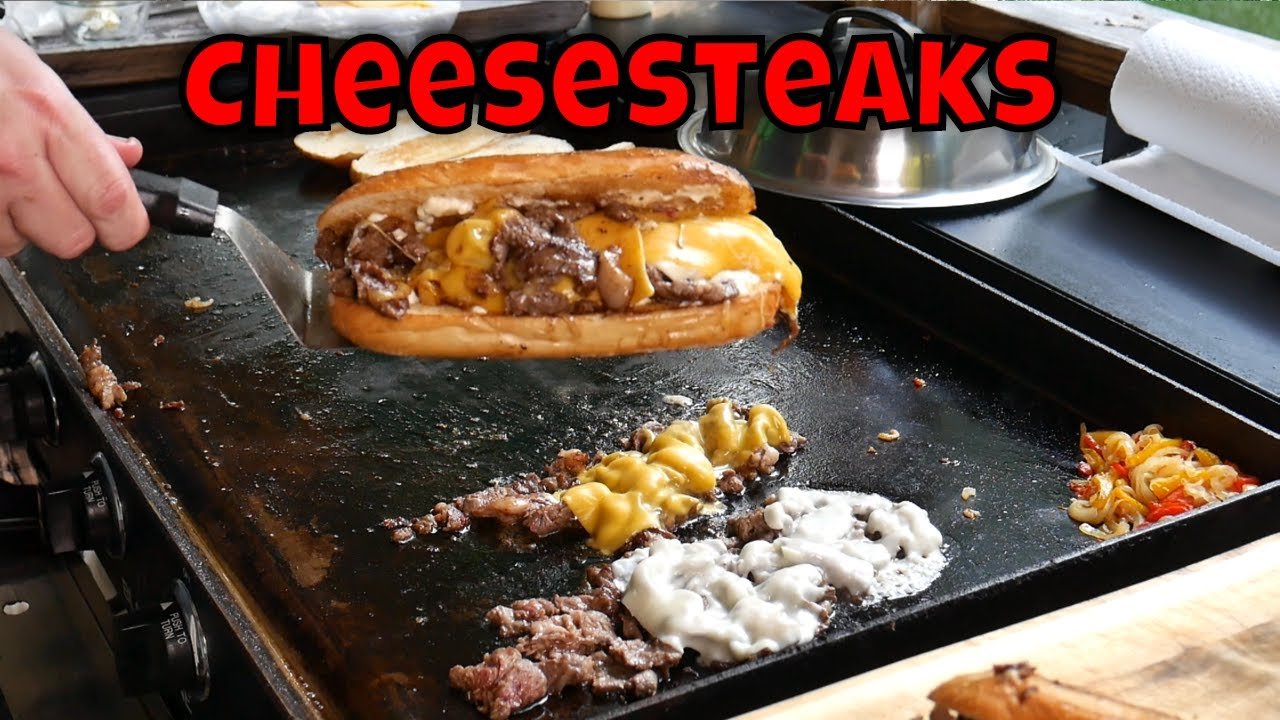
- Melt the cheese: Pile the mixture into a loose mound, place 2 slices of provolone or American cheese on top, and cover with a metal bowl for 30 seconds.
- Serve immediately: Slide the cheesy mixture onto a toasted hoagie roll using a wide metal spatula.
Tip: Keep your workspace organized by pre-portioning all ingredients into small bowls before you turn on the heat, as the cooking process moves very quickly.
Essential Heat and Timing Guidelines
Managing the temperature is the difference between a crusty, flavorful sandwich and a pile of steamed, gray meat. Because the meat is so thin, it doesn’t need long cooking times; it only needs to touch the hot surface long enough to develop a dark brown color.
If you overload the surface, the temperature will drop, the meat will release its juices, and the texture will become tough. Never crowd more than half a pound of meat onto the surface at once. If the beef sits in liquid, your surface isn’t hot enough, or you’ve added too much at once.
| Ingredient | Heat Setting | Cook Time |
|---|---|---|
| Sliced Ribeye | High Heat | 45-60 seconds |
| Sliced Onions | Medium-High Heat | 4-6 minutes |
| Green Peppers | Medium-High Heat | 3-5 minutes |
| Cheese Slices | Residual Heat | 30 seconds |
Always keep the meat in a single layer for the first 30 seconds of cooking. You’ll know the heat is correct if you hear a loud, aggressive sizzle the moment the beef hits the metal.
If you’re cooking on a home stovetop rather than a commercial flat-top, use a cast-iron skillet. It retains heat better than stainless steel, preventing the rapid temperature dip that ruins the sear. If the meat begins to gray before it browns, increase the burner setting for the next batch.
Common Mistakes That Ruin the Texture

Many people use meat that’s too thick, which requires longer cooking times and results in a chewy, tough bite. Aim for slices no thicker than a quarter-inch. This ensures the center reaches the target temperature before the exterior turns into leather.
Stick to ribeye or sirloin, as these cuts have enough intramuscular fat to stay moist under high heat. Avoid lean cuts like round steak unless you’re extremely careful, as they dry out almost instantly when exposed to high surface temperatures.
Another frequent error is using a non-stick pan that can’t handle the high heat required for a proper sear. Use a heavy-duty steel or cast-iron griddle to ensure consistent heat distribution. If the metal smokes before the meat hits the surface, you have reached the ideal temperature.
Don’t over-season the meat before it hits the heat. Salt draws out moisture, so add it only when you’re mixing the meat and vegetables together. If you salt too early, the meat will steam in its own juices rather than searing. According to the USDA Food Safety and Inspection Service, ground beef should reach 160°F, but thin-sliced steak is safe to eat as soon as it reaches a medium-rare to medium internal temperature, provided the surface is clean.
Related guides
- Master Outdoor Cooking Guide Using Camping Pans
- Best Camping Pots Safety Tips for Safe Outdoor Cooking
Frequently Asked Questions
Can I use a different type of cheese?
Yes, mild provolone or white American cheese are the standard choices because they melt into a creamy texture without overpowering the beef. You can use mozzarella if you prefer a milder flavor, but avoid aged cheeses like sharp cheddar that may separate into oil when heated.
Is it necessary to toast the bread?
Toasting the roll is essential because it prevents the bread from becoming soggy under the weight of the meat and cheese. Use a bit of butter on the cut side of the roll and place it on the cooler edge of your griddle until it turns golden brown.
How do I clean the surface after cooking?
While the metal is still warm, scrape away any burnt bits with a stiff metal spatula and wipe it down with a damp cloth. Avoid using harsh soaps on seasoned cast iron, as you want to preserve the layer of oil that prevents sticking for your next meal.
Conclusion
Focus on keeping your beef slices as thin as possible and ensure your surface is fully preheated before you drop the first ingredient. Practice your technique with a smaller portion first to learn how your specific burner handles heat. Once you master the timing, you’ll find that the process takes less than 10 minutes from start to finish.
{“@context”:”https://schema.org”,”@type”:”FAQPage”,”mainEntity”:[{“@type”:”Question”,”name”:”Can I use a different type of cheese?”,”acceptedAnswer”:{“@type”:”Answer”,”text”:”Yes, mild provolone or white American cheese are the standard choices because they melt into a creamy texture without overpowering the beef. You can use mozzarella if you prefer a milder flavor, but avoid aged cheeses like sharp cheddar that may separate into oil when heated.”}},{“@type”:”Question”,”name”:”Is it necessary to toast the bread?”,”acceptedAnswer”:{“@type”:”Answer”,”text”:”Toasting the roll is essential because it prevents the bread from becoming soggy under the weight of the meat and cheese. Use a bit of butter on the cut side of the roll and place it on the cooler edge of your griddle until it turns golden brown.”}},{“@type”:”Question”,”name”:”How do I clean the surface after cooking?”,”acceptedAnswer”:{“@type”:”Answer”,”text”:”While the metal is still warm, scrape away any burnt bits with a stiff metal spatula and wipe it down with a damp cloth. Avoid using harsh soaps on seasoned cast iron, as you want to preserve the layer of oil that prevents sticking for your next meal.”}}]}
I am an outdoor enthusiast and gear researcher passionate about camping, hiking, backpacking, and outdoor adventures. I enjoy testing gear, comparing products, and sharing practical advice to help readers make informed decisions. At BestOutsideGear, I create honest gear reviews, buying guides, and outdoor tips to help adventurers choose the right equipment with confidence.