How to Cook Teriyaki Chicken on Griddle Surfaces Perfectly
Cooking flavorful teriyaki chicken on griddle surfaces takes 12 to 15 minutes of active heat time, depending on the thickness of your protein. You’ll achieve the best results by searing the chicken until it reaches an internal temperature of 165°F and then applying the glaze only during the final 2 minutes to prevent the sugars from burning on the hot metal.
Cooking Teriyaki Chicken on the Griddle
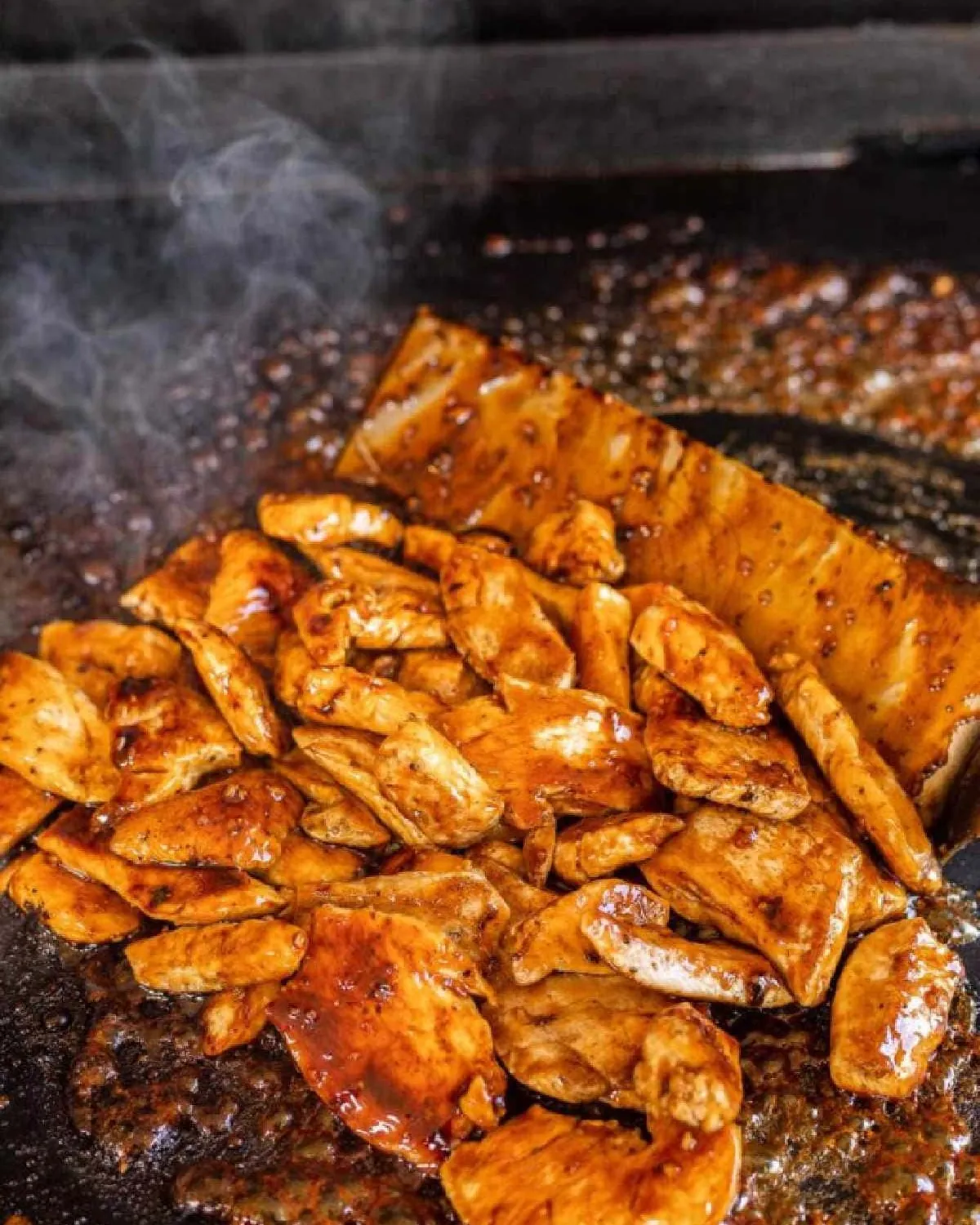
Getting the right texture requires managing the heat and the timing of your sauce. Use boneless, skinless thighs for the best flavor, as they stay moist under high heat.
Cut the chicken into uniform 1-inch strips or bite-sized chunks so they cook evenly across the surface. If you slice them thinner than an inch, they will turn rubbery before the glaze caramelizes.
Set your griddle to medium-high heat, roughly 375°F, and lightly coat it with a high-smoke-point oil like avocado or grapeseed. If the oil begins to smoke aggressively, turn the heat down immediately to prevent a bitter, burnt flavor.
Place the chicken in a single layer on the hot surface. Don’t crowd the pieces, as overlapping causes the meat to steam rather than sear. You want at least half an inch of space between each strip.
Cook for 4 to 5 minutes on the first side without moving them. Flip only once the edges turn opaque white and the bottom is deeply browned.
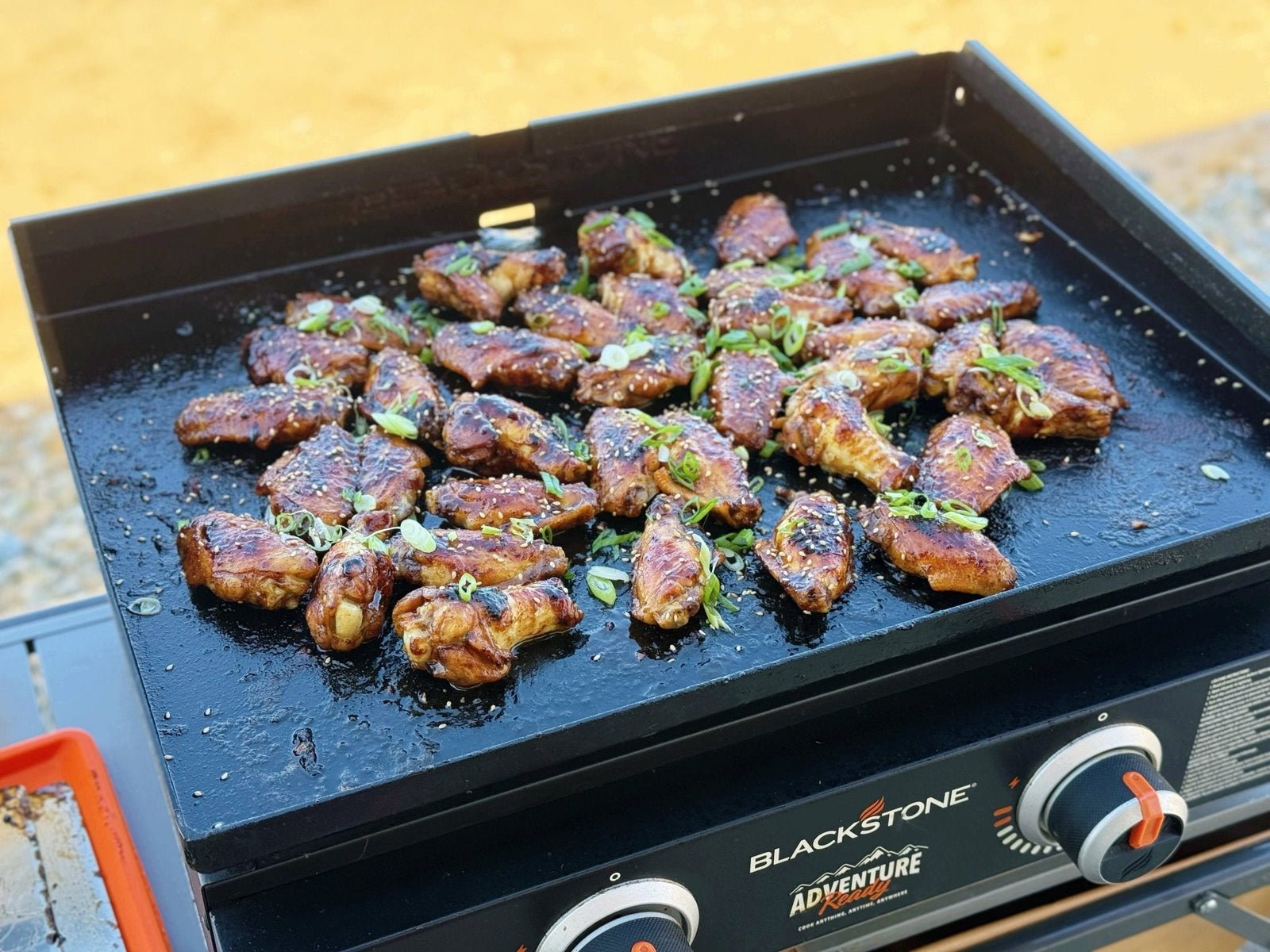
Once the chicken is cooked through, pour your teriyaki sauce over the pieces. Toss them with a spatula for 1 to 2 minutes until the sauce reduces into a sticky, glossy lacquer. If the sauce pools at the bottom of the pan instead of clinging to the meat, keep tossing until the liquid evaporates.
Remove the chicken immediately to a plate and let it rest for 3 minutes before serving. This pause allows the fibers to relax and the juices to redistribute.
Keep your sauce in a squeeze bottle for easy application. This allows you to coat the chicken quickly without dumping too much liquid onto the hot surface, which would otherwise ruin your crust.
Important Temperature and Timing Guide
Managing your heat is the most effective way to avoid burnt sugar and undercooked centers. Use this table to track your progress based on the cut of meat you choose.
| Chicken Cut | Sear Time (Total) | Glaze Time | Internal Temp |
|---|---|---|---|
| Thin Strips | 6-8 minutes | 1 minute | 165°F |
| Cubed Thighs | 8-10 minutes | 2 minutes | 165°F |
| Whole Breasts | 12-15 minutes | 2 minutes | 165°F |
If you’re cooking for a crowd, pull the meat from the heat when the thermometer reads 160°F. The temperature will climb the final five degrees while the chicken rests on the cutting board. If you wait until the gauge hits 165°F inside the pan, the carry-over heat will push the internal temperature too high. This results in dry, stringy meat that loses its moisture almost immediately.
Always check the thickest part of the largest piece in the pan. If you have a mix of sizes, pull the smaller strips out early and set them aside on a warm plate. This prevents the thin pieces from turning into leather while the larger breasts finish cooking.
The USDA confirms that all poultry must reach a safe internal temperature of 165°F to eliminate harmful bacteria. A digital meat thermometer is the only reliable way to confirm your chicken is ready. The dark color of a caramelized glaze often masks the true appearance of the meat, making visual checks dangerous.
Common Mistakes That Ruin the Result

Many people struggle with burnt sauce or tough meat because they add the glaze too early. Teriyaki sauce contains high amounts of sugar, which caramelizes rapidly and turns bitter if it spends more than 2 minutes on a surface heated above 350°F. If you find your griddle is getting too dark, turn the heat down to low the moment you pour the sauce.
Another frequent error is overcrowding the griddle surface. When you pack too many pieces of chicken together, the temperature of the metal drops, and the meat begins to steam in its own juices rather than searing. This results in gray, rubbery chicken instead of the crispy, browned edges you want. If you’re cooking for a large group, work in smaller batches to maintain the heat intensity.
Leave at least half an inch of space between each piece of meat. If the pieces touch, the moisture released by the chicken creates a localized cooling effect that prevents the Maillard reaction. You’ll know you have overcrowded the pan if the liquid pooling around the chicken stays clear rather than bubbling into a golden-brown syrup.
If you’re cooking for more than four people, don’t try to fit everything at once. Cook in two distinct rounds to ensure every piece hits a hot surface.
Related guides
- How to Cook Anywhere With Camping Pans While Travel
- How to Choose Camping Pans for Outdoor Cooking
- How to Use Camping Cookware Set for Best Outdoor Cooking
Frequently Asked Questions
Can I use store-bought sauce for this method?
Yes, you can use any bottled teriyaki sauce, but check the sugar content on the label. Thinner, more liquid sauces work better for glazing, while thick, syrupy versions will burn almost instantly on a hot griddle.
What should I do if the chicken starts sticking?
If the meat begins to stick, your surface likely needs more oil or a higher heat setting. Don’t try to force the chicken off the metal; wait an extra 30 seconds, as the meat will naturally release from the surface once a proper crust has formed.
Is it safe to reheat leftover teriyaki chicken?
Yes, store your leftovers in an airtight container in the refrigerator for no more than 3 days. When reheating, ensure the chicken reaches an internal temperature of 165°F again to remain safe for consumption.
Conclusion
Before your next cooking session, verify the calibration of your digital thermometer in a glass of ice water to ensure it reads 32°F accurately. Consistent temperature checks will give you the confidence to pull the chicken off the heat at the exact moment it finishes cooking.
{“@context”:”https://schema.org”,”@type”:”FAQPage”,”mainEntity”:[{“@type”:”Question”,”name”:”Can I use store-bought sauce for this method?”,”acceptedAnswer”:{“@type”:”Answer”,”text”:”Yes, you can use any bottled teriyaki sauce, but check the sugar content on the label. Thinner, more liquid sauces work better for glazing, while thick, syrupy versions will burn almost instantly on a hot griddle.”}},{“@type”:”Question”,”name”:”What should I do if the chicken starts sticking?”,”acceptedAnswer”:{“@type”:”Answer”,”text”:”If the meat begins to stick, your surface likely needs more oil or a higher heat setting. Don’t try to force the chicken off the metal; wait an extra 30 seconds, as the meat will naturally release from the surface once a proper crust has formed.”}},{“@type”:”Question”,”name”:”Is it safe to reheat leftover teriyaki chicken?”,”acceptedAnswer”:{“@type”:”Answer”,”text”:”Yes, store your leftovers in an airtight container in the refrigerator for no more than 3 days. When reheating, ensure the chicken reaches an internal temperature of 165°F again to remain safe for consumption.”}}]}
I am an outdoor enthusiast and gear researcher passionate about camping, hiking, backpacking, and outdoor adventures. I enjoy testing gear, comparing products, and sharing practical advice to help readers make informed decisions. At BestOutsideGear, I create honest gear reviews, buying guides, and outdoor tips to help adventurers choose the right equipment with confidence.