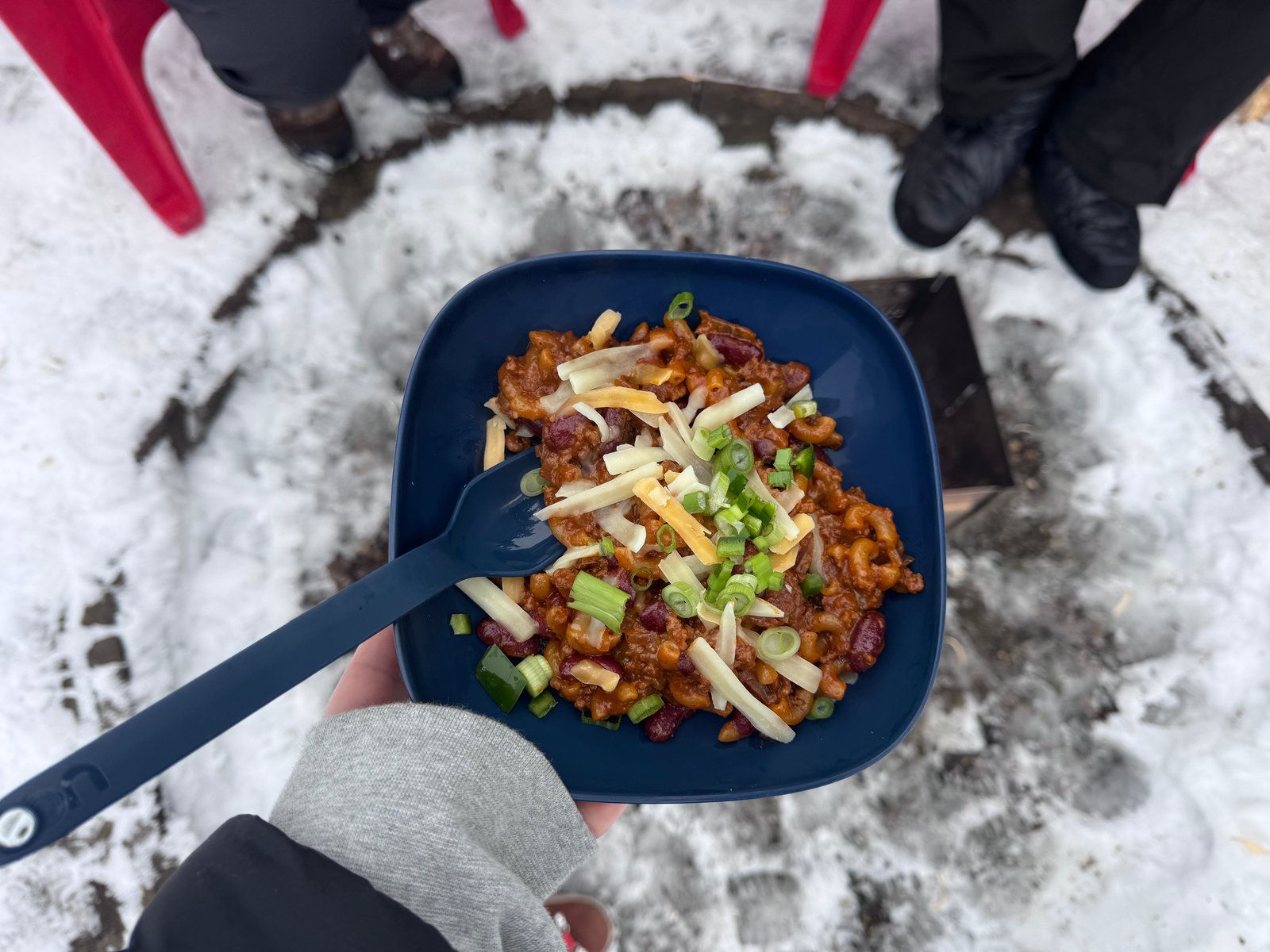
One Pan Griddle Camping Meals: Simple Recipes and Techniques
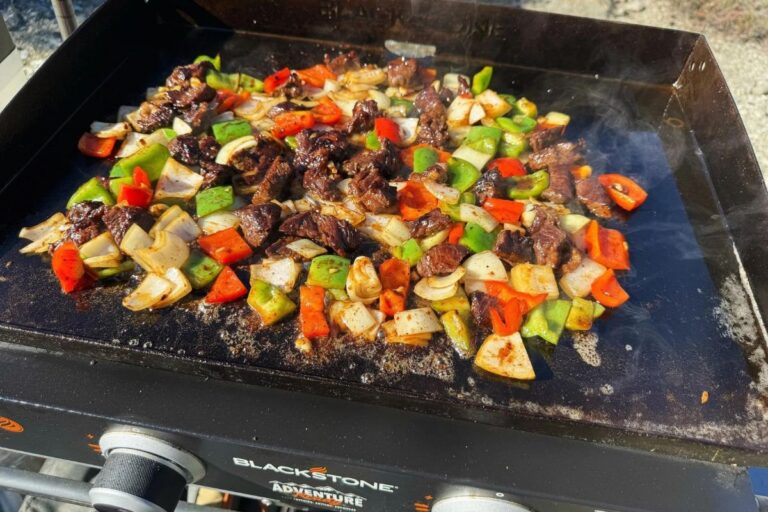
You can prepare one pan griddle camping meals by cooking proteins and vegetables together on a flat surface, usually taking 15 to 25 minutes to finish a complete dish. This method works best with thin, pre-cut ingredients that reach a safe internal temperature quickly, allowing you to feed a group without using multiple pots or pans.
How to Cook One Pan Griddle Camping Meals
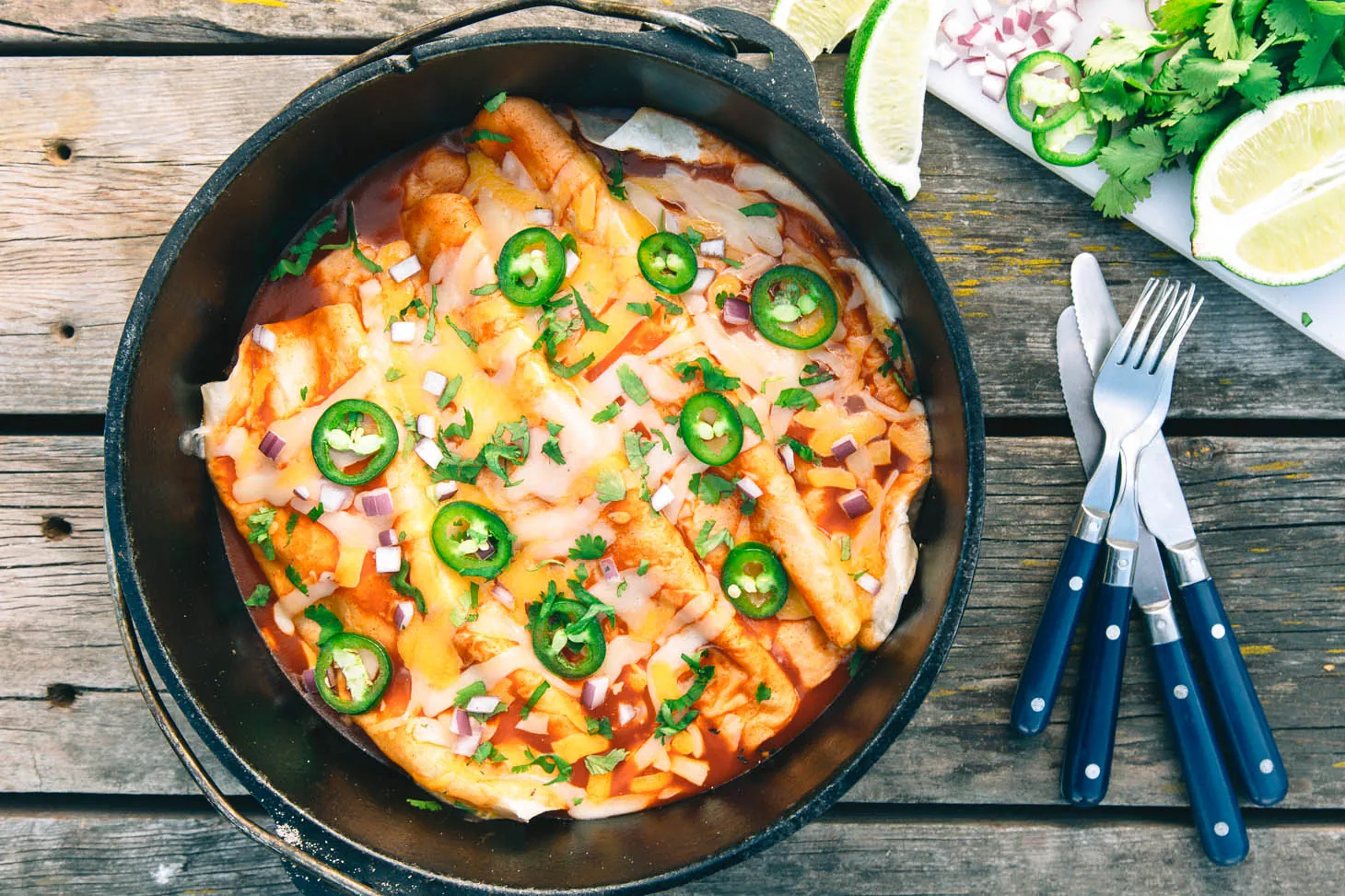
Cooking on a flat-top griddle allows you to manage different food groups at once. You should keep your heat source steady and arrange items by how long they need to cook.
Light your burner and let the griddle heat for 5 minutes until it’s evenly hot across the entire plate. If you drop food onto a cold surface, it will stick and steam rather than sear.
Use a small amount of oil with a high smoke point, such as avocado or canola oil, to coat the surface before adding ingredients. Avoid butter, as the milk solids will burn and turn bitter within seconds on a hot griddle.
Place meats or firm vegetables that require longer cooking times on the hottest section of the griddle first. If your griddle has a hot spot, usually directly over the burner, keep your raw proteins there.
Move items that finish faster, such as sliced peppers, onions, or pre-cooked potatoes, to the cooler edges or add them during the final 5 minutes. If you crowd the surface, the temperature will drop and cause the food to boil in its own juices.
Ensure all meat reaches the internal temperature recommended by the USDA to prevent foodborne illness. Use a digital probe thermometer to check the thickest part of the meat.
Toss everything together once the proteins are fully cooked and the vegetables are tender, then remove from the heat immediately.
Recommended Timing and Temperatures
Because griddles have different heat zones, you should adjust your placement based on the density of the food. Thinly sliced items will always cook faster than thick chunks, so consistency in your prep work is vital.
| Ingredient Type | Cook Time (Minutes) | Heat Zone |
|---|---|---|
| Thin Sliced Steak | 4 – 6 | Center (High) |
| Chicken Strips | 8 – 12 | Center (High) |
| Sliced Bell Peppers | 5 – 7 | Edge (Medium) |
| Pre-cooked Potatoes | 6 – 8 | Edge (Medium) |
| Mushrooms | 4 – 5 | Edge (Low) |
If your steak is thicker than one inch, move it to the edge after the initial sear to finish through indirect heat.
The most common mistake is overcrowding the surface, which causes the temperature to plummet and leads to steaming rather than browning. If moisture pools around your ingredients, you have added too much at once. Pull half the portion off immediately to recover the heat. If you’re cooking for a crowd, work in batches rather than filling every square inch of the metal.
Common Mistakes to Avoid
Many campers struggle with heat control or overcrowding the surface. If you pile too much food on at once, the temperature drops, and your ingredients will steam instead of sear. This leads to mushy vegetables and pale, unappealing proteins. Aim for at least an inch of space between items to ensure the surface remains hot enough to trigger the Maillard reaction.
Another error is failing to scrape the surface as you cook. Burnt bits from a previous batch will stick to your new food, creating a bitter taste that’s hard to mask. Keep a stiff metal spatula handy to clear the grate between every batch.
If you find your food is burning on the outside but raw in the center, you’re likely using too much heat. Drop your flame to a lower setting immediately. Use a metal lid or a foil tent to trap heat and finish the cooking process safely. If you’re cooking thick cuts of meat, move them to the cooler edge of the grill to finish slowly.
Is It Safe to Clean the Griddle While It’s Still Hot?
Below this range, fats congeal and become stubborn; above it, your cleaning pads will melt or char instantly.
Always use a long-handled stainless steel scraper to maintain a safe distance from rising steam. If you notice the metal smoking heavily, you have waited too long and the surface is too hot for a safe, effective clean.
Many beginners make the mistake of using cold water to shock the metal clean. This thermal shock often warps the griddle plate, leading to uneven cooking surfaces that cost hundreds to resurface. If the griddle is above 350°F, let it cool naturally before applying any liquid.
Frequently Asked Questions
Can I use a standard camping stove for these meals?
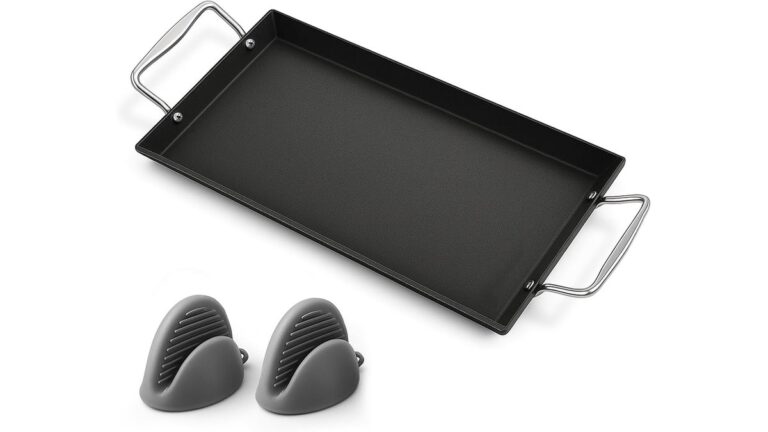
Yes, you can place a portable flat-top griddle plate directly over a standard two-burner camping stove. Just ensure the plate is stable and doesn’t block the airflow to the burners, which can cause the gas to burn inefficiently or damage the stove components.
Should I marinate my meat before I leave home?
Yes, marinating meat in a sealed bag before you head out saves time and adds flavor. Keep the bag in a cold cooler below 40°F until the moment you’re ready to cook to prevent bacteria growth during transport.
What if I don’t have a dedicated camping griddle?
A heavy-duty cast iron skillet serves as an excellent, compact alternative to a griddle. It offers comparable heat retention and searing power, making it ideal for smaller portions or solo camping trips. While it lacks a large surface area, it remains a highly effective tool for outdoor cooking.
Conclusion
Once you’ve enjoyed your meal, cleaning up is just as simple. Just wipe the surface while it’s still warm, and you’ll be ready to relax by the fire. Don’t forget to pack a few extra spices for your next trip; they’ll make your future outdoor dinners taste even better.
{“@context”:”https://schema.org”,”@type”:”FAQPage”,”mainEntity”:[{“@type”:”Question”,”name”:”Can I use a standard camping stove for these meals?”,”acceptedAnswer”:{“@type”:”Answer”,”text”:”Yes, you can place a portable flat-top griddle plate directly over a standard two-burner camping stove. Just ensure the plate is stable and doesn’t block the airflow to the burners, which can cause the gas to burn inefficiently or damage the stove components.”}},{“@type”:”Question”,”name”:”Should I marinate my meat before I leave home?”,”acceptedAnswer”:{“@type”:”Answer”,”text”:”Yes, marinating meat in a sealed bag before you head out saves time and adds flavor. Keep the bag in a cold cooler below 40°F until the moment you’re ready to cook to prevent bacteria growth during transport.”}},{“@type”:”Question”,”name”:”What if I don’t have a dedicated camping griddle?”,”acceptedAnswer”:{“@type”:”Answer”,”text”:”A heavy-duty cast iron skillet serves as an excellent, compact alternative to a griddle. It offers comparable heat retention and searing power, making it ideal for smaller portions or solo camping trips. While it lacks a large surface area, it remains a highly effective tool for outdoor cooking.”}}]}
I am an outdoor enthusiast and gear researcher passionate about camping, hiking, backpacking, and outdoor adventures. I enjoy testing gear, comparing products, and sharing practical advice to help readers make informed decisions. At BestOutsideGear, I create honest gear reviews, buying guides, and outdoor tips to help adventurers choose the right equipment with confidence.