Maintenance Tips for Multi-Fuel Stove: Essential Care for Longevity
If you rely on your multi-fuel stove to keep your home warm and cozy, you know how important it is to keep it running smoothly. But did you know that simple maintenance steps can boost your stove’s efficiency, save you money, and extend its life?
Whether you use wood, coal, or other fuels, taking care of your stove is easier than you might think. You’ll discover practical tips that help you clean, inspect, and maintain your stove like a pro. Keep reading to learn how a little regular care can make a big difference in your stove’s performance and safety.
Credit: www.stovax.com
Routine Cleaning
Routine cleaning keeps your multi-fuel stove working well and safe. It helps avoid blockages and improves heating efficiency. Regular care also extends the stove’s life and keeps it looking good.
Removing Ash
Remove ash after every use once the stove cools down. Use an ash shovel or small brush to clear the firebox. Leave a thin layer of ash to help insulate the firebed. Empty ash into a metal container with a lid. Store it outside to prevent fire hazards.
Cleaning Glass Door
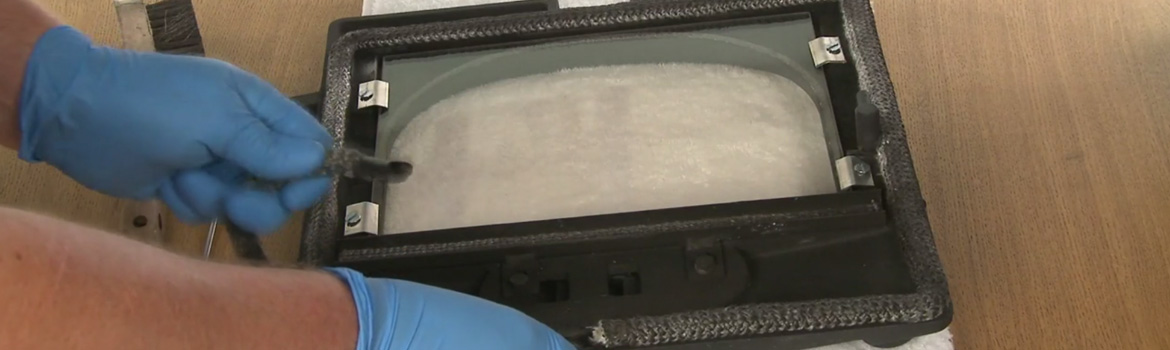
Clean the glass door weekly to keep a clear view of the flames. Use a damp cloth or special stove glass cleaner. Avoid abrasive materials that can scratch the glass surface. For tough stains, try dipping a paper towel in ash and gently rubbing. Always clean when the stove is cold to avoid damage.
Clearing Baffle Plate
Check the baffle plate every few weeks for soot and debris buildup. Remove the plate carefully following the manufacturer’s instructions. Use a wire brush or scraper to clean off residue. A clean baffle plate ensures proper airflow and better fuel burning. Replace the plate correctly to keep the stove functioning safely.
Inspecting Seals And Components
Regularly inspecting the seals and components of your multi-fuel stove keeps it safe and efficient. Seals prevent air leaks that reduce stove performance. Components like door hinges and handles must work smoothly. Small issues can cause bigger problems if not addressed early. Careful checks help catch wear and tear before damage occurs. This section covers key steps for inspecting seals and parts.
Checking Door Seals
Door seals stop air from entering the stove uncontrolled. Over time, seals can crack or shrink. Check seals by closing the door on a thin piece of paper. If the paper slips out easily, the seal may need replacing. Look for gaps or damage along the seal’s length. Clean seals gently to remove dust and debris. Avoid harsh chemicals that can weaken the material. Good seals improve heat efficiency and reduce smoke leaks.
Replacing Worn Parts
Worn parts reduce stove safety and efficiency. Inspect handles, hinges, and glass panels for cracks or looseness. Replace any parts that show signs of wear or damage. Use parts recommended by the stove manufacturer. Fit replacements carefully to maintain stove integrity. Regular part replacement extends stove life and keeps it working properly. Keep a maintenance log to track part changes and inspections.
Air Vent Management
Managing the air vents on your multi-fuel stove is key for efficient burning. Proper control of airflow affects how well your stove heats and how cleanly it burns fuel. Understanding how to adjust these vents helps you save fuel and maintain a steady fire.
Optimizing Airflow
Air vents allow oxygen to reach the fire. More oxygen means hotter, faster burning. Too much air cools the fire and wastes fuel. Too little air causes smoke and poor burning. Adjust vents to find the right balance for your fuel type. Check vents for blockages regularly. Clean vents help air flow smoothly.
Adjusting Vents During Use
Open vents fully when lighting the fire. This helps fuel catch fire quickly. Once flames are strong, reduce vent openings to control the burn rate. Small adjustments keep the fire steady without wasting fuel. Watch the fire often and change vent settings as needed. Closing vents too much can cause smoke and damage the stove.
Fuel Handling Tips
Handling fuel correctly is key to keeping your multi-fuel stove working well. Proper fuel management helps the fire burn clean and strong. It also reduces smoke and saves fuel.
Follow these simple tips to manage your fuel safely and efficiently. Use the right materials and add them at the right time. This approach keeps your stove safe and extends its life.
Using Proper Firelighters
Choose firelighters made for multi-fuel stoves. Avoid using paper or cardboard as they can cause smoke and residue. Light firelighters directly to start the fire quickly.
Place firelighters under small kindling pieces for fast ignition. Never use flammable liquids. They can damage your stove and are dangerous.
Adding Kindling
Add dry kindling in small pieces to build your fire base. Kindling burns fast and helps larger fuel catch fire. Place kindling loosely to allow air flow.
Do not overload the stove with kindling. Add more only when the fire is steady. This keeps the fire burning evenly and cleanly.
Choosing Suitable Fuel
Use dry, seasoned wood or approved solid fuels for your stove. Wet or green wood creates smoke and clogs the stove. Avoid softwoods that produce excessive soot.
Choose fuels that fit your stove’s specifications. Check the manufacturer’s guide for recommended fuel types. Using correct fuel improves heat output and reduces maintenance.
Professional Servicing
Professional servicing keeps your multi-fuel stove safe and efficient. A trained technician checks all parts for wear and damage. They clean areas you cannot reach easily. This service helps prevent breakdowns and costly repairs. Scheduling regular professional visits extends the life of your stove.
Annual Inspection
Book an annual inspection with a certified stove technician. They examine the stove’s body, seals, and controls. The expert checks for cracks or corrosion. They also test the air vents and safety features. This inspection ensures your stove works correctly all year.
Chimney Sweeping Frequency
Chimney sweeping is essential to remove soot and blockages. Schedule chimney cleaning at least twice a year. More frequent cleaning may be needed if you use the stove daily. A clean chimney improves airflow and reduces fire risks. Professionals use special tools to clear creosote buildup safely.

Credit: gaslandchef.com
Common Maintenance Tools
Maintaining a multi-fuel stove requires the right tools for effective cleaning and upkeep. Using common maintenance tools helps keep your stove safe and working well. These tools make the cleaning process easier and protect your stove from damage. Knowing which tools to have on hand is important for any stove owner.
Multi-tool Essentials
A multi-tool is a handy device with several functions. It usually includes pliers, screwdrivers, and a small knife. This tool helps with minor repairs and adjustments on your stove. Having a multi-tool ready allows quick fixes without the need for many separate tools. It also helps in tightening screws or removing small parts safely.
Cleaning Brushes And Scrapers
Cleaning brushes come in different sizes and shapes. They remove ash, soot, and debris from the stove’s interior and flue. A stiff-bristle brush works well for tough buildup. Scrapers help clear stubborn residue from surfaces like the glass door or baffle plate. Using these tools regularly prevents blockages and improves stove efficiency.
Troubleshooting Common Issues
Troubleshooting common issues helps keep your multi-fuel stove working well. Regular checks and simple fixes prevent bigger problems. Understanding common faults lets you act quickly and safely.
Dealing With Smoke Problems
Smoke inside the room signals a problem. Check if the chimney is blocked by soot or debris. Clean the chimney regularly to allow smoke to escape.
Also, ensure the stove door seals properly. Worn or damaged seals let smoke leak into the room. Replace seals if they are cracked or broken.
Another cause is damp or unseasoned fuel. Use dry, seasoned wood or approved fuels only. Wet fuel creates more smoke and soot buildup.
Fixing Poor Combustion
Poor combustion means the fire burns weakly or produces more smoke. Check that air vents are open enough to supply oxygen. Adjust vents to improve airflow.
Too much ash can block air passages inside the stove. Remove ash regularly to keep airflow clear. Do not let ash build up more than one inch deep.
Fuel size affects combustion too. Use smaller pieces of wood or coal for better burning. Large logs take longer to catch fire and burn unevenly.

Credit: www.sjjohnson.com
Maximizing Stove Longevity
Maximizing the life of your multi-fuel stove ensures better performance and safety. Proper care helps your stove last many years. Follow simple steps to protect your investment and avoid costly repairs. Regular attention keeps the stove efficient and reliable.
Avoiding Moisture Damage
Moisture causes rust and weakens stove parts. Keep the stove dry, especially during wet seasons. Use a stove cover when not in use. Check seals and door gaskets for tightness to stop damp air entry. Store fuel in a dry place to reduce moisture buildup.
Regular Use Benefits
Using the stove often prevents parts from seizing. Regular fires burn off creosote and soot inside the stove. This reduces blockages and improves airflow. Consistent use helps spot issues early. It keeps seals flexible and components working well.
Frequently Asked Questions
Do Multi-fuel Stoves Need Servicing?
Multi-fuel stoves need annual servicing to ensure safety and efficiency. Regular cleaning of ash, soot, and glass improves performance. Hire a professional chimney sweep twice a year for thorough inspection and maintenance.
How To Service A Multi-fuel Stove?
Empty ash regularly, clean soot from baffle plates, and wipe stove glass. Hire a professional chimney sweep twice yearly. Check and replace seals annually. Follow manufacturer’s service guidelines for safety and efficiency.
How Long Should A Multifuel Stove Last?
A multifuel stove typically lasts 15 to 20 years with proper care and annual professional servicing. Regular cleaning extends its lifespan.
How To Keep A Multi-fuel Stove Burning?
Light firelighters directly and keep air vents open for airflow. Add fuel gradually as the fire burns steadily. Regularly remove ash and clean the stove for efficient burning.
How Often Should I Clean My Multi-fuel Stove?
Cleaning your stove after every use helps maintain efficiency. Remove ash and clean the glass regularly to prevent buildup.
Conclusion
Regular care keeps your multi-fuel stove safe and efficient. Clean ash and soot often to avoid blockages. Check seals and vents to maintain good airflow. Inspect the glass door for cracks or dirt. Schedule a professional chimney sweep twice a year.
Follow these simple steps to extend your stove’s life. Enjoy warm, cozy fires with less hassle. A little effort goes a long way in stove maintenance. Keep your stove working well all season long.

I am an outdoor enthusiast and gear researcher passionate about camping, hiking, backpacking, and outdoor adventures. I enjoy testing gear, comparing products, and sharing practical advice to help readers make informed decisions. At BestOutsideGear, I create honest gear reviews, buying guides, and outdoor tips to help adventurers choose the right equipment with confidence.