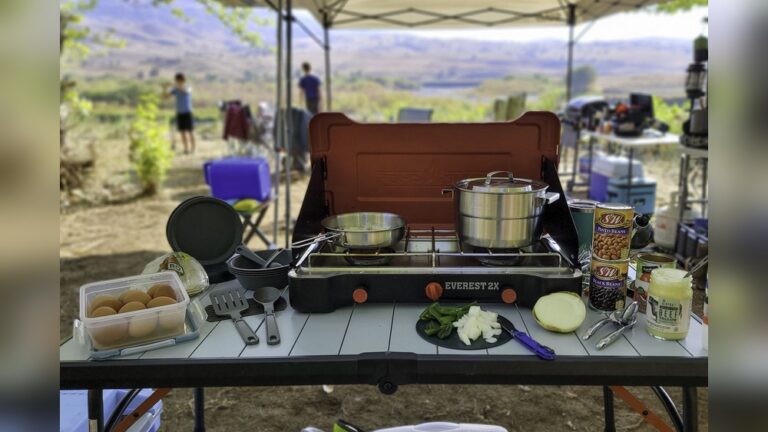
Size Guide for Camping Pans for Perfect Picks
Choosing the right size camping pan can make a huge difference in your outdoor cooking experience. Too big, and you’ll be carrying extra weight that slows you down.
Too small, and you might struggle to cook meals for yourself or your group. You want cookware that fits your needs perfectly—lightweight, practical, and just the right size. In this guide, you’ll discover how to pick the perfect camping pan size that matches your adventure style.
Whether you’re camping solo or feeding a group, you’ll learn simple tips to make your cooking easier and more enjoyable. Keep reading to find the ideal pan size that saves space, weight, and effort on your next trip.
Pan Sizes For Camping
Small pans are perfect for quick meals or frying eggs. They usually have a diameter of 5 to 8 inches and hold 1 to 3 quarts. These pans are lightweight and easy to pack, ideal for solo camping or short trips.
Medium pans measure between 7 and 9 inches in diameter, with a capacity of 3 to 6 quarts. They work well for cooking meals for 2-3 people. Their size balances cooking space and portability, making them a popular choice for most campers.
Large pans range from 9 to 12 inches in diameter and hold 6 to 10 quarts. These pans are suitable for cooking for bigger groups or preparing larger meals. They are heavier but offer more cooking surface and capacity.
Credit: www.amazon.com
Choosing Cookware By Group Size
Solo camping needs small and lightweight pans. A pan with a 6-8 inch diameter is ideal. It saves space and heats quickly. Choose pans that fit easily in your backpack. One pan that can serve multiple purposes works best.
Couples and small groups should use medium-sized pans. Pans around 8-10 inches provide enough space to cook for two or three people. A set with two pans or one pan and a pot is practical. It helps cook different meals at once.
Family and large groups require larger pans and pots. Sizes of 10-12 inches or more are good. Bigger pans cook food faster for many people. Consider a set with several pieces to cover all cooking needs.
Materials And Weight
Lightweight pans are best for easy carrying on trips. Aluminum and titanium are common choices. These metals weigh very little but hold heat well. Titanium is stronger but costs more.
Durable materials like stainless steel last long and resist scratches. They are heavier but good for rough use. Cast iron pans are heavy but keep heat evenly.
Non-stick pans make cooking and cleaning simple. They need careful use to avoid damage. Stainless steel pans do not have coating but can brown food better. Choose based on how you cook and clean.

Credit: www.amazon.com
Cookware Types For Different Cooking Styles
Frying pans and skillets are great for quick cooking. They heat food evenly and are easy to use. Sizes vary from small (6-8 inches) to large (10-12 inches). Small pans work well for one person, while larger pans suit groups.
Saucepans and pots come in many sizes, usually measured in quarts. Small saucepans hold 1-3 quarts, perfect for sauces or soups. Medium ones (3-6 quarts) fit most camping needs. Large pots (6-10 quarts) are best for big meals or stews.
Dutch ovens and multi-use cookware are heavy but very useful. They can bake, roast, and stew food. Sizes range from 4 to 12 inches in diameter. These pans work well over campfires and offer versatile cooking options.
Features To Look For
Removable handles make pans easier to pack and store. They save space and prevent damage during travel. Handles that detach quickly are best for camping.
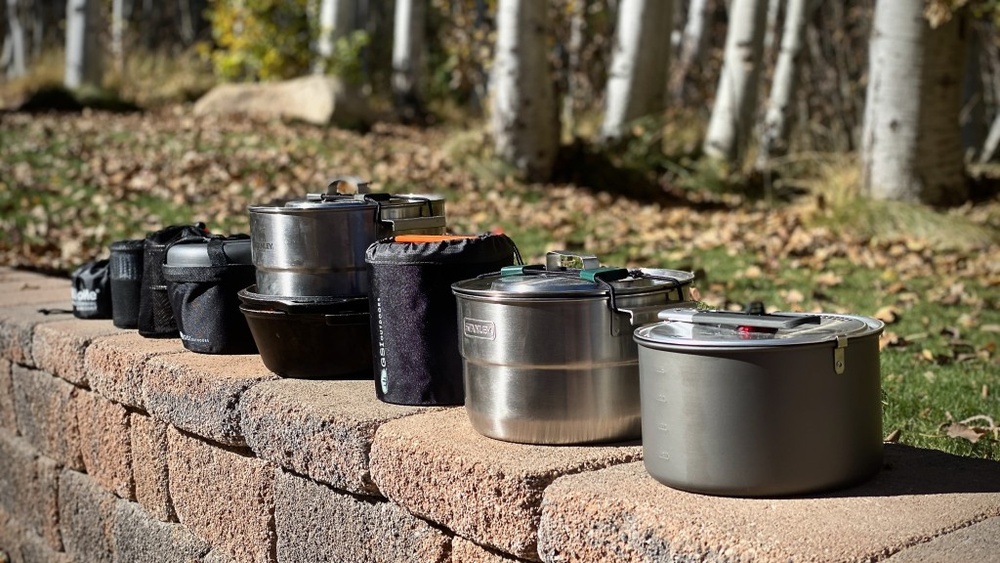
Compact and nesting designs help keep gear organized. Nesting pans fit inside each other, reducing bulk. This is useful for backpacks or small car storage.
Heat distribution affects cooking quality. Pans with even heat avoid hot spots that burn food. Look for pans made from materials like aluminum or stainless steel for better heat spread.
Tips For Packing And Using Camping Pans
Space-saving packing is key for camping pans. Choose pans that nest inside each other to save room. Use the pan lids as plates or cutting boards to reduce gear. Carry lightweight pans made of aluminum or titanium for easier transport. Packing pans inside a pot or a stuff sack helps keep things organized.
Cleaning and maintenance should be simple. Use pans with non-stick surfaces or stainless steel for easy cleaning. Bring a small sponge and biodegradable soap. Rinse pans with hot water to remove food quickly. Dry pans well to prevent rust, especially if made from cast iron.
Cooking over open fires requires durable pans. Cast iron pans work best over flames because they distribute heat evenly. Avoid very thin pans that can burn food quickly. Use a pan with a long handle to keep your hands safe from the fire. Always check for hot spots and adjust pan position for even cooking.
Recommended Sets And Brands
Ultralight cookware is great for those who want to carry less weight. Sets made of titanium or aluminum weigh very little. They cook well and clean easily. Popular brands include Snow Peak and MSR.
Cast iron pans are heavy but very durable. They keep heat evenly and last for years. Lodge and Camp Chef make some of the best cast iron options for camping.
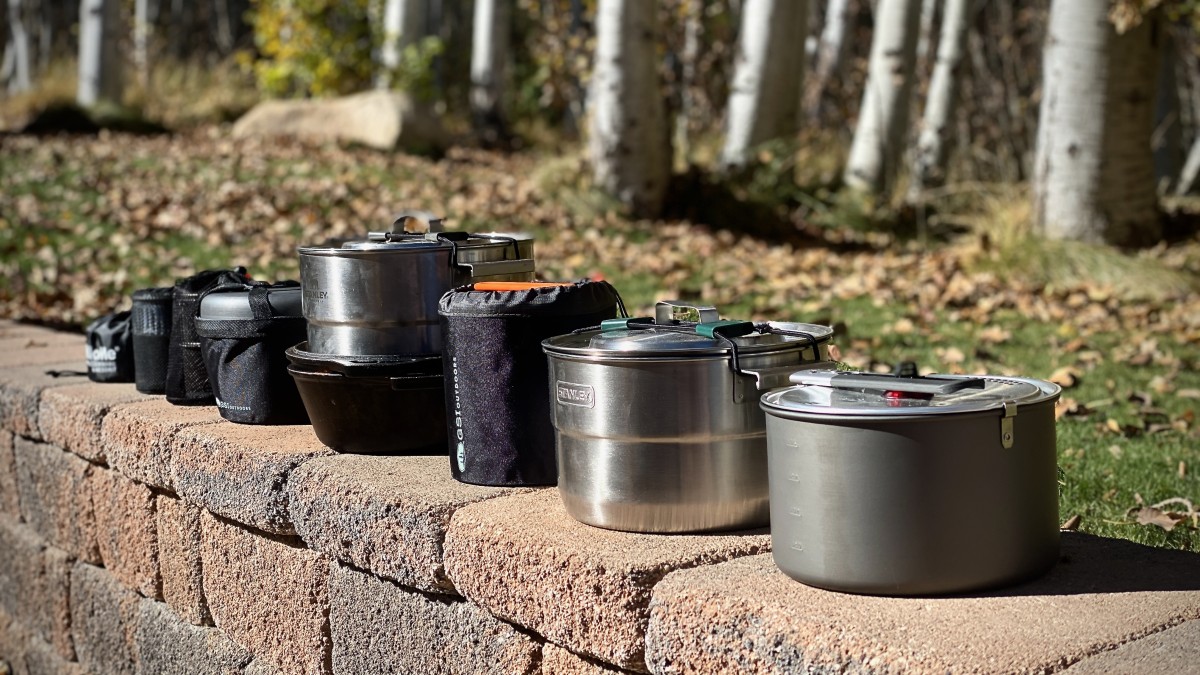
For campers on a budget, brands like GSI Outdoors and T-fal offer affordable and reliable pans. These are good quality without high prices. They are perfect for beginners or casual campers.
Credit: www.outdoorgearlab.com
Frequently Asked Questions
What Are The Sizes Of Pans?
Pans come in various sizes: small (5-8 inches), medium (7-9 inches), and large (9-12 inches) in diameter. Sizes suit different cooking needs.
How To Choose Camping Cookware?
Choose camping cookware by prioritizing lightweight, durable materials like aluminum or titanium. Select sizes based on group size and meal types. Opt for nesting sets to save space. Ensure easy cleaning and compatibility with your heat source.
Is A 3 Quart Pan Medium Or Large?
A 3-quart pan is considered medium-sized. It suits most everyday cooking tasks for small families or individuals.
Is A 5.5 Quart Pan Big?
A 5. 5 quart pan is medium-sized, suitable for cooking meals for 3 to 5 people comfortably.
Conclusion
Choosing the right camping pan size makes cooking easier outdoors. Small pans suit solo trips or quick meals. Medium pans work well for two to three people. Large pans fit bigger groups or longer trips. Consider your group size and cooking needs carefully.
Remember to balance weight and capacity for comfort. With the right pan, you enjoy tasty meals on every adventure. Happy camping and happy cooking!

I am an outdoor enthusiast and gear researcher passionate about camping, hiking, backpacking, and outdoor adventures. I enjoy testing gear, comparing products, and sharing practical advice to help readers make informed decisions. At BestOutsideGear, I create honest gear reviews, buying guides, and outdoor tips to help adventurers choose the right equipment with confidence.