Travel Tips for Camping Pots, Essential Guide for Outdoor Cooking
When you’re out camping, having the right pots can make all the difference between a stressful meal and a relaxing, delicious outdoor feast. But how do you choose the best camping pots?
How do you pack them so they don’t get damaged or take up too much space? And what simple tricks can save you time and hassle around the campfire? If you want to cook like a pro while keeping your gear light and organized, these travel tips for camping pots are exactly what you need.
Read on to discover smart packing hacks, must-have features, and expert advice that will transform your outdoor cooking experience. Your next camping trip just got a whole lot easier!
Choosing Lightweight Pots
Choosing lightweight pots is key for any camping trip. Heavy pots add bulk and slow you down. Lightweight pots save space and energy. They make cooking outdoors easier and more enjoyable. Knowing what to pick helps you travel smart and pack light.
Materials To Consider
Aluminum pots are popular for camping. They heat quickly and weigh little. Stainless steel pots last long but weigh more. Titanium pots are very light and strong. They cost more but are worth it for long trips. Pick materials that match your needs and budget.
Size And Capacity Tips
Choose pot sizes based on your group size. Small pots work for solo campers. Larger pots fit groups or cooking more food. Avoid pots that are too big or too small. Make sure the pot fits inside your backpack easily. Balance capacity with portability.
Collapsible Options
Collapsible pots save a lot of space. They fold down flat for easy packing. Made from silicone or lightweight materials. Perfect for campers who need to save room. Check the durability before buying. Good collapsible pots hold up well on trips.

Credit: www.amazon.com
Packing And Transporting
Packing and transporting camping pots requires care and smart planning. Proper packing saves space and protects your cookware. It also makes carrying easier during your outdoor trip.
Organizing your pots and pans efficiently prevents damage. It keeps your gear ready for cooking anytime. Follow simple tips to pack and transport your camping pots safely.
Nesting Pots And Pans
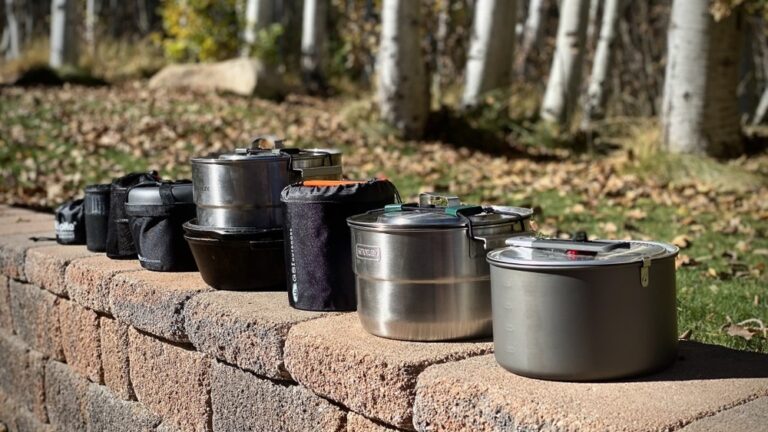
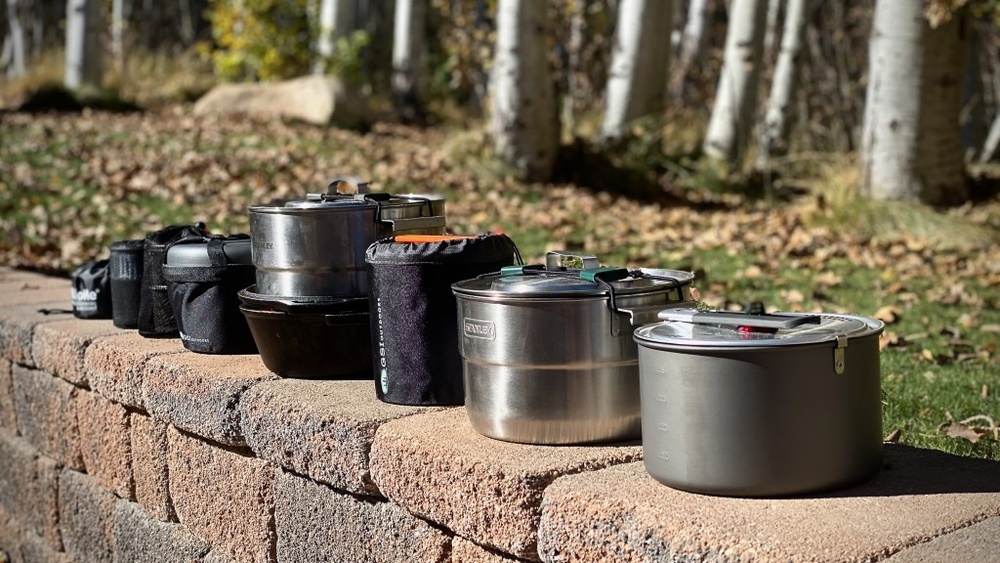
Stack pots and pans by size. Put smaller pots inside larger ones. This nesting saves space inside your backpack or bag. Use a soft cloth between each piece to avoid scratches. Nesting helps keep your cookware organized and compact.
Protecting Lids And Handles
Remove lids from pots before packing. Wrap lids separately with soft cloth or bubble wrap. Handles can break if packed carelessly. Secure handles by folding or covering with padding. Proper protection prevents cracks and breaks during transport.
Preventing Rattling
Place a non-slip shelf liner or cloth between pots. This stops them from sliding and making noise. Fill empty spaces with towels or packing paper. Preventing rattling avoids damage and keeps your gear quiet while hiking or driving.
Essential Cooking Gear
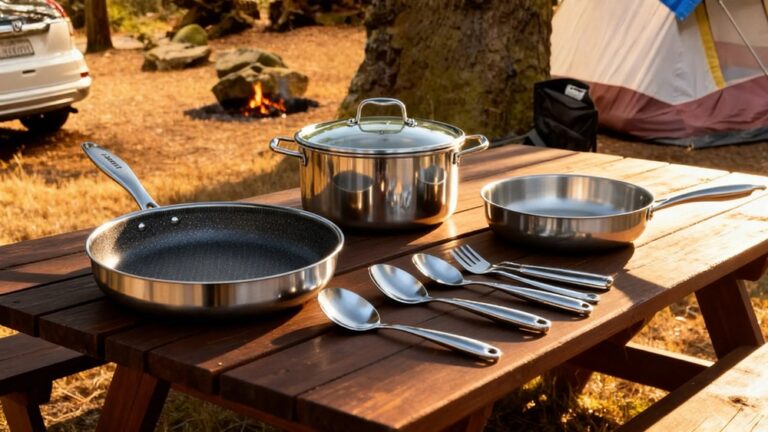
Having the right cooking gear makes camping meals easier and more enjoyable. Essential cooking gear includes pots, pans, utensils, seasonings, and cleaning supplies. These items help you prepare tasty food without hassle. Packing smart keeps your camping kitchen lightweight and organized.
Must-have Utensils
Basic utensils include a sturdy spatula, a spoon, and a fork. A sharp knife is crucial for food prep. A small cutting board saves space and adds convenience. Carry a pair of tongs for grilling or turning food. Lightweight, durable materials like silicone or stainless steel work best.
Seasonings And Extras
Carry small containers of salt, pepper, and your favorite spices. A little garlic powder or chili flakes can add flavor quickly. Pack instant coffee or tea bags for a warm drink. Bring oil or butter in a small bottle for cooking. Keep extras like sugar or hot sauce to enhance meals.
Cleaning Supplies
Bring biodegradable soap to protect nature while cleaning. A small sponge or scrubber helps remove food residue. Pack a lightweight dish towel to dry your gear. Carry a trash bag to collect all waste and keep the campsite clean. Keeping cooking gear clean prevents pests and ensures safety.
Credit: www.amazon.com
Cooking Techniques Outdoors
Cooking outdoors requires some skill and the right techniques. Using camping pots properly can save fuel and make meals taste better. Understanding how to manage heat and cook safely helps everyone enjoy the experience. This section covers key methods to cook efficiently and safely on your camping trips.
Efficient Heat Use
Use pots that match the size of your stove or fire. Smaller pots heat faster and waste less fuel. Cover pots with lids to keep heat inside. Stir food occasionally to avoid burning. Use a windscreen around your stove to protect the flame. Pre-soak dried foods to reduce cooking time. Efficient heat use saves fuel and speeds up cooking.
Cooking Over Open Flames
Keep the fire small and steady for better control. Use a sturdy grill or tripod to hold pots above flames. Avoid direct contact between pot and large flames. Large flames can burn food and damage pots. Rotate pots slowly for even cooking. Use thicker pots to distribute heat better over open fires. Open flame cooking adds smoky flavor but requires attention.
Safety Tips
Place pots on stable surfaces to prevent tipping. Always keep children and pets away from the cooking area. Use heat-resistant gloves when handling hot pots. Avoid loose clothing near flames. Keep a bucket of water or sand nearby for emergencies. Let pots cool before cleaning or packing. Safe cooking protects you and your gear during camping.
Maintaining Your Pots
Taking care of your camping pots helps keep them ready for every trip. Proper maintenance avoids damage and keeps them clean and safe for cooking. Simple steps can make your pots last longer and perform better on the trail.
Cleaning After Use
Clean your pots soon after cooking. Use warm water and mild soap. Avoid harsh scrubbers that can scratch the surface. For stubborn food, soak the pot before washing. Dry your pots completely to stop rust or mold.
Storage Tips
Store pots in a dry place to prevent moisture buildup. Nest smaller pots inside larger ones to save space. Place soft cloth or paper between pots to avoid scratches. Keep lids separate or wrapped to protect them from damage.
Extending Pot Lifespan
Avoid cooking on very high heat to protect pot material. Use wooden or silicone utensils to prevent scratches. Check pots regularly for dents or cracks. Repair minor damage or replace parts to keep pots safe and useful.
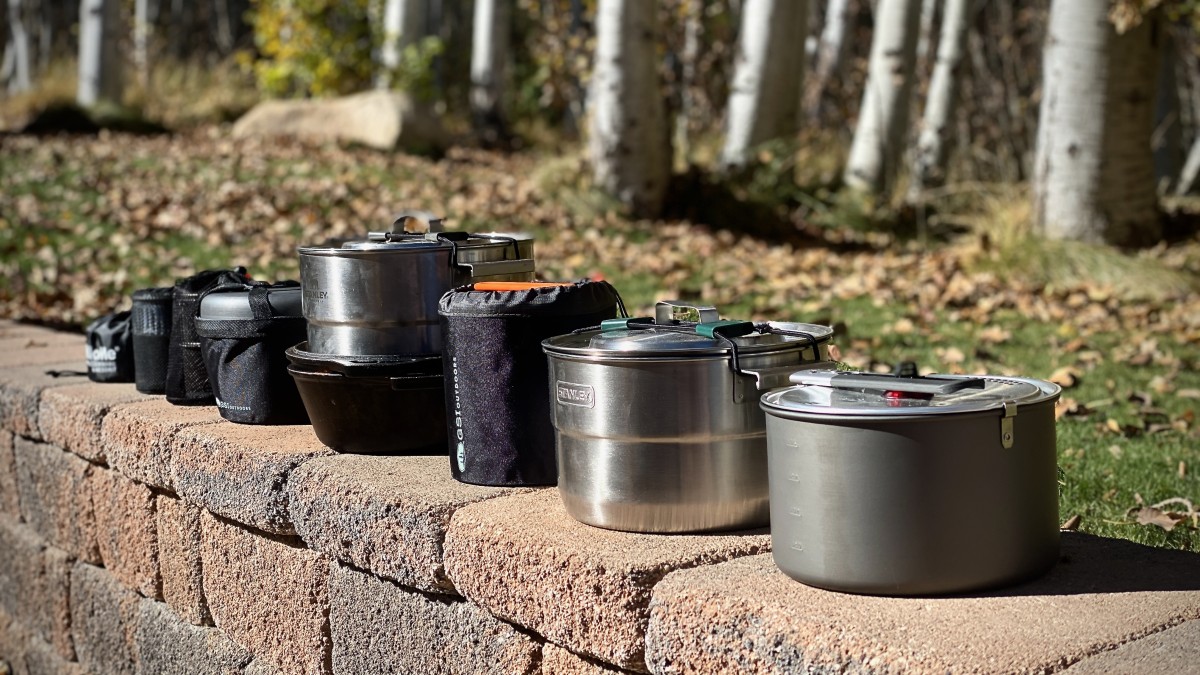
Top Camping Pot Brands
Choosing the right camping pot can improve your outdoor cooking experience. The brand you pick affects the pot’s weight, durability, and ease of use. Trusted brands offer pots designed specifically for camping needs. These brands focus on materials that handle heat well and are easy to clean.
Explore different brands to find a camping pot that fits your style and budget. Some brands specialize in lightweight designs. Others offer affordable options or premium quality gear. Knowing these categories helps you decide quickly and smartly.
Popular Lightweight Options
Lightweight camping pots are ideal for hikers and backpackers. Brands like GSI Outdoors and Snow Peak excel in this area. Their pots use titanium or aluminum to keep weight low. These materials also heat quickly, saving fuel. Many models nest inside each other to save space.
Budget-friendly Choices
Affordable camping pots suit casual campers or beginners. Coleman and Ozark Trail offer reliable pots without a high price tag. These pots often use stainless steel or aluminum. They provide good durability and easy cleaning. Budget pots may weigh more but still work well for car camping.
Premium Gear
Premium camping pots deliver top quality and features. Brands like MSR and Primus focus on durability and efficiency. These pots may include non-stick coatings or integrated handles. Materials like hard-anodized aluminum improve lifespan. Premium pots often come with lids and strainers. They suit serious campers who cook often outdoors.
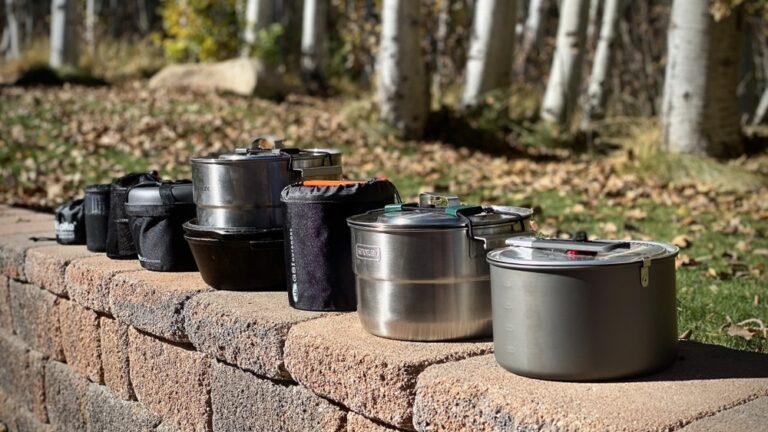
Credit: www.outdoorgearlab.com
Frequently Asked Questions
What Are The 7 C’s Of Camping?
The 7 C’s of camping are: Choice, Checklist, Clothing, Cooking, Cleanliness, Comfort, and Courtesy. These ensure a safe, enjoyable outdoor experience.
What Is The 200 Rule For Camping?
The 200 rule for camping means camping at least 200 feet away from water sources. It protects nature and prevents pollution.
What Is The Most Forgotten Item When Camping?
The most forgotten camping item is extra batteries and chargers. People often overlook insect repellent, first aid kits, and cooking utensils too.
How To Pack Pots And Pans For Travel?
Remove lids and wrap them separately with bubble wrap or packing paper. Nest pots and pans by size. Place upright in a padded box. Cushion gaps with towels or paper to prevent damage and rattling during travel.
Conclusion
Choosing the right camping pots makes cooking easier outdoors. Pack them carefully to avoid damage and save space. Remember to clean pots after use to keep them lasting longer. Simple tips help you enjoy your camping meals more. Happy camping and safe travels!

I am an outdoor enthusiast and gear researcher passionate about camping, hiking, backpacking, and outdoor adventures. I enjoy testing gear, comparing products, and sharing practical advice to help readers make informed decisions. At BestOutsideGear, I create honest gear reviews, buying guides, and outdoor tips to help adventurers choose the right equipment with confidence.